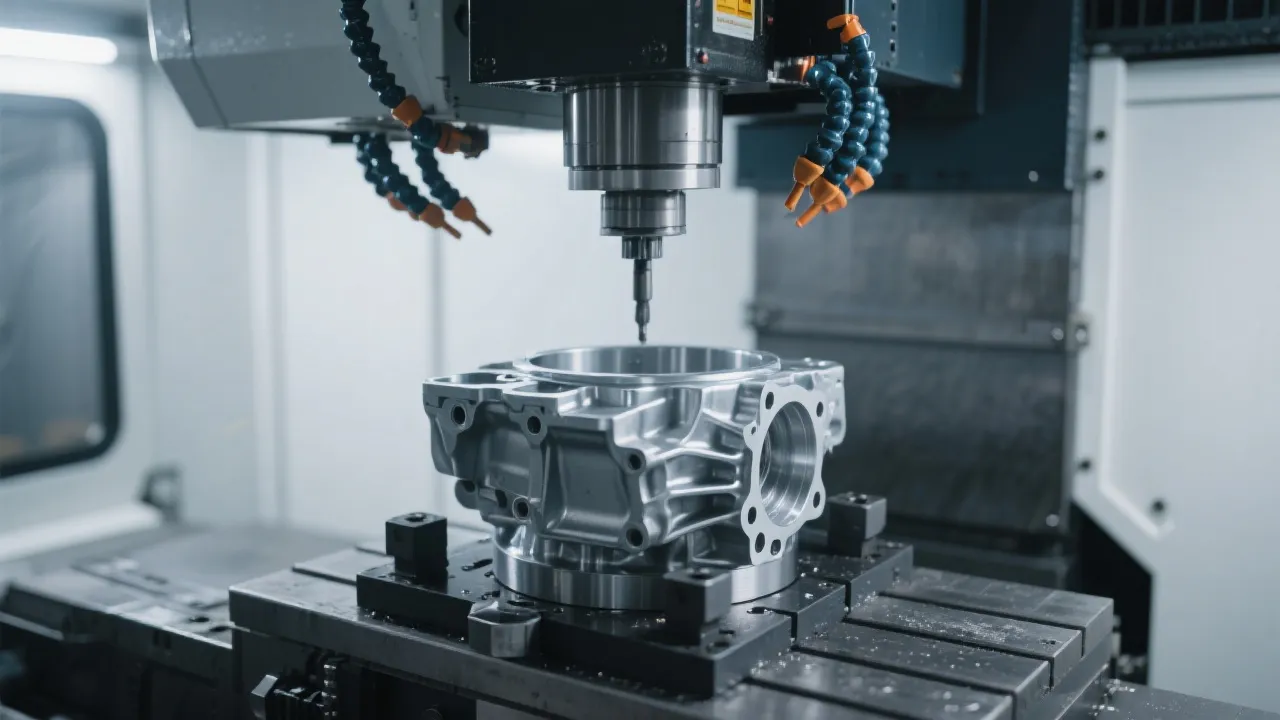
Graphite has become an indispensable material in various industries due to its unique physical and chemical properties. However, machining graphite presents significant challenges, demanding high - level stability and precision from processing equipment.
Graphite is a brittle material with a relatively low hardness but high abrasiveness. During the machining process, it can easily generate dust, which may cause damage to the processing equipment. Therefore, the processing equipment must have high - level stability to ensure the accuracy of the processed parts. According to industry statistics, the geometric tolerance of graphite parts in high - end applications needs to be controlled within ±0.01mm, and the surface roughness Ra value should reach 0.8 - 1.6μm.
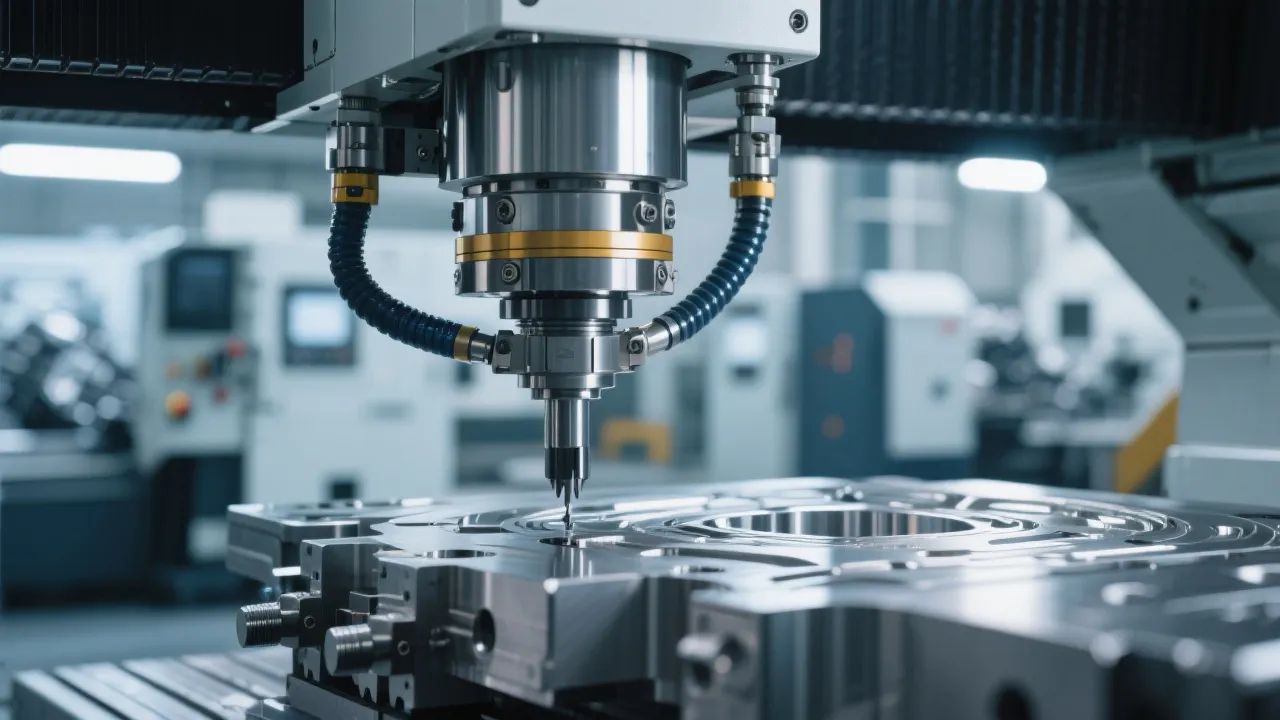
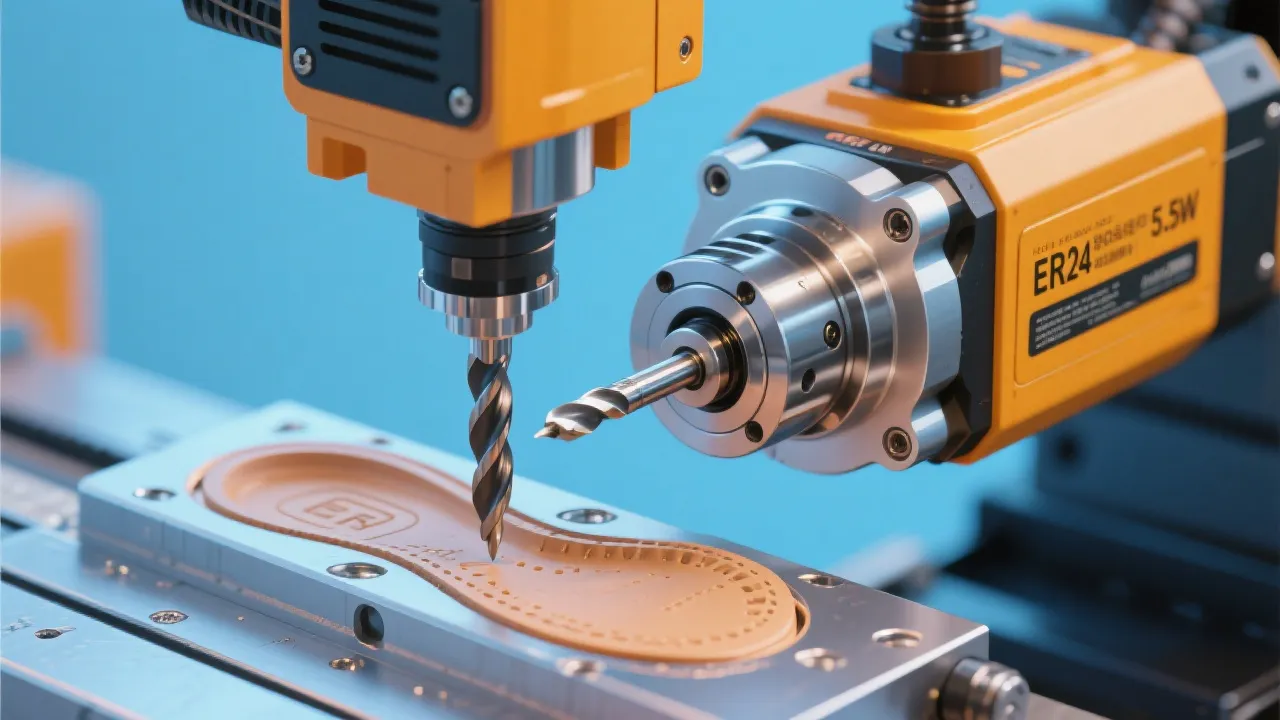
Vertical machining centers are equipped with various types of machining heads, such as right - angle heads and universal heads. These multi - angle spindle configurations significantly enhance the flexibility of machining. For example, the right - angle head can perform side milling operations, enabling the machining center to process multiple surfaces of the workpiece in one setup. The universal head, on the other hand, can adjust the angle of the spindle in multiple directions, allowing for the processing of complex - shaped graphite workpieces. This flexibility reduces the number of workpiece setups, improving processing efficiency by approximately 30% compared to traditional machining methods.
The Mitsubishi CNC system used in vertical machining centers plays a crucial role in spindle configuration switching. It can accurately control the movement and speed of the spindle, ensuring seamless and efficient switching between different machining processes. The system has a high - speed processing chip, which can complete complex motion control algorithms within milliseconds, enabling rapid and accurate switching of the spindle configuration. This feature allows the machining center to complete multiple complex processes in a short time, improving production efficiency.
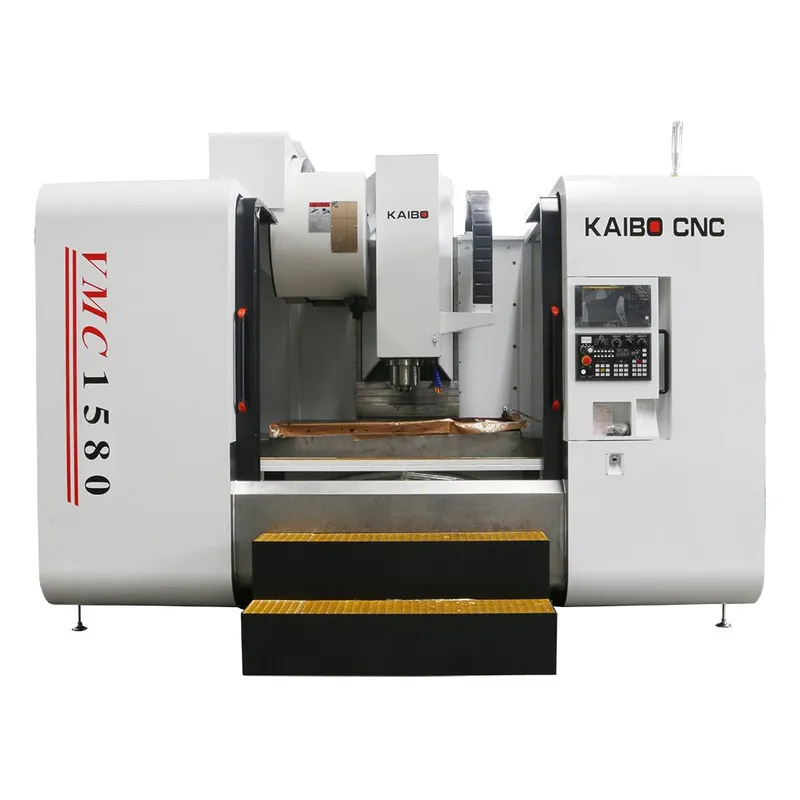
Large - stroke machining allows the machining center to process larger - sized graphite workpieces at one time. For example, some vertical machining centers have a stroke of up to 1800mm in the X - axis, 900mm in the Y - axis, and 600mm in the Z - axis, which can meet the processing requirements of most graphite workpieces. High - cutting - rate parameters can increase the material removal rate during rough milling, reducing processing time. In rough milling, the cutting rate can reach up to 500cm³/min, while in finishing, it can still maintain a relatively high rate of 100 - 200cm³/min, ensuring both processing efficiency and quality.
This article aims to provide practical guidance and operational experience for machining operators, equipment selection personnel, and technical leaders. By combining theoretical knowledge with practical cases, it offers a series of operation suggestions and process optimization methods. Through the use of charts and video demonstrations, it helps readers better understand the working principles and operation methods of vertical machining centers.
In conclusion, vertical machining centers have significant advantages in high - efficiency rough milling and finishing of graphite. Their unique technical features can meet the high - end requirements of graphite processing. Learn about Kaibo CNC's advanced vertical machining centers and boost the quality and efficiency of your graphite machining.