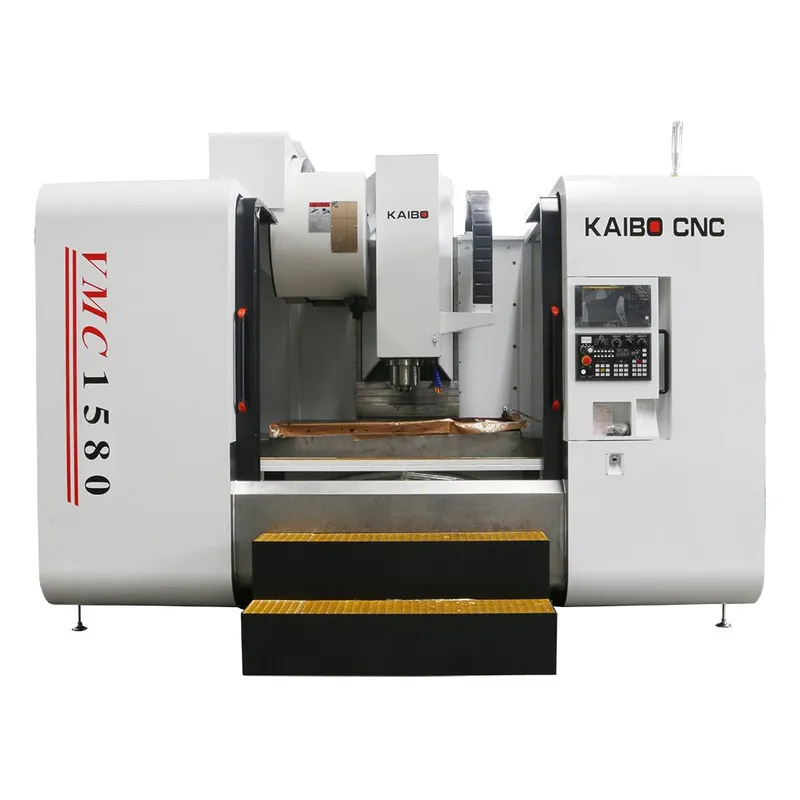
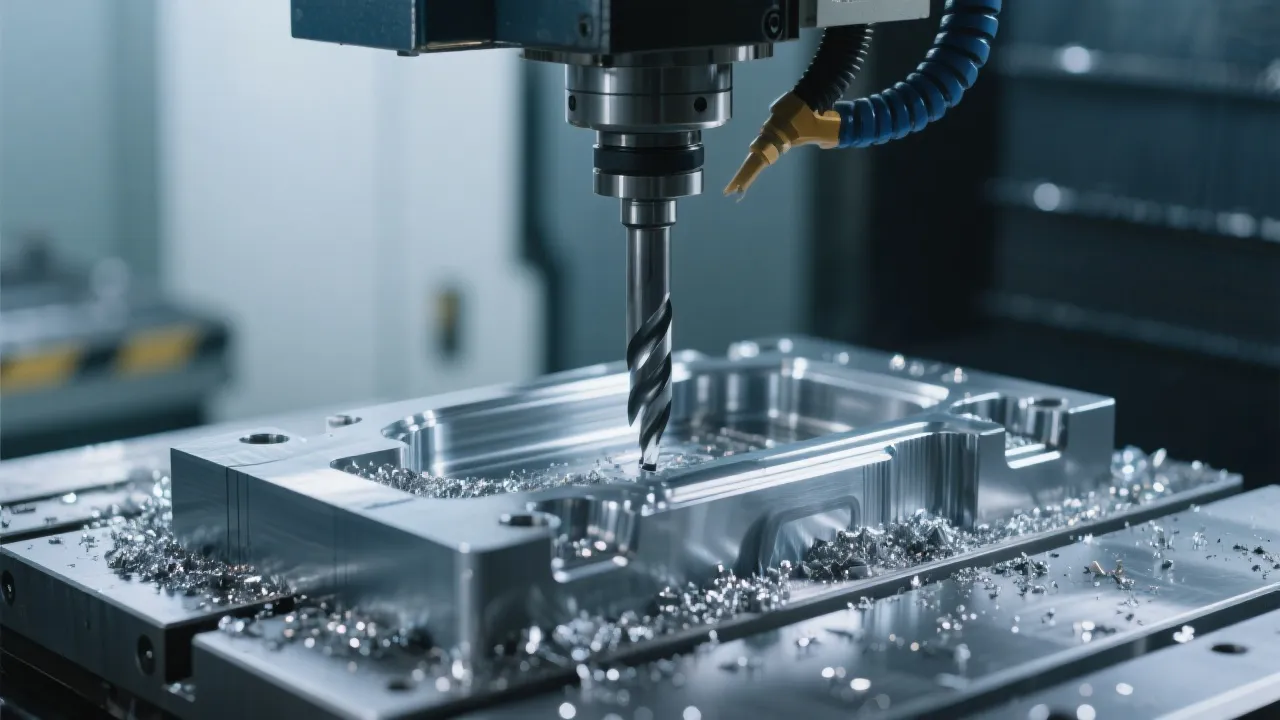
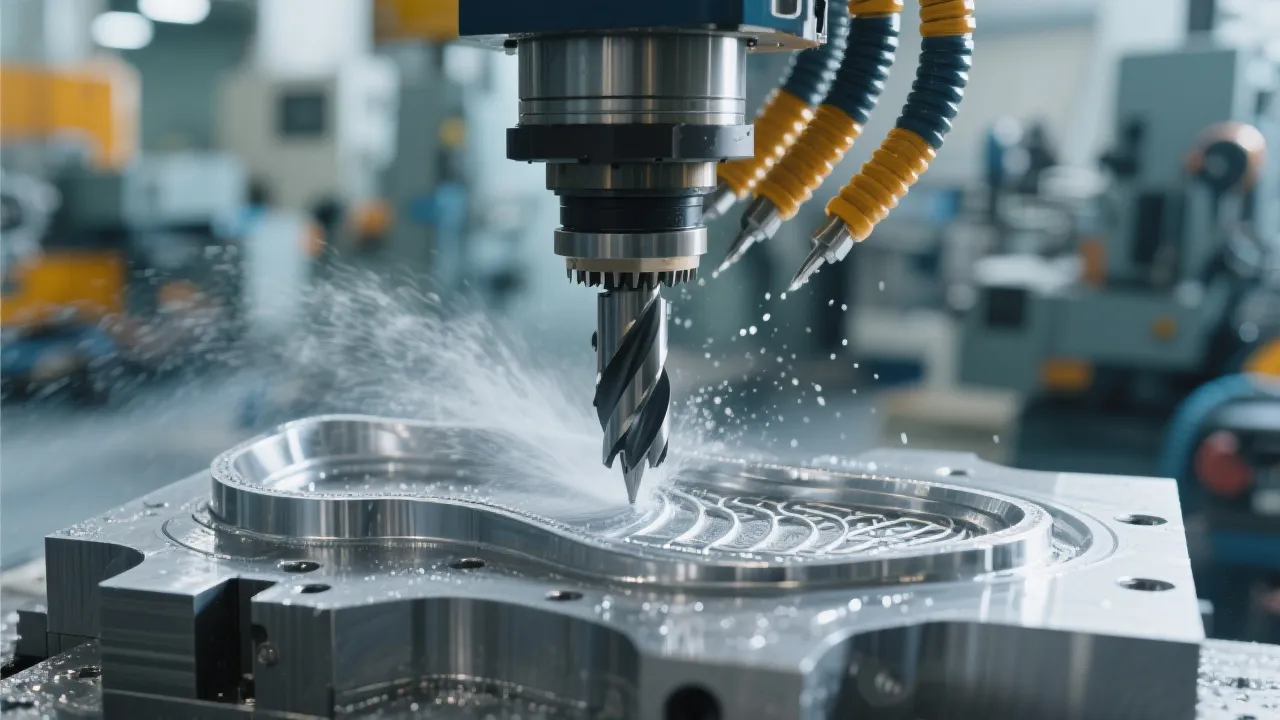
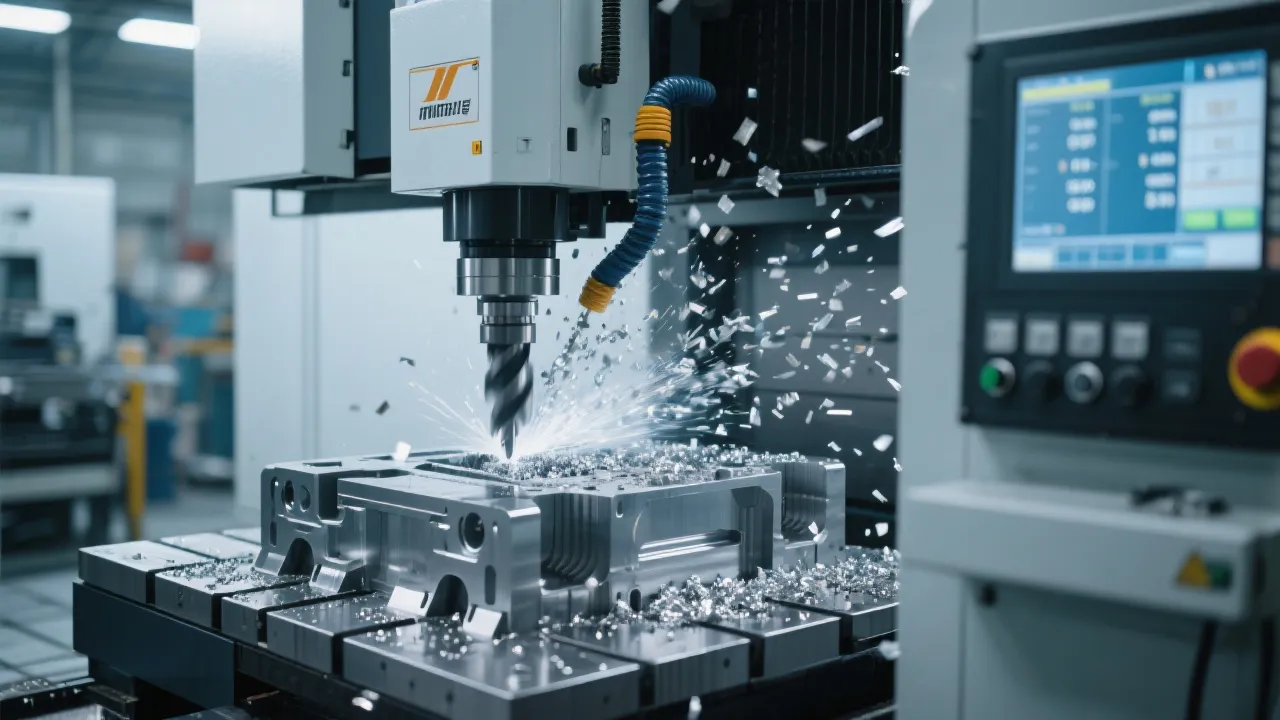
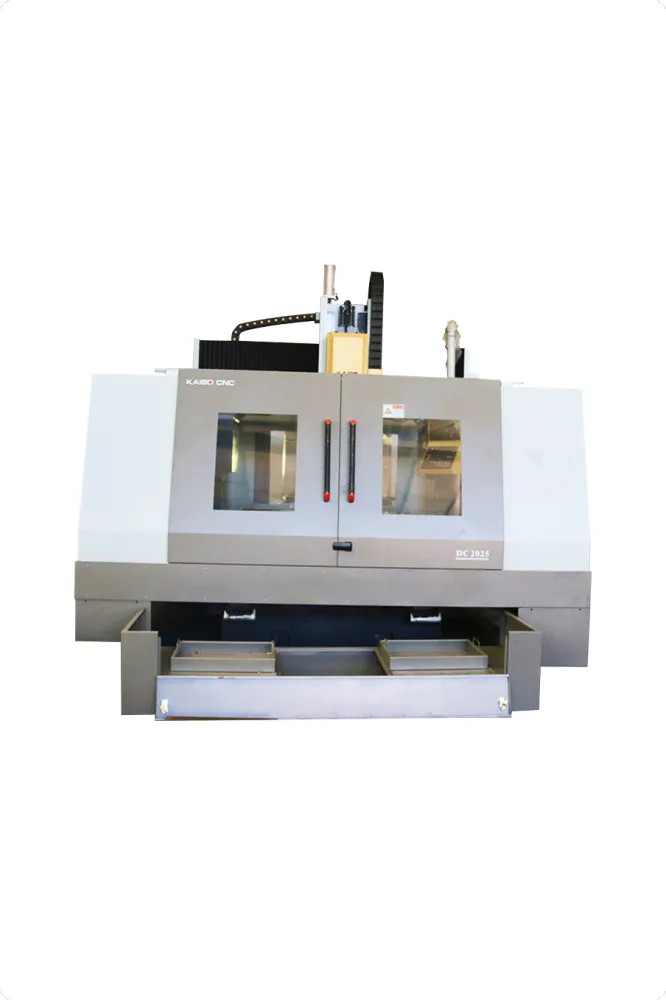
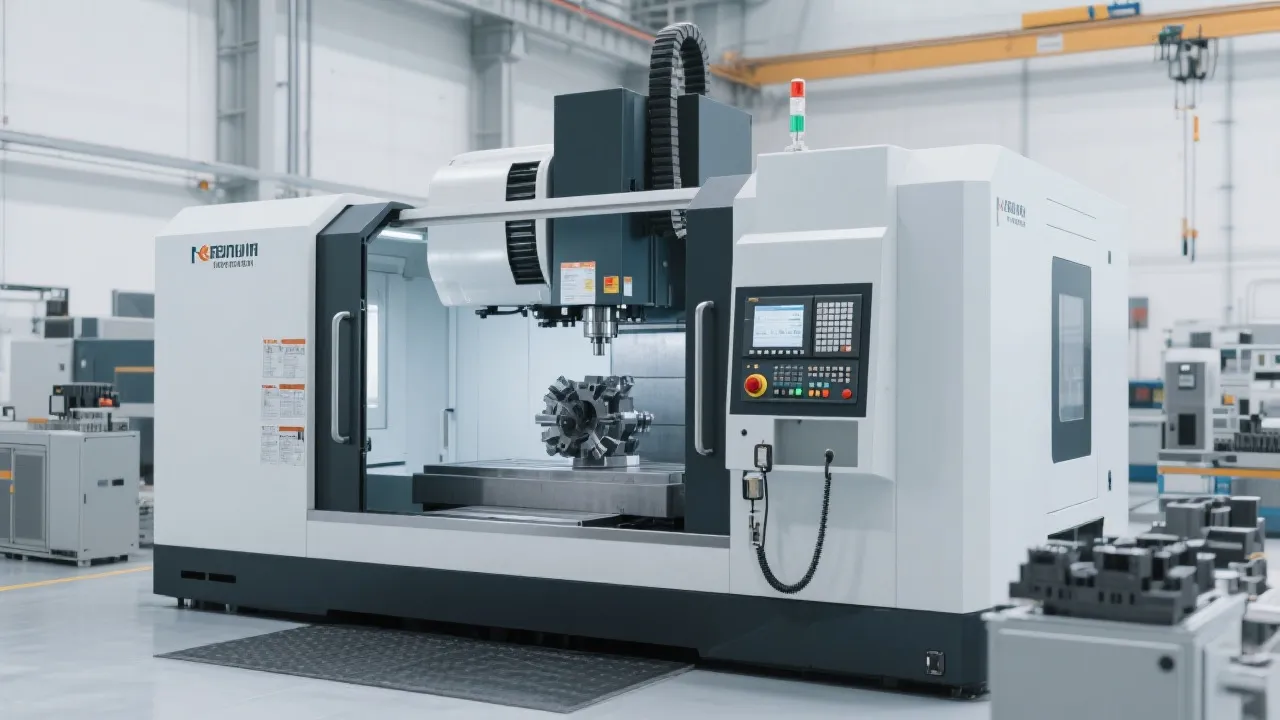
Graphite, with its unique physical and chemical properties including high thermal conductivity, brittleness, and complex layering, presents considerable challenges in CNC machining. Achieving optimal stability and precision during both rough and finish processes requires advanced manufacturing solutions tailored for these demanding conditions. The FH1890L vertical machining center, developed by Ningbo Kaibo CNC Machinery Co., Ltd., is engineered expressly to meet these stringent demands—integrating large travel axes and high cutting rate parameters that enable seamless transition between roughing and finishing graphite operations.
The brittle nature and dust generation during graphite machining necessitate tools with enhanced rigidity and dust management features. Precise control over spindle stability and vibration damping directly affects surface finish and dimensional tolerance. Industry data shows that machining graphite with conventional vertical centers without optimized parameters often results in suboptimal cycle times, increased tool wear, and inconsistent quality—issues reduced by up to 25% when utilizing machines with high travel capacity and optimized CNC controls.
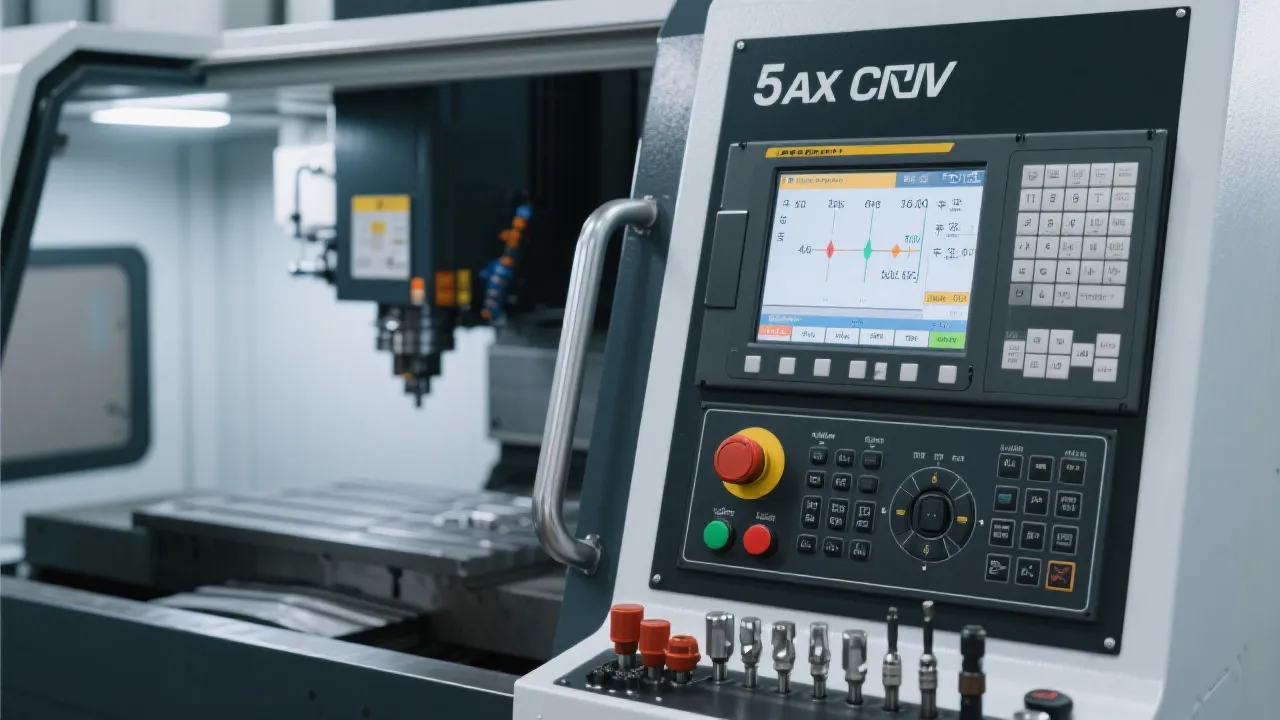
The FH1890L stands out for its multi-angle spindle units, including direct angle heads and universal heads. This configuration facilitates rapid orientation adjustment without manual tool changeover, significantly reducing setup time and improving workflow for complex graphite shapes. Operators benefit from the ability to program intricate tool paths with 5-axis control compatibility, backed by Mitsubishi CNC systems known for their precision and user-friendly interface.
Mitsubishi’s advanced CNC platform provides real-time spindle load monitoring and dynamic compensation algorithms, allowing stable cutting rates even at speeds exceeding 10,000 RPM. Such capabilities ensure consistent surface finish quality during both roughing at speeds up to 3 mm³/sec material removal rate and finishing operations requiring sub-5 micron accuracy.
The FH1890L offers extended X, Y, and Z travel lengths—typically 1800 x 900 x 800 mm—giving manufacturers the freedom to handle large graphite workpieces in a single setup. This capacity not only shortens production lead times but ensures dimensional consistency throughout the machining process.
High cutting rate parameters, fine-tuned through Kaibo’s proprietary motion control software, enable the machine to operate at feed rates upwards of 5 m/min while maintaining high precision. By bridging the gap between aggressive rough machining and delicate finishing, the FH1890L reduces overall cycle times by nearly 20%, directly impacting productivity.
Operators and technical managers should adhere to these best practices for optimized graphite processing:
Common graphite machining challenges such as chipping, excessive dust, and thermal distortion are mitigated by the FH1890L’s robust rigid structure and precision control. The system's integration streamlines complex workflows, enabling manufacturers to reduce scrap rates by up to 15% as reported by clients in electronics and automotive component production sectors.
Furthermore, the intuitive operation interface reduces training time—a critical factor for shops aiming to scale production without excessive labor cost increases.
Unlocking Operational Excellence: Employing advanced vertical machining centers like the FH1890L for graphite not only enhances throughput but elevates product quality—transforming manufacturing challenges into competitive advantages.