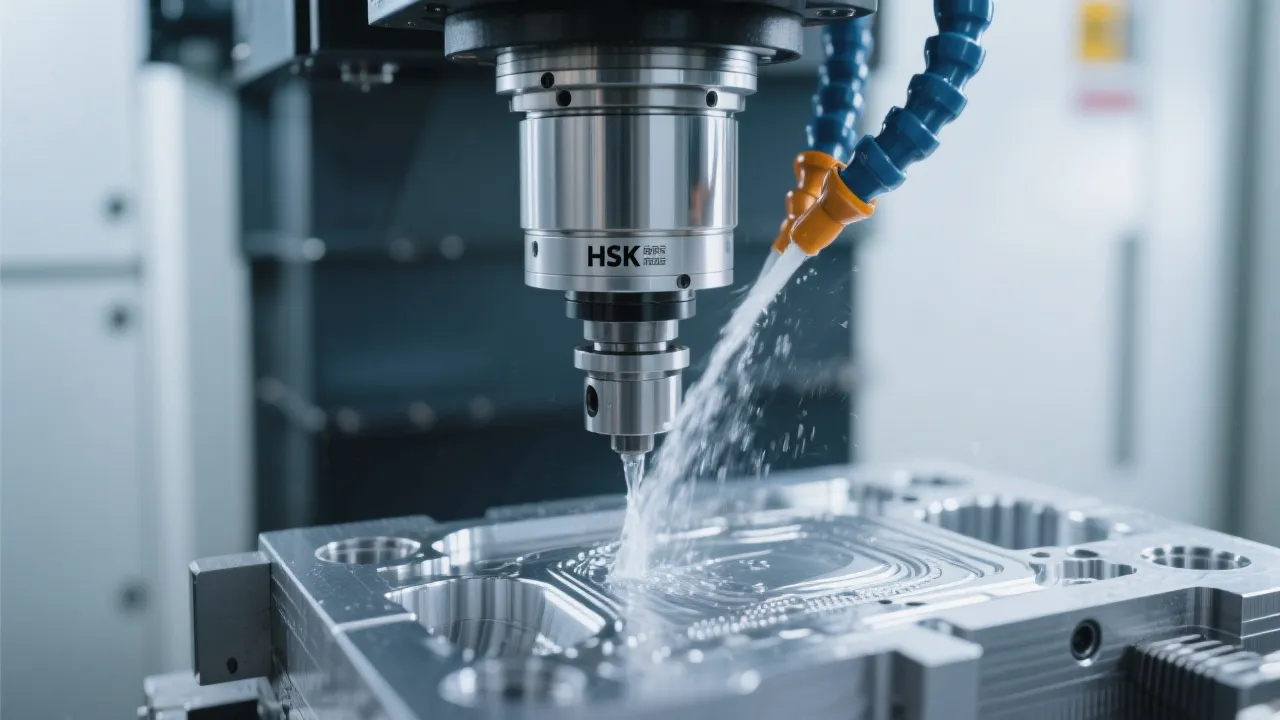
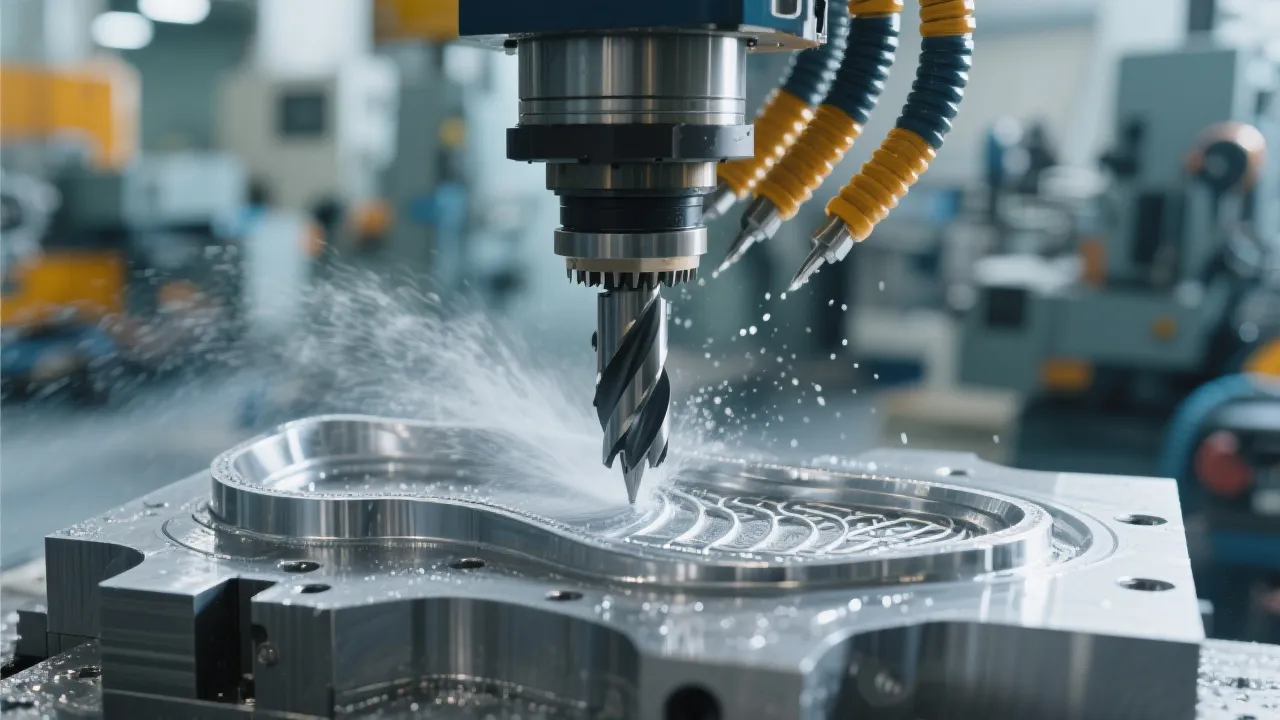
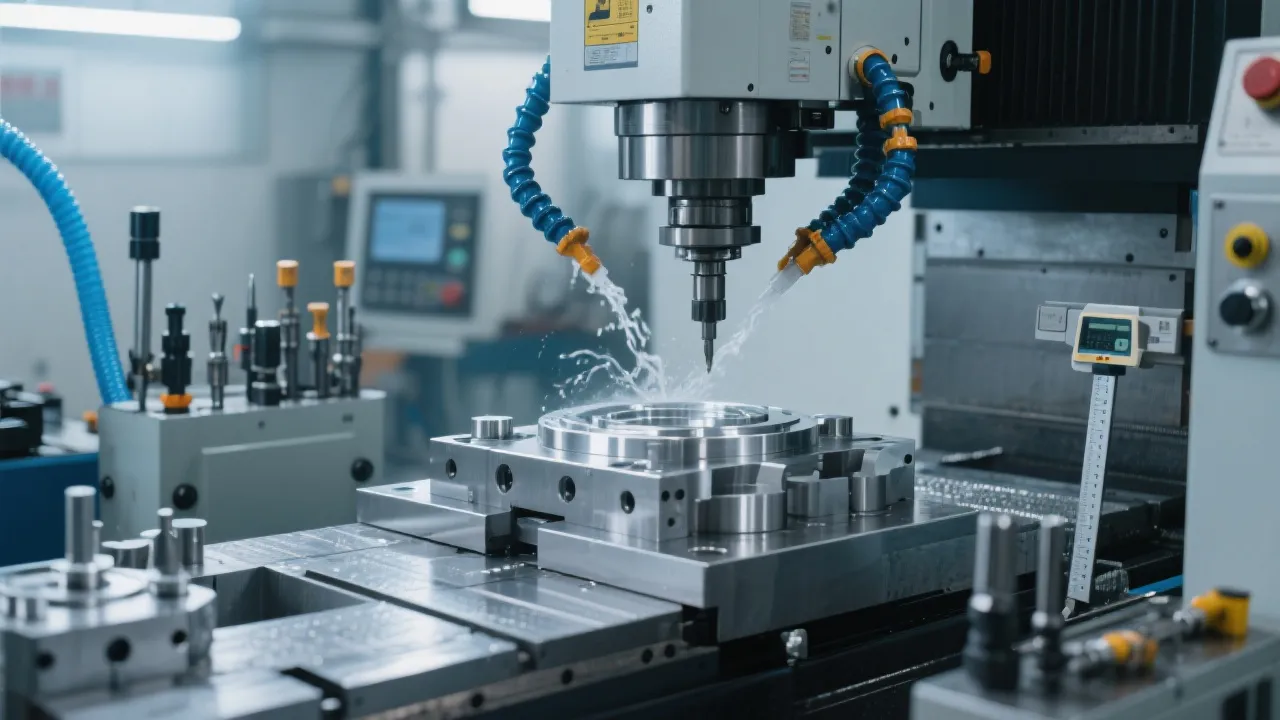
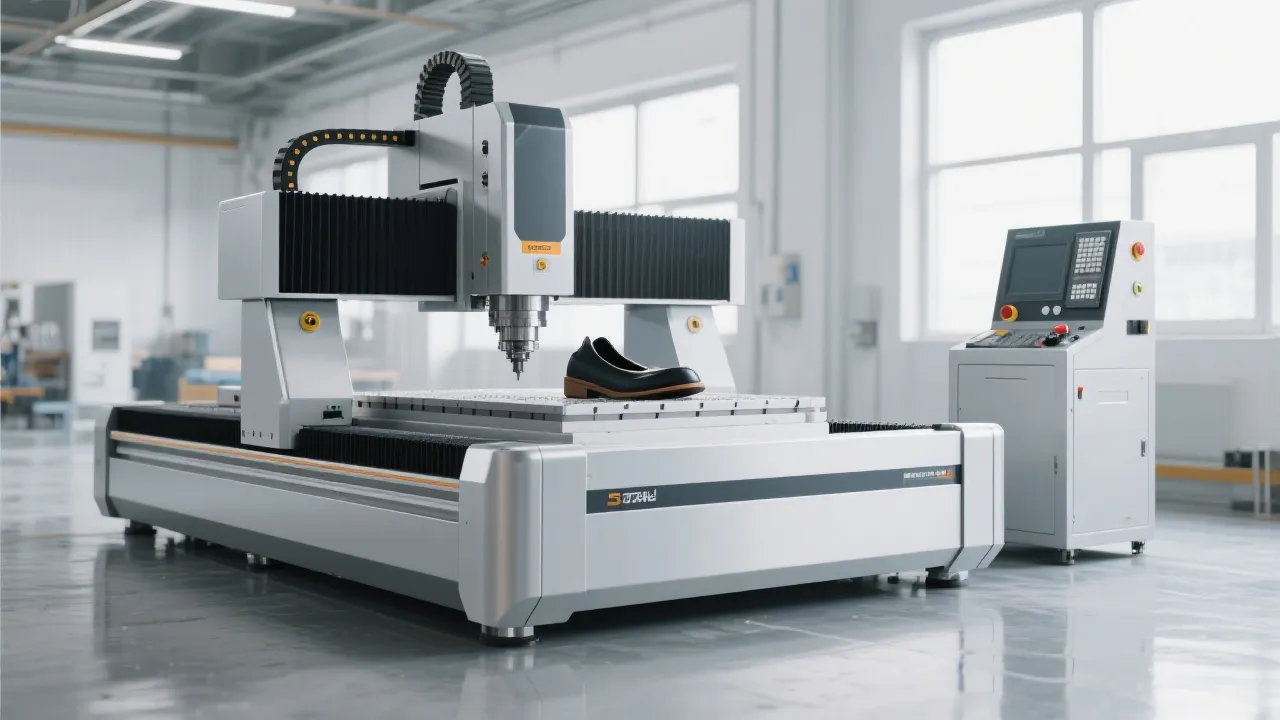
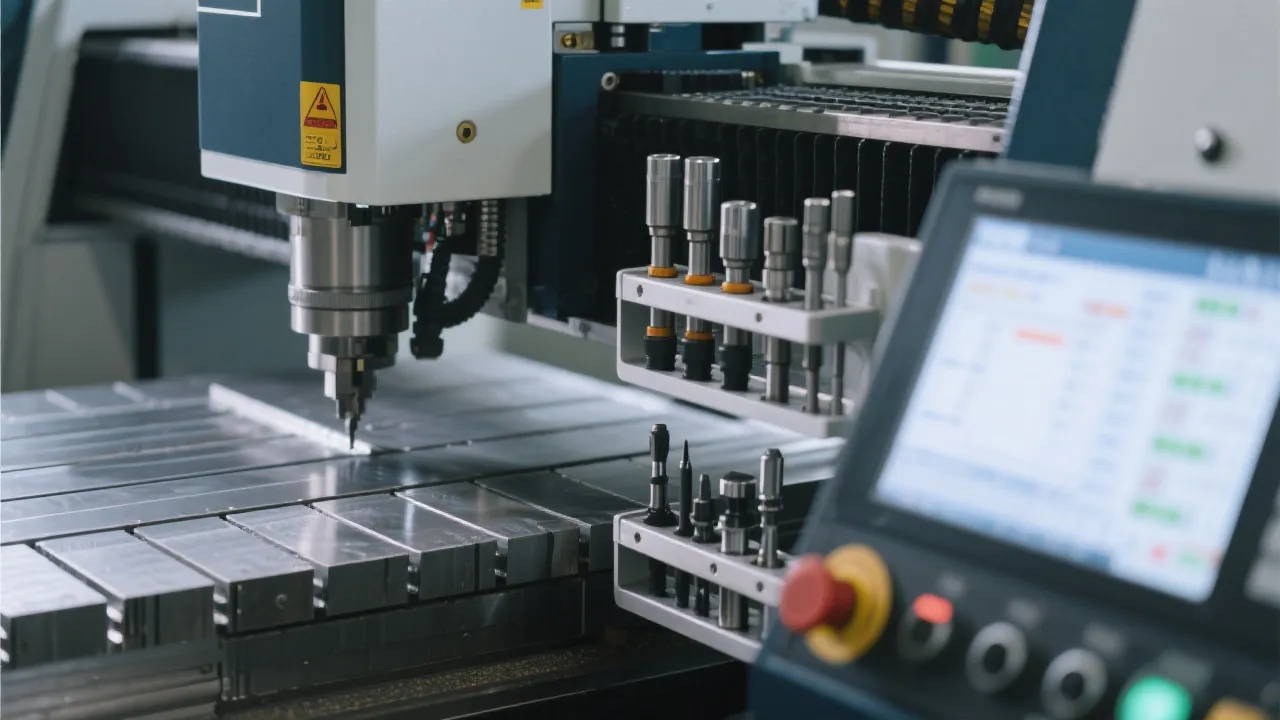
You’re not alone if your shop still relies on multiple setups for housing parts—every extra fixture means lost time, higher error rates, and reduced throughput. But what if you could finish all faces of a complex metal housing in just one setup? That’s exactly where the FH1580L CNC Vertical Machining Center shines.
In high-volume production, even small inefficiencies compound quickly. For example, switching from 3 setups to 1 can reduce cycle time by up to 40%. A typical housing part (like those used in industrial enclosures or power tools) often requires milling, drilling, and tapping on multiple sides. Traditional methods mean repositioning, recalibrating, and potential misalignment—especially frustrating when precision matters.
The FH1580L tackles this head-on with its side-mounted tool magazine (up to 40 tools), which minimizes tool change time from ~12 seconds to under 6 seconds. Combined with a high-torque spindle (up to 40 Nm at low RPM), it ensures consistent cutting performance across materials like aluminum, brass, and mild steel—no chatter, no vibration.

It’s not just hardware—it’s how you program it. Using macro programs and G-code loops (like G71 for roughing or G83 for deep holes), operators can eliminate unnecessary air cuts and optimize tool paths. Here's a real-world example:
    G91 G1 X50 Y30 F1000
    G91 G1 Z-10 F500
    G91 G1 X-50 Y-30 F1000
    M98 P1000 ; Call macro for next face
This kind of logic reduces non-cutting time by 25–35%, especially useful when machining 6+ faces per part.
| Process Metric | Before Optimization | After FH1580L + Smart Programming |
|---|---|---|
| Setup Time per Part | 4.2 min | 1.1 min |
| Cycle Time (avg) | 18 min | 10.5 min |
| Tool Changes / Hour | 12 | 6 |
That’s more than just efficiency—it’s a shift toward lean manufacturing. By tracking production rhythm via IoT-enabled data logging (optional add-on), you’ll identify bottlenecks fast—not after weeks of trial and error.
And here’s something many overlook: quick-change fixtures. With modular clamping systems, changing workholding takes less than 90 seconds—a game-changer for job shops juggling 50+ SKUs monthly.
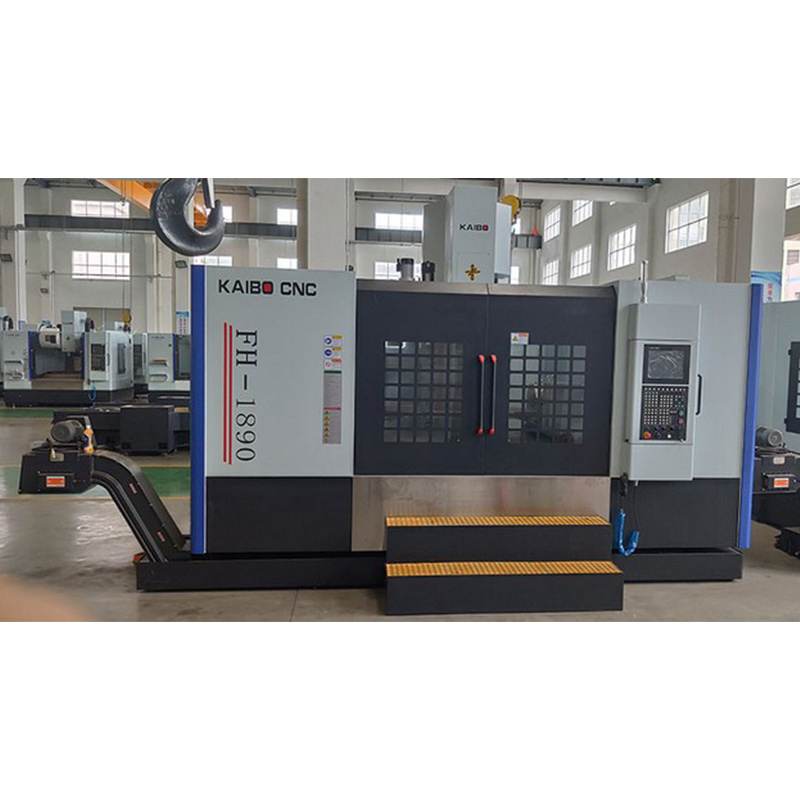
Are you still losing hours to setup fatigue? Your competitors aren’t—they’ve already moved to smarter, single-setup workflows.
Get our free “Multi-Face Machining Playbook” — packed with templates, code snippets, and case studies from factories that boosted output by 30%+ using FH1580L.
Download Now →