
Graphite is no longer just a material for electrodes—it's now essential in aerospace, EV battery manufacturing, and high-precision tooling. Yet, its brittle nature and abrasive properties pose unique challenges to machining stability and accuracy. In fact, studies show that up to 42% of graphite machining defects stem from vibration-induced tool wear or inconsistent feed rates, not operator error.
Unlike metals, graphite requires controlled cutting forces and minimal thermal distortion. Traditional CNC setups often fail under these conditions—leading to surface roughness beyond acceptable limits (typically >3.2 μm Ra). This isn’t just about quality—it impacts downstream processes like coating adhesion and part fitment in assembly lines.
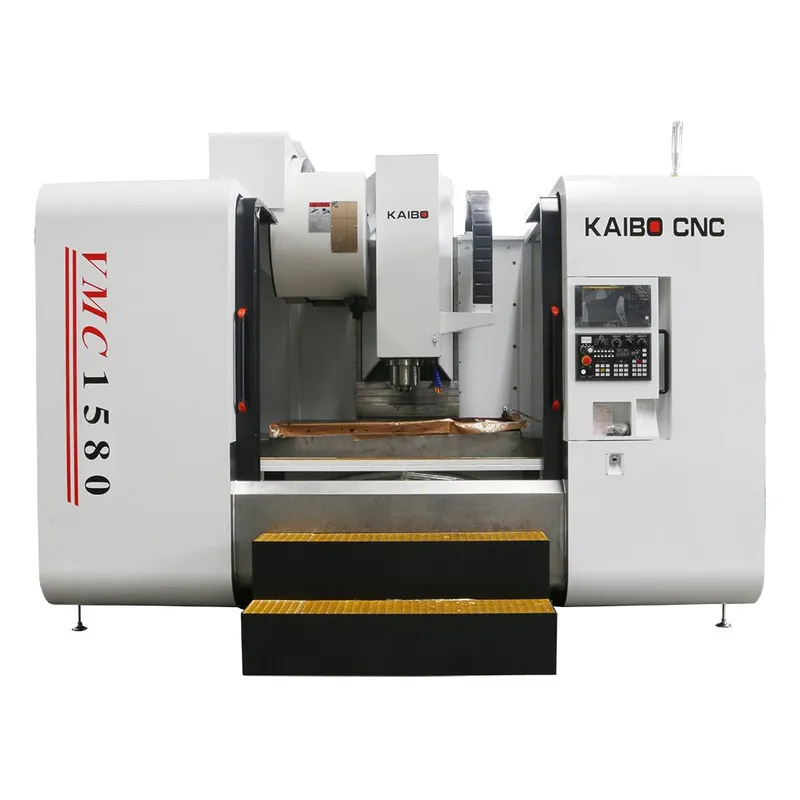
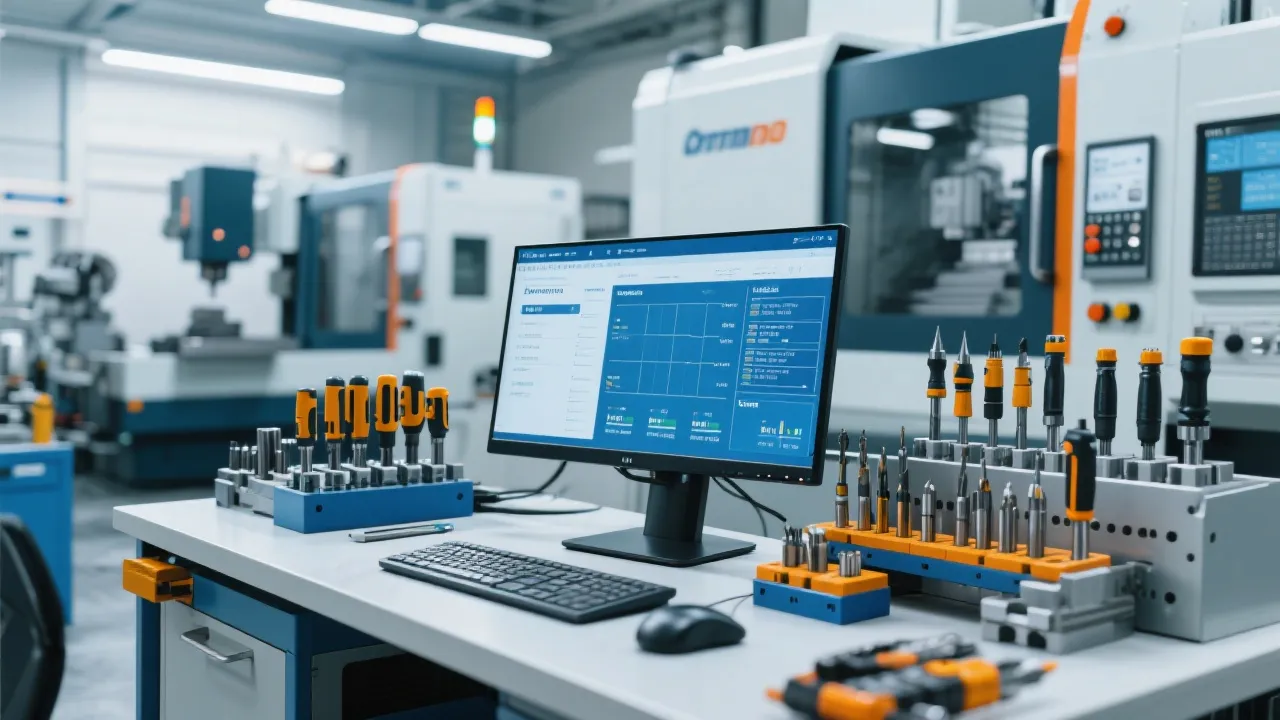
That’s where vertical machining centers (VMCs) with advanced configurations come in. The Kebon CNC FH1890L model, for example, integrates multi-axis heads—including 90° and universal angle heads—that allow operators to switch between complex contouring and deep pocket milling without re-fixturing. This reduces setup time by an average of 35% compared to single-head systems.
The real power lies in the control system. With Mitsubishi’s latest CNC platform, tool path transitions between different spindle orientations happen within 0.8 seconds, minimizing idle time during multi-angle operations. This ensures consistent chip load across all axes—a critical factor when processing graphite at high speeds.
In practical terms, this means higher throughput: one customer reported increasing their hourly output from 12 to 18 parts per hour after upgrading to the FH1890L. More importantly, surface finish improved from 4.5 μm Ra to 2.1 μm Ra—well within industry standards for precision molds and electrode components.
The FH1890L’s extended travel range (X=1800mm, Y=900mm, Z=900mm) supports both roughing and finishing in a single setup. At 1200 rpm and 150 mm/min feed rate, it delivers excellent chip evacuation while maintaining edge integrity—an advantage over conventional machines that struggle with dust accumulation and heat buildup.
For shop floor teams, here’s a quick tip: use the built-in vibration monitoring feature to adjust cutting parameters based on real-time feedback. A simple change from 100 mm/min to 130 mm/min can reduce cycle time by 10%, as long as the machine’s stiffness remains above 85% of baseline.
“What sets the FH1890L apart is how seamlessly it handles complexity—not just raw power.”
— Technical Manager, German EV Battery Manufacturer
If you’re evaluating equipment for your next graphite project, consider what matters most: repeatability, flexibility, and uptime. The FH1890L doesn’t just meet those needs—it exceeds them.







 <#else>





