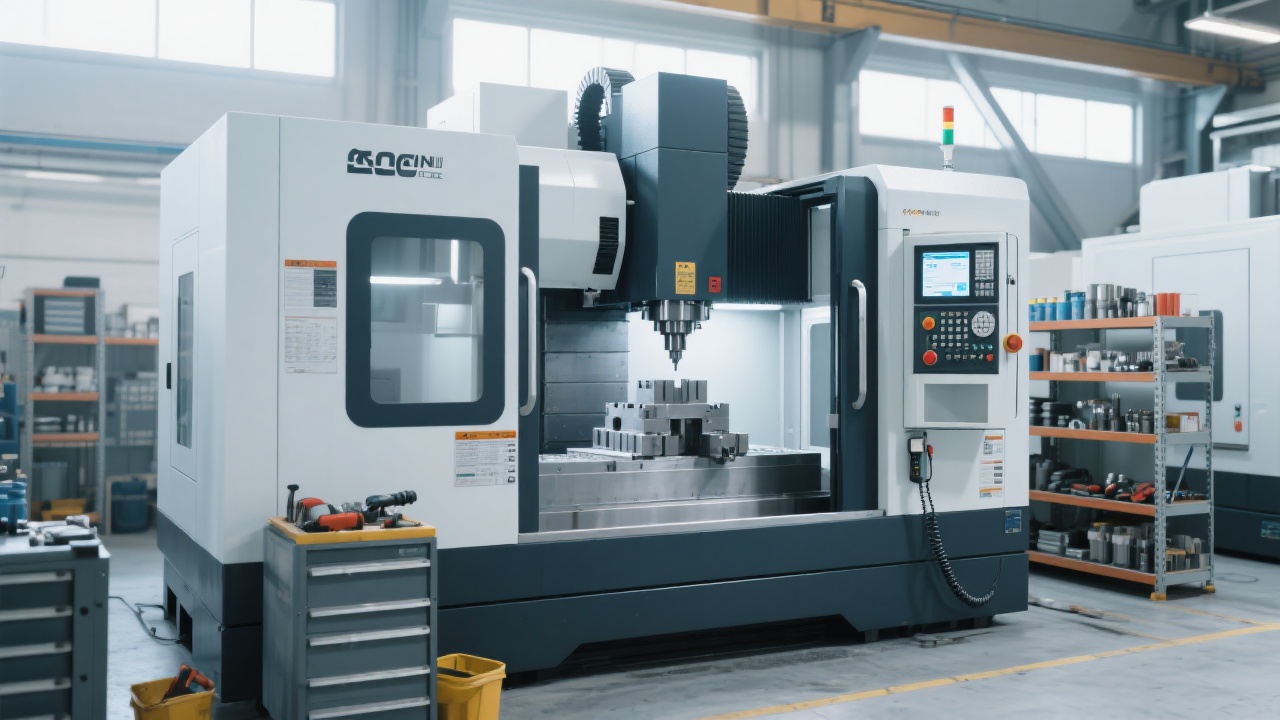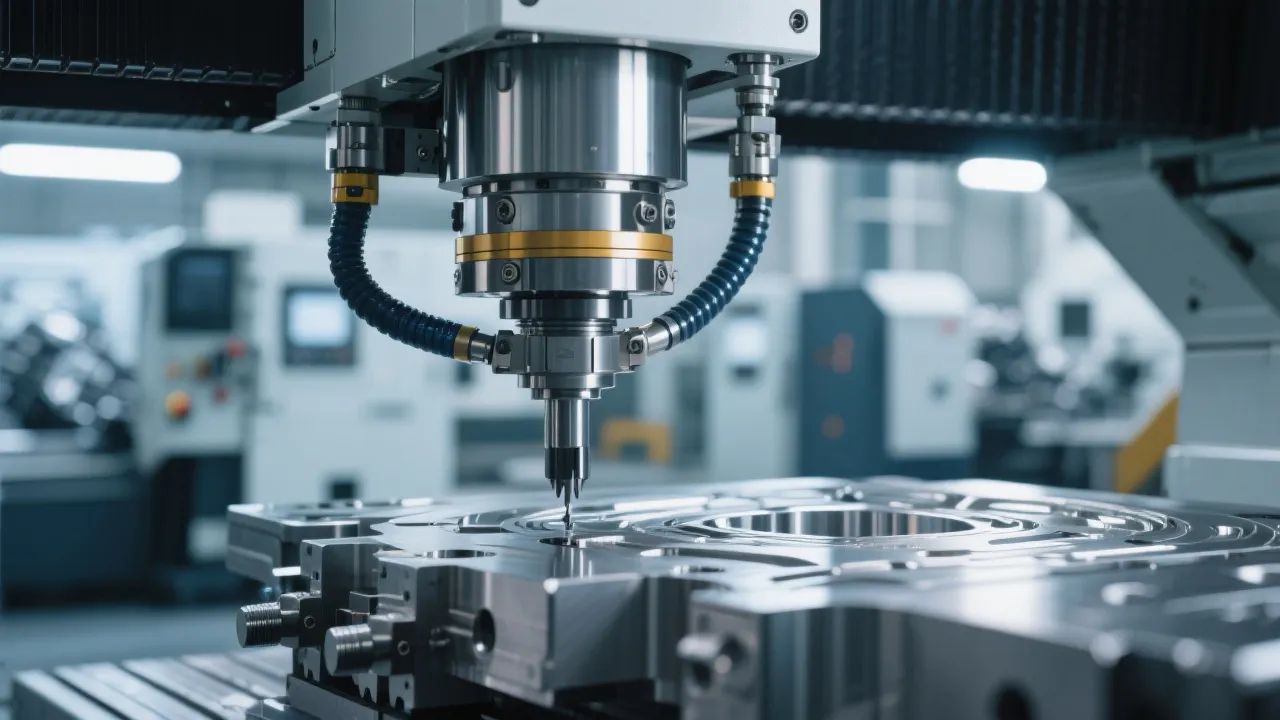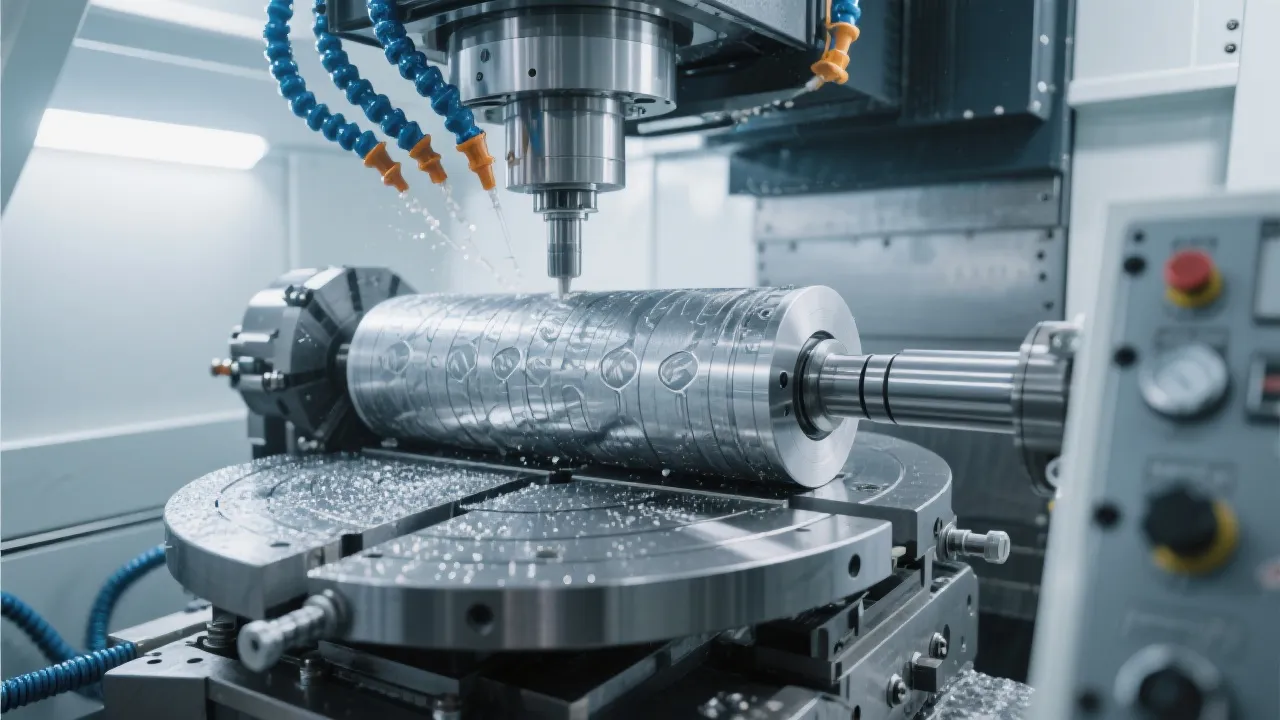
In the competitive world of metal and mold fabrication, the efficiency of vertical machining centers (VMCs) hinges heavily on minimizing non-cutting times, especially tool changes. Tool change duration can account for up to 15-20% of total cycle time, directly impacting production flow and machine utilization rates. For manufacturers targeting lean operations and just-in-time delivery, optimizing tool change mechanisms is essential to maintaining throughput and reducing operational costs.
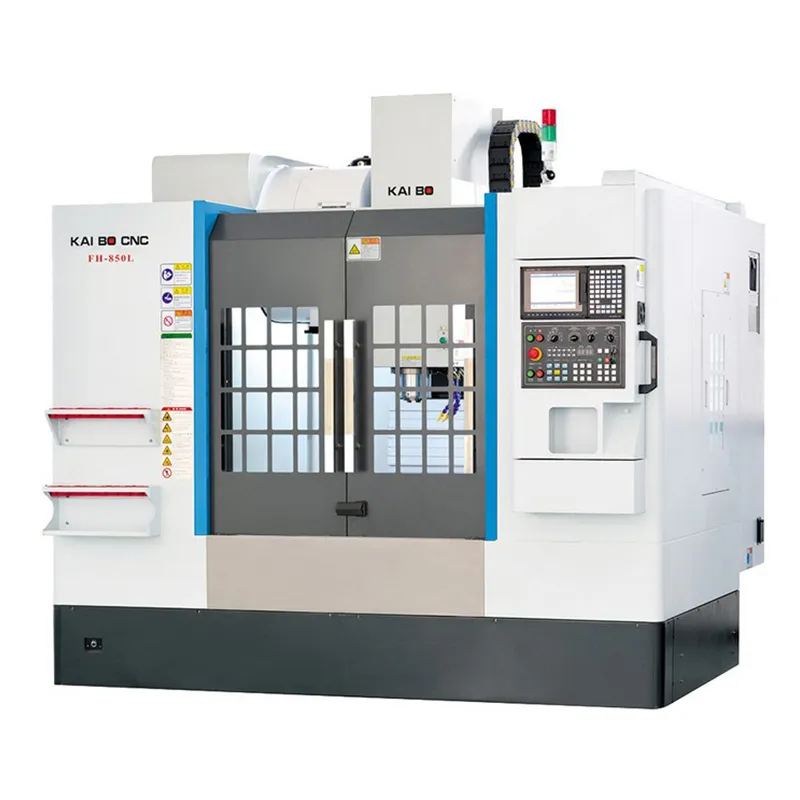
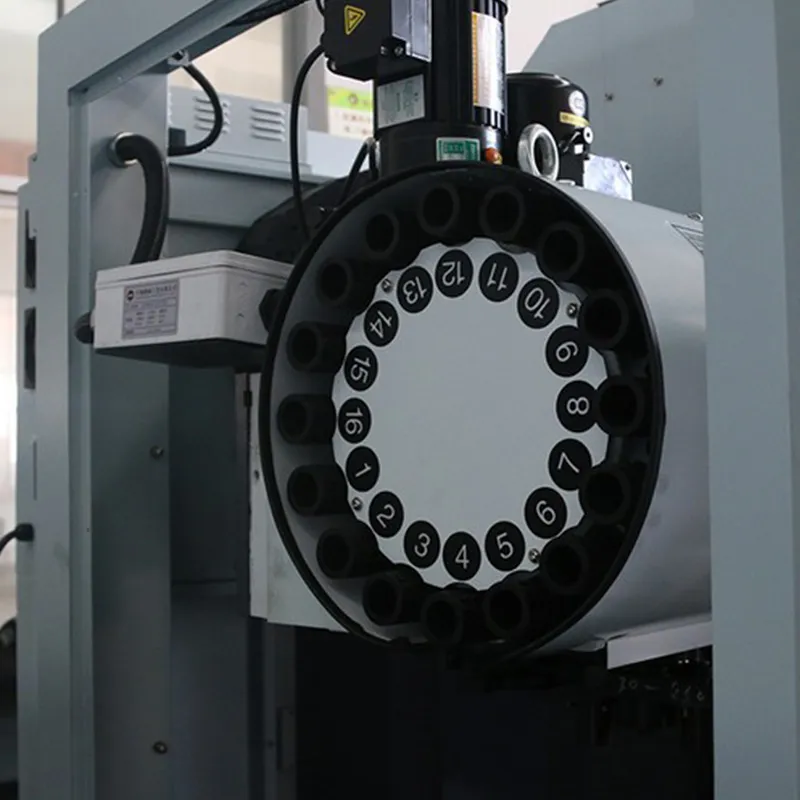
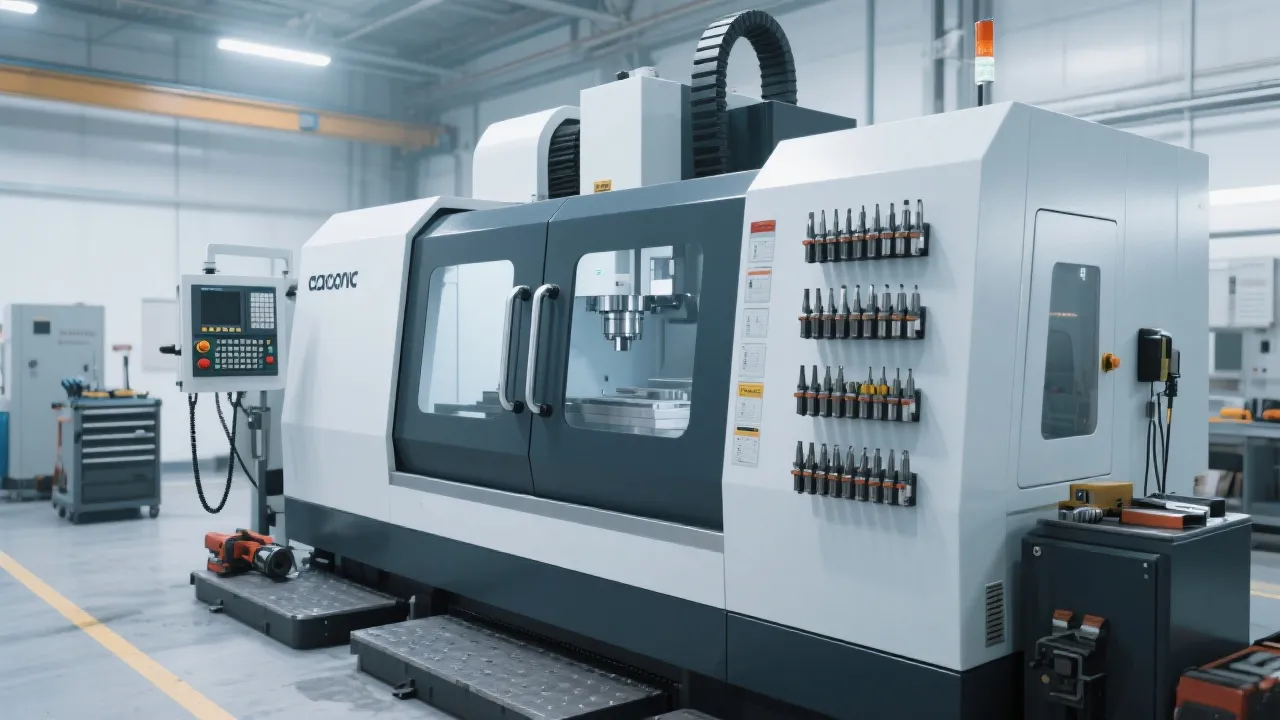
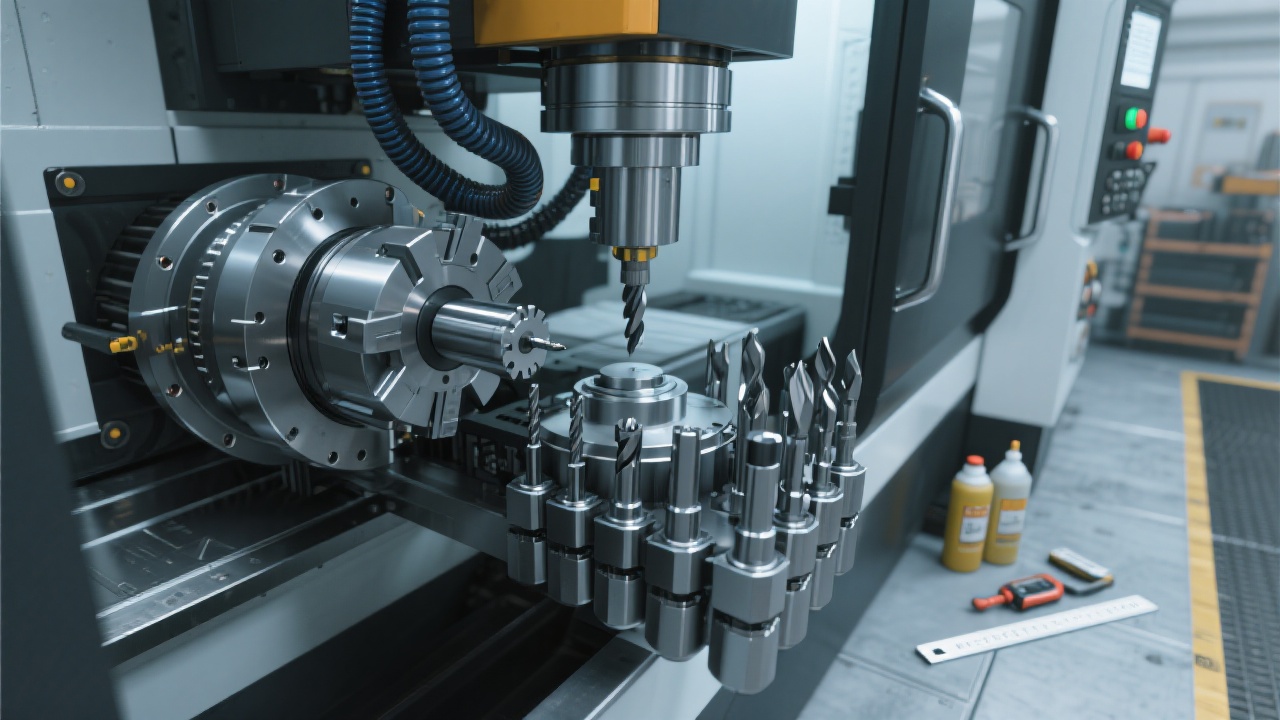
The side-mounted tool magazine (STM) in vertical machining centers distinguishes itself through its compact, streamlined design which places the tool storage carousel alongside the spindle axis rather than above it as in top-mounted or drum-style magazines. This architectural choice inherently shortens tool change paths and simplifies the tool exchange movements.
Unlike traditional top-mounted magazines that require vertical lift and rotation, the STM utilizes lateral rotation, producing less inertia and smoother, balanced actions. The reduced mechanical complexity diminishes wear and increases repeatability — boosting tool change reliability and repeat cycle precision. Also, STM systems typically occupy a smaller machine footprint, granting additional flexibility in shop floor layouts.
Consider a metal stamping factory producing complex molds requiring frequent tool swaps. By transitioning from a top-mounted 24-tool carousel to a side-mounted 30-tool magazine, the company reduced average tool change time from 8 seconds to approximately 6.5 seconds per change, cutting non-cutting time by nearly 20%. This improvement translated into a measurable 7% increase in daily output capacity and higher machine availability.
The STM’s shorter, more direct tool transfer path minimizes mechanical interruptions and lowers the risk of tool pick errors, enabling faster cycle times while maintaining exacting precision. Such capabilities are vital for high-mix, low-volume runs typical in mold manufacturing, where rapid tool access dramatically impacts production agility.
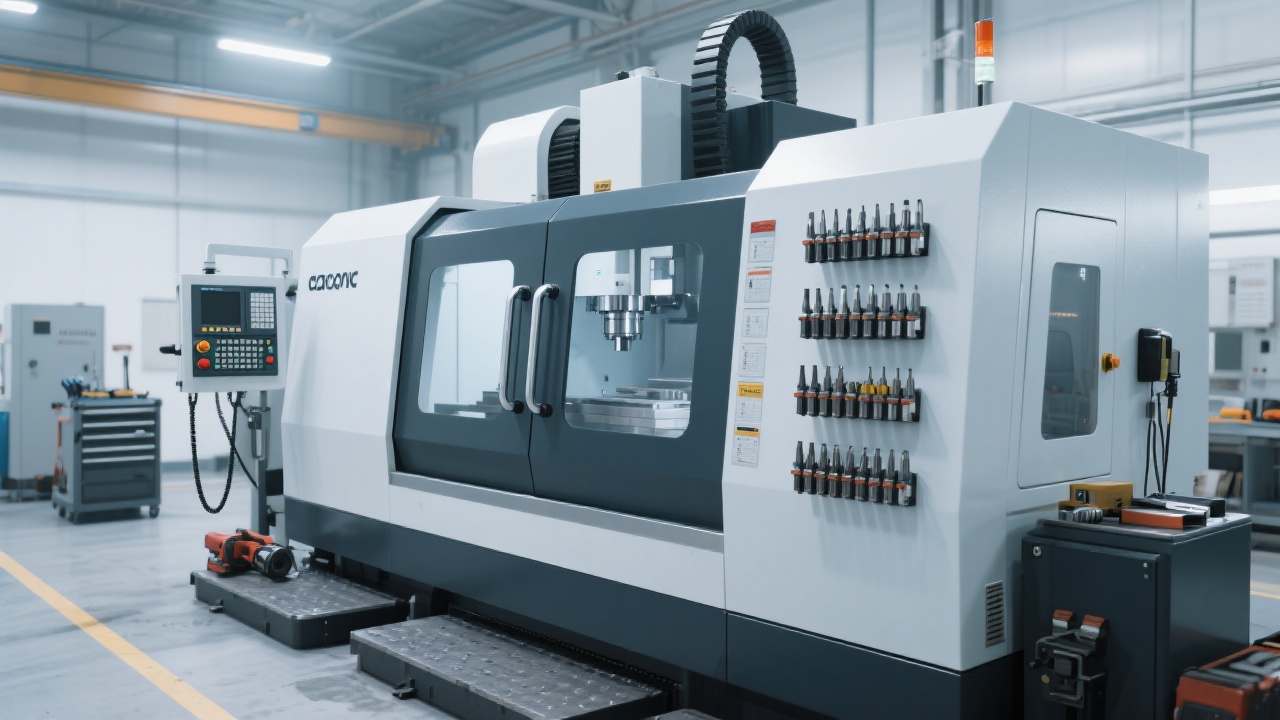
Side-mounted tool magazines often support larger tool capacities (commonly 30-40 tools), allowing broader tool sets to be loaded and ready simultaneously. Effective tool management strategies should leverage this increased capacity by prioritizing tool arrangement based on process sequences to minimize tool retrieval distance.
Implementing predictive tool wear monitoring and just-in-time replenishment further safeguards continuous operation. Regularly reviewing tool allocation and conducting capacity audits ensures balanced load distribution, preventing bottlenecks during high-mix production cycles.
Common STM issues include carousel misalignment, actuator wear, and sensor malfunctions, all of which can degrade tool change precision and timing. Early fault detection relies on routine inspections of mechanical linkages, lubrication checks, and electrical system testing.
Additionally, operator training on handling error alarms and proper tool clamping procedures minimizes human-induced failures. Establishing a preventative maintenance schedule that incorporates calibration verification and component replacement intervals contributes significantly to uptime and tool change consistency.
For metal and mold manufacturers seeking to elevate their machining center throughput, switching to a side-mounted tool magazine is a technically and economically sound decision. Its compact structure, shortened tool change paths, and improved mechanical stability deliver measurable gains in production continuity and machine utilization, addressing one of the most persistent bottlenecks in CNC operations.