
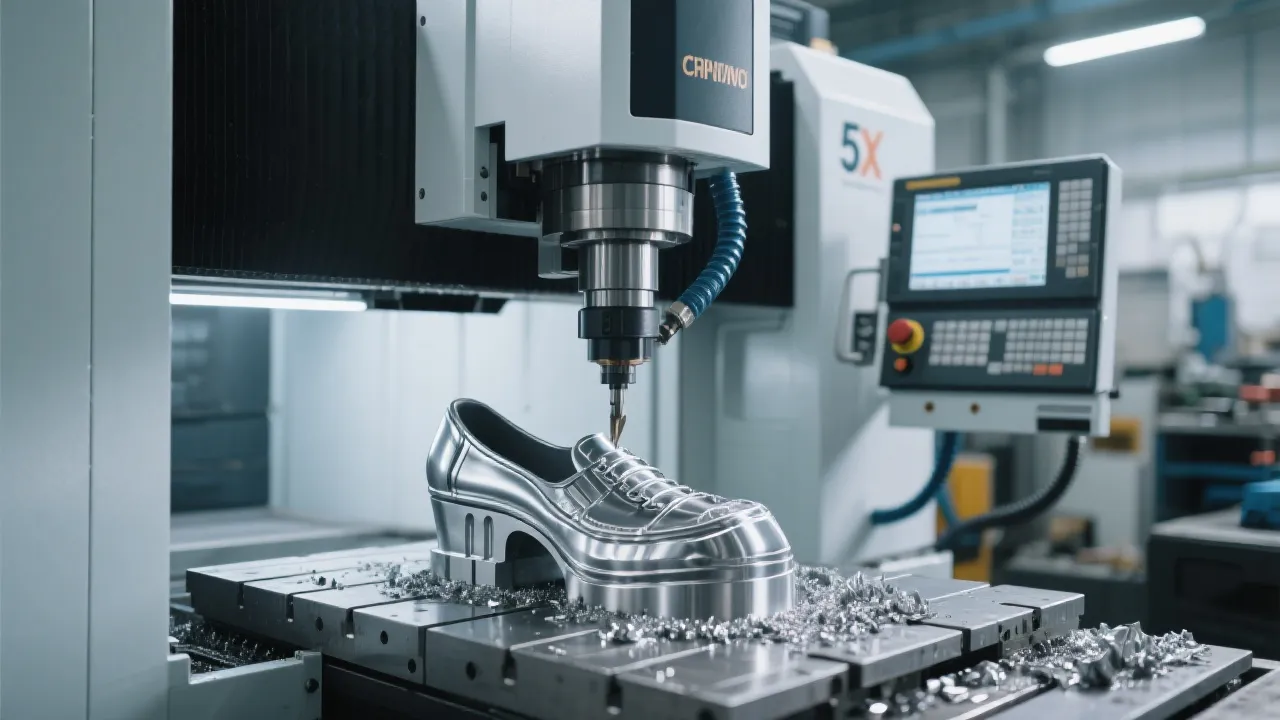
In today’s high-precision manufacturing landscape, heavy workpiece rough milling remains a critical challenge—especially when dealing with materials like graphite, aluminum alloy, and steel. According to industry data from the International Association of Machinists (IAM), up to 40% of machining inefficiencies in large-scale production stem from suboptimal cutting parameters or poor tool maintenance.
Optimizing feed rate, spindle speed, and depth of cut is not just theoretical—it directly impacts tool life, surface finish, and throughput. For instance, a case study at a German aerospace supplier showed that by adjusting the feed per tooth from 0.1 mm/tooth to 0.15 mm/tooth for aluminum alloy, they increased material removal rate by 27% while reducing tool wear by 18%. This kind of precision-driven approach is what separates competent shops from world-class ones.
Using the wrong end mill can lead to premature failure—even if your CNC machine is top-tier. For graphite machining, polycrystalline diamond (PCD) tools are recommended due to their 3x longer lifespan compared to carbide. In contrast, for steel, coated tungsten carbide inserts offer better thermal resistance and reduce vibration-induced chatter by up to 35%, as validated in a 2023 study by the University of Michigan's Manufacturing Research Center.
Heat buildup during prolonged rough milling causes dimensional inaccuracies—especially in long, thin-walled components. One real-world example involved a Chinese mold manufacturer who reduced part deviation from ±0.3mm to ±0.1mm after implementing a hybrid cooling system and adaptive path planning. Similarly, optimizing step-over distances and using dynamic toolpath strategies helped decrease vibration levels by over 40%, improving both safety and repeatability.
Each material demands a tailored strategy:
These methods aren’t just theory—they’re proven in factories across Europe, North America, and Asia, where productivity gains often exceed 20% within three months of implementation.
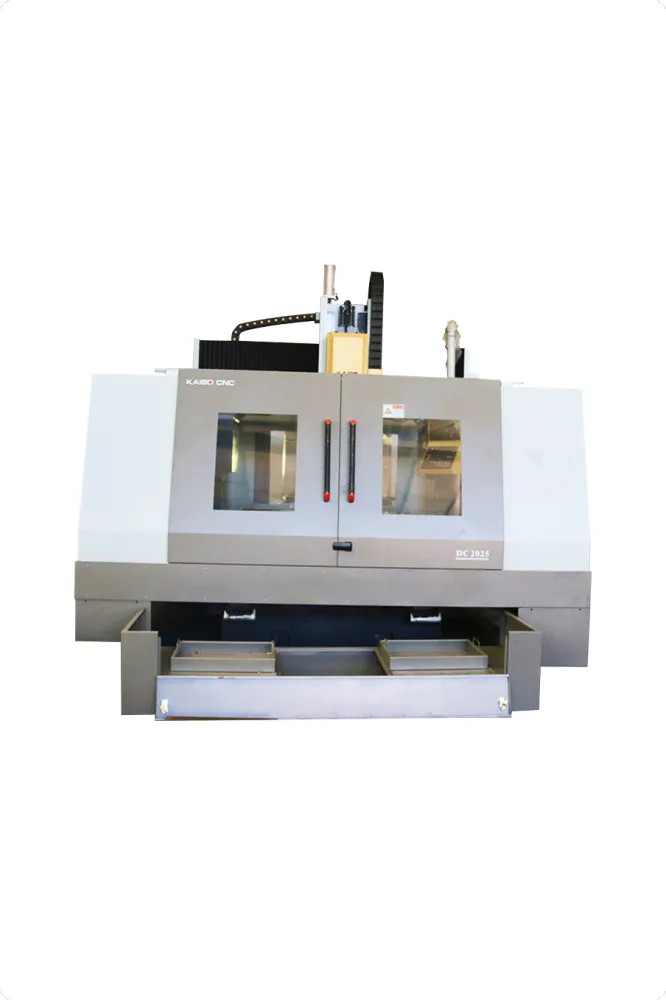
At the heart of efficient heavy-duty milling lies the right machine. The Ningbo Kebor CNC FH1890L High-Cutting-Rate Vertical Machining Center delivers unmatched performance with a 1,890mm travel range, integrated thermal compensation system, and rigid structure designed for minimal deflection under load. With a maximum spindle speed of 12,000 RPM and automatic tool changer capacity for 60 tools, it supports complex multi-step operations without compromising accuracy.
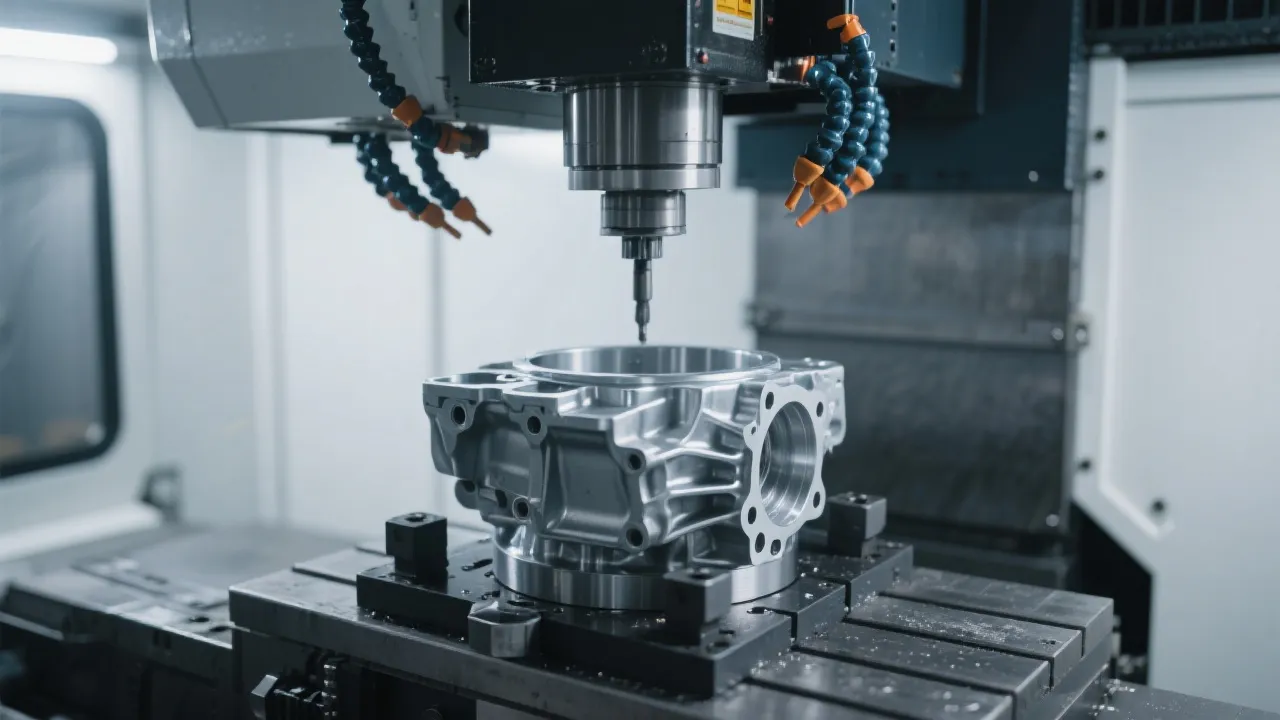
Real Impact: A U.S.-based automotive parts producer reported a 30% increase in output and a 25% drop in scrap rate after switching to FH1890L for rough milling large engine blocks.
If you're looking to boost efficiency, reduce waste, and improve consistency in your heavy workpiece machining, now is the time to explore how advanced equipment and smart process design can deliver measurable results.
Discover the FH1890L Advantage — See How It Works in Real Production





 <#else>





