Comparison of Rough Milling Techniques for Graphite, Aluminum Alloy, and Steel: Tool Selection and Path Planning Strategies

14 12,2025
KAIBO CNC
Application Tips
This article offers an in-depth analysis of key technologies in rough milling of large heavy-duty workpieces, focusing on the comparative study of tool selection and path planning strategies for graphite, aluminum alloy, and steel. By examining cutting parameter optimization, thermal deformation management, and vibration control, the discussion integrates the advanced capabilities of Ningbo Kaibo CNC’s FH1890L high-feedrate large-travel vertical machining center. Practical case studies and expert recommendations are provided to enhance process efficiency and accuracy. The paper bridges theoretical insights with real-world applications, delivering material-specific machining techniques and tailored path planning solutions that support engineers in overcoming complex processing challenges and achieving high-quality, efficient rough milling.

Machining Strategies for Graphite, Aluminum Alloy, and Steel: Optimizing Rough Milling Techniques

Rough milling large, heavy-duty workpieces presents unique technical challenges that vary significantly depending on the material. Graphite, aluminum alloy, and steel each require tailored approaches concerning cutting tool selection, cutting parameters, and machining path planning to maximize efficiency and precision. This article examines advanced rough milling methods for these three critical materials, leveraging the capabilities of Ningbo Kaibo CNC Machinery Co., Ltd.'s FH1890L vertical machining center, known for its high cutting rates and extended travel range.

1. Key Considerations in Rough Milling Heavy-Duty Workpieces

Rough milling aims to rapidly remove large volumes of material while maintaining dimensional accuracy and surface integrity for subsequent finishing processes. Primary challenges include managing thermal deformation, controlling machining vibrations, and optimizing cutting parameters such as feed rate and spindle speed. For heavy-duty pieces, especially those with long travel distances like the FH1890L's X-axis stroke exceeding 1800mm, machining stability and tool durability become decisive factors in process success.

2. Material-Specific Machining Strategies

2.1 Graphite

Graphite's brittleness and high abrasiveness demand special tooling and parameter considerations:

  • Tool selection: Use diamond-coated or tungsten carbide tools with high wear resistance to counteract graphite's abrasive nature.
  • Cutting parameters: Moderate spindle speeds around 8000–12000 RPM help achieve optimal chip removal without inducing excessive heat.
  • Path planning: Employ shallow depth cuts (0.5–1 mm) combined with high feed rates to minimize tool load and reduce chipping risk.
  • Vibration control: The machine’s rigid structure, like that of FH1890L, is critical for vibration damping and surface finish improvement.

Graphite rough milling benefits significantly from a balance of high cutting speed and controlled depth to prevent lamination fractures and ensure longer tool life.

2.2 Aluminum Alloy

Aluminum alloys, known for their ductility and thermal conductivity, require another approach:

  • Tool selection: Employ high-speed steel (HSS) or coated carbide tools with polished flute designs to prevent built-up edge formation.
  • Cutting parameters: Use high spindle speeds (up to 15,000 RPM) with moderate feed rates to accelerate chip evacuation.
  • Path planning: Optimize tool paths with trochoidal milling to maintain consistent tool engagement and reduce heat accumulation.
  • Heat management: Aluminum’s high thermal conductivity aids heat dissipation, allowing for more aggressive cutting without excessive thermal deformation.

The FH1890L’s high-speed spindle and efficient coolant system enable stable processing of large aluminum parts with minimal deformation, ensuring precision.

2.3 Steel

Steel machining involves handling higher hardness and heat generation:

  • Tool selection: Use solid carbide or coated inserts with advanced wear-resistant coatings like TiAlN for high thermal stability.
  • Cutting parameters: Typically, lower spindle speeds (500–1500 RPM) paired with higher feed and depth of cut optimize material removal.
  • Path planning: Incorporate trochoidal and zigzag strategies to balance cutting forces and extend tool life.
  • Thermal deformation control: The FH1890L’s robust construction reduces thermal displacement, improving dimensional accuracy during prolonged steel milling.

Using controlled coolant application and maintaining chip load within recommended ranges (typically 0.1–0.3 mm/tooth) is essential to prevent premature tool wear and surface damage.

3. Cutting Parameter Optimization & Path Planning

Optimizing cutting parameters and tool paths tailored to material properties is integral to maximizing productivity and product quality.

Material Recommended Spindle Speed (RPM) Feed Rate (mm/min) Depth of Cut (mm) Tool Type
Graphite 8,000 - 12,000 1000 - 2500 0.5 - 1.0 Diamond-coated Tungsten Carbide
Aluminum Alloy 10,000 - 15,000 2000 - 4000 1.0 - 3.0 High-Speed Steel or Coated Carbide
Steel 500 - 1,500 800 - 1500 3.0 - 5.0 Solid Carbide with TiAlN Coating

Path planning should prioritize minimizing abrupt tool direction changes and maintaining consistent chip load. Advanced CAM software integrated with the FH1890L enables dynamic path optimization, reducing cycle time by up to 15% compared to traditional linear roughing.

4. Leveraging FH1890L Vertical Machining Center for Industrial Edge

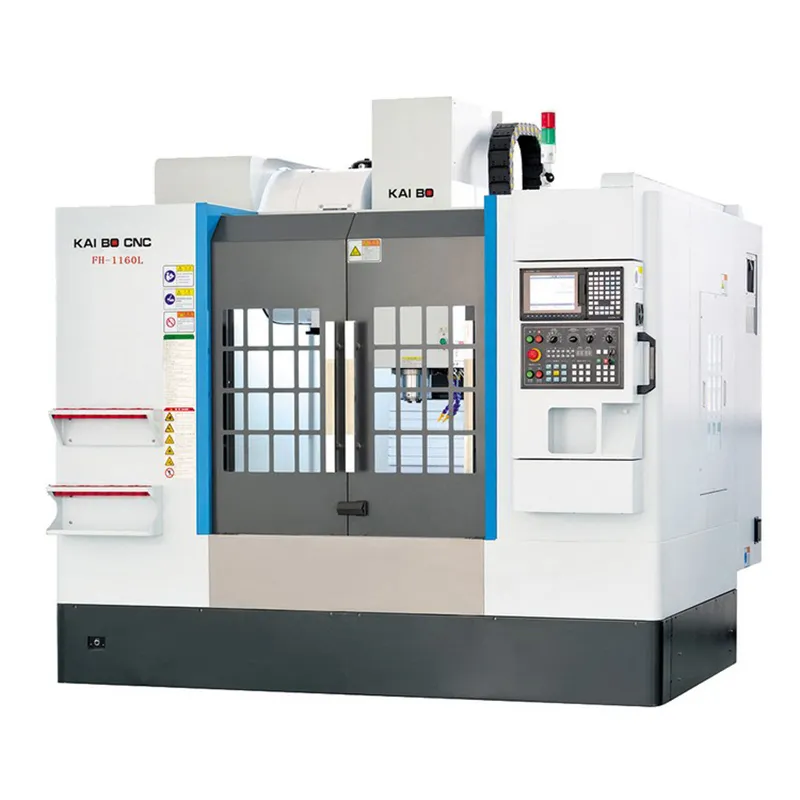
The FH1890L model stands out with its high cutting rate and long travel capability, integral for processing large, heavy-duty workpieces. Its rigid cast iron structure, combined with a high-precision linear guide system, effectively suppresses vibration and thermal distortion.

Moreover, its advanced spindle design supports speeds up to 20,000 RPM, enabling flexible transitions between different materials such as graphite and aluminum alloy without compromising tool life or surface finish.

Real-world case studies report up to a 25% increase in rough milling throughput and a 30% reduction in tool wear when applying optimized cutting parameters on the FH1890L platform.

Industry Tip: When machining steel parts exceeding 1000mm in length, maintain coolant temperature below 30°C to avoid thermal expansion influencing tolerances. The FH1890L’s integrated temperature-controlled coolant system simplifies this critical step.

5. Future Directions in Rough Milling Technology

Additive hybrid manufacturing, AI-driven real-time parameter adjustments, and improved tool material coatings are reshaping the rough milling landscape. Equipment like the FH1890L, adaptable and continuously upgradeable, is positioned to incorporate these advancements, ensuring sustained competitiveness for manufacturers.
Name *
Email *
Message*

Recommended Products

<#if (articleDetails.articleDetailsRelatedArticles.articleList?has_content)?? && (articleDetails.articleDetailsRelatedArticles.articleList?size>0)> <#if (articleDetails.articleDetailsRelatedArticles.isShow)?? && articleDetails.articleDetailsRelatedArticles.isShow> <#if (articleDetails.articleDetailsRelatedArticles.title)?? && articleDetails.articleDetailsRelatedArticles.title!="">

${articleDetails.articleDetailsRelatedArticles.title}

<#list articleDetails.articleDetailsRelatedArticles.articleList as list>
<#if (list.imgUrl?has_content)?? && (list.imgUrl?has_content)> ${list.imgAlt} <#else> img

${list.title}

${(list.updateTime)?number_to_datetime?string('dd MM ,yyyy')}
Contact us
Contact us
https://shmuker.oss-cn-hangzhou.aliyuncs.com/tmp/temporary/60ec5bd7f8d5a86c84ef79f2/60ec5bdcf8d5a86c84ef7a9a/thumb-prev.png

