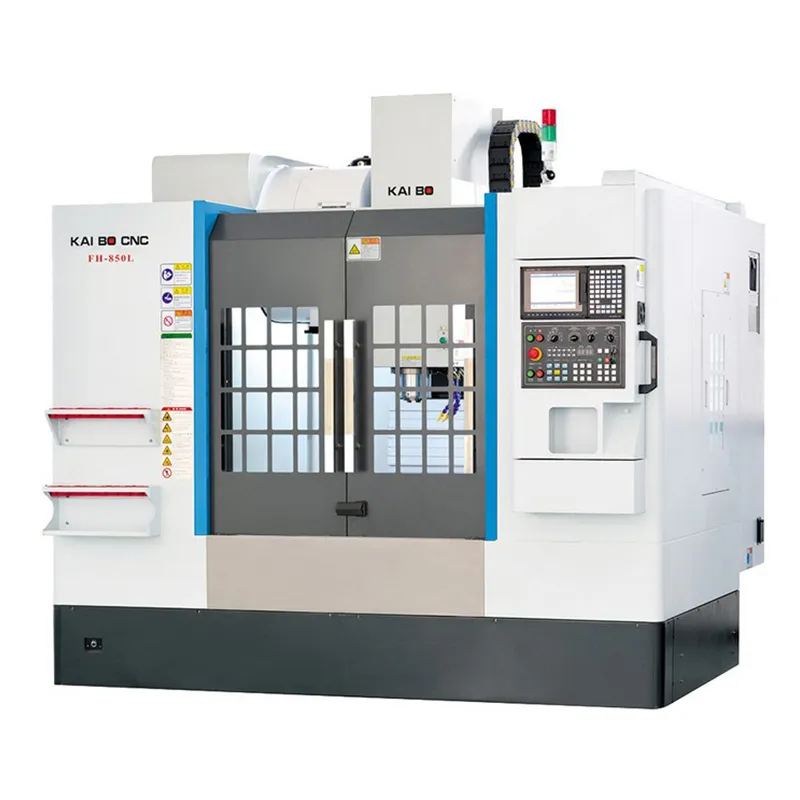
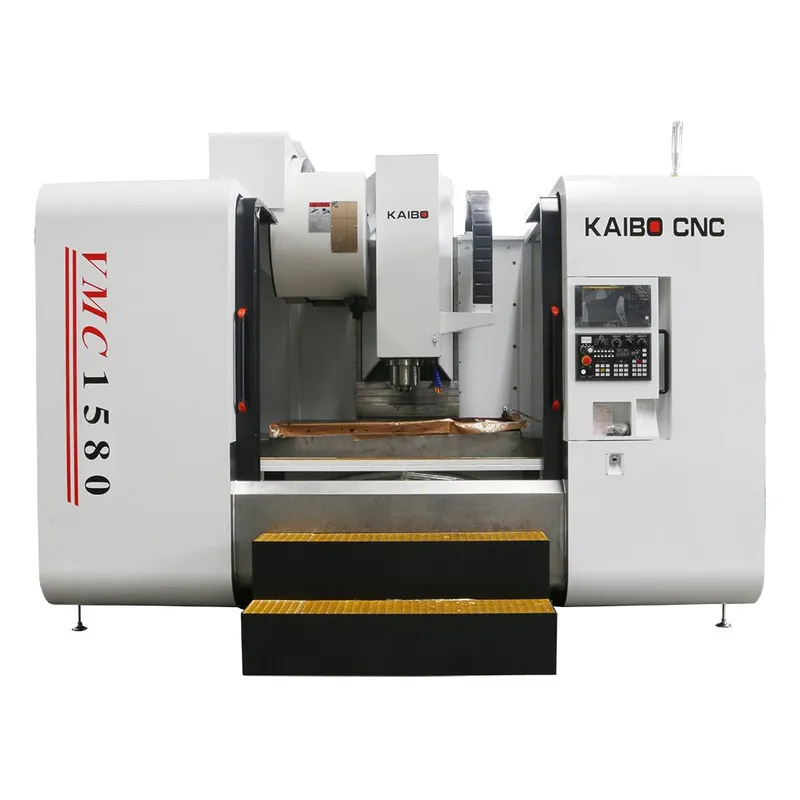
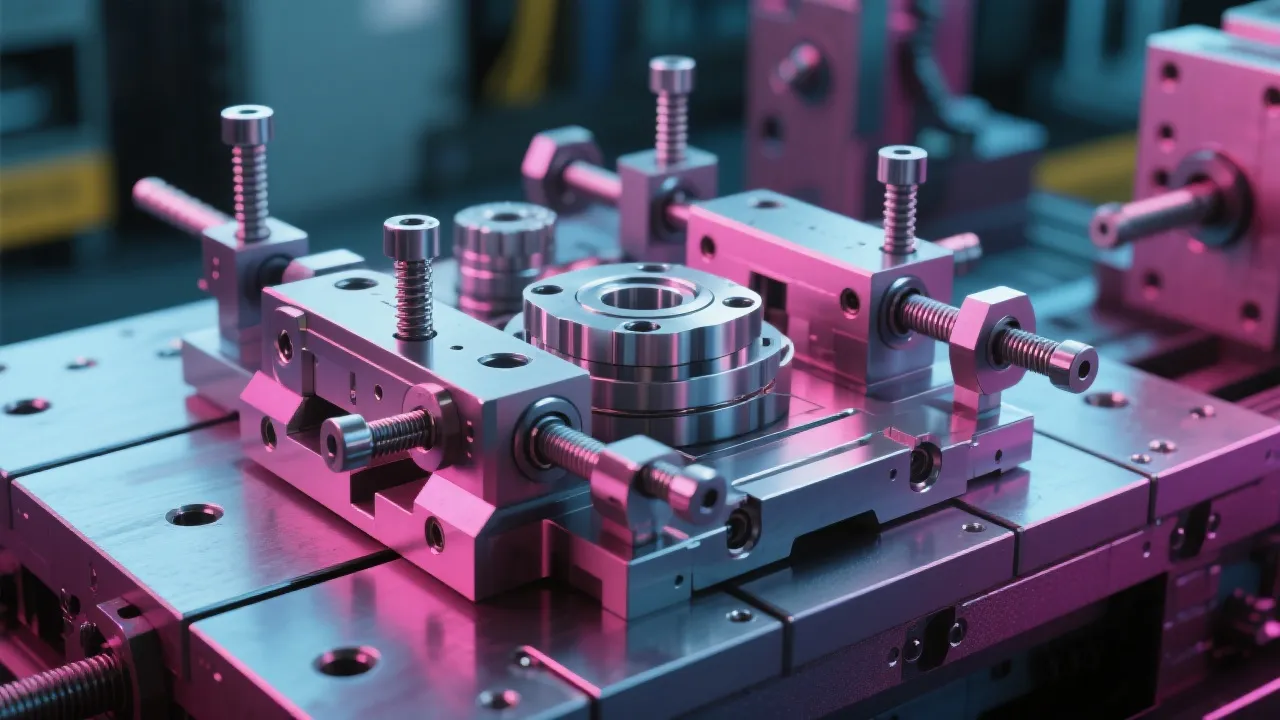
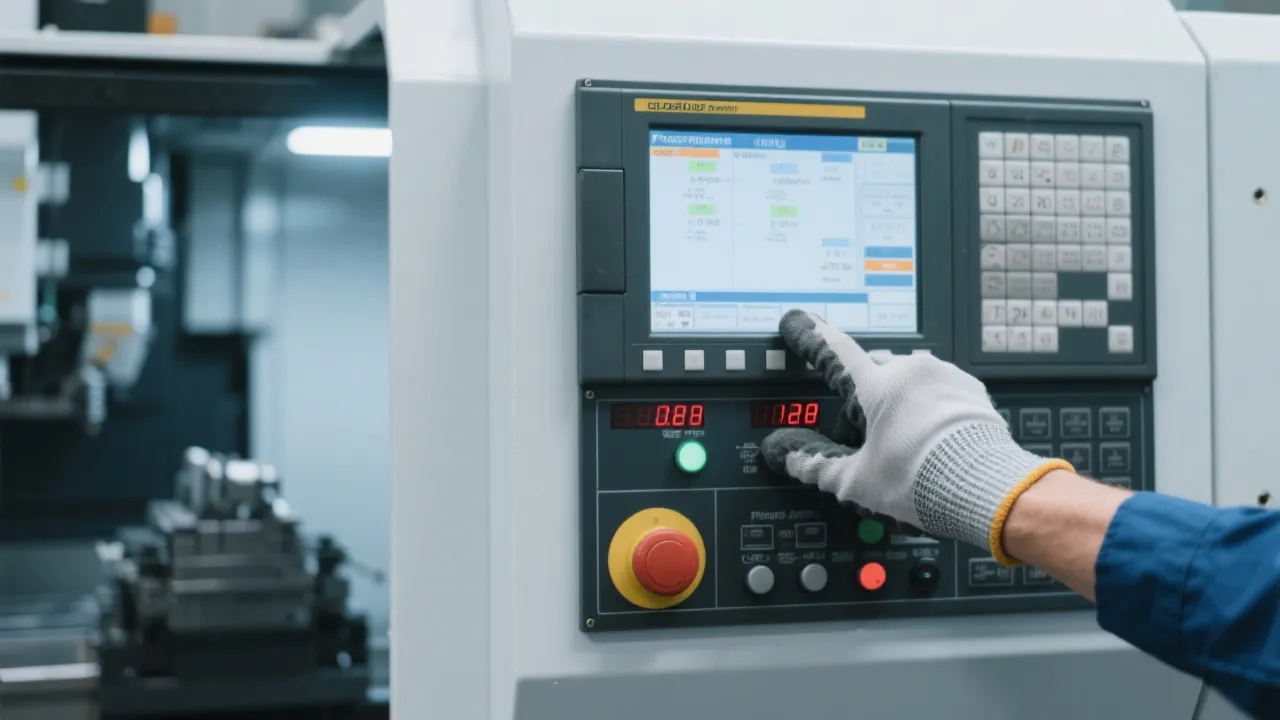
When it comes to large-volume, heavy-duty milling—especially in industries like aerospace, automotive, and mold-making—the devil is truly in the details. Choosing the wrong tool, path, or cooling method can turn a high-precision job into costly rework. This guide dives deep into how material differences (stone graphite, aluminum alloy, and steel) impact your machining strategy—and how modern CNC platforms like the KaiBo FH1890L High-Cut Rate Vertical Machining Center are changing the game.
Let’s start with real-world data:
These aren’t just numbers—they’re decisions that affect tool wear, surface finish, and cycle time. For instance, one manufacturer reduced tool change frequency by 40% simply by switching from uncoated to TiAlN-coated end mills when machining aluminum—a win for both productivity and cost control.
In heavy milling, path planning isn’t optional—it’s foundational. Consider this:
“A zigzag path on steel increases vibration by up to 35% compared to a spiral ramp-in approach.” — *Machining Handbook, 2023*
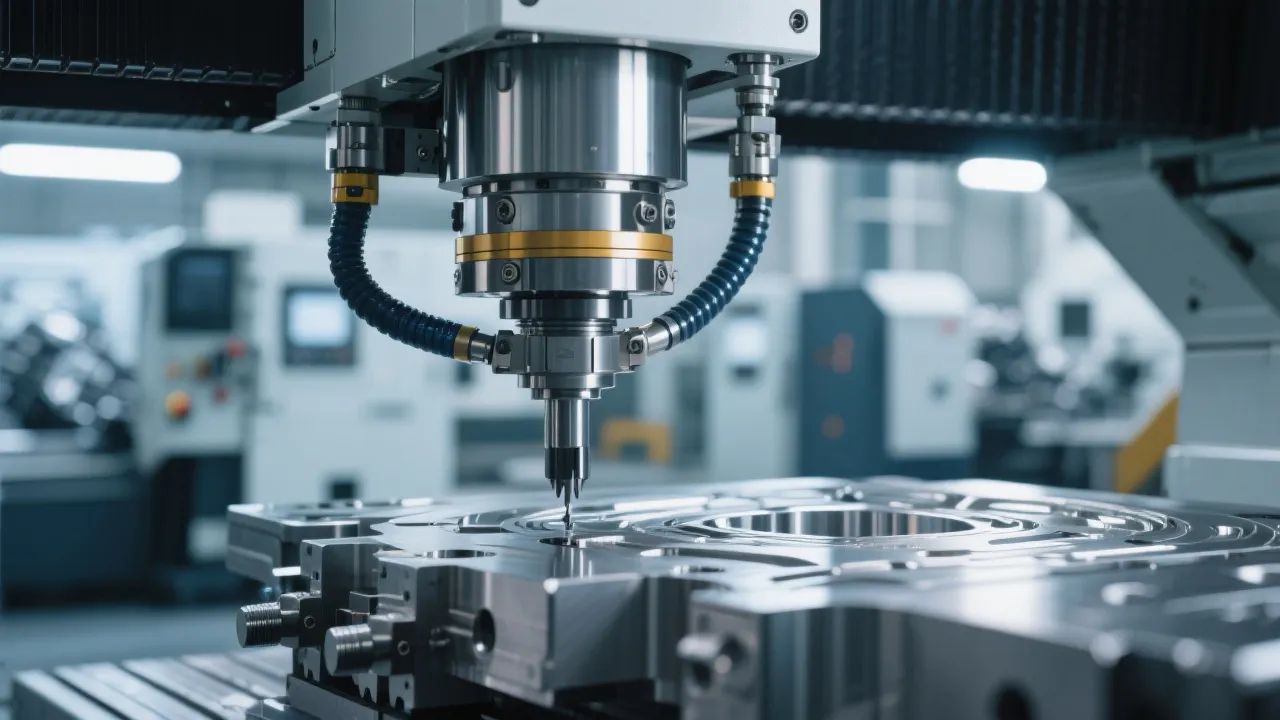
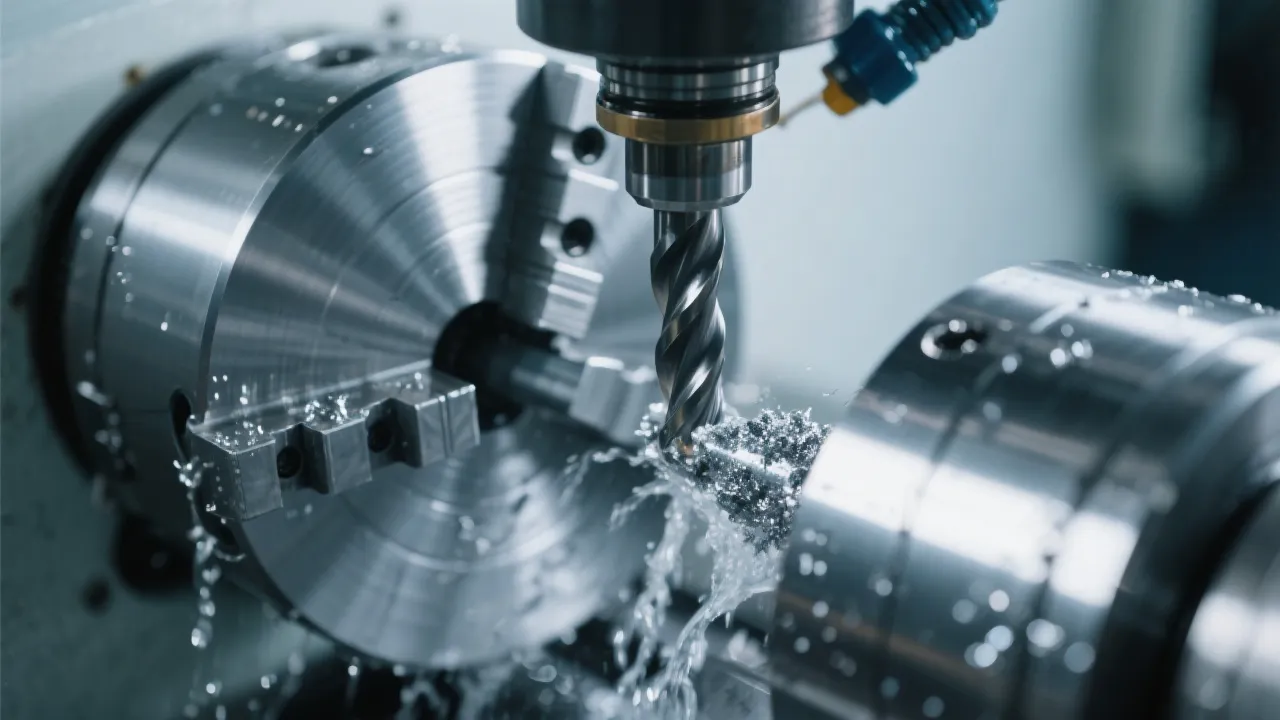
For graphite, use shallow depths of cut (0.5–1 mm) with high feed rates to avoid chipping. Aluminum benefits from trochoidal milling to minimize tool engagement and heat. Steel? Go with climb milling and step-down strategies to reduce chatter and extend tool life.
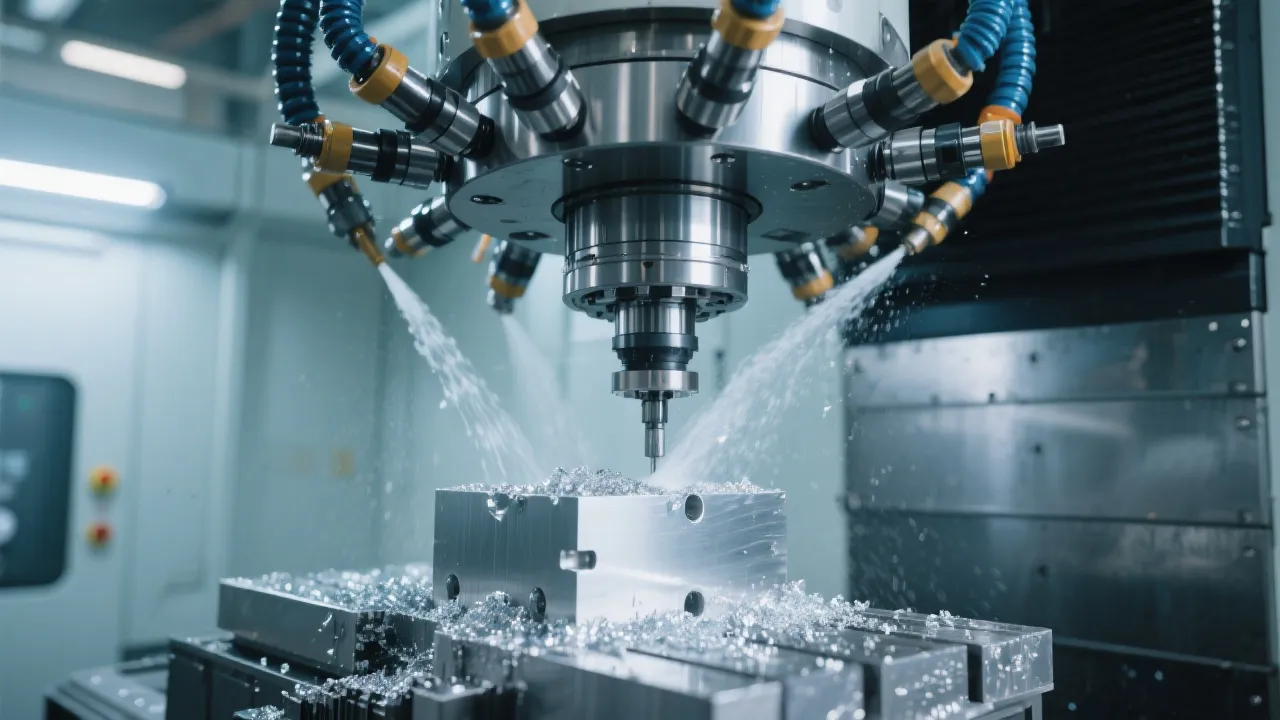
Heat and vibration are the silent killers of precision. In a study of 50+ heavy-duty shops, over 60% reported improved dimensional accuracy after implementing minimum quantity lubrication (MQL) instead of flood coolant. Why?
Also, don’t overlook spindle balancing. A 5g imbalance in a 10k RPM operation can cause up to 0.05mm deviation over 10 minutes—a red flag for any tight-tolerance part.
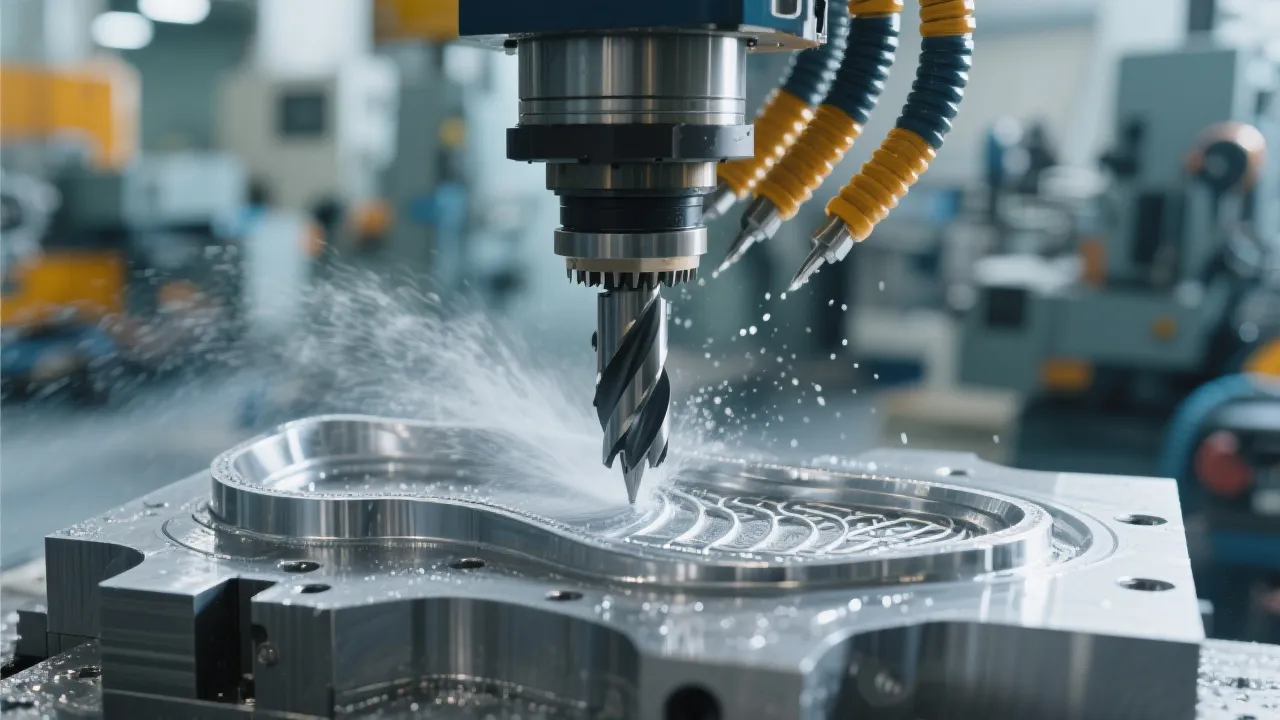
A European mold maker was struggling with inconsistent finishes on steel molds. After analyzing their setup, they switched from conventional roughing to adaptive clearing using a 12mm ball nose end mill on a KaiBo FH1890L machine. Result? Reduced cycle time by 27%, eliminated manual finishing passes, and achieved Ra ≤ 3.2 µm consistently across all batches.
This wasn’t magic—it was smart process design. And it shows why investing in the right platform matters as much as optimizing parameters.
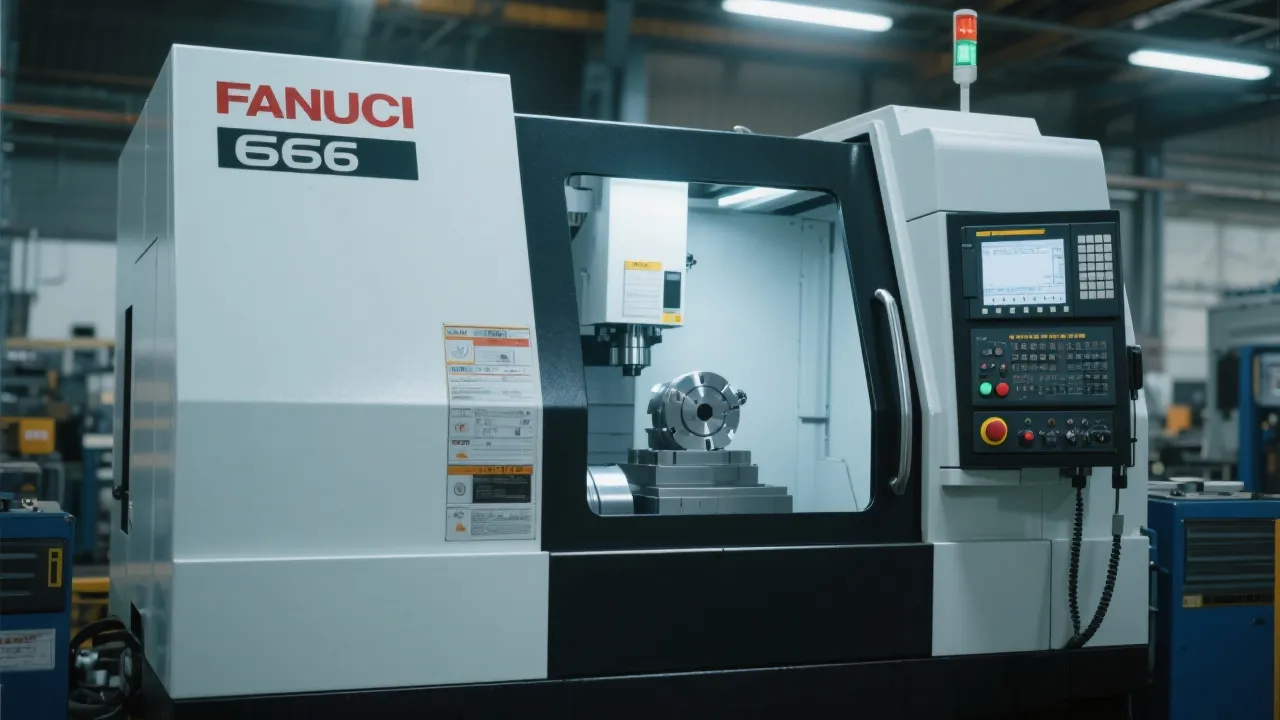
The KaiBo FH1890L offers high rigidity, large travel (X: 1800mm / Y: 900mm / Z: 900mm), and integrated thermal compensation—ideal for demanding applications where stability meets efficiency.
Explore the FH1890L's Full Capabilities →Whether you're refining an existing process or designing a new one, understanding these fundamentals will help you make smarter choices—not just faster ones. And remember: the best machines amplify good practices, not replace them.