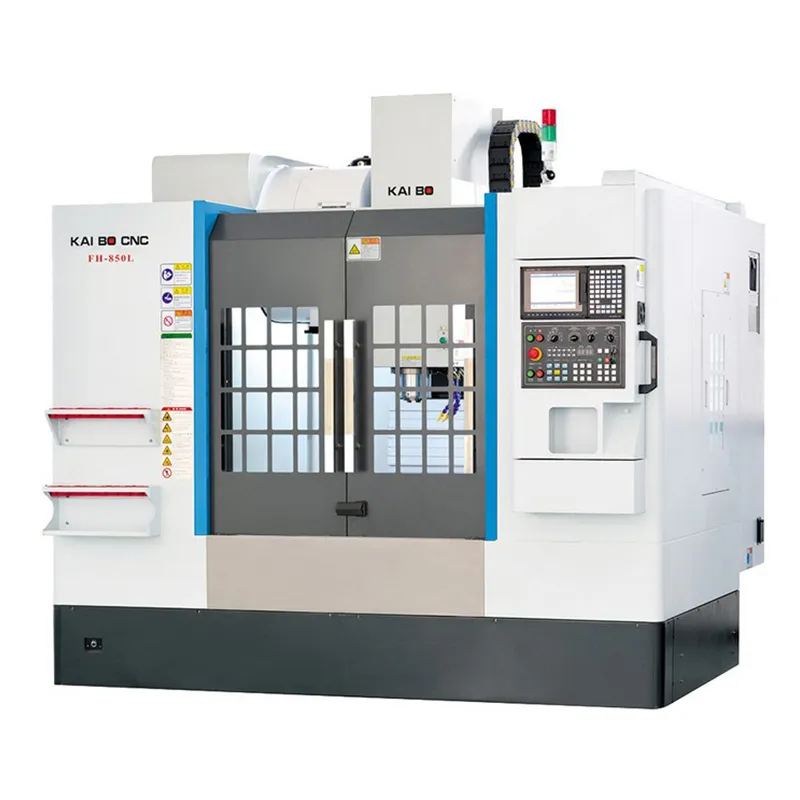
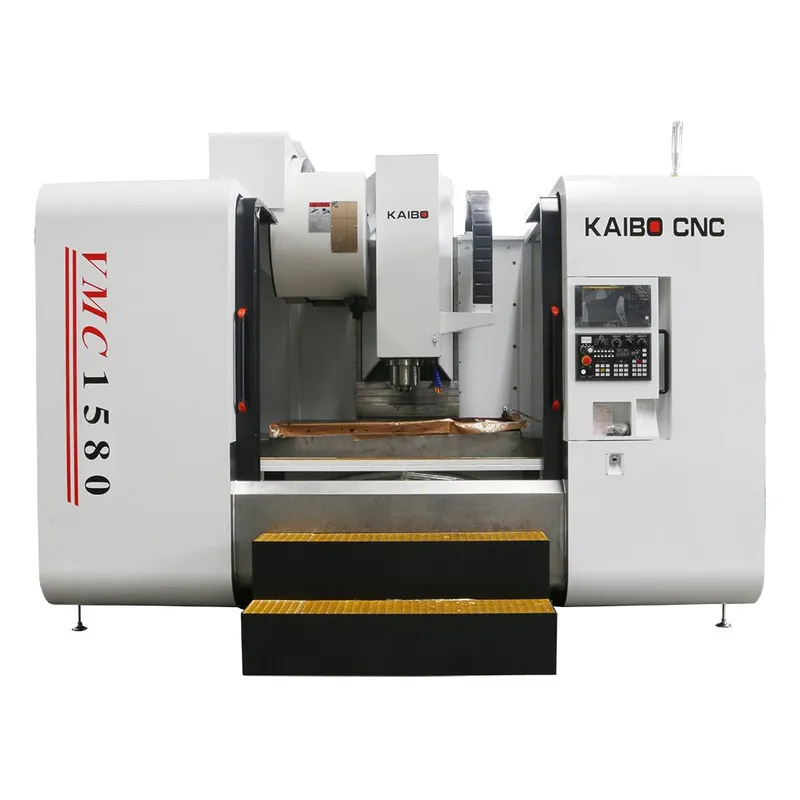
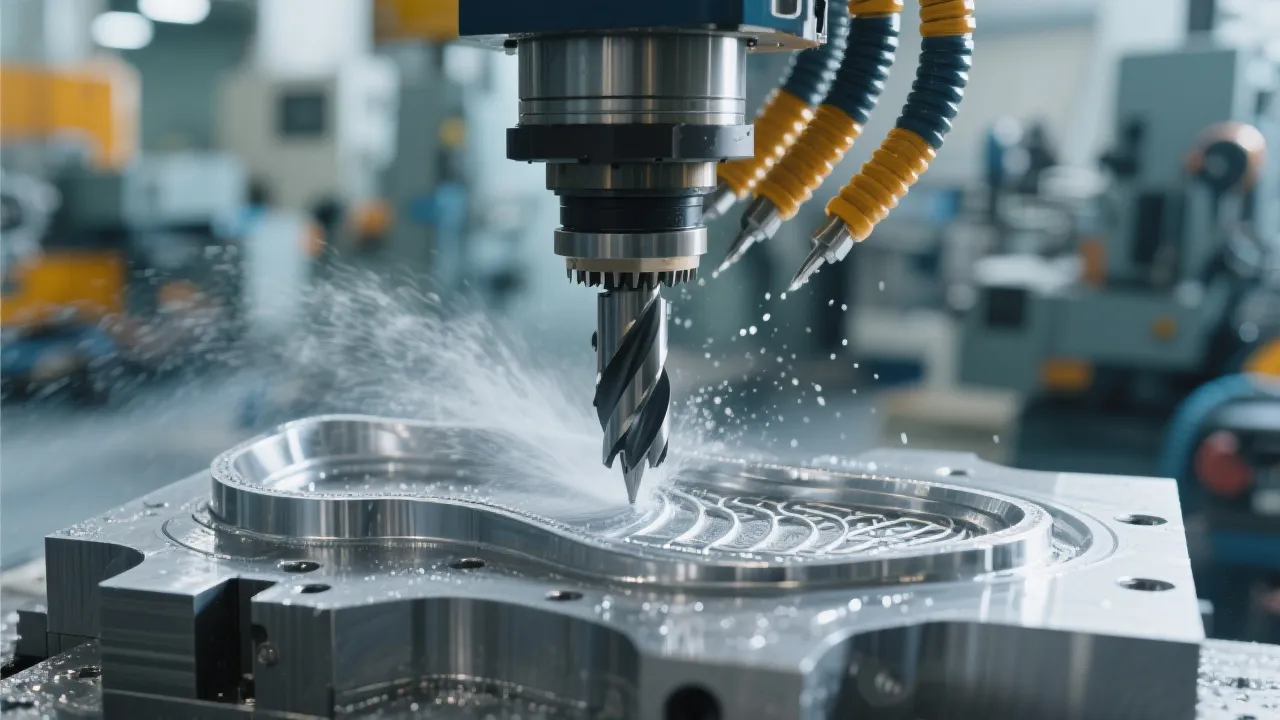
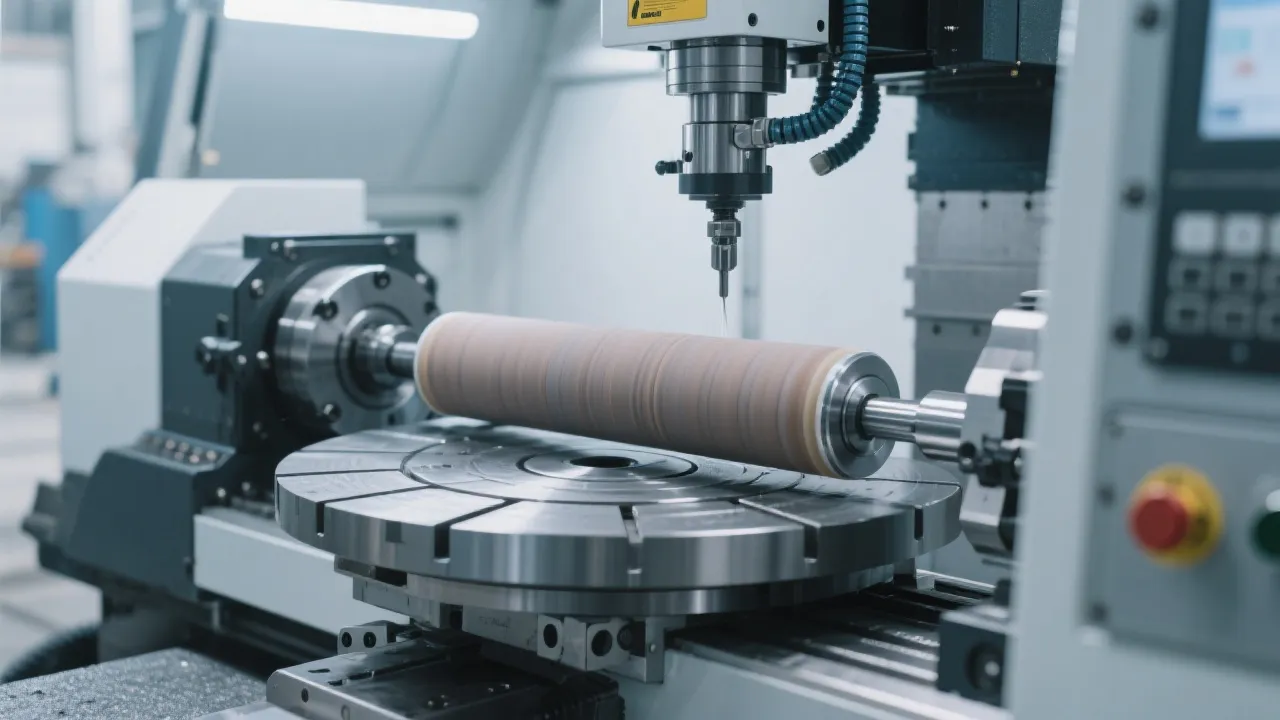
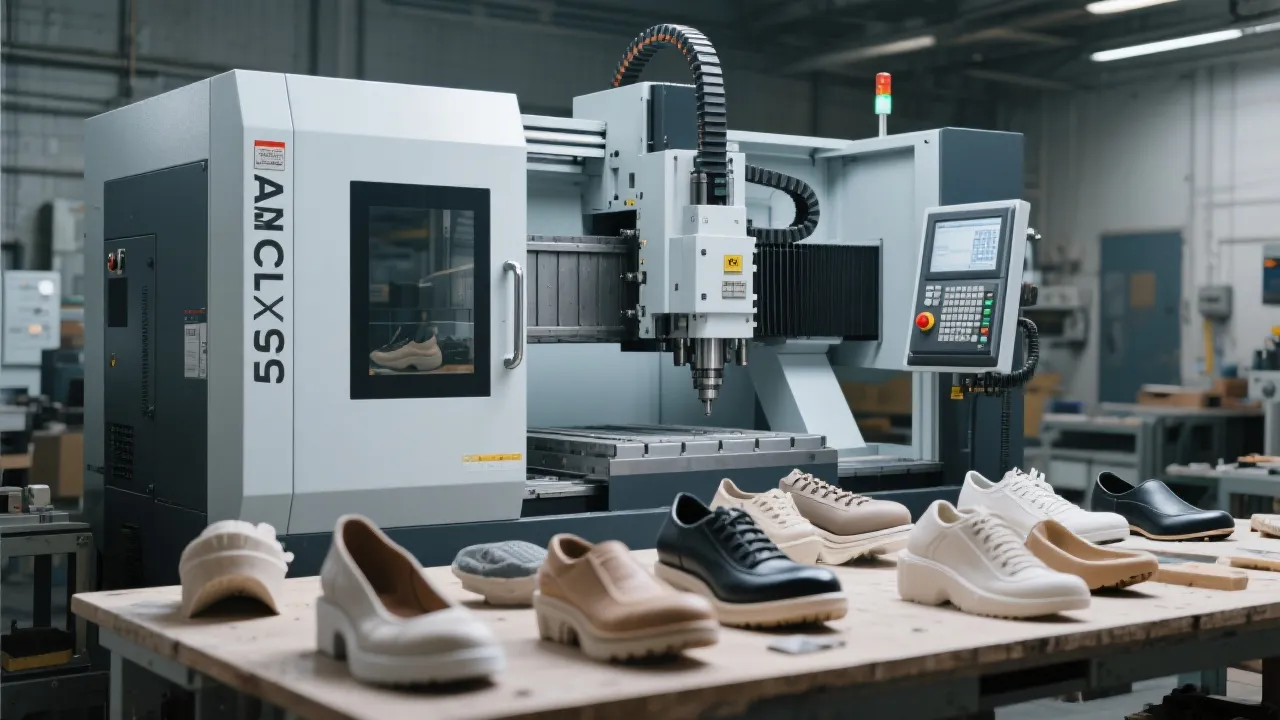
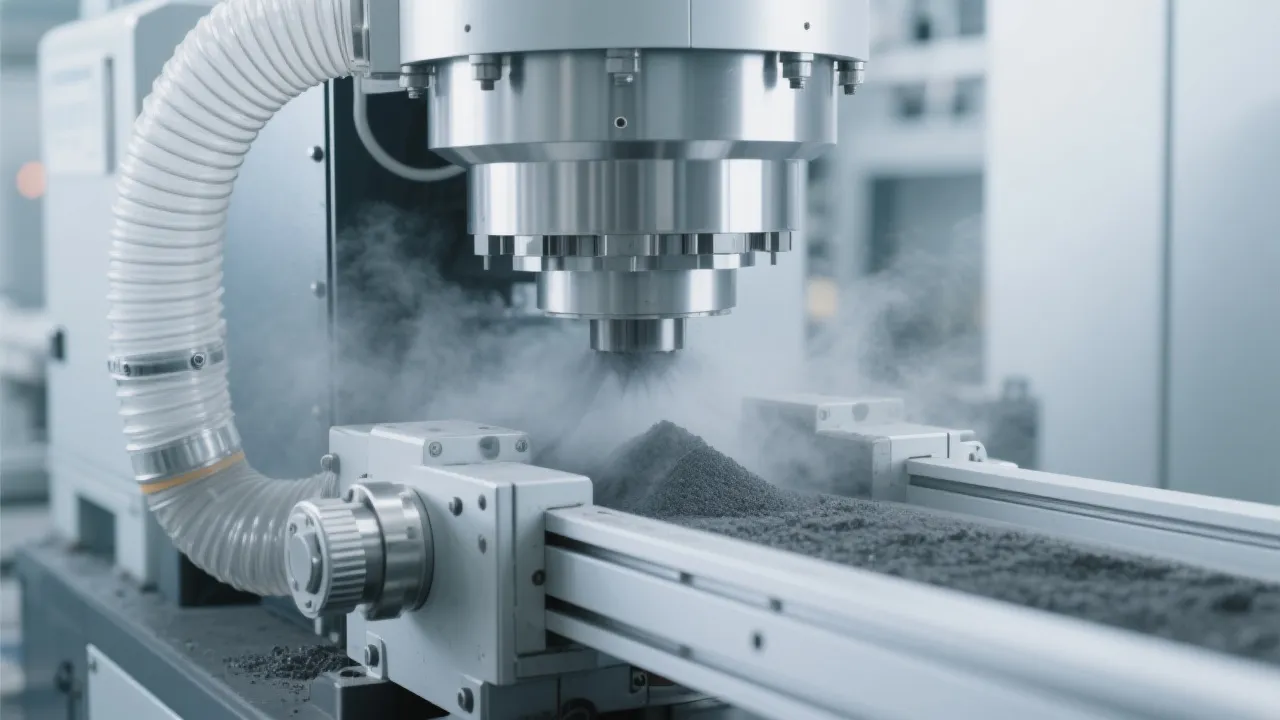
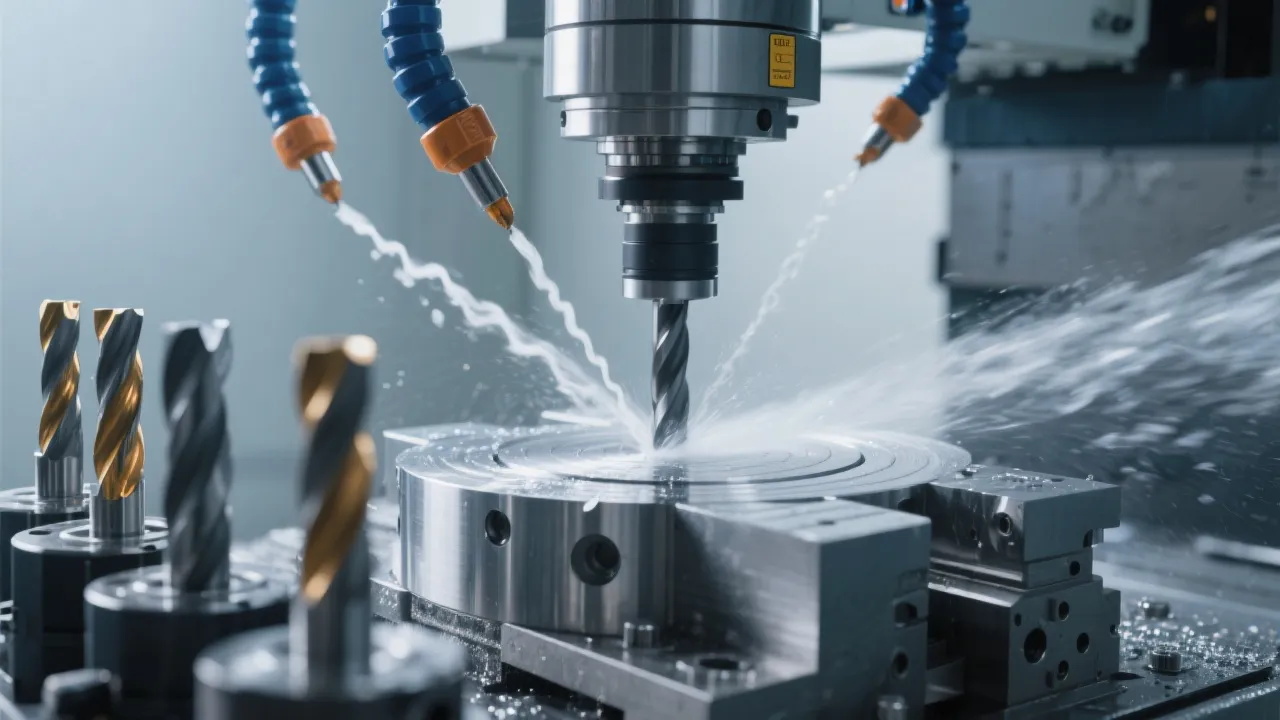
Industrial manufacturers face persistent challenges in rough milling large steel components—low processing efficiency, difficulty maintaining dimensional accuracy, and premature tool wear. This article delves into key technical strategies such as optimizing cutting parameters, selecting and maintaining cutting tools, and intelligent machining path planning, demonstrated through the applications of the FH1890L vertical machining center. Leveraging its high rigidity, stable cutting performance, and smart features like right-angle heads and probes, this solution enables a breakthrough in heavy-duty rough milling. The insights provided offer engineers actionable ways to significantly improve productivity and machining quality.
Rough milling of large steel workpieces entails three critical obstacles: thermal deformation control, vibration damping, and tool wear management. Excessive heat buildup alters workpiece geometry, while vibrations compromise surface finish and tool life. Tool degradation leads to costly downtime and inconsistent quality. Overcoming these requires a holistic approach combining machinery capabilities and process optimization.
The FH1890L, engineered for large-stroke and high-torque milling, delivers exceptional structural rigidity ensuring minimal deflection under heavy loads. Its robust servo drives and spindle motors support increased cutting forces with stable performance. Together, these features reduce vibration and thermal distortion, translating directly into enhanced dimensional accuracy and surface quality.
Selecting ideal cutting parameters is paramount to balancing efficiency and precision in rough milling:
This parameter tuning, facilitated by FH1890L's advanced CNC control and real-time monitoring, can yield up to a 35% improvement in machining efficiency compared to traditional machining centers.
Different materials demand tailored approaches to maximize results:
Incorporating adaptive feeds and toolpath segmentation enhances overall process reliability across these materials.
Benchmark data from a leading aerospace manufacturer illustrates the FH1890L’s superior performance:
| Metric | Traditional Machining Center | FH1890L | Improvement |
|---|---|---|---|
| Cycle Time (hours) | 10 | 6.5 | 35% reduction |
| Dimensional Deviation (mm) | ±0.35 | ±0.12 | 66% improvement |
| Tool Life (hours) | 4 | 6.4 | 60% extension |
These enhancements are attributed to FH1890L's combination of mechanical strength, smart features like the right-angle head attachment reducing setup time by 15%, and integrated probing systems supporting automatic tool compensation.
Beyond performance, the FH1890L excels in operational stability and ease of maintenance. Modular machine design allows swift replacement of wear components, minimizing downtime. Coupled with the manufacturer’s global service network and remote support capabilities, users benefit from sustained productivity and reduced lifecycle costs.
Continuous remote monitoring and predictive maintenance algorithms embedded in the CNC system proactively detect anomalies, preventing unexpected failures.
Understanding that every manufacturing environment and application differs, prospective users are encouraged to engage directly through online technical Q&A or schedule on-site demonstrations to explore tailored implementations of the FH1890L system.
Discover How FH1890L Elevates Your Rough Milling Productivity