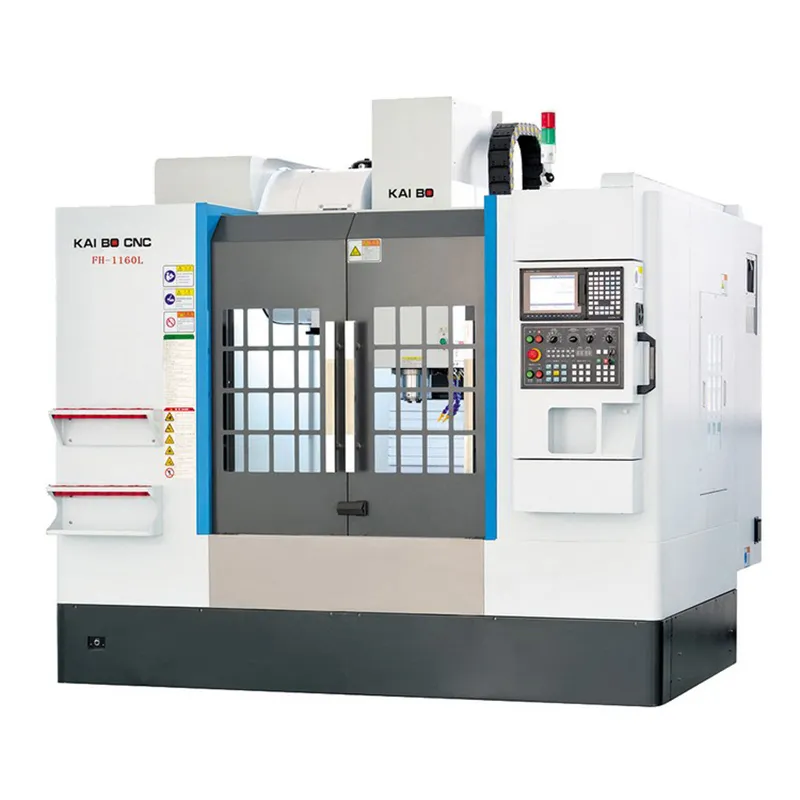
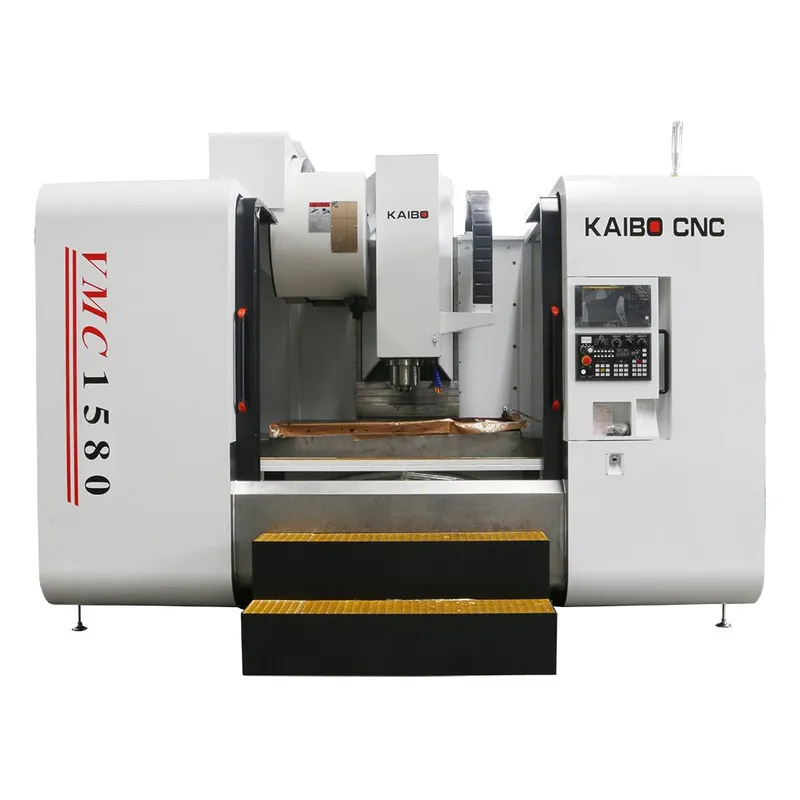
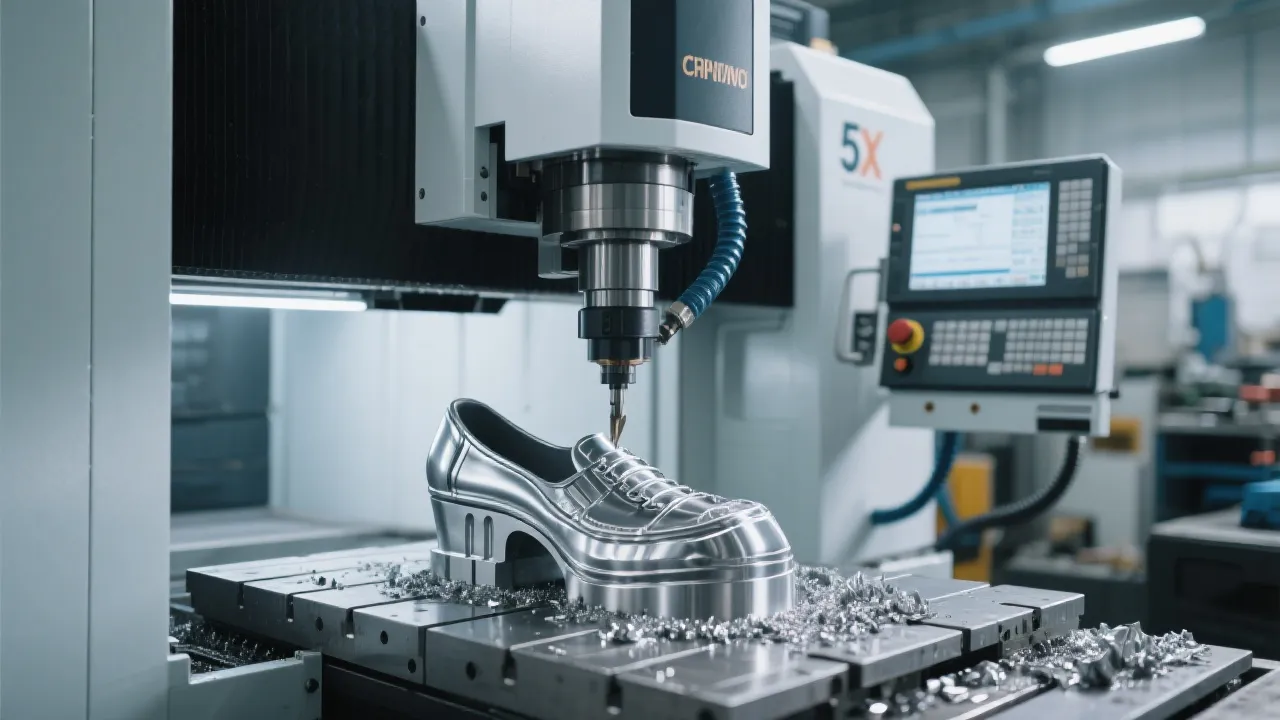
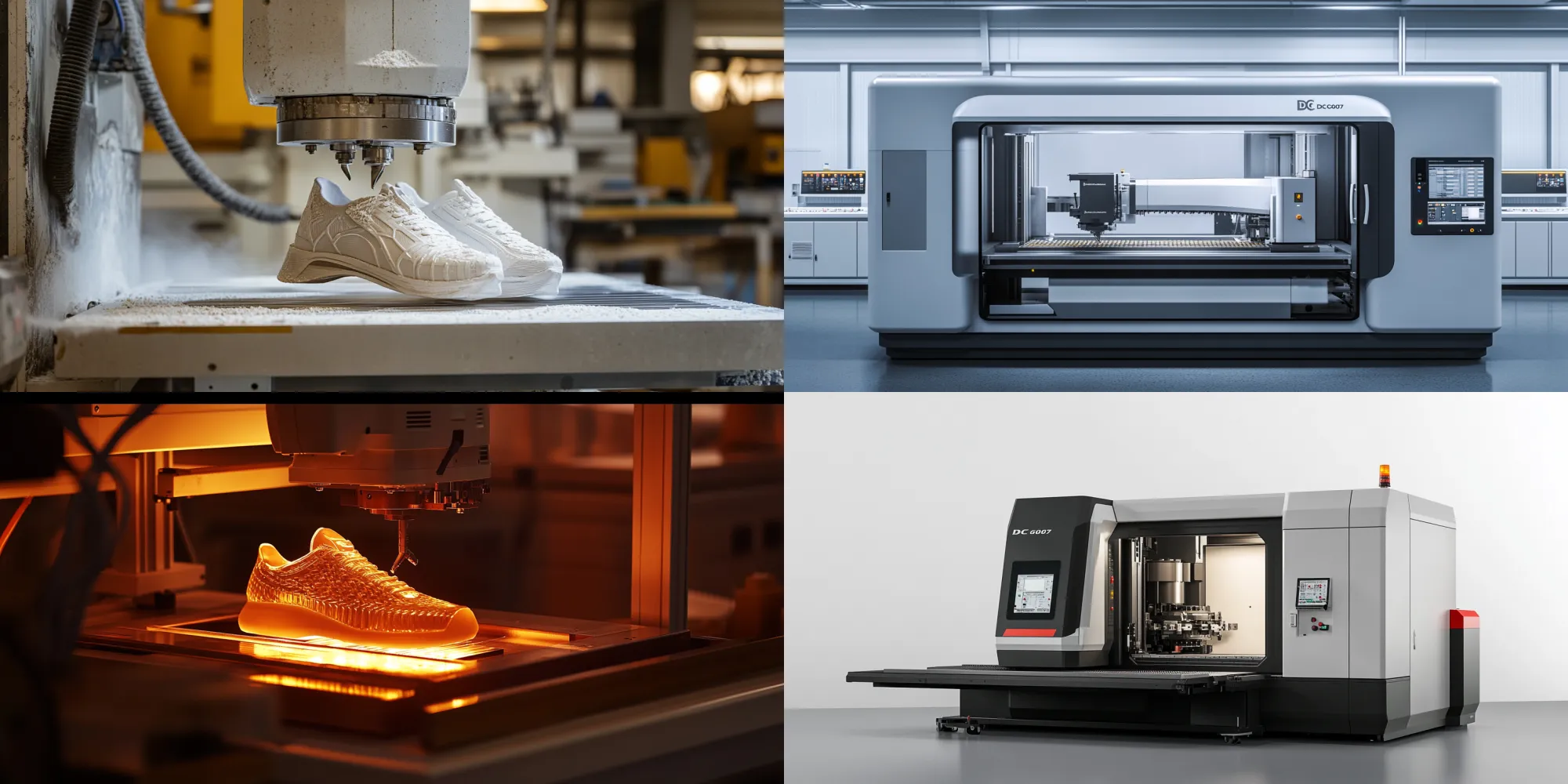
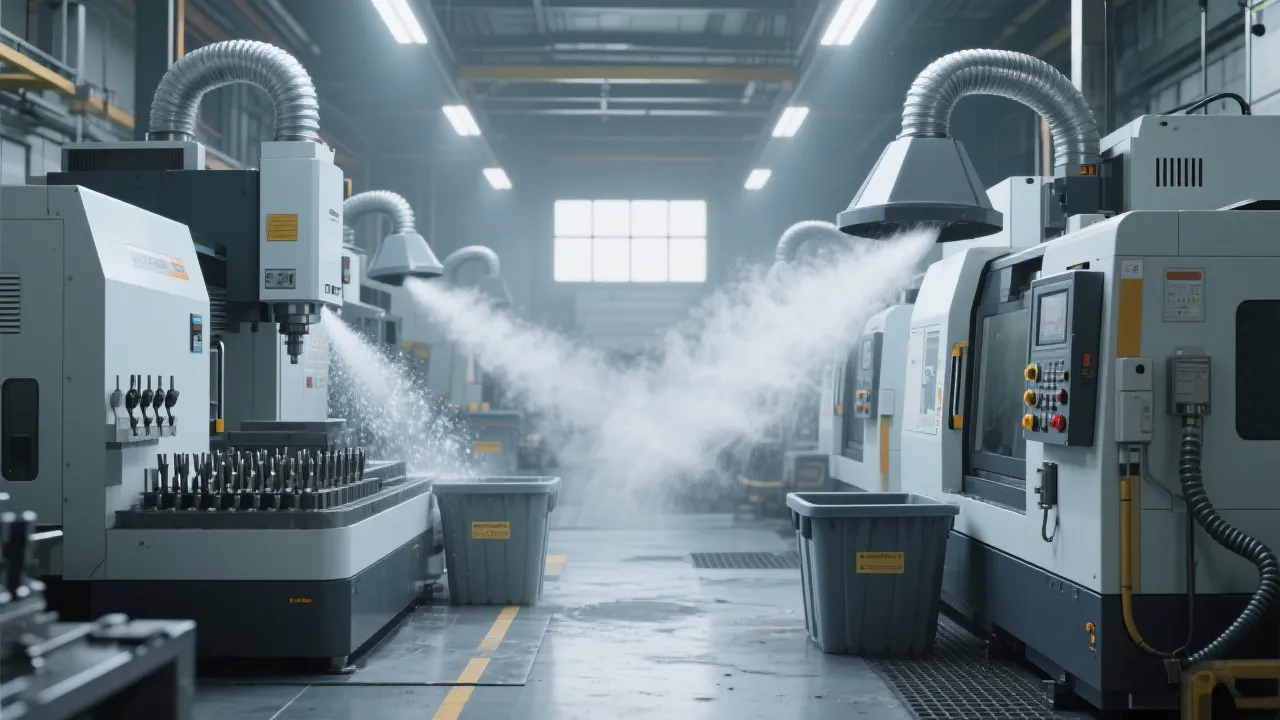
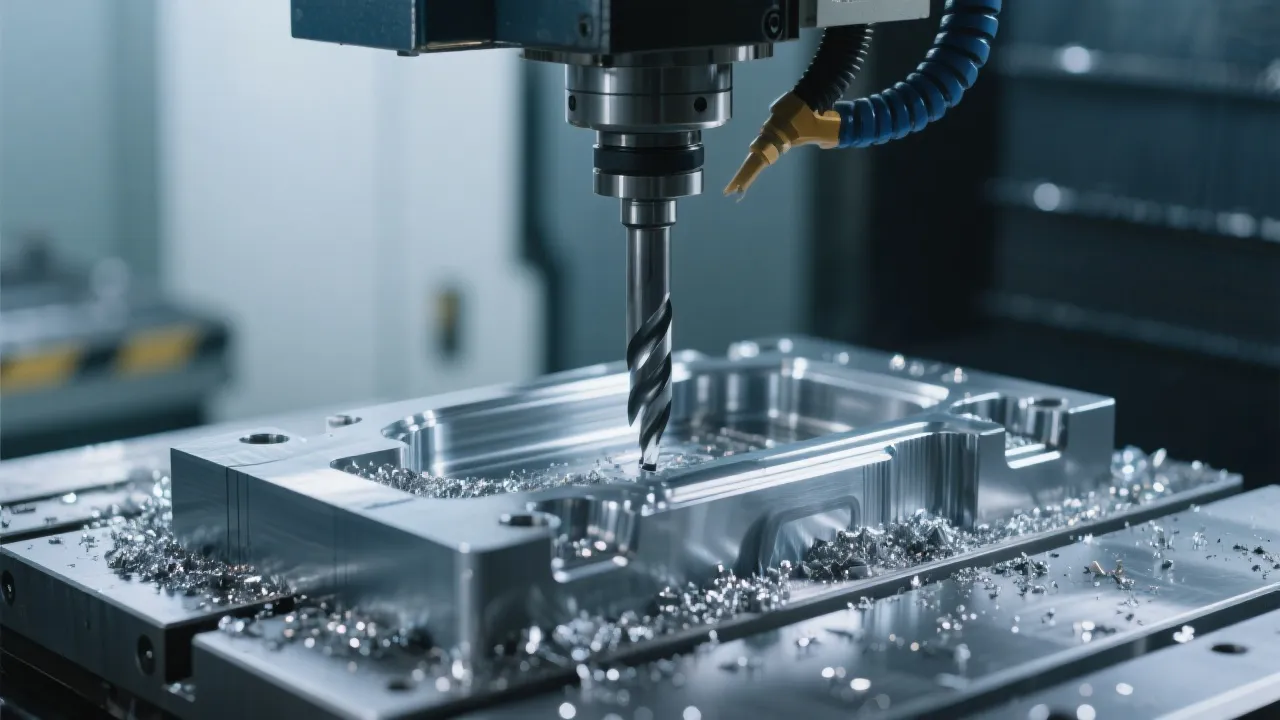
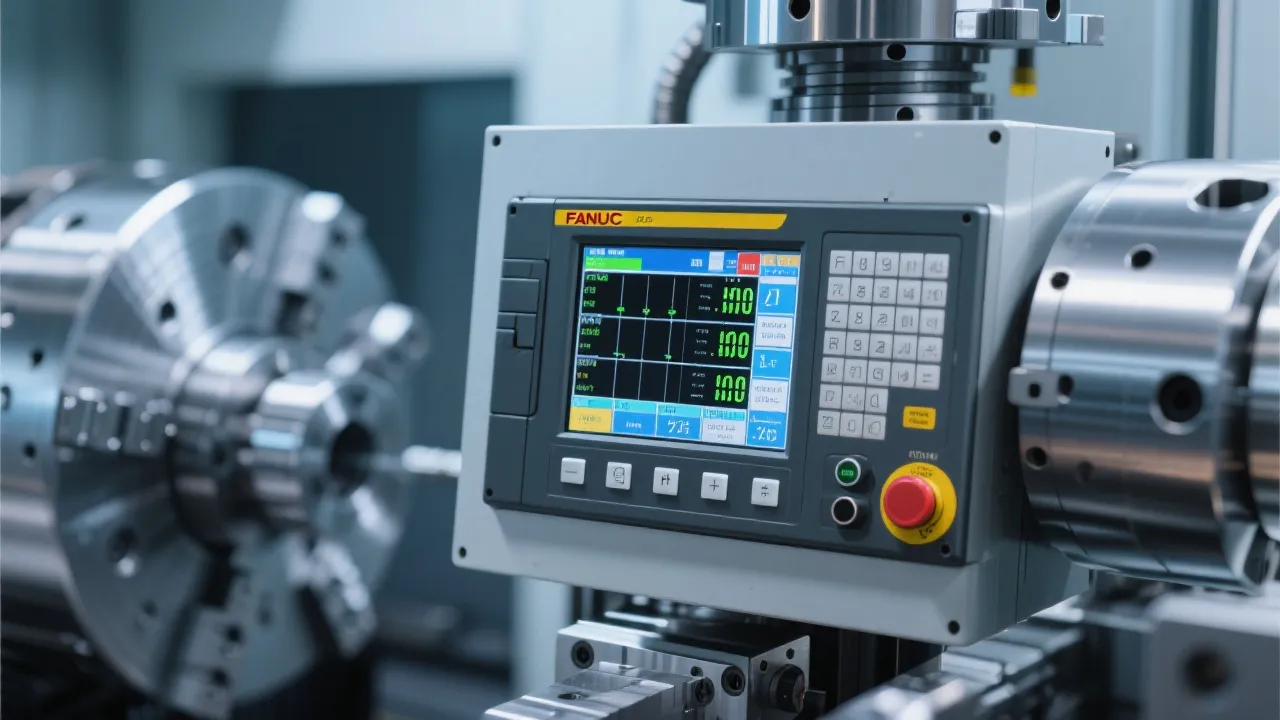
Graphite, with its unique physical properties, presents significant challenges to the stability and precision of machining equipment. Its high hardness and brittleness can lead to tool wear, surface roughness, and dimensional inaccuracies. For example, during the machining process, the high cutting forces generated can cause vibrations, affecting the overall stability of the equipment and reducing the machining precision. In some cases, the tool wear rate can reach up to 30% during graphite machining, which not only increases the production cost but also affects the quality of the final product.
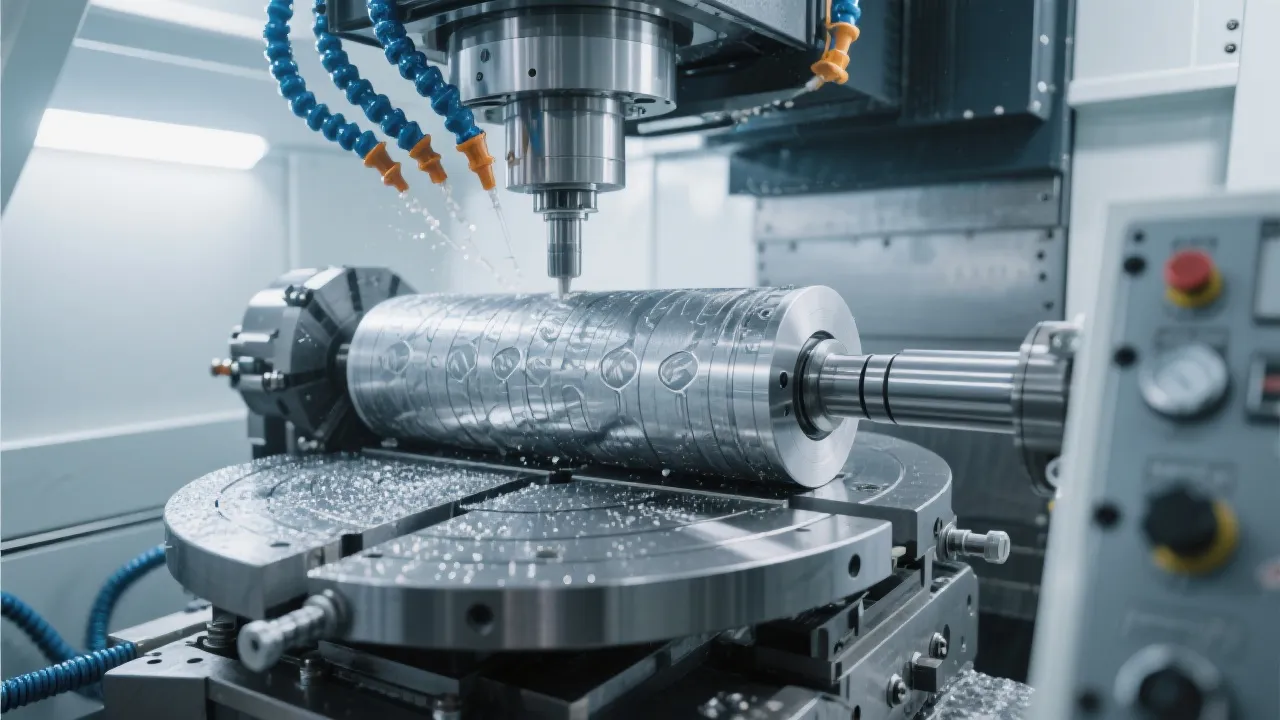
The multi - angle spindle configuration, including right - angle heads, universal heads, and spindle extensions, offers a flexible solution for machining complex graphite parts. The right - angle head allows for machining at a 90 - degree angle, which is particularly useful for creating perpendicular surfaces. The universal head, on the other hand, can be adjusted to various angles, enabling machining of complex geometries. The spindle extension provides additional reach, allowing the tool to access hard - to - reach areas. For instance, in the production of graphite molds with complex cavities, the multi - angle spindle configuration can reduce the machining time by up to 40% compared to traditional machining methods.
The Mitsubishi CNC system plays a crucial role in enabling quick spindle switching and process optimization. It can accurately control the movement and rotation of the spindle, ensuring seamless transitions between different machining operations. With the Mitsubishi CNC system, the spindle switching time can be reduced from several minutes to less than 30 seconds, significantly improving the overall machining efficiency. Moreover, the system allows for real - time monitoring and adjustment of machining parameters, ensuring high - precision machining.
The combination of large stroke and high cutting rate is highly effective in both rough and fine machining of graphite. In rough machining, the large stroke allows for rapid material removal, while the high cutting rate ensures high - efficiency processing. For example, in a certain graphite workpiece roughing project, the use of a large - stroke and high - cutting - rate machining strategy increased the material removal rate by 50%. In fine machining, the appropriate adjustment of stroke and cutting rate parameters can ensure the surface quality and dimensional accuracy of the workpiece.
Operators need to pay attention to safety, efficiency, and precision during the operation. Safety should be the top priority, including proper use of personal protective equipment and compliance with operating procedures. To improve efficiency, operators should be familiar with the functions and operation methods of the equipment, and be able to quickly switch between different machining modes. In terms of precision, operators need to accurately set and adjust machining parameters according to workpiece requirements. For example, a well - trained operator can improve the machining efficiency by 20% while ensuring the machining precision within an error range of ±0.01mm.
Charts and videos can provide a more intuitive way to show spindle configuration switching and machining paths. A spindle configuration comparison chart can clearly display the advantages and application scenarios of different spindle configurations. Video demonstrations can show the actual operation process, helping operators better understand and master the operation skills. For example, a well - produced video demonstration can reduce the operator training time by up to 50%.
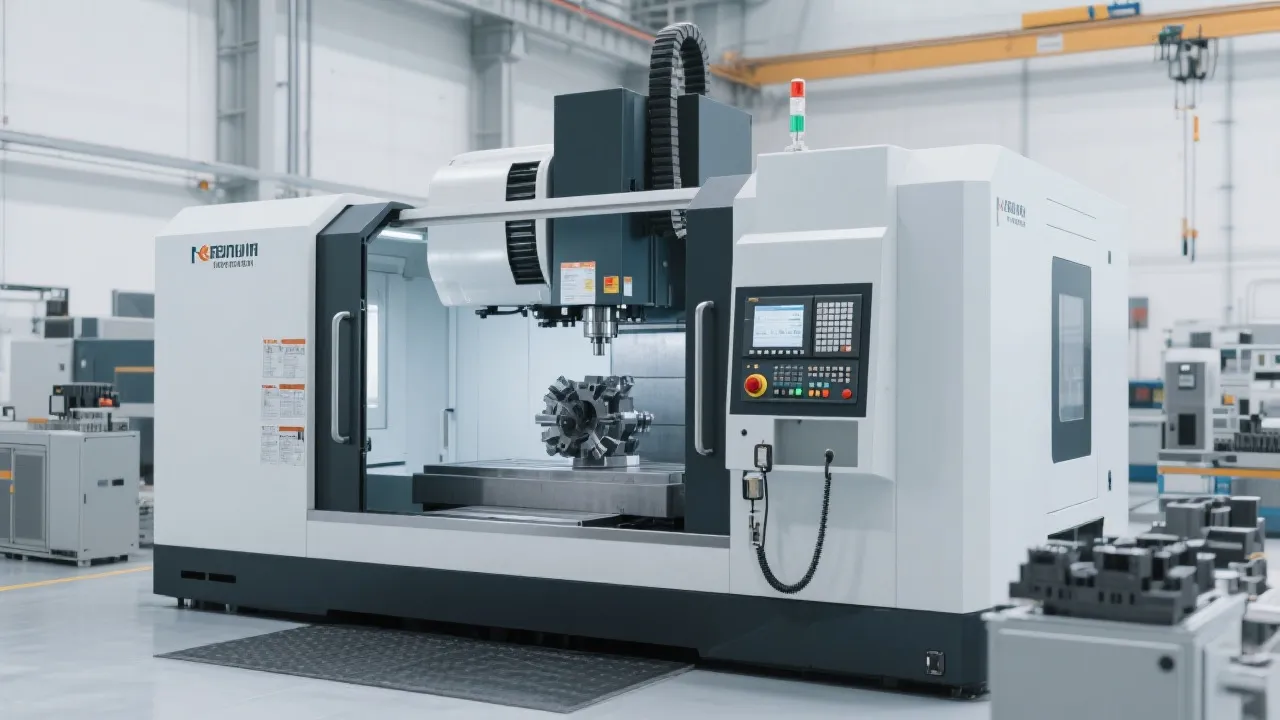
Ready to take your graphite machining to the next level? Discover more about the Kaibo FH1890L Vertical Machining Center solutions by clicking here.