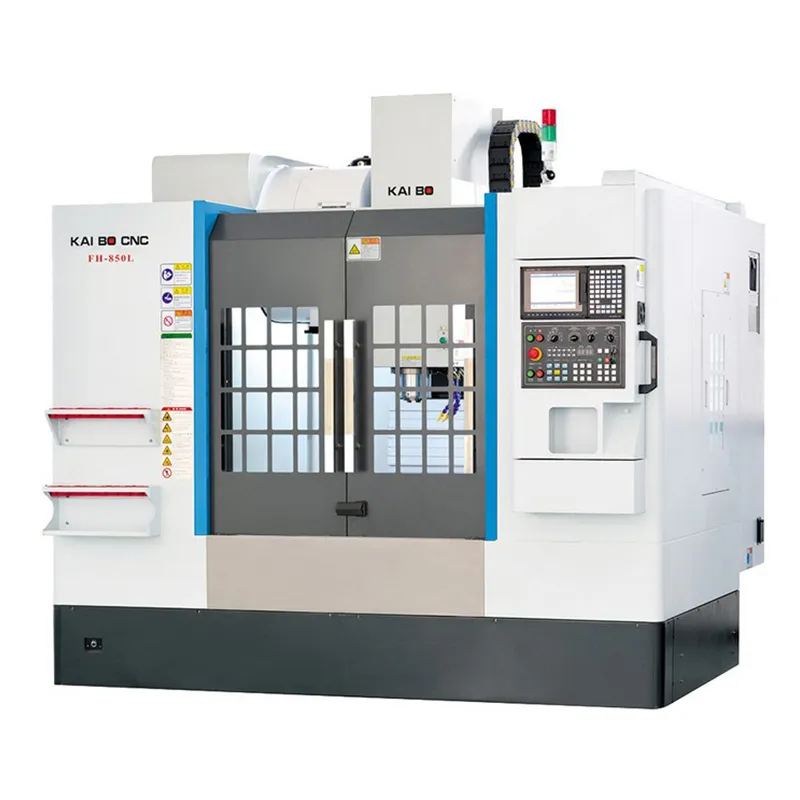
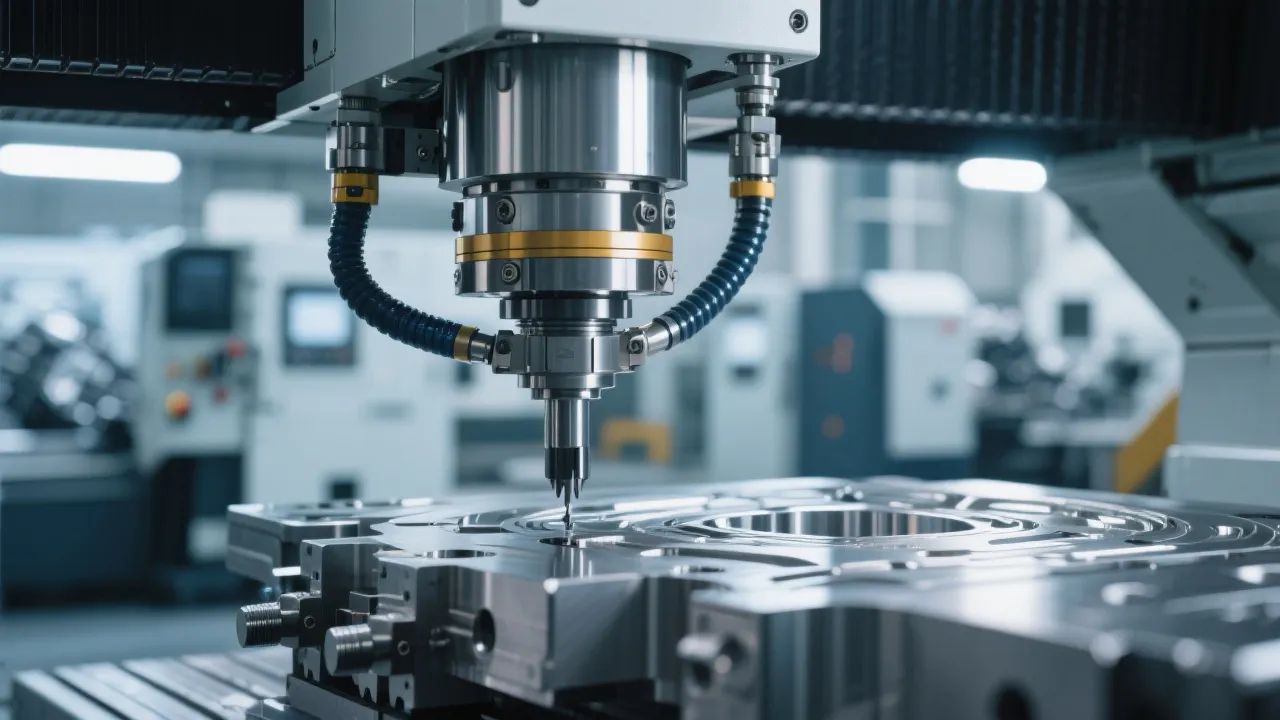
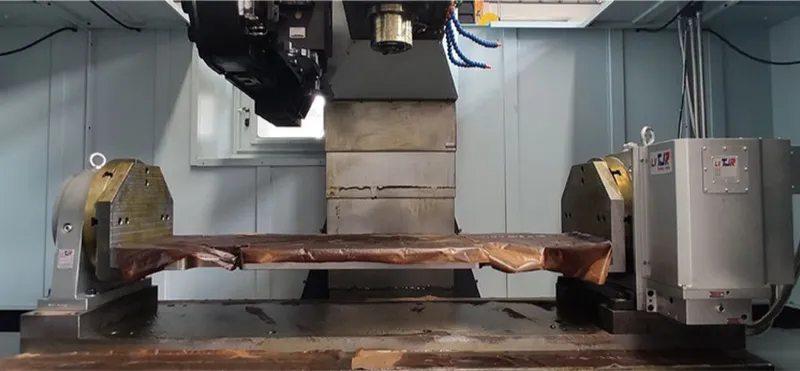
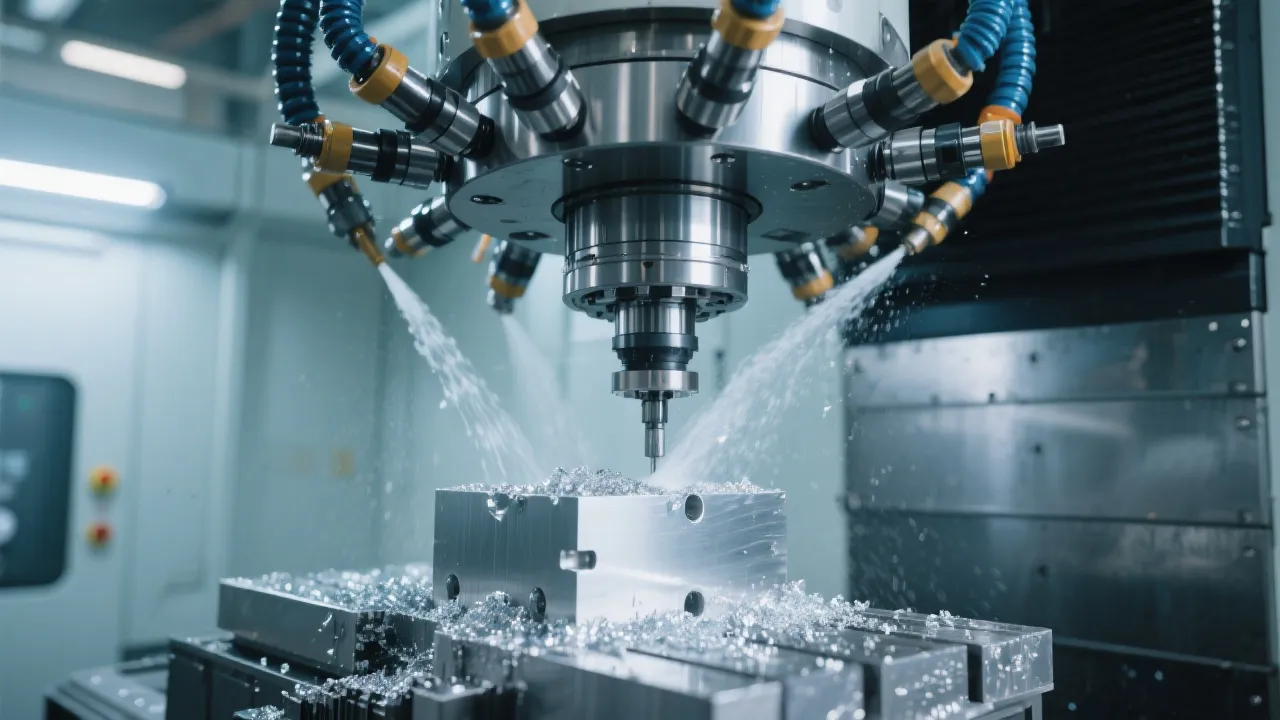
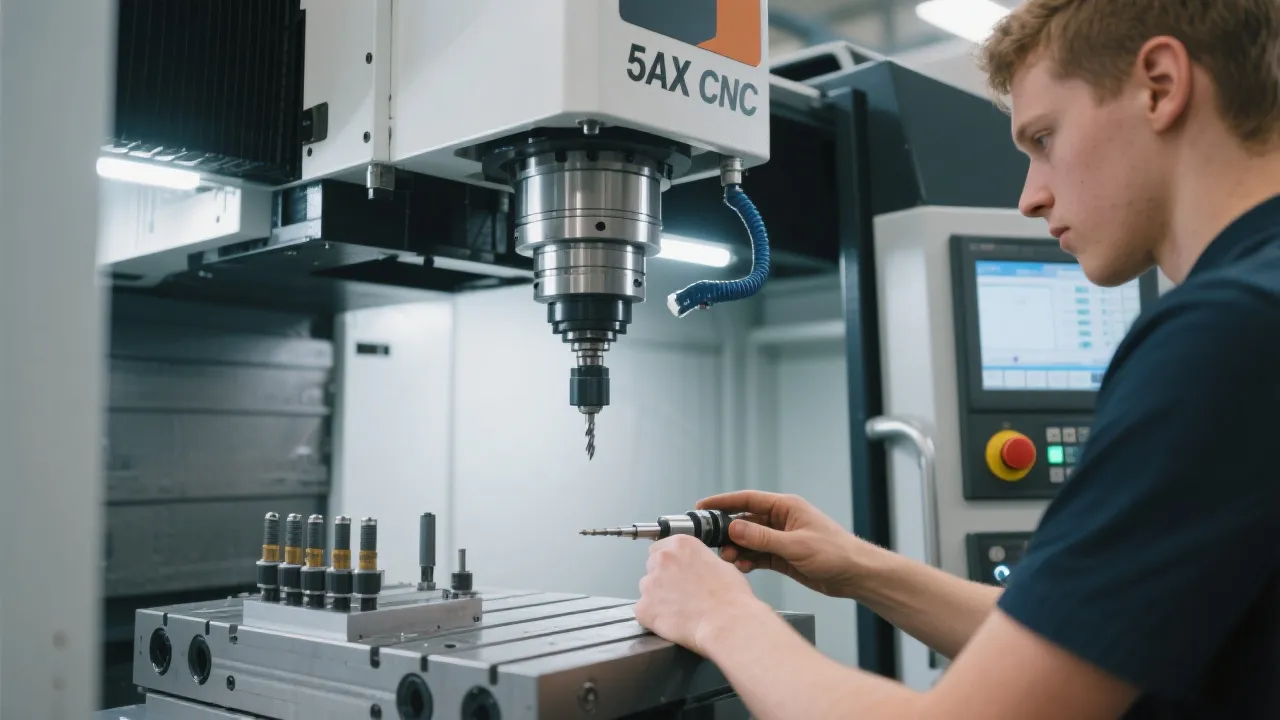
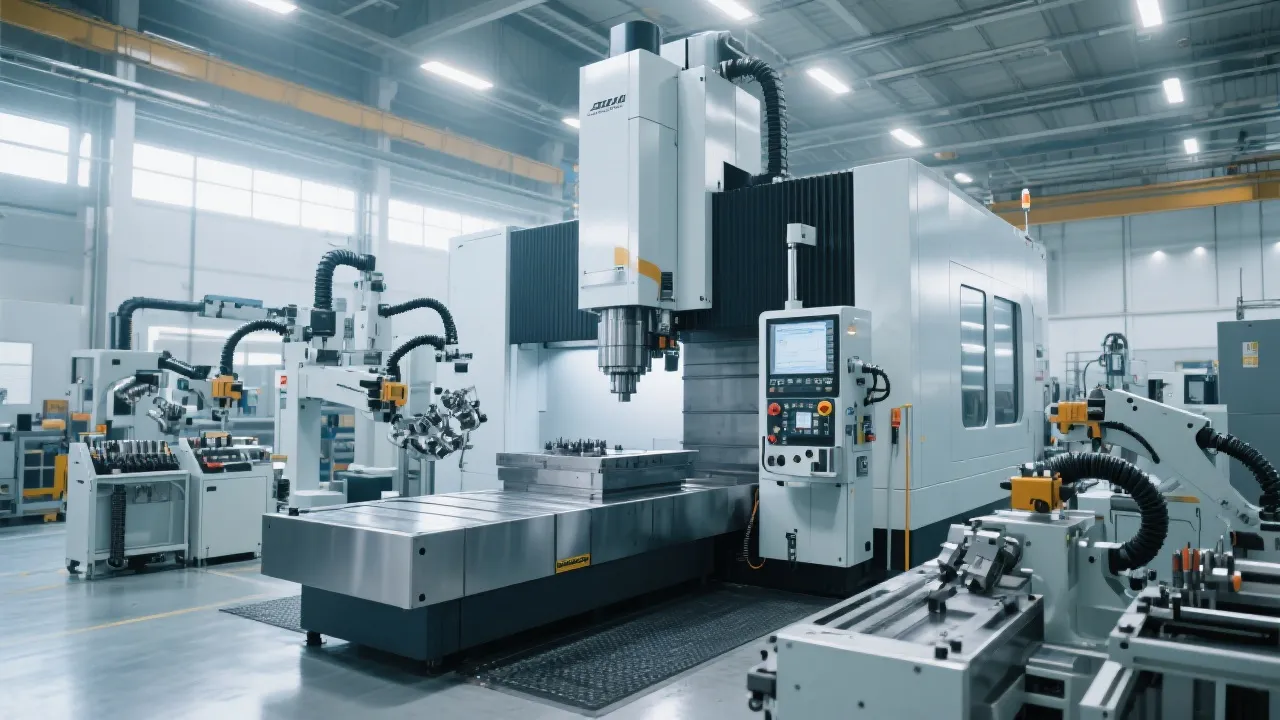
For manufacturers handling large-scale components—especially those made from graphite, aluminum alloys, or steel—the challenge isn’t just cutting material—it’s doing so with consistent accuracy under high thermal stress. A recent online workshop by Kebao CNC explored how modern machining centers like the FH1890L are transforming heavy rough milling through intelligent parameter optimization, vibration suppression, and real-time thermal compensation.
In industrial settings where tolerances must stay within ±0.05mm across parts weighing over 2 tons, traditional methods often fall short. According to a 2023 study by the International Journal of Advanced Manufacturing Technology, up to 42% of dimensional deviations in heavy milling stem from uncontrolled heat buildup—not tool wear or improper feed rates alone.
When machining graphite (commonly used in EDM electrodes), even minor thermal expansion can cause micro-cracks that compromise part integrity. Similarly, aluminum's low melting point makes it prone to chatter at high speeds if path planning isn't optimized. Steel, while robust, demands precise cooling strategies to avoid residual stresses that lead to warping post-machining.
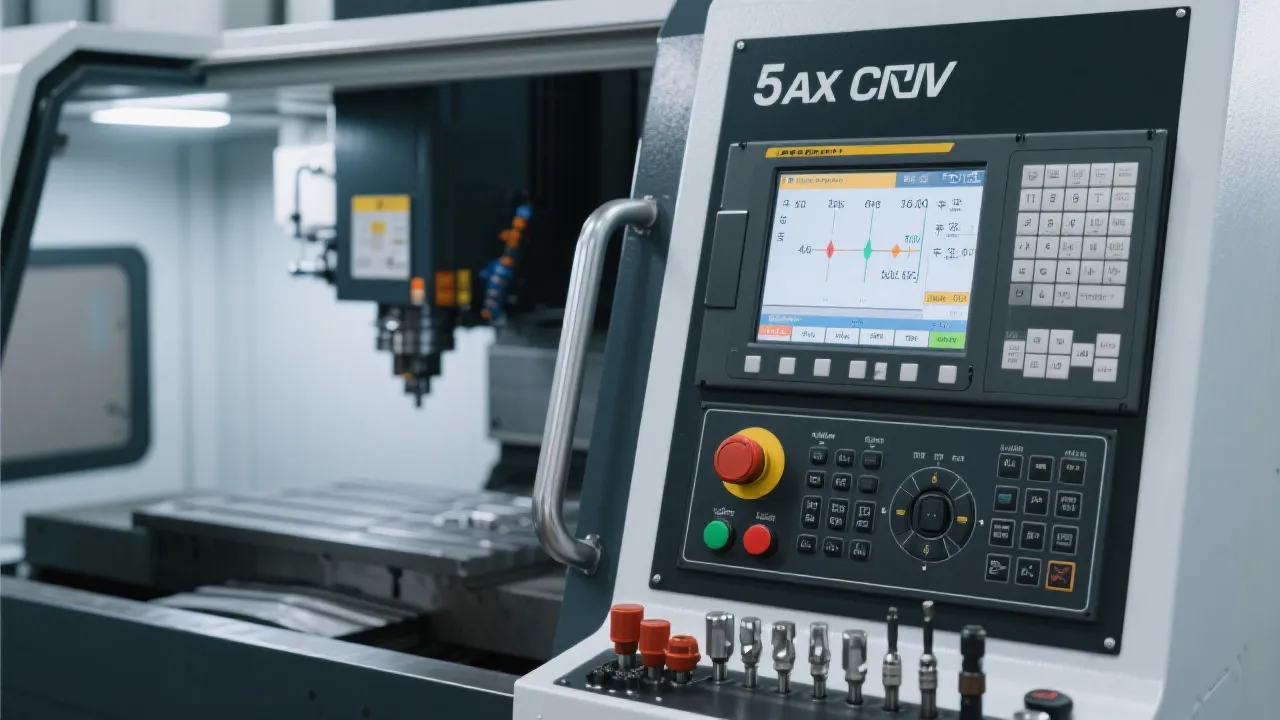
The Kebao CNC FH1890L stands out not only for its 1890mm travel range but also for its integrated Mitsubishi CNC system, which enables adaptive control algorithms that adjust cutting parameters based on live sensor feedback. In one case study presented during the webinar, users reported:
This performance is achieved via dynamic path smoothing, which minimizes abrupt acceleration/deceleration points known to induce vibrations—a key factor in precision loss. The machine’s built-in thermal monitoring system also allows operators to preemptively compensate for temperature shifts in the spindle housing and bed structure.
Whether you're producing aerospace components in Germany, automotive molds in Mexico, or energy-sector parts in the UAE, consistency matters more than ever. With global supply chains demanding tighter quality control and faster turnaround times, machines like the FH1890L aren’t just an upgrade—they’re a necessity for competitive manufacturing.
Moreover, Kebao CNC offers comprehensive technical support including remote diagnostics, predictive maintenance alerts, and certified training programs tailored to different material types—an edge many competitors overlook when selling standalone equipment.
Want to see how the FH1890L handles your specific material and workpiece size?
Schedule Your Personalized Demo TodayBy blending data-driven process control with intuitive user interfaces, the FH1890L bridges the gap between theoretical precision and practical results. It’s no longer about choosing between speed and accuracy—it’s about achieving both, consistently.