
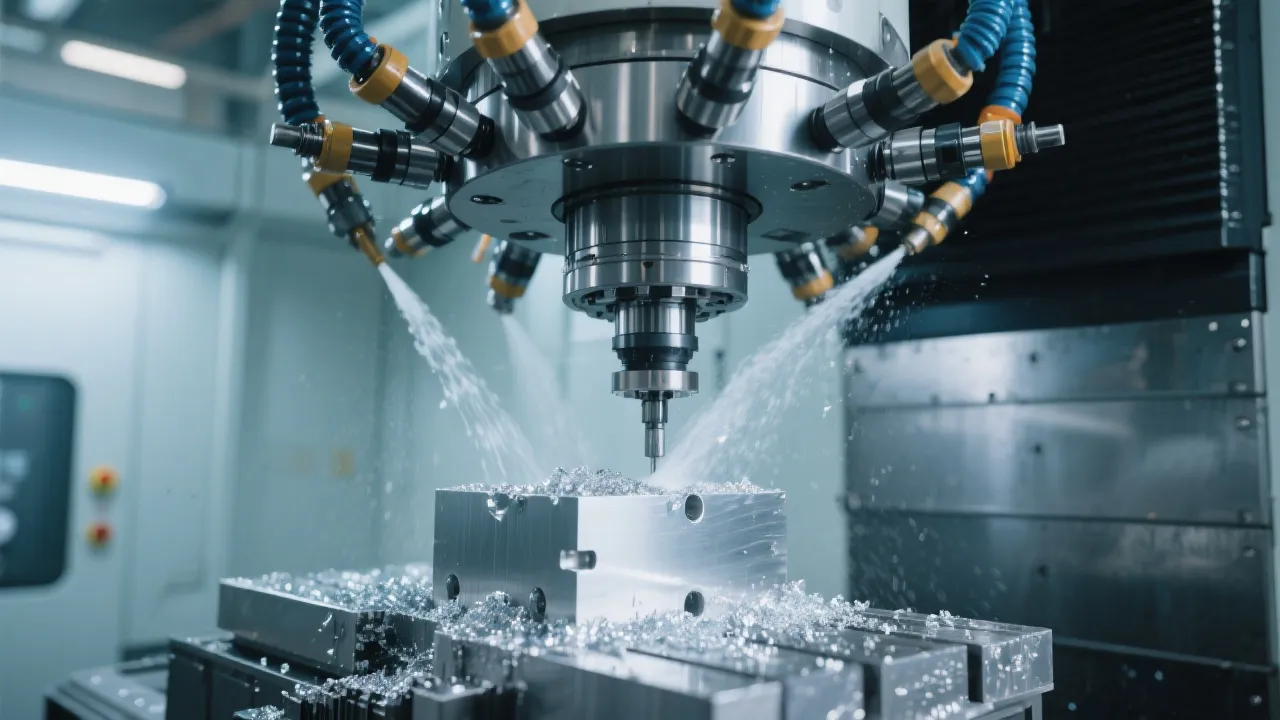
As a manufacturing engineer or decision-maker, you're constantly faced with the challenge of improving production efficiency and product quality. In the era of high-precision manufacturing, especially in the fields of new energy and aerospace, the question arises: can three-axis machines still meet the demands of complex part machining?
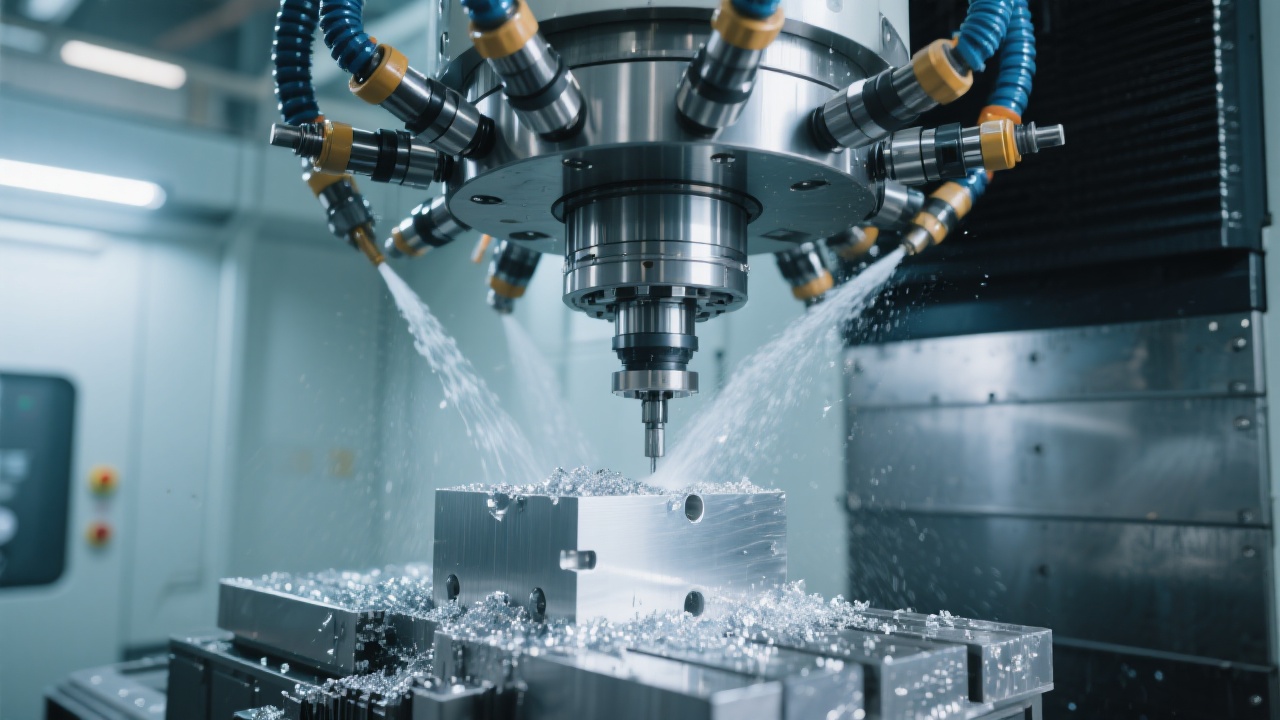
The new energy and aerospace industries are experiencing rapid growth, and with that comes a higher demand for high-precision and complex-shaped parts. Five-axis machining centers are becoming increasingly important due to their ability to handle complex geometries with fewer setup changes and higher precision. According to industry reports, the demand for five-axis machining in these sectors has been growing at an annual rate of over 15% in recent years.
| Aspect | Three-Axis Machining | Five-Axis Machining |
|---|---|---|
| Number of Setups | Multiple setups are often required for complex parts, which increases the risk of errors and reduces efficiency. | Fewer setups are needed, thanks to the ability to access multiple sides of the part in a single operation, improving accuracy and reducing production time. |
| Surface Finish | May have limitations in achieving high surface finish on complex geometries. | Can achieve better surface finish due to the ability to maintain optimal cutting conditions. |
| Programming Complexity | Relatively simpler but may require more programming for complex parts. | More complex programming but can significantly reduce overall production time for complex parts. |
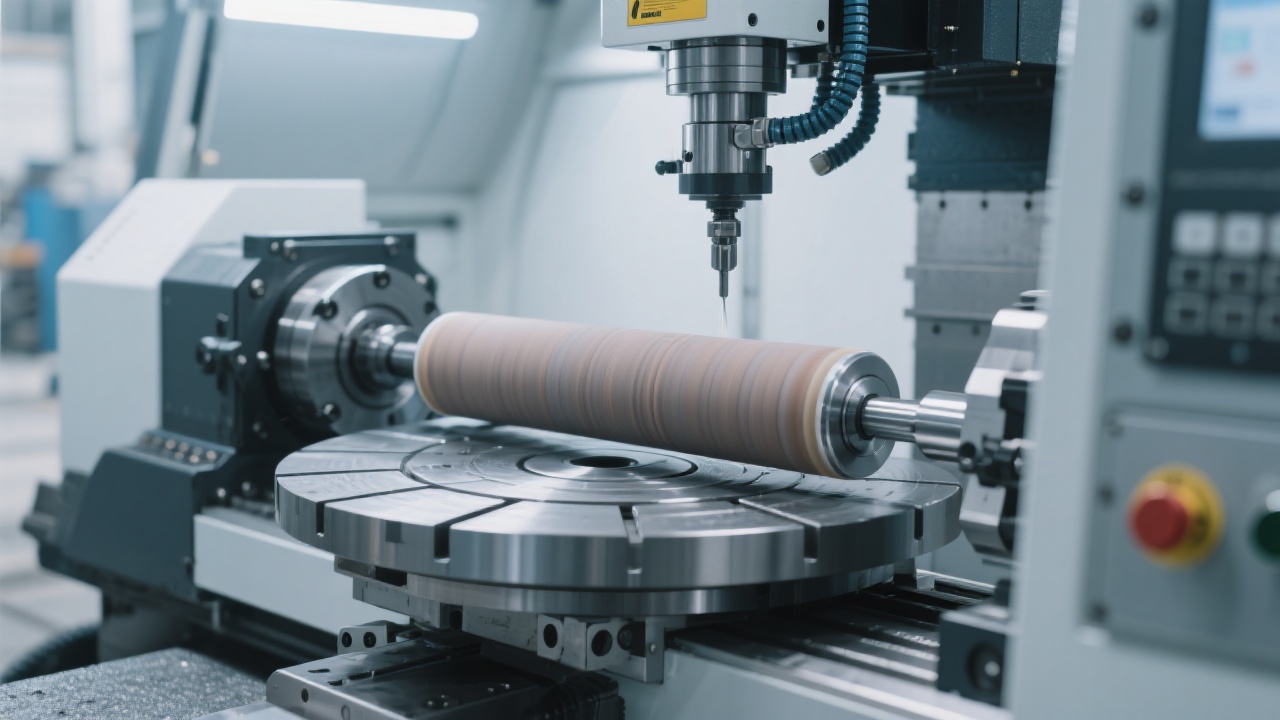
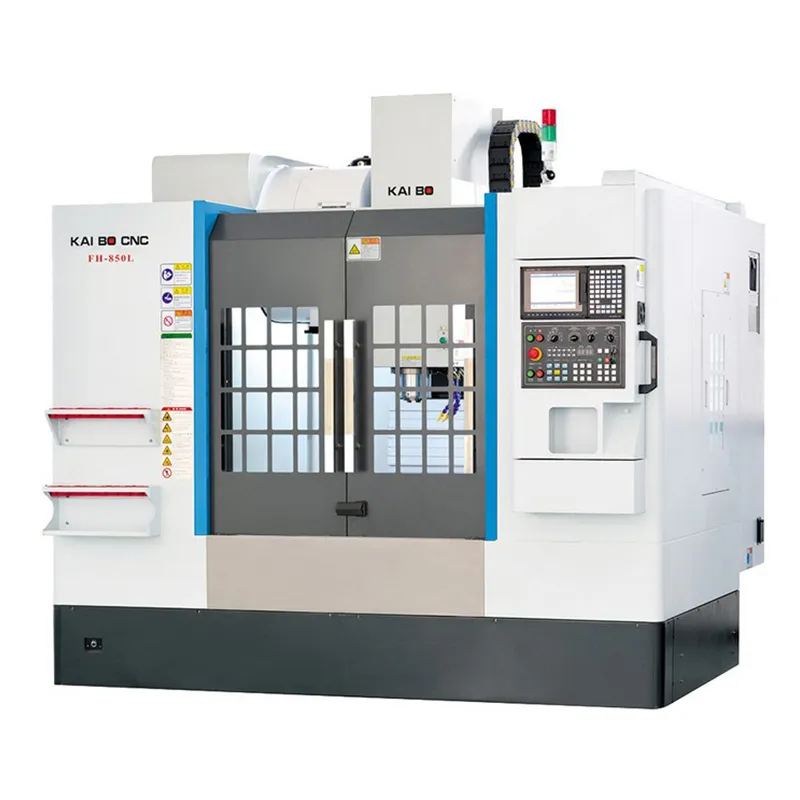
The FH855L RTCP five-axis vertical machining center stands out in graphite material machining. It offers high repeatability, excellent thermal stability, and the ability to handle thin-walled parts. The RTCP (Rotational Tool Center Point) function ensures precise tool path control, which is crucial for high-precision machining. In graphite material machining, the FH855L can achieve a high level of accuracy, even for complex geometries.
One of our customers, a leading manufacturer of new energy battery parts, was facing challenges with low production efficiency and unstable product quality. After upgrading to the FH855L, they saw a significant improvement. The product yield increased from 86% to 95%, and the tool change time was reduced by 40%. As the customer said, "The FH855L has truly transformed our production process, allowing us to meet the high-quality requirements of our customers more effectively."
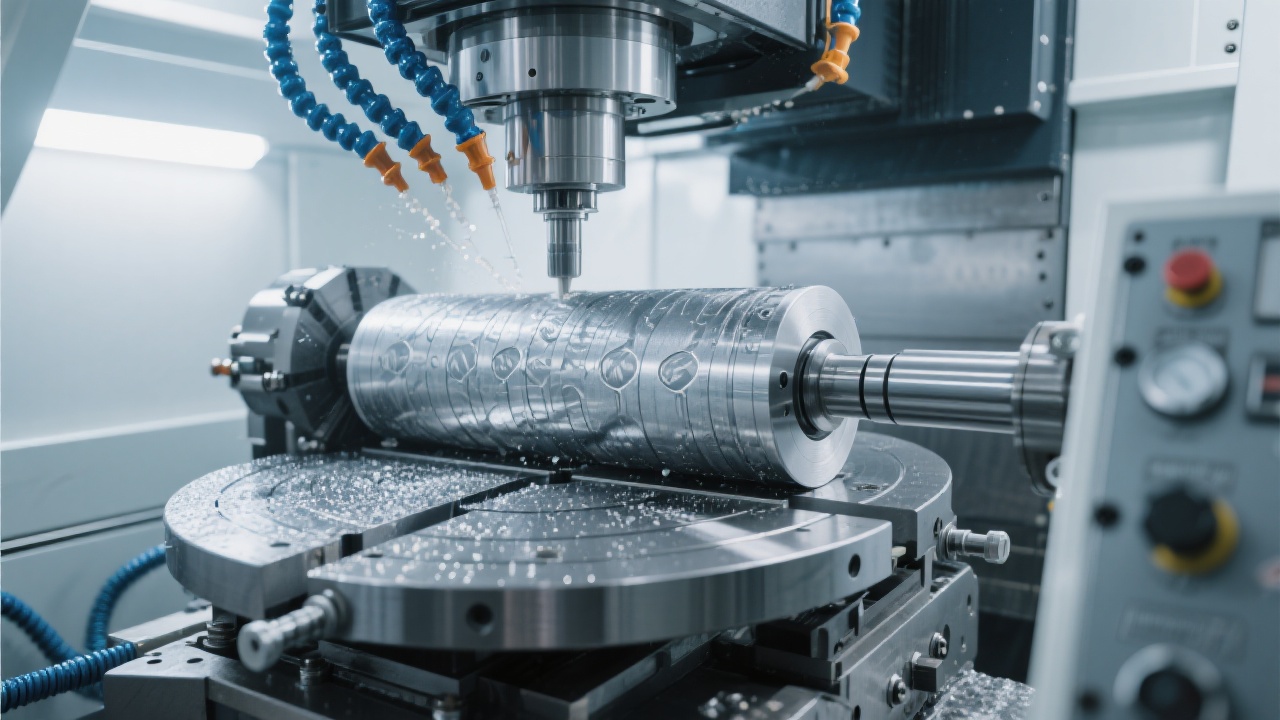
Upgrading to a five-axis machining center is not a simple decision. It requires a comprehensive evaluation of your production needs, budget, and technical capabilities. Here are some key steps to consider:
Remember, technical upgrade is not an option; it's a necessity for enhancing your competitiveness in the market. Don't let your production process hold you back. Take the first step towards upgrading your technology today!
Explore the FH855L Five-Axis Machining Center Now


 <#else>





