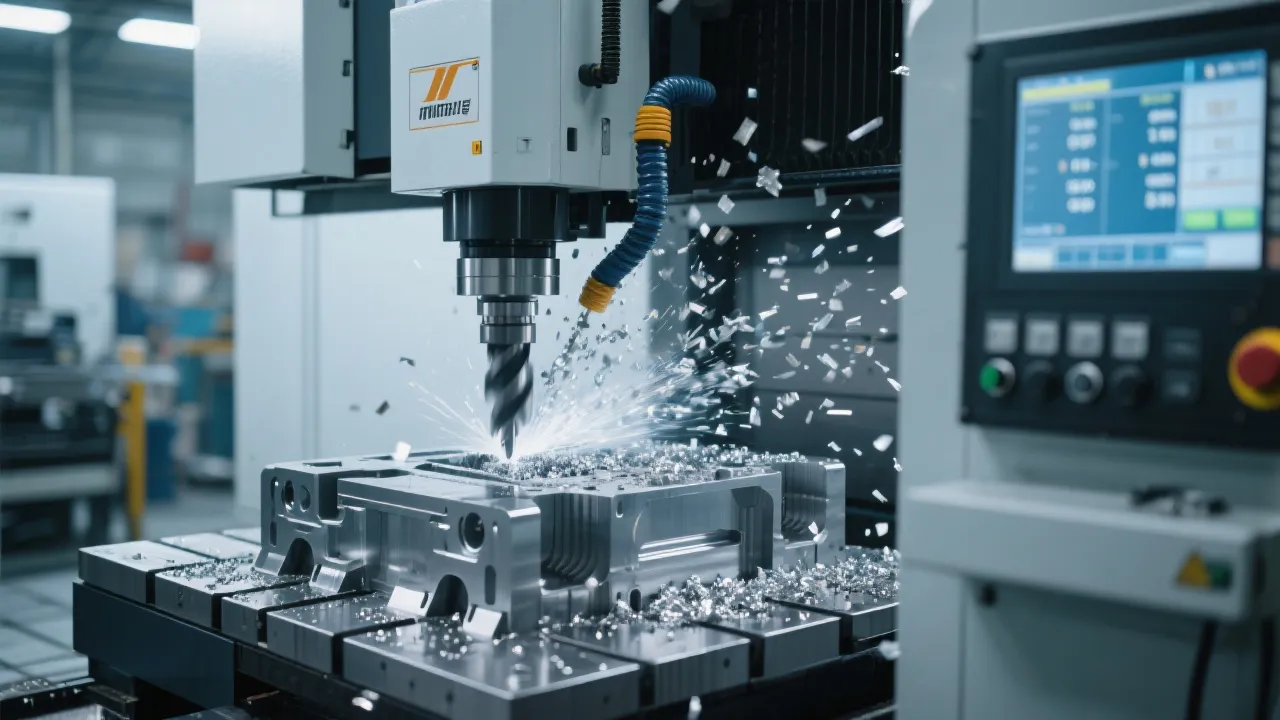
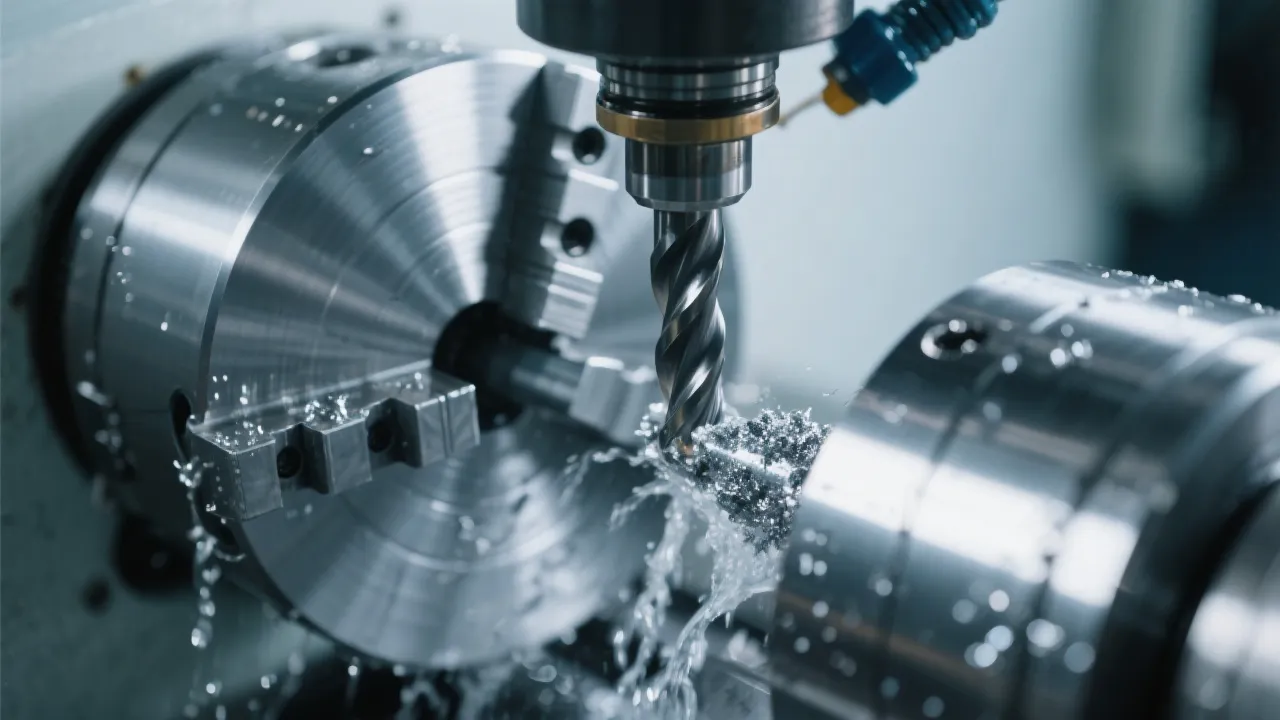
In the manufacturing industry, the rough milling of large and heavy workpieces is a critical process that demands high efficiency and precision. This article delves into the key technologies and best practices in this field, offering comprehensive optimization methods from cutting parameter adjustment to machining path planning.
Proper cutting parameters are fundamental to improving the efficiency of rough milling. For instance, increasing the cutting speed within a reasonable range can significantly reduce the machining time. According to industry standards, for steel workpieces, a cutting speed of 60 - 100 m/min can be a good starting point, while for aluminum alloys, it can reach 200 - 300 m/min. Feed rate and depth of cut also need to be carefully balanced. A higher feed rate can boost productivity, but it may affect the surface quality and tool life. By adjusting these parameters based on the workpiece material and machine capabilities, manufacturers can achieve a better balance between efficiency and quality.
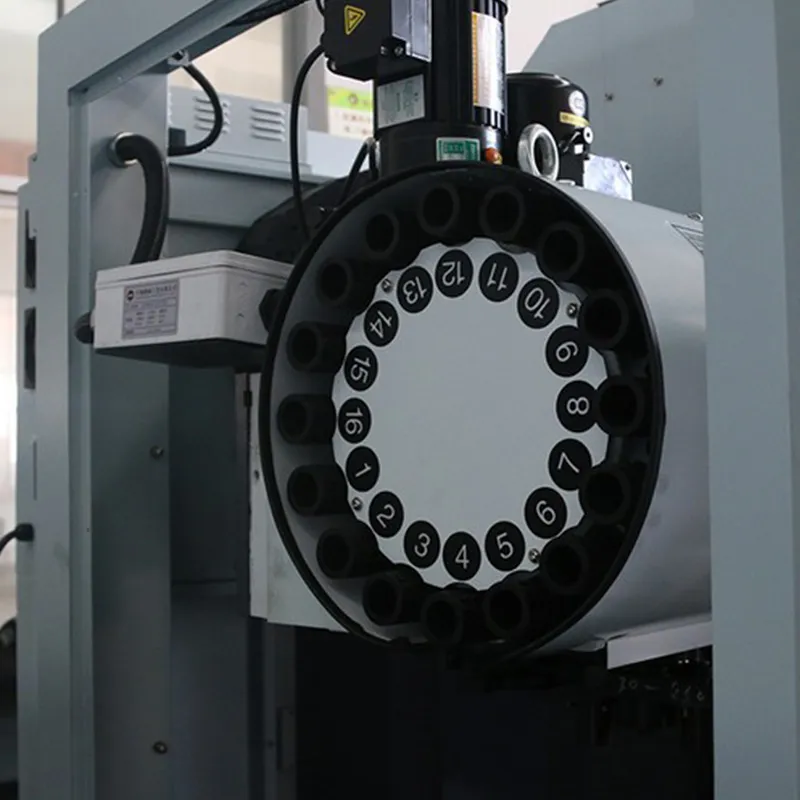
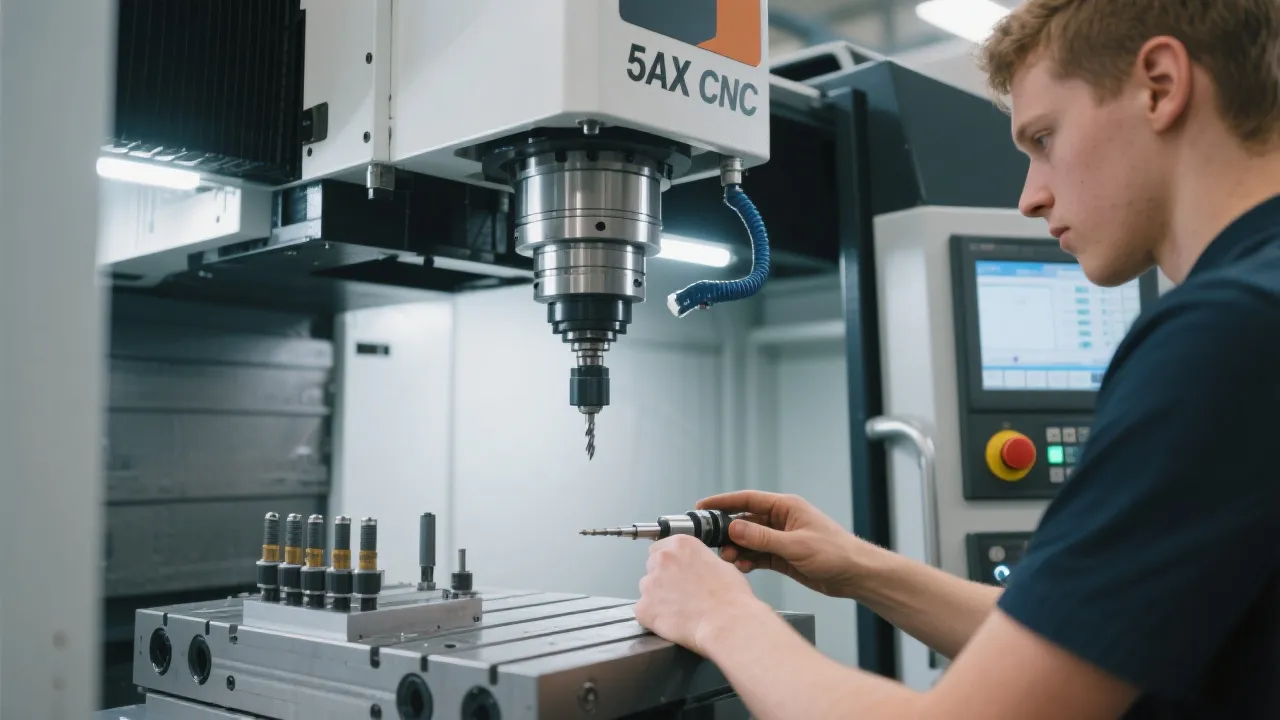
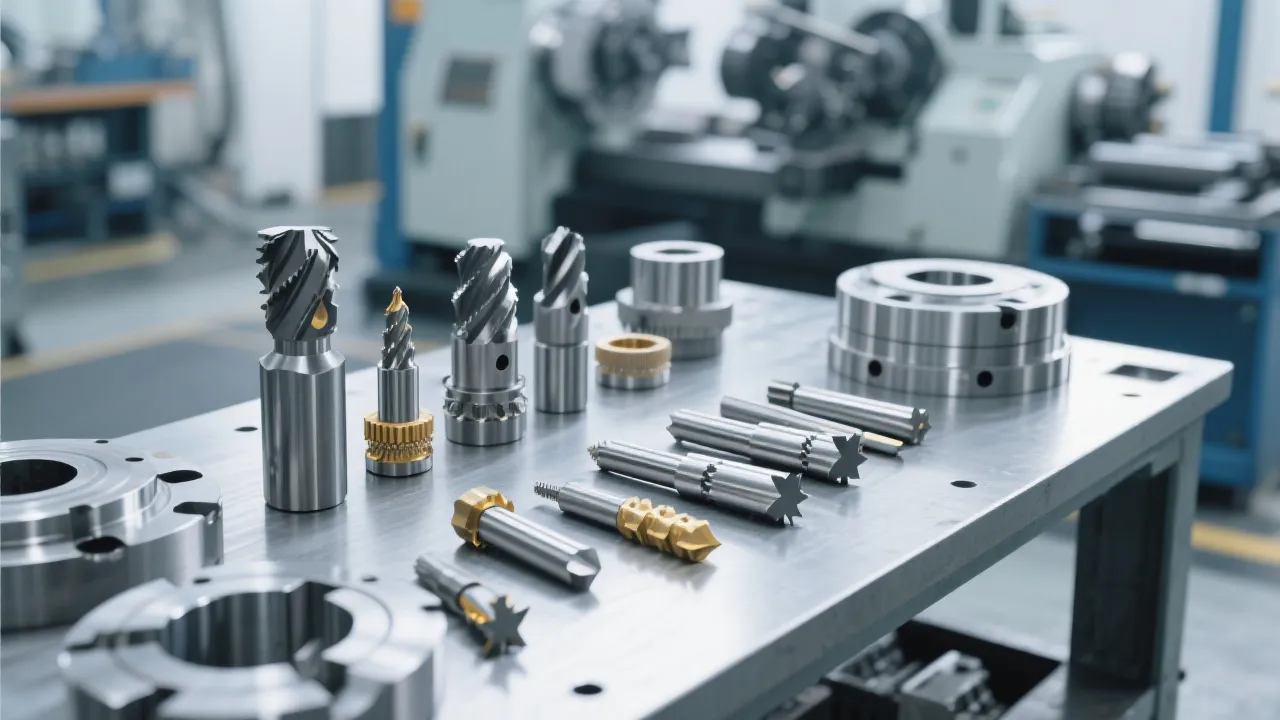
The choice of cutting tools is crucial for large and heavy workpiece rough milling. Different materials require different types of tools. For graphite workpieces, diamond - coated tools are preferred due to their high wear resistance. When it comes to steel and aluminum, carbide tools are commonly used. Regular tool maintenance is also essential. Tools should be inspected regularly for wear and damage. Resharpening or replacing worn - out tools in a timely manner can ensure consistent cutting performance. For example, in a case study of a machinery manufacturing company, by implementing a strict tool maintenance schedule, they were able to reduce tool - related downtime by 30% and improve the overall machining efficiency by 20%.
An optimized machining path can minimize the non - cutting time and reduce the number of tool retractions. Advanced CAM software can be used to generate the most efficient paths. For complex workpieces, spiral or zig - zag paths can be more effective than traditional linear paths. By planning the path carefully, the machining time can be reduced by up to 15% in some cases.
Thermal deformation and vibration are common problems in heavy - duty machining. High - speed cutting generates a large amount of heat, which can cause the workpiece to deform. Using cooling lubricants and optimizing the cutting parameters can help control the temperature. Vibration can lead to poor surface quality and reduced tool life. Anti - vibration fixtures and dynamic balancing of the spindle can be effective solutions. For example, by using a high - precision anti - vibration fixture, the surface roughness of the workpiece can be reduced by 20%.
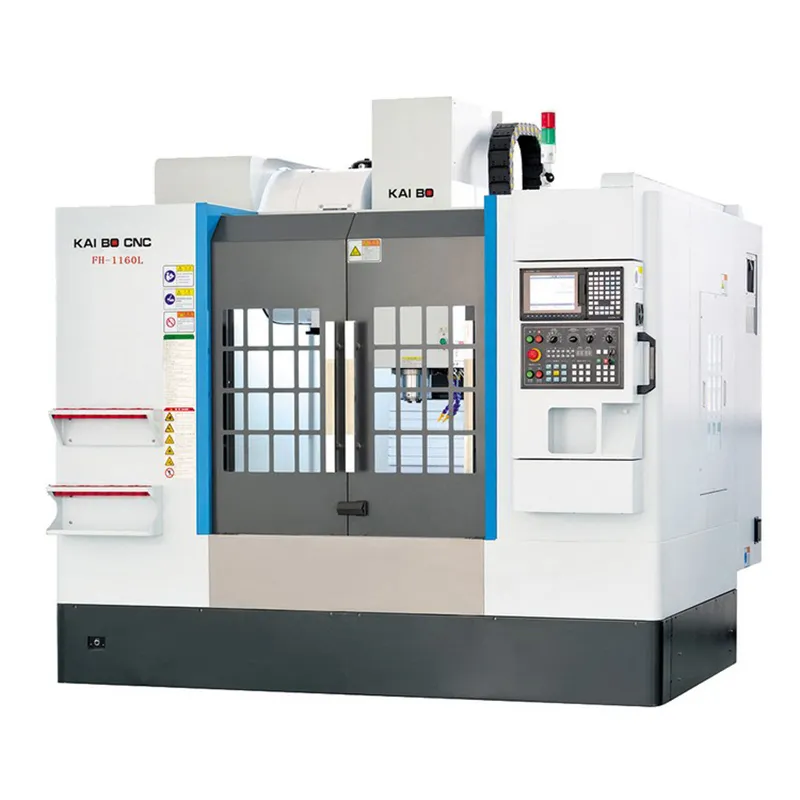
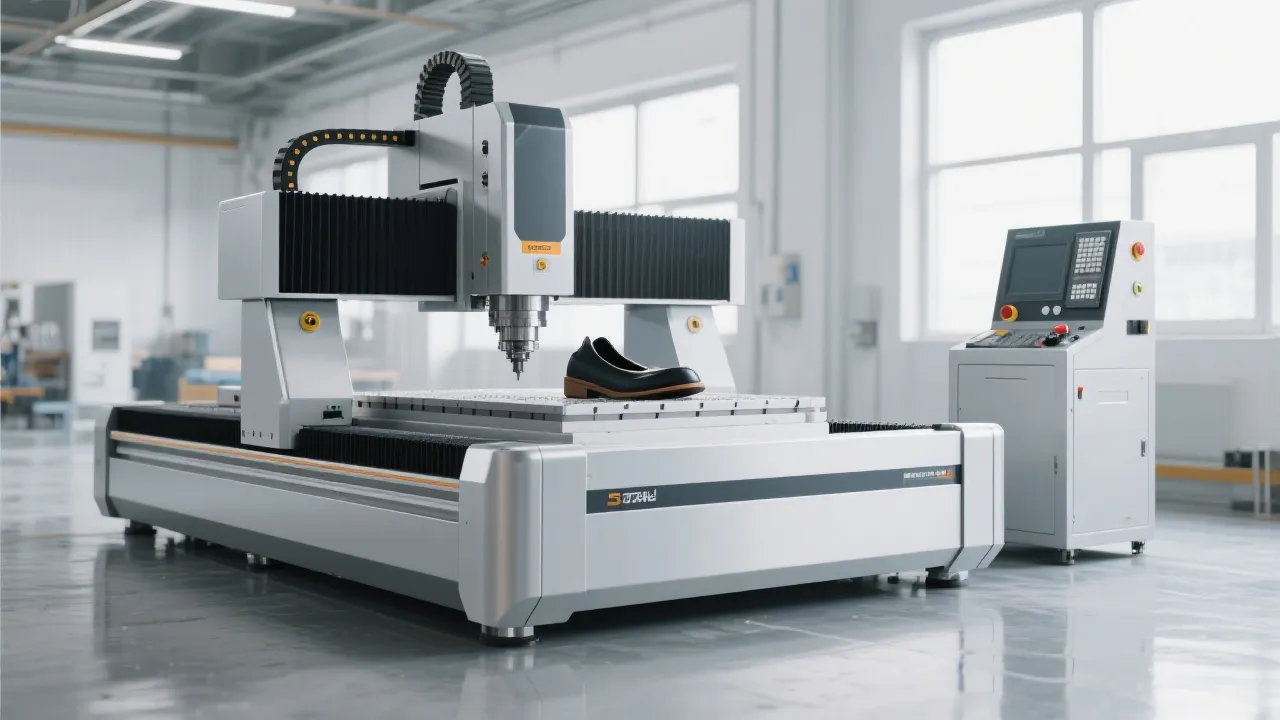
The FH1890L high - cutting - rate large - stroke vertical machining center from Ningbo Kaibo CNC Machinery Co., Ltd. plays a vital role in enhancing the efficiency of rough milling. With its advanced spindle technology, it can provide high - torque output, enabling high - speed cutting. Its large stroke allows for the machining of larger workpieces in a single setup, reducing the need for re - clamping and improving the overall accuracy. In a real - world case, a manufacturer was able to increase the production efficiency of large aluminum alloy workpieces by 35% after using the FH1890L machining center.
Graphite, large aluminum alloys, and steel workpieces each have their own characteristics. Graphite is a brittle material, and the cutting speed should be carefully controlled to avoid chipping. For large aluminum alloys, high - speed machining is possible, but attention should be paid to chip evacuation. Steel workpieces require more powerful cutting tools and appropriate cooling strategies. By understanding these material - specific requirements, manufacturers can adopt targeted machining techniques.
In conclusion, by implementing the full - process optimization methods mentioned above and leveraging the advanced technology of the FH1890L machining center, manufacturers can achieve high - quality and high - efficiency production of large and heavy workpieces. If you are interested in learning more about how the FH1890L can transform your manufacturing process, click here to explore its features and benefits.