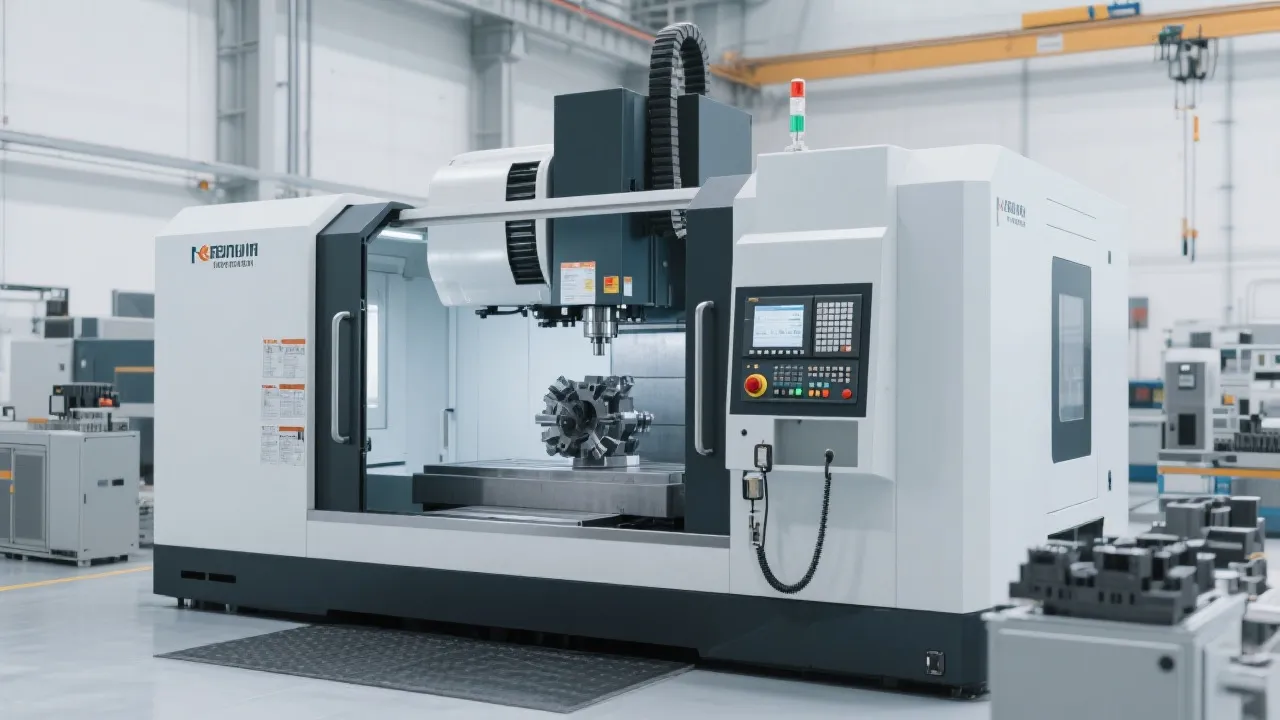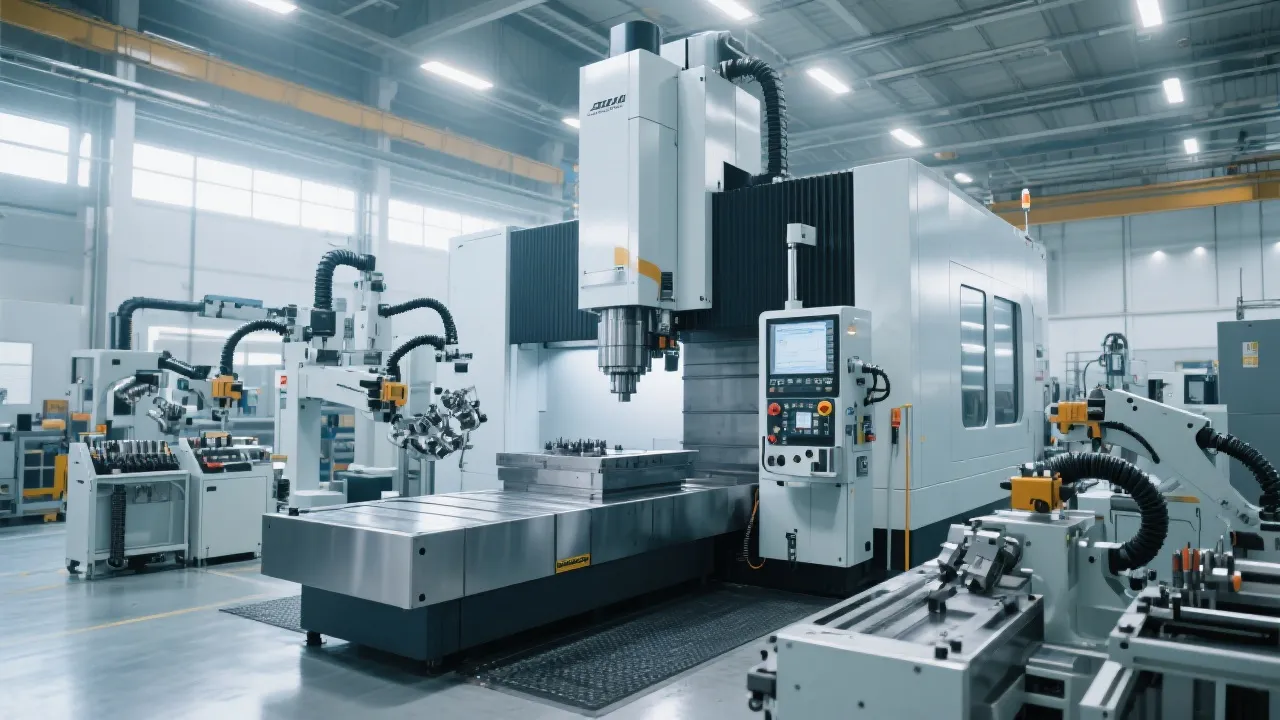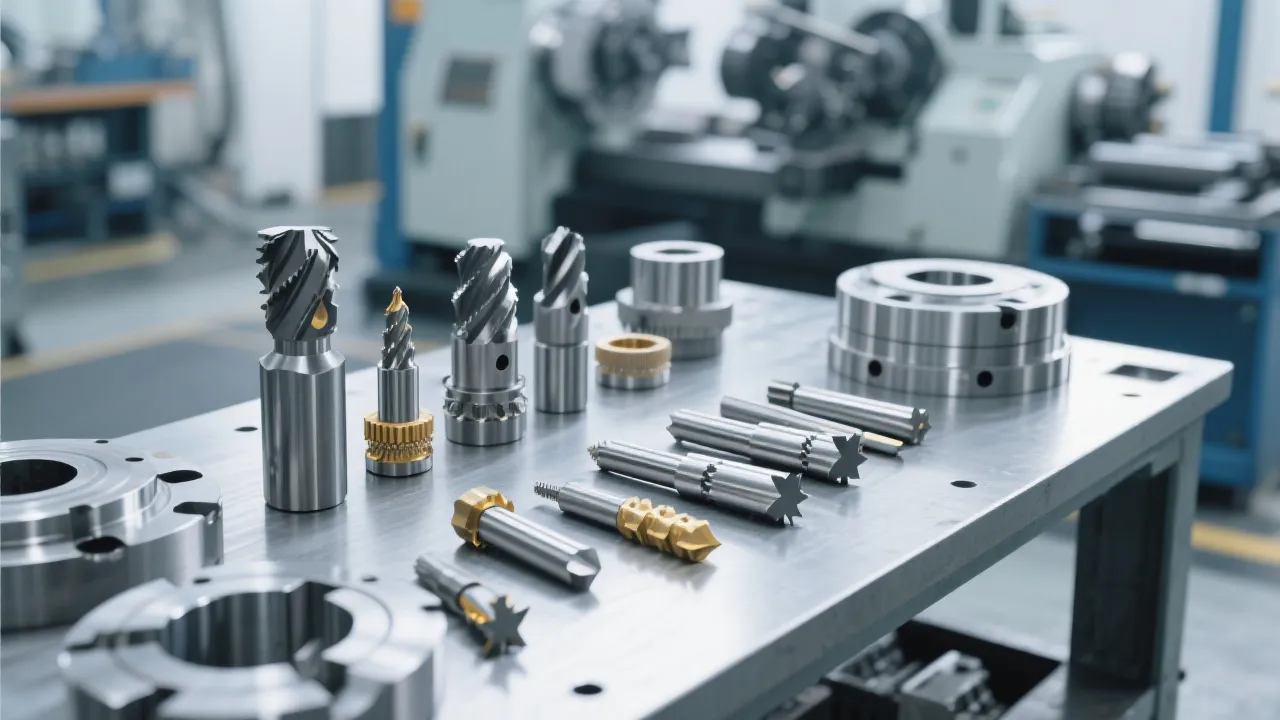
As a manufacturing professional, you know that mastering five-axis联动 programming is crucial for staying competitive in today's market. In this comprehensive guide, we'll delve into the core techniques of five-axis联动 programming, from coordinate system conversion to the entire process of complex surface machining. We'll also address the specific challenges of machining non-metallic materials like graphite and provide practical solutions to help you achieve high precision and efficiency.
Before we dive into the details, let's start by understanding the fundamental logic of five-axis联动 programming. This includes coordinate system transformation, tool path planning, interference checking, and simulation verification. By mastering these basic concepts, you'll be able to build a solid foundation for more advanced programming tasks.
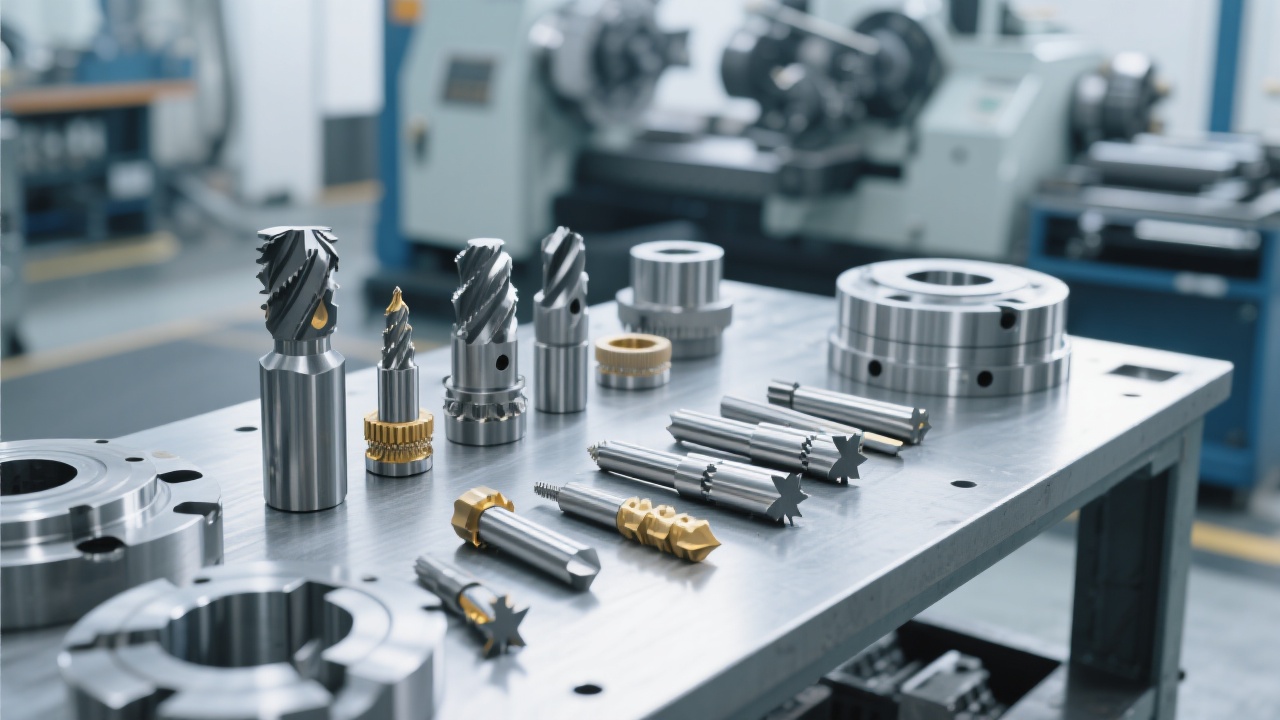
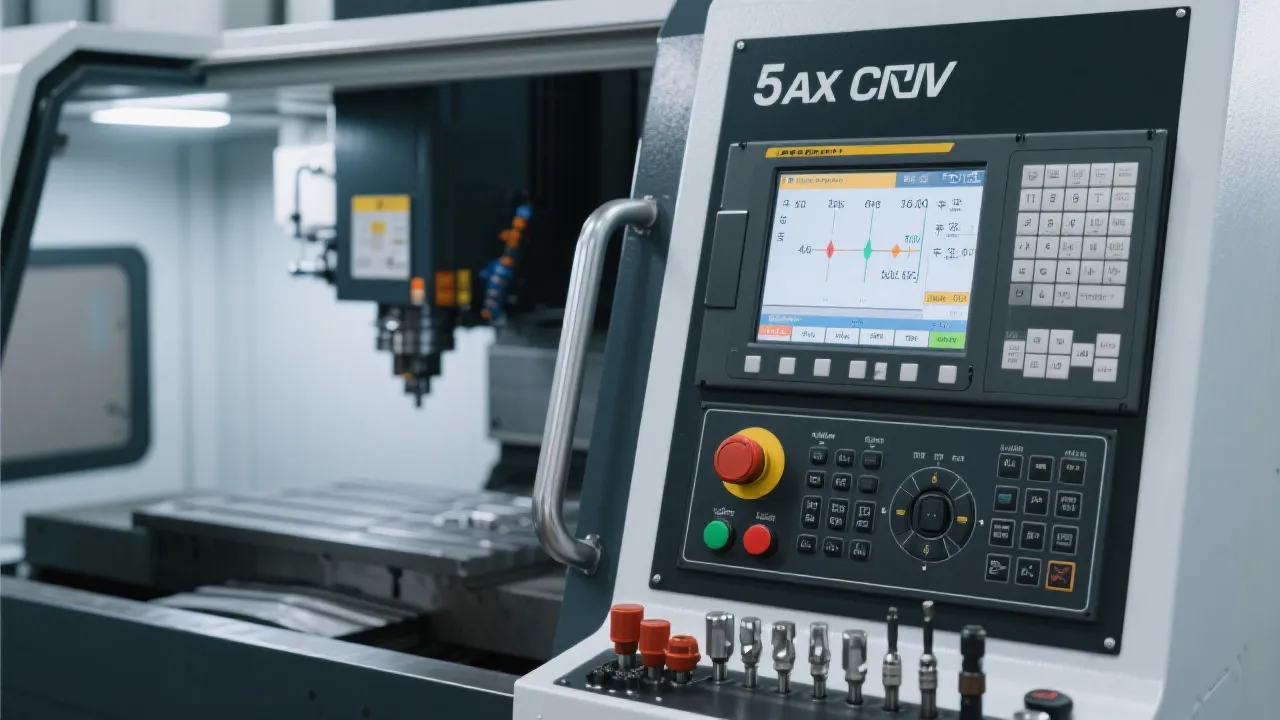
Coordinate system transformation is a key aspect of five-axis联动 programming. It allows you to define the position and orientation of the workpiece and the cutting tool in a three-dimensional space. By correctly setting up the coordinate system, you can ensure accurate machining and avoid errors.
The five-axis联动 programming process is not without its challenges. Precision control, interference risk, and thermal deformation are some of the common issues that manufacturers face. In this section, we'll focus on these pain points and provide practical solutions to help you overcome them.
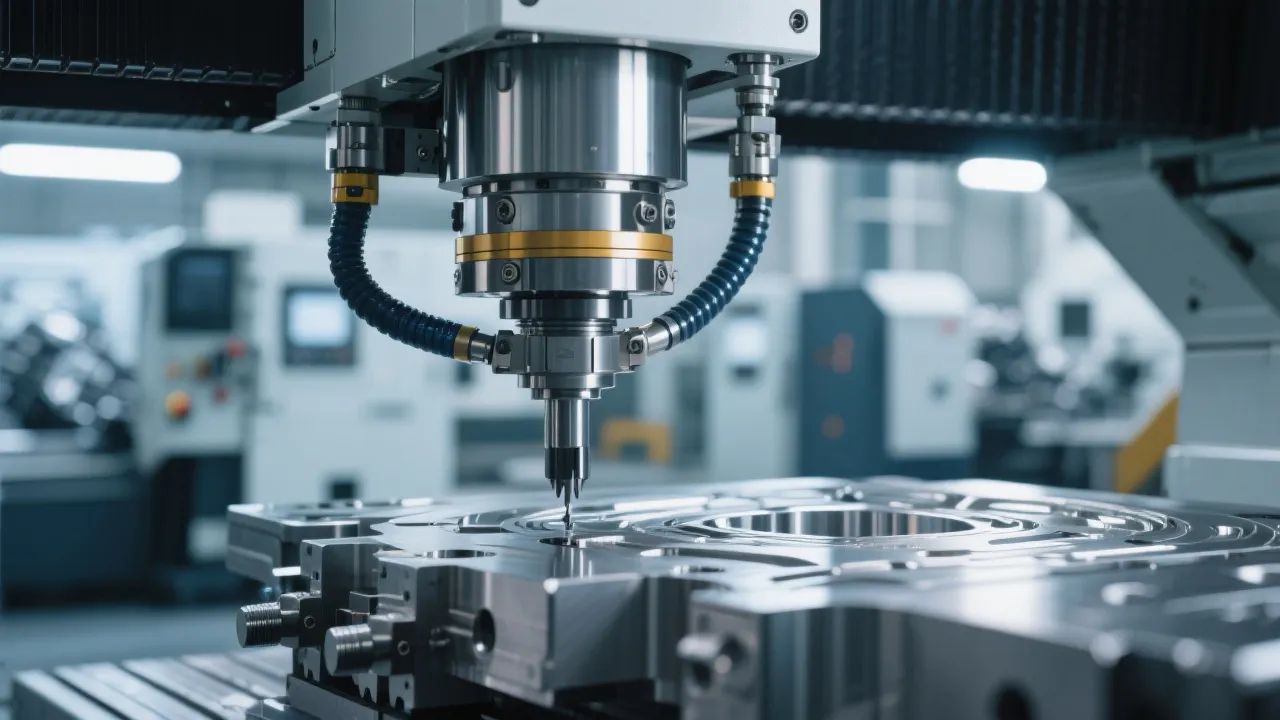
For example, to address the issue of precision control, we'll introduce techniques for accurate tool path planning and interference checking. By using advanced simulation software, you can verify the tool path before machining, reducing the risk of errors and improving the overall quality of the finished product.
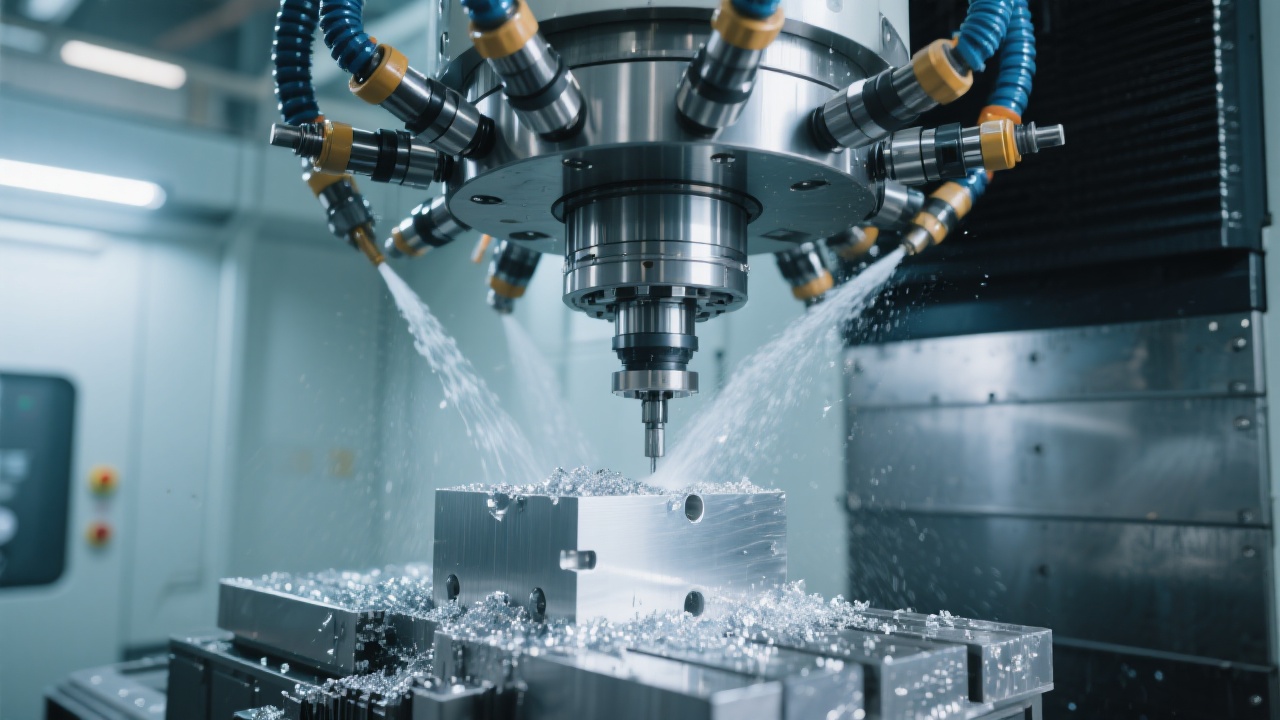
To mitigate the impact of thermal deformation, we'll discuss strategies for managing heat during the machining process. This includes using appropriate cutting parameters, cooling methods, and materials that are less susceptible to thermal expansion.
Graphite is a commonly used non-metallic material in the manufacturing industry, especially for applications such as electrodes and molds. However, machining graphite presents unique challenges, such as thermal stress and cutting force fluctuations. In this section, we'll provide specific methods for programming graphite materials to avoid these issues.
We'll discuss how to select the right cutting tools, cutting parameters, and programming strategies based on the properties of graphite. By following these guidelines, you can minimize the risk of thermal deformation and ensure high-quality machining results.
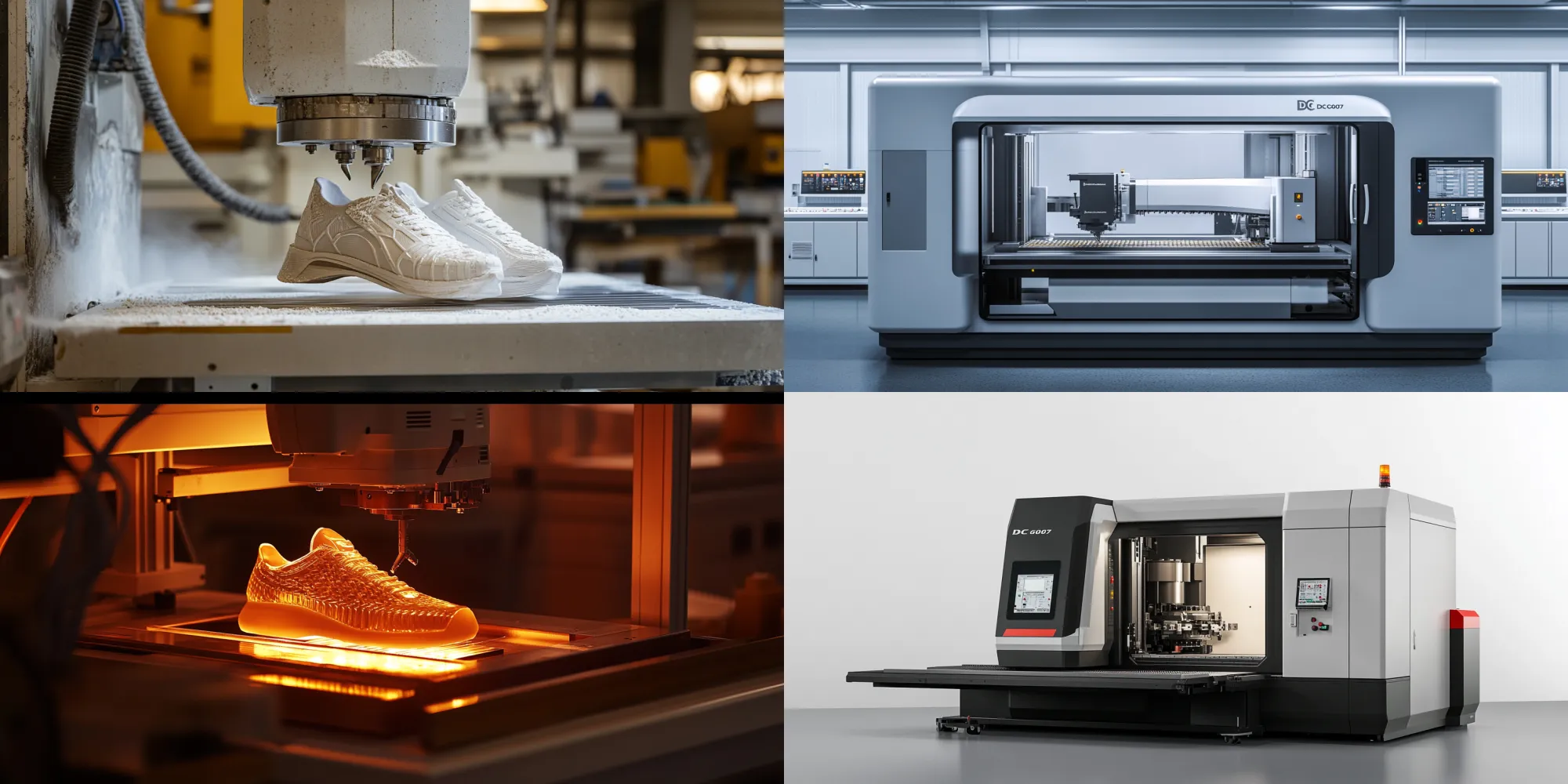
To make this guide more practical and relevant, we'll use real-world examples such as impellers and mold cavities to illustrate the complete process flow and programming ideas. By analyzing these examples, you'll be able to better understand how to apply the concepts and techniques we've discussed.
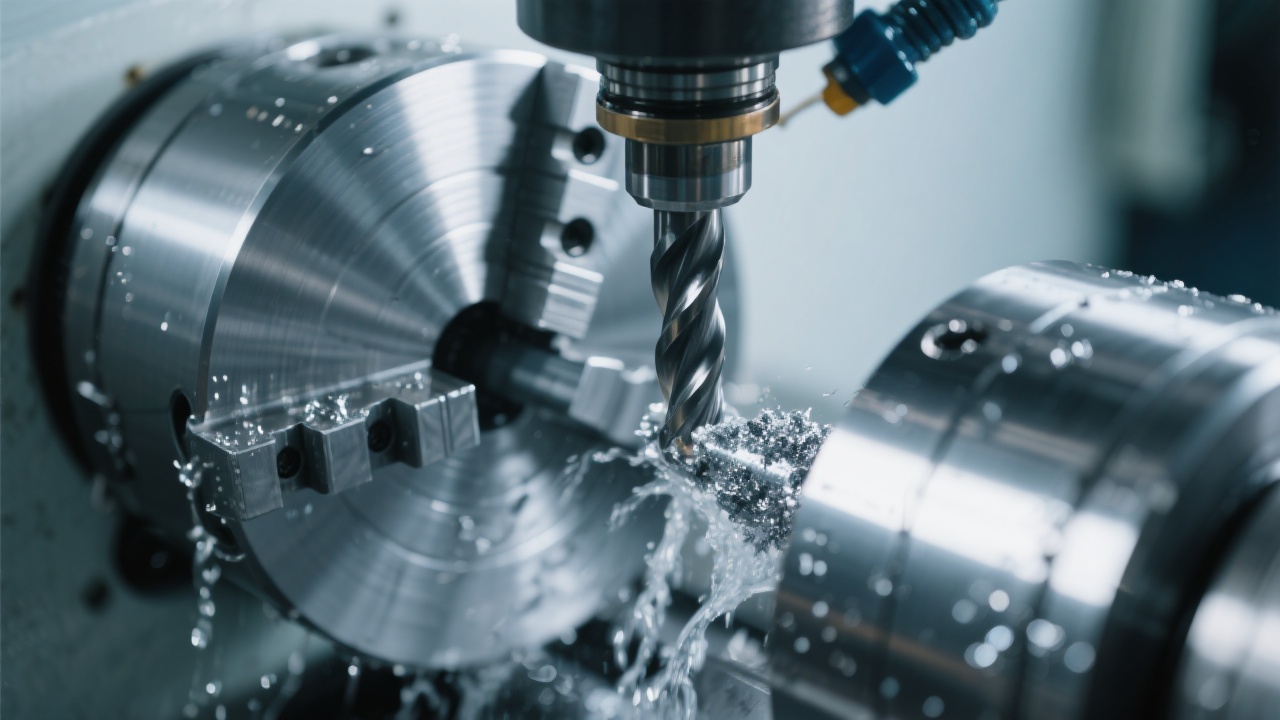
We'll also compare the key settings and common errors of mainstream CAM software, and extract a standardized programming process to improve efficiency. By following this standardized process, you can reduce the time and effort required for programming, while also improving the accuracy and consistency of your results.
| Question | Answer |
|---|---|
| What is the most important thing in five-axis联动 programming? | Mastering the coordinate system transformation and tool path planning is crucial. It ensures accurate machining and reduces the risk of interference. |
| How can I avoid thermal deformation when machining graphite? | Use appropriate cutting parameters, cooling methods, and select graphite materials with low thermal expansion coefficients. |
| Which CAM software is the best for five-axis联动 programming? | It depends on your specific needs and preferences. We'll compare the key settings of mainstream CAM software in this guide to help you make a choice. |
Do you have any questions about five-axis联动 programming or complex surface machining? Leave your questions below, and our experts will answer them as soon as possible!
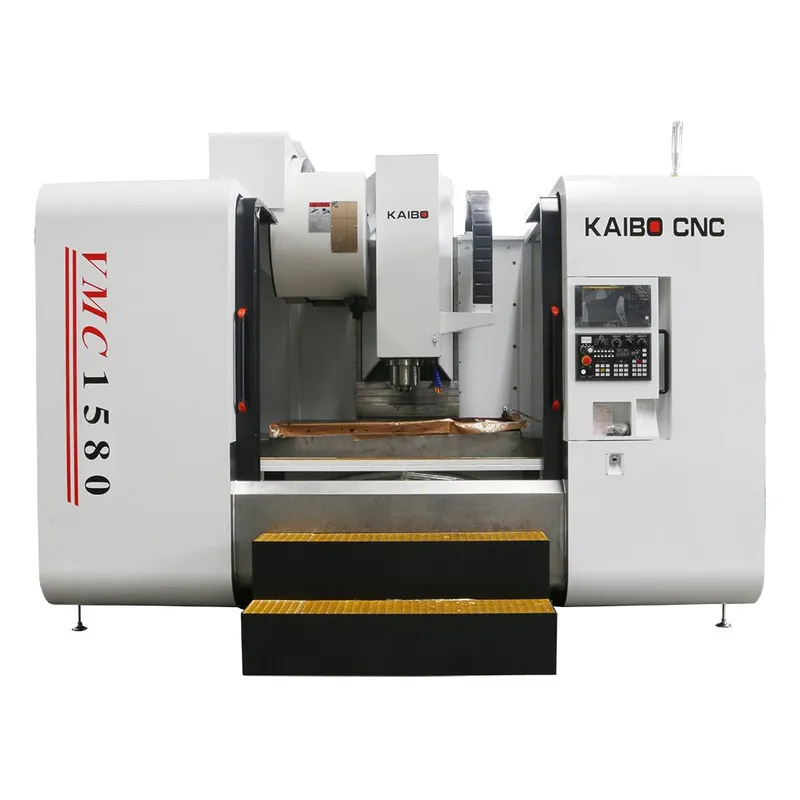
By now, you've gained a comprehensive understanding of five-axis联动 programming and complex surface machining. If you're looking for a reliable partner to help you implement these techniques, look no further than Kaibo CNC. Our FH855L RTCP five-axis vertical machining center is equipped with advanced RTCP control technology, which is suitable for complex surface programming requirements. It has been verified through practical operations, helping you shorten the trial production cycle and improve the one-time forming success rate. Learn more about Kaibo CNC's solutions