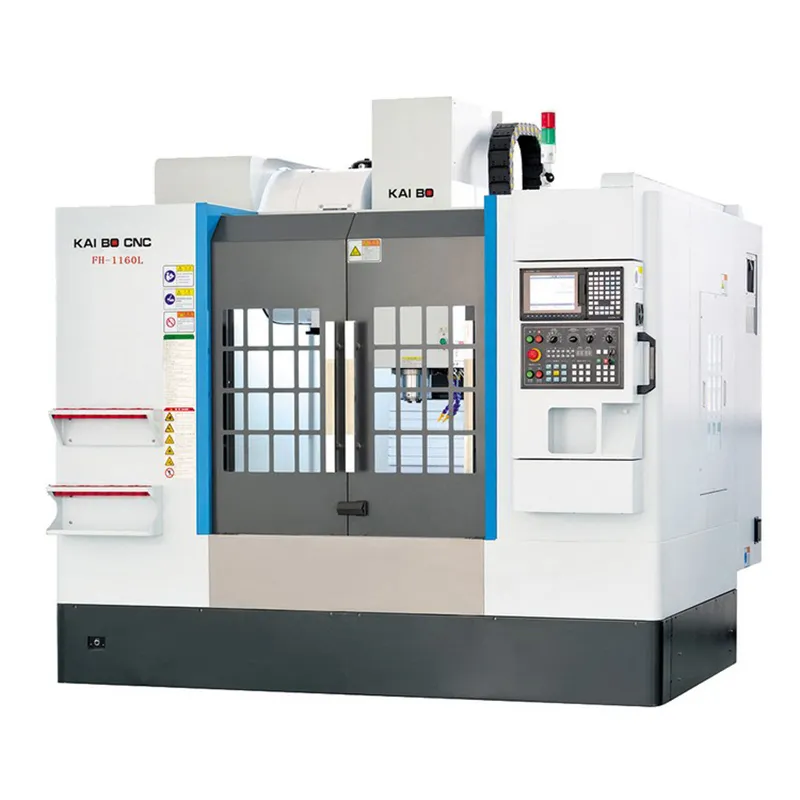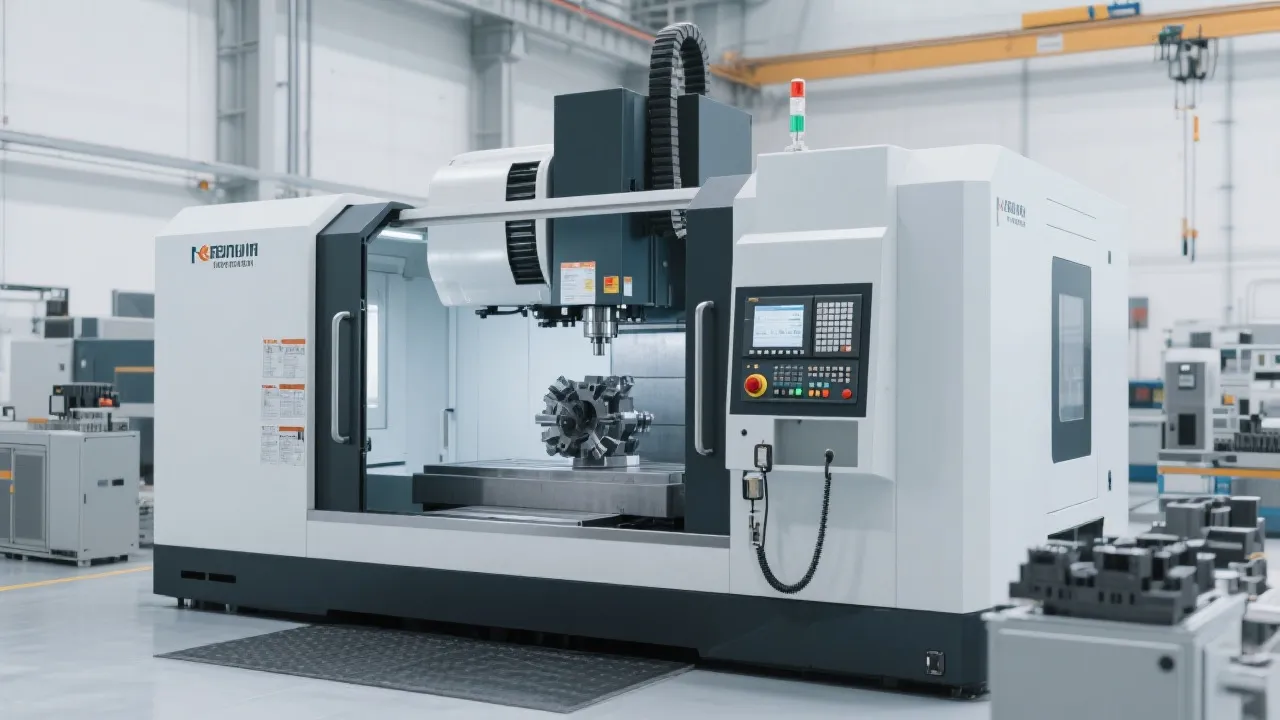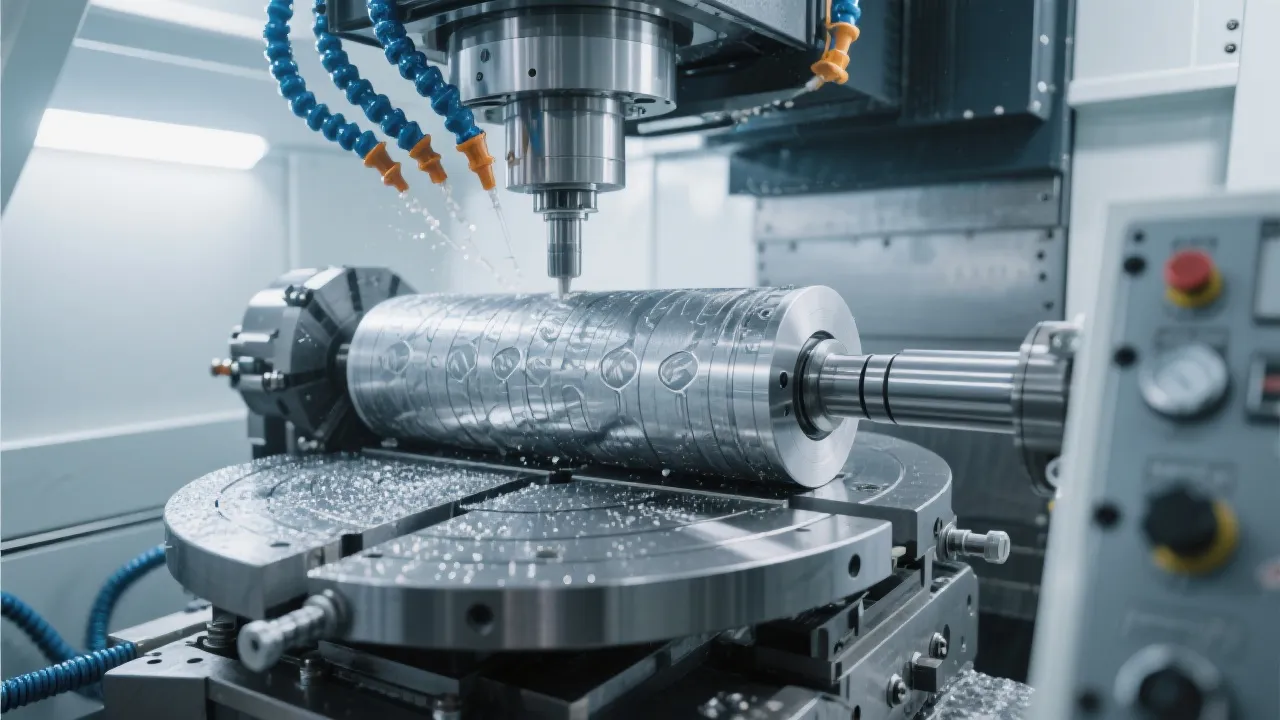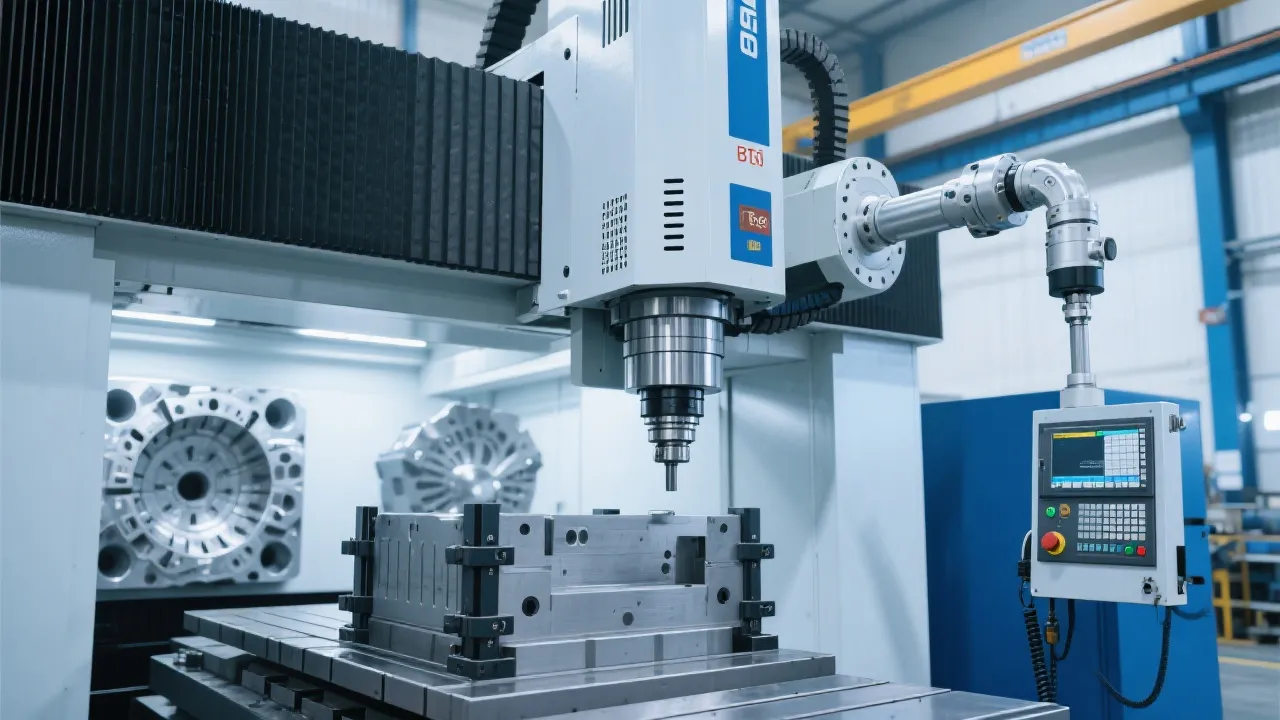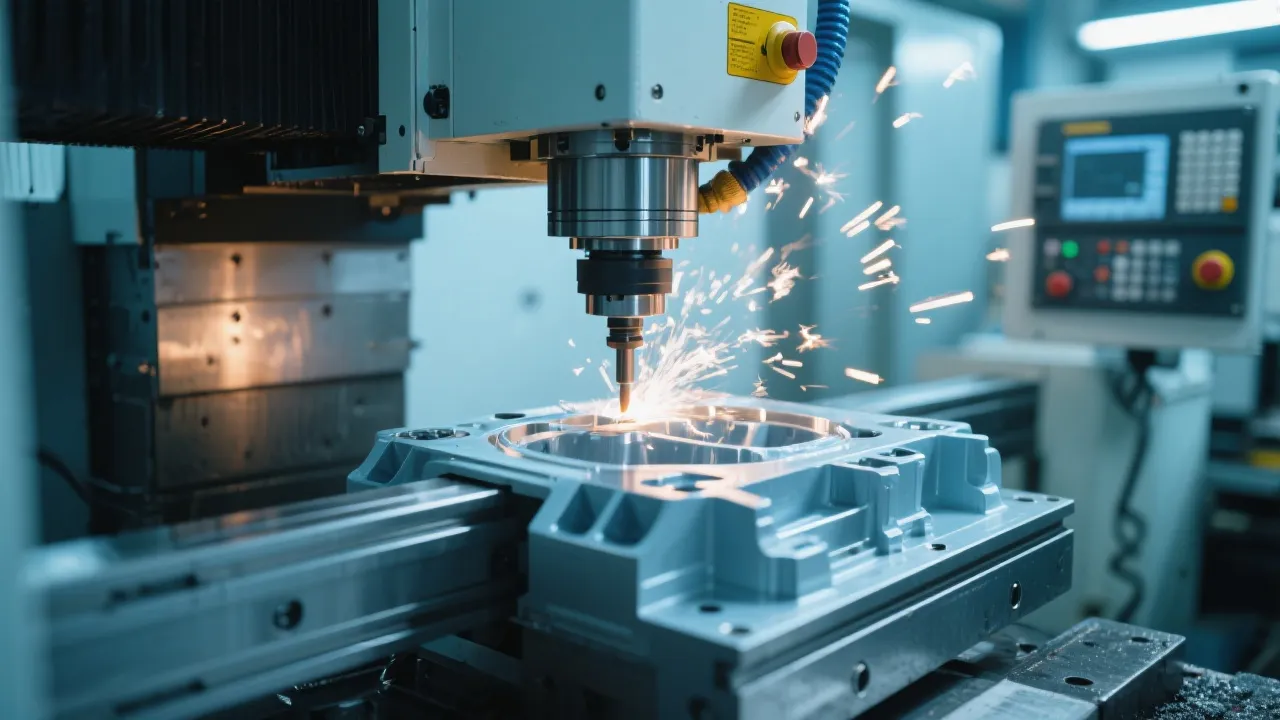
Mastering the interplay between high-torque spindle motors and advanced servo drive systems is critical to elevating the performance of CNC vertical machining centers, particularly when processing challenging hard materials such as stainless steel and titanium alloys. Ningbo Kaibo CNC Machinery Co., Ltd.'s FH1580L model exemplifies this synergy, delivering unmatched stability, surface finish, and tool longevity by scientifically calibrating spindle and servo parameters to the material's unique attributes and cutting demands.
The core of effective machining of hard materials lies in harmonizing the high-torque spindle motor's characteristic curves with the dynamic response of the servo drive system. Unlike softer metals, materials such as titanium alloys impose high cutting forces and often cause vibration-induced surface defects. The FH1580L’s spindle motor offers continuous torque exceeding 150 Nm at operational speeds up to 6000 RPM, ensuring sufficient cutting power under varying load conditions.
Simultaneously, the servo system employs advanced vector control techniques to guarantee rapid acceleration/deceleration and precise positioning. This results in minimized backlash and optimized feed motion accuracy, critical for reducing micro-vibrations and chatter during machining.
Successful application of the FH1580L.CNC vertical machining center involves tailoring cutting parameters—speed, feed rate, depth of cut—with respect to material hardness and thermal properties. For instance, stainless steel machining benefits from moderate spindle speed (~4000 RPM) with a higher feed rate to prevent work hardening, while titanium alloys require slower spindle speeds (~2500 RPM) combined with reduced cutting depths to avoid thermal damage and tool deflection.
Lessons learned from in-field case studies demonstrate that adjusting servo responsiveness to accommodate transient load spikes during roughing cycles effectively suppresses vibration. The inherent servo loop bandwidth above 200 Hz allows real-time damping of mechanical oscillations, thereby improving surface quality and extending tool life by up to 30%.
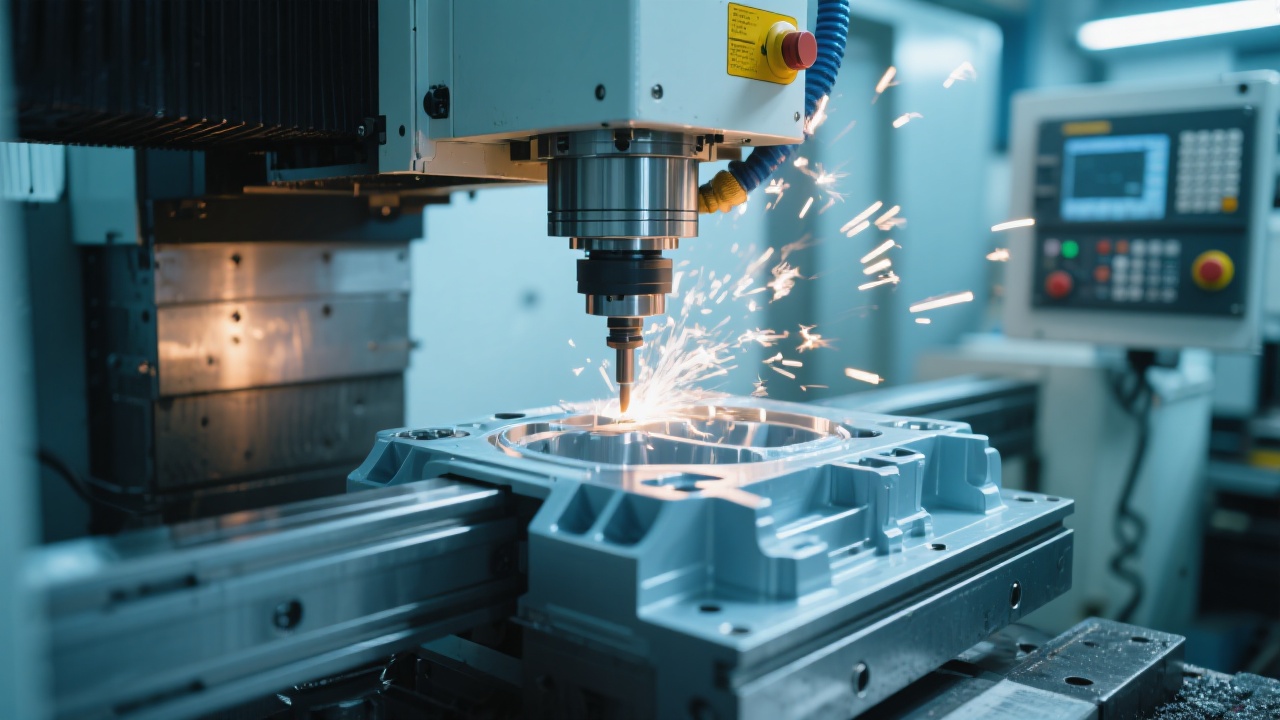
Vibration control remains a key challenge in hard material machining. The FH1580L addresses this through integrated mechanical design and control algorithms. The spindle incorporates active damping bearings that reduce resonance frequencies around 500 Hz, while the servo drive's adaptive feed control modifies acceleration profiles to dampen stick-slip effects.
Additional benefits include improved surface roughness values, often achieving Ra ≤ 0.8 µm in titanium parts—benchmark results for aerospace and medical component manufacturing. Furthermore, the synergistic tuning of spindle torque and servo velocity decreases the frequency of tool re-grinds and replacements, facilitating uninterrupted production cycles.
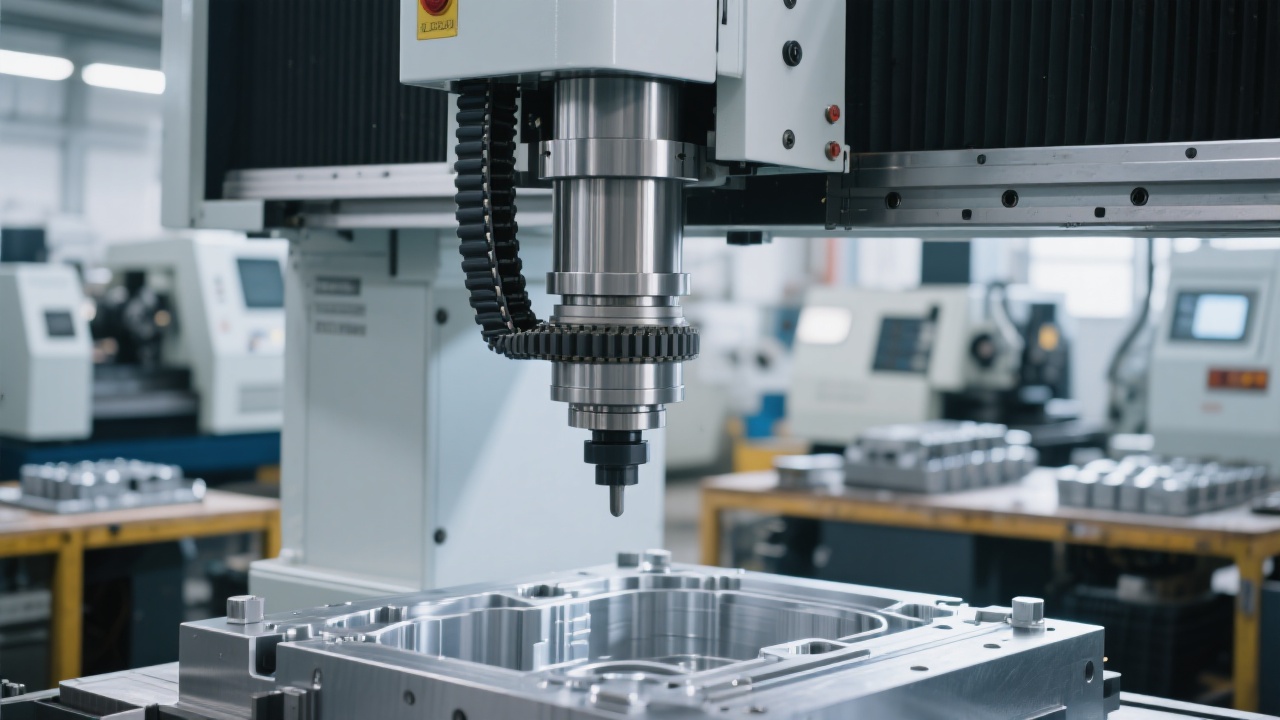
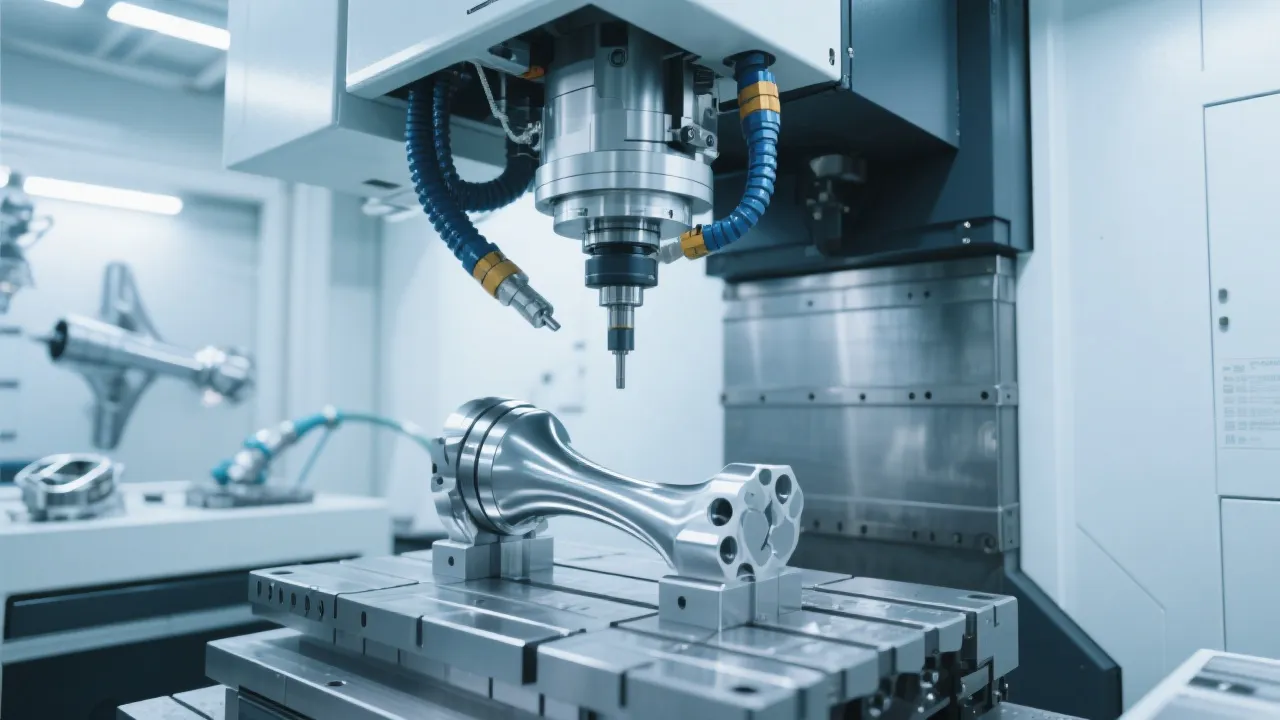
In practical terms, the FH1580L has been deployed successfully in the manufacturing of precision mechanical components for automotive and aerospace sectors. One documented case involved machining a titanium alloy impeller requiring complex 5-axis operations. By applying matched torque profiles and servo tuning, cycle times were reduced by 18%, while dimensional tolerances were consistently maintained within ±0.01 mm.
Another application focused on stainless steel mold inserts where surface finish and burr formation control were paramount. The adaptability of the spindle-servo assembly enabled fine adjustments mid-run, preventing thermal distortion and achieving superior edge quality without sacrificing throughput.
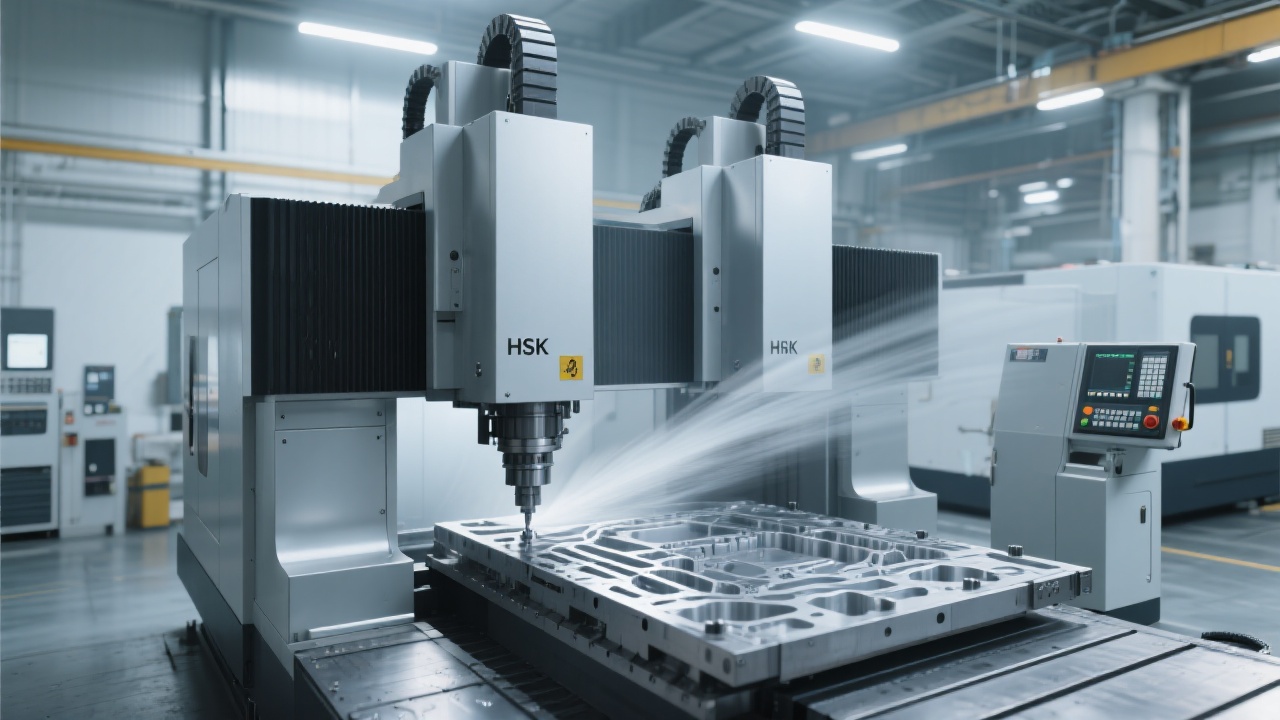
With its expertly engineered high-torque spindle motors and intelligent servo drive matching, the FH1580L positions itself as a top-tier solution for manufacturers seeking to overcome the inherent challenges of hard material processing. The system’s proven ability to optimize cutting parameters dynamically guarantees not just enhanced surface quality and tooling economy, but also sustained operational reliability in demanding machining environments.
Coupled with Kaibo CNC’s robust technical support and continuous R&D investment, users gain a competitive edge in productivity and innovation.