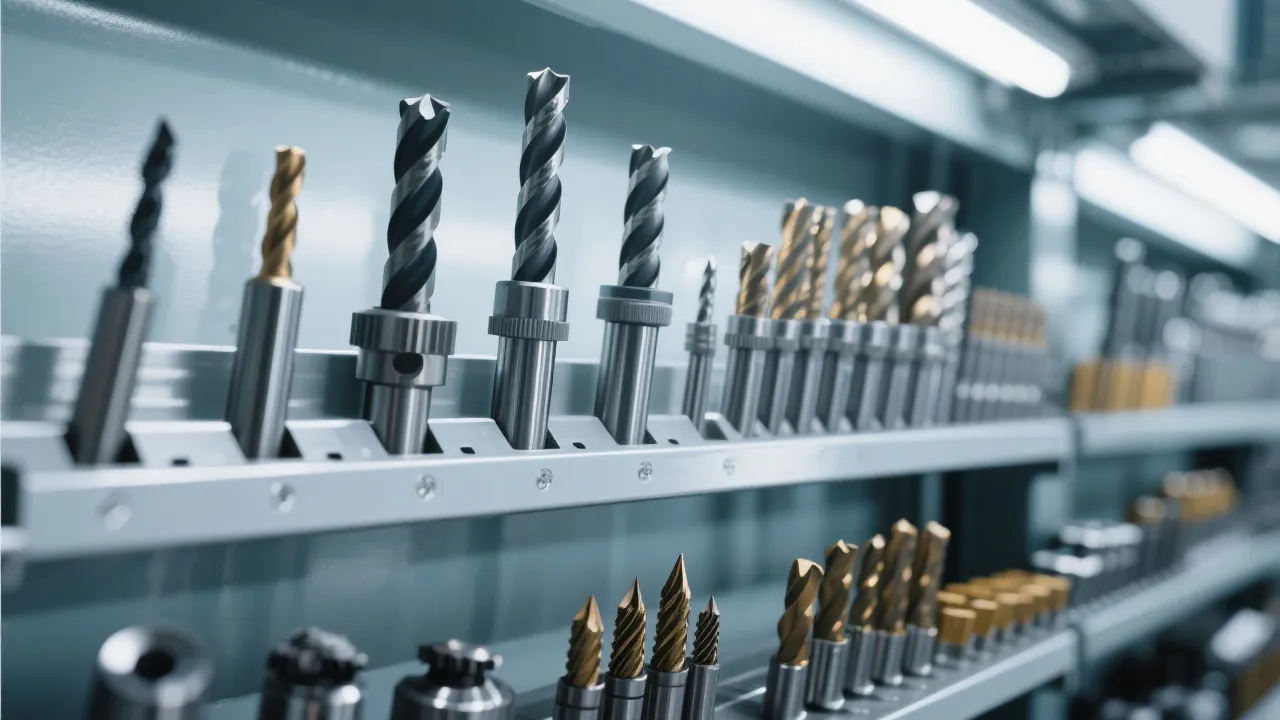
High - end graphite workpiece machining demands extremely high stability and precision from equipment. Vertical machining centers have emerged as the key to achieving accurate and efficient machining, thanks to their diverse machining head configurations, advanced Mitsubishi CNC systems, and large - stroke, high - cutting - rate parameters. This article delves into the technical advantages and application practices of vertical machining centers, guiding operators and technicians to optimize machining plans, enhance production efficiency, and improve machining quality. It also provides practical tutorials to assist in equipment selection.
Graphite materials have unique physical and chemical properties that pose significant challenges in the machining process. Their high hardness and brittleness require equipment with excellent stability and precision to prevent cracking and chipping. According to industry research, nearly 30% of graphite workpiece machining failures are due to improper equipment selection or sub - optimal machining parameters.
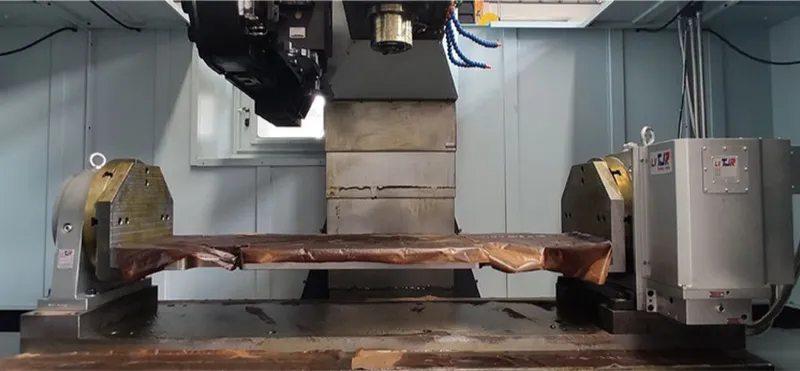
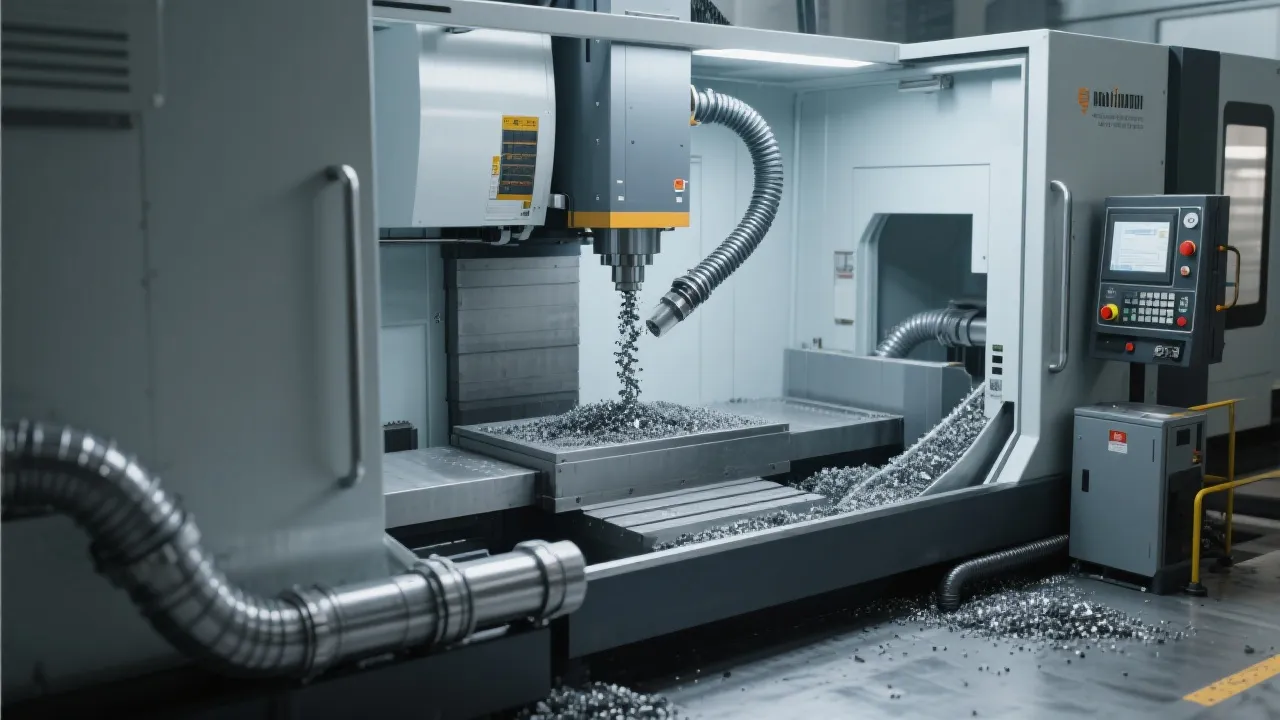
One of the main advantages of vertical machining centers is their diverse machining head configurations. Multiple right - angle heads and universal heads can significantly enhance the flexibility of machining processes. For example, a right - angle head can perform side milling operations, which is crucial for complex graphite workpieces. With these special heads, operators can complete multiple machining steps without re - clamping the workpiece, reducing setup time by up to 40%.
The advanced Mitsubishi CNC system in vertical machining centers also plays a vital role. It enables seamless switching between multiple spindle configurations, ensuring high - precision machining. The system can precisely control the movement of the spindle, achieving a positioning accuracy of ±0.005mm. This high - level accuracy is essential for the production of high - end graphite workpieces.
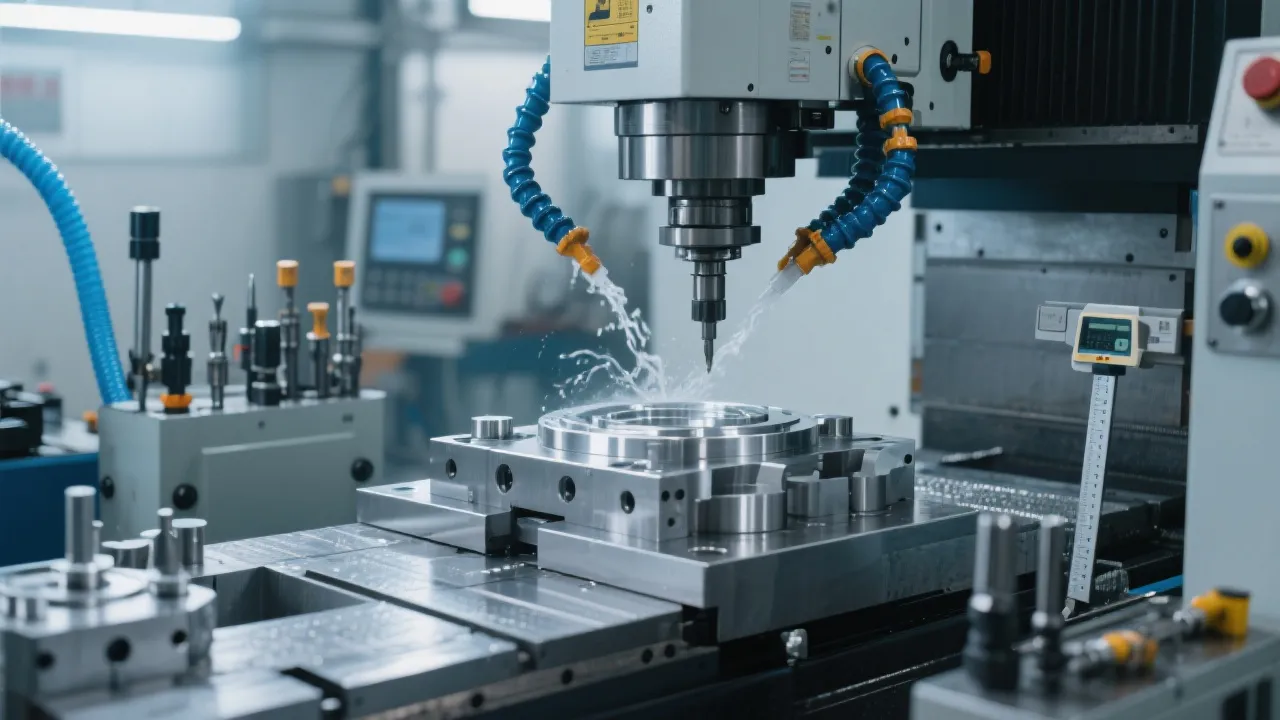
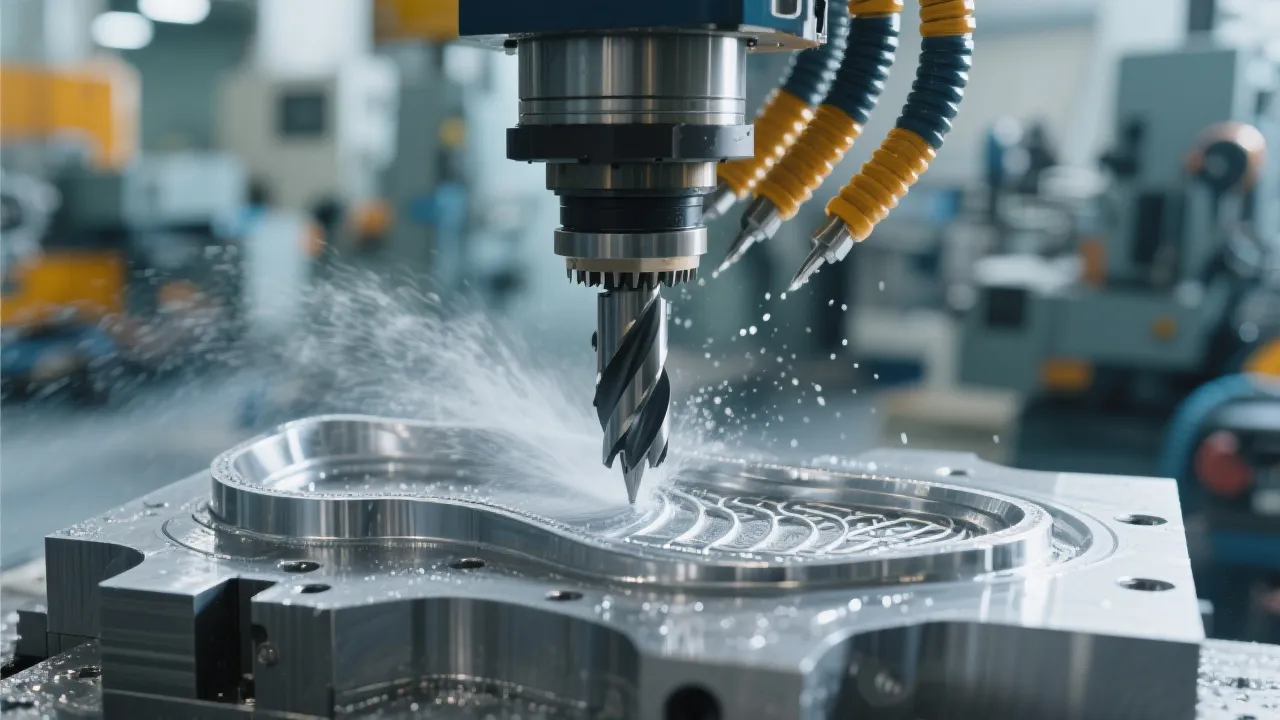
In addition, the large - stroke and high - cutting - rate features of vertical machining centers are ideal for both rough milling and finishing. During rough milling, a high cutting rate can remove large amounts of material quickly, reducing the machining time by approximately 30%. In the finishing process, the large - stroke design allows for smooth and continuous machining, improving the surface finish quality of the workpiece.
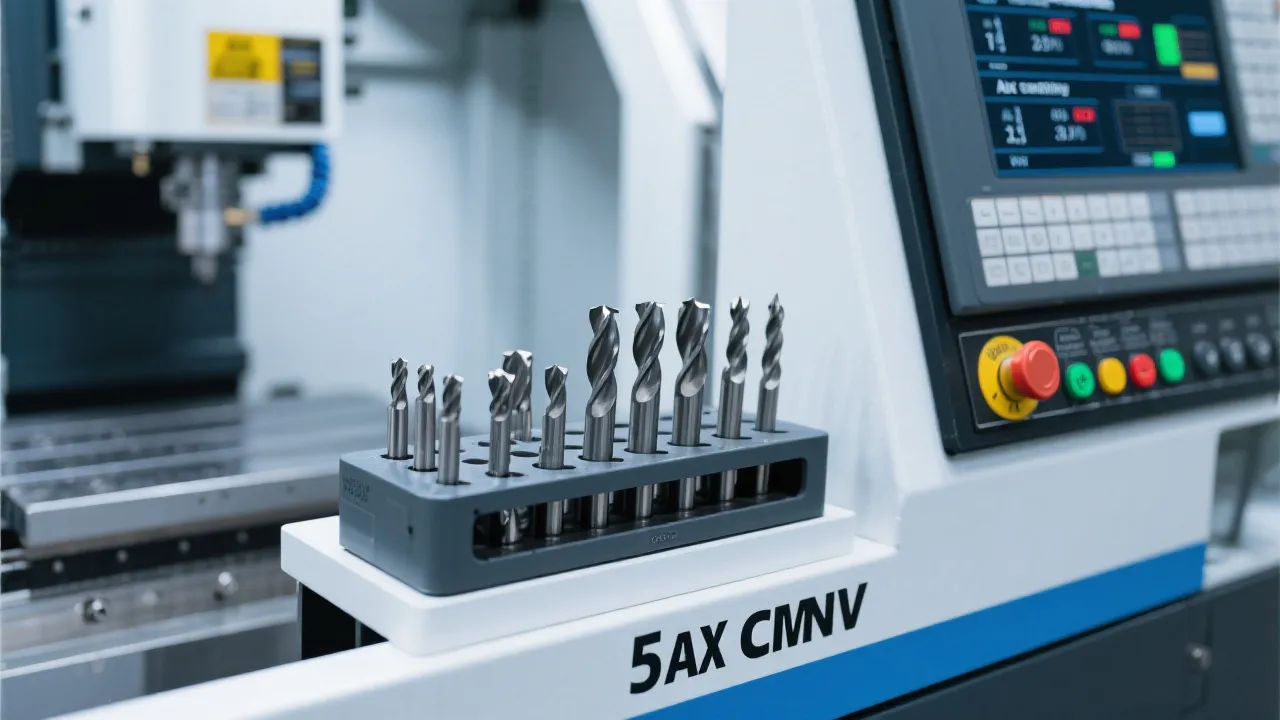
For machining center operators, it is crucial to understand how to fully utilize the features of vertical machining centers. First, they need to select the appropriate machining head according to the shape and requirements of the graphite workpiece. Then, they should set the correct parameters in the Mitsubishi CNC system, including spindle speed, feed rate, and cutting depth. Regular maintenance of the equipment is also necessary to ensure its long - term stable operation.
For equipment selection and technical managers, they should consider factors such as the size of the workpiece, the complexity of the machining process, and the production volume. They can refer to industry benchmarks and case studies to make more informed decisions. Video and chart demonstrations can also be used to help them better understand the performance and capabilities of different vertical machining centers.
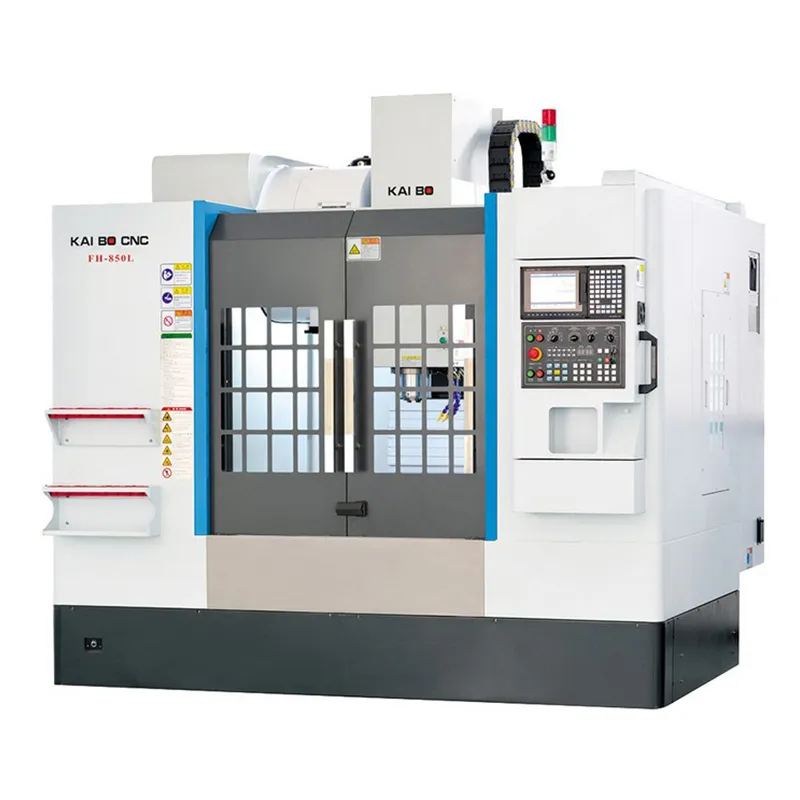
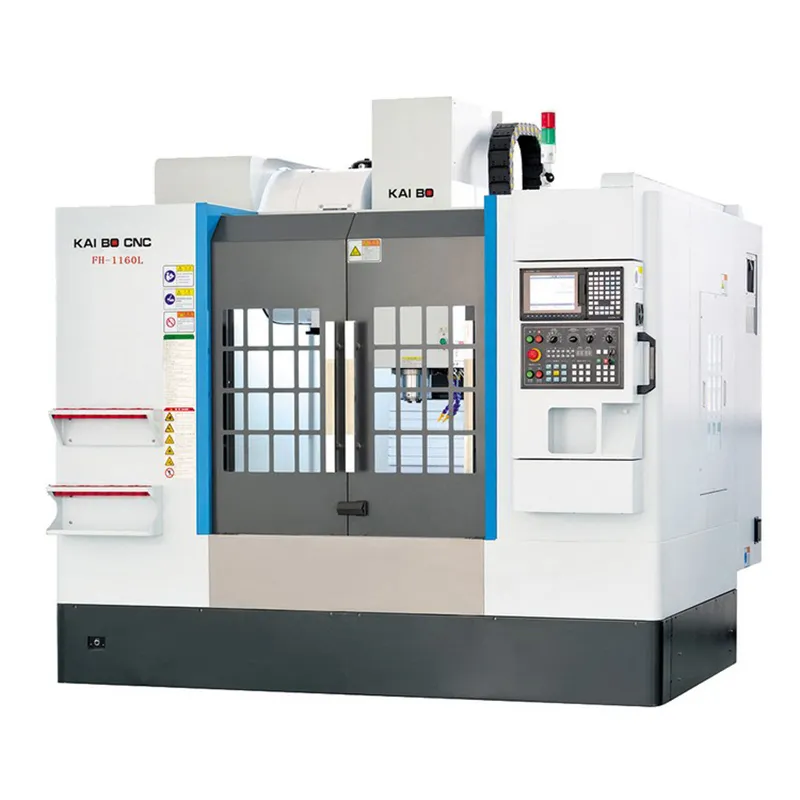
In conclusion, vertical machining centers are indispensable for high - end graphite workpiece machining. Their technical advantages can effectively solve the challenges in graphite material machining, improving production efficiency and product quality. If you are looking for high - quality vertical machining equipment for graphite workpiece machining, explore Kaibo CNC's high - end vertical machining equipment to take your graphite machining to the next level.




 <#else>