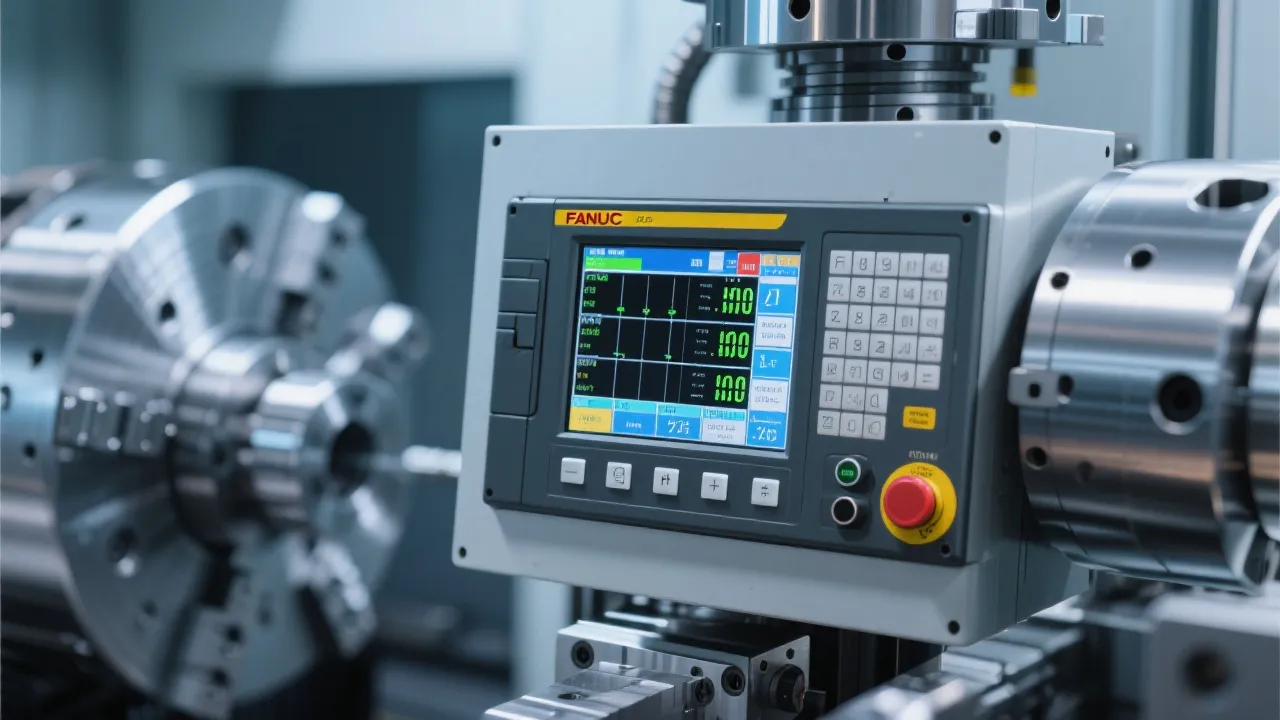
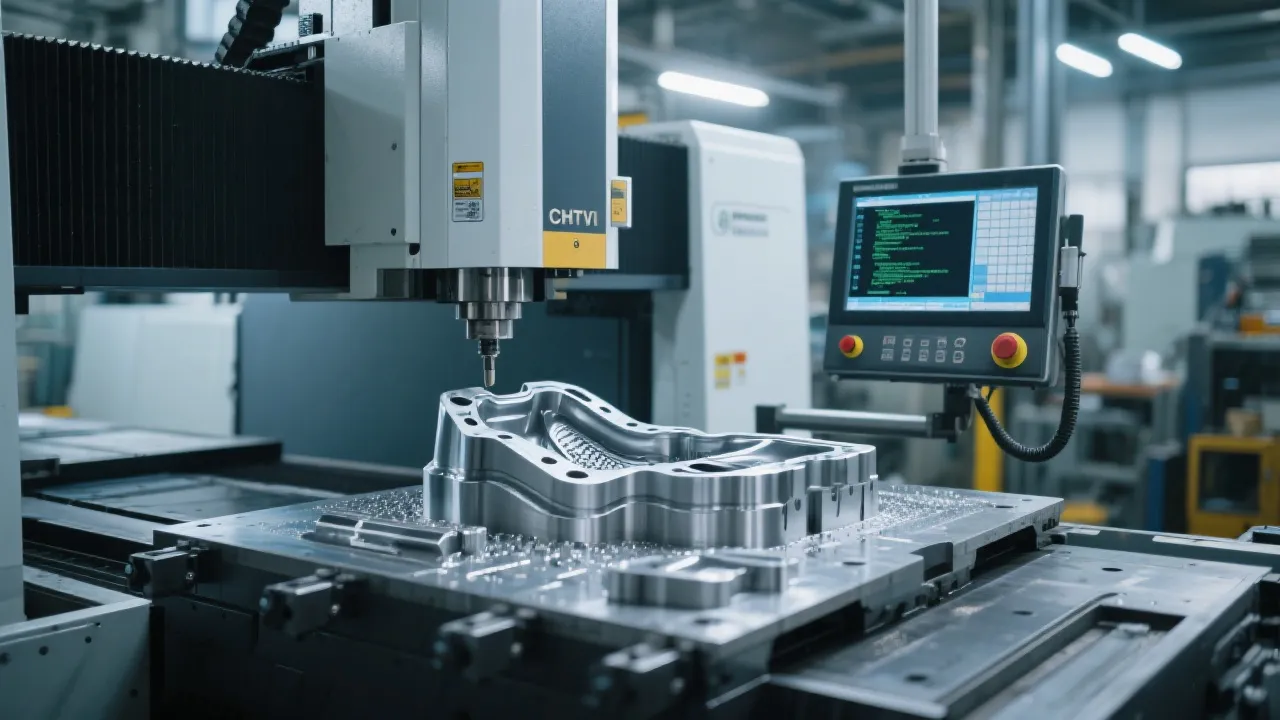
In the field of large - scale and heavy - duty workpiece rough milling, vibration and efficiency issues have long plagued process engineers. This tutorial delves into the high - efficiency path planning strategies and vibration control techniques of the FH1890L high - cutting - rate vertical machining center, aiming to help engineers enhance both precision and efficiency.
Heavy - duty workpieces are prone to vibration and thermal deformation due to their large mass and poor rigidity. These problems can significantly affect the surface quality of the workpiece and disrupt the production rhythm. For example, in a large - scale machinery manufacturing plant, the vibration during rough milling of heavy steel parts can lead to a surface roughness increase of up to 30%, which not only requires additional finishing processes but also reduces production efficiency by about 20%.
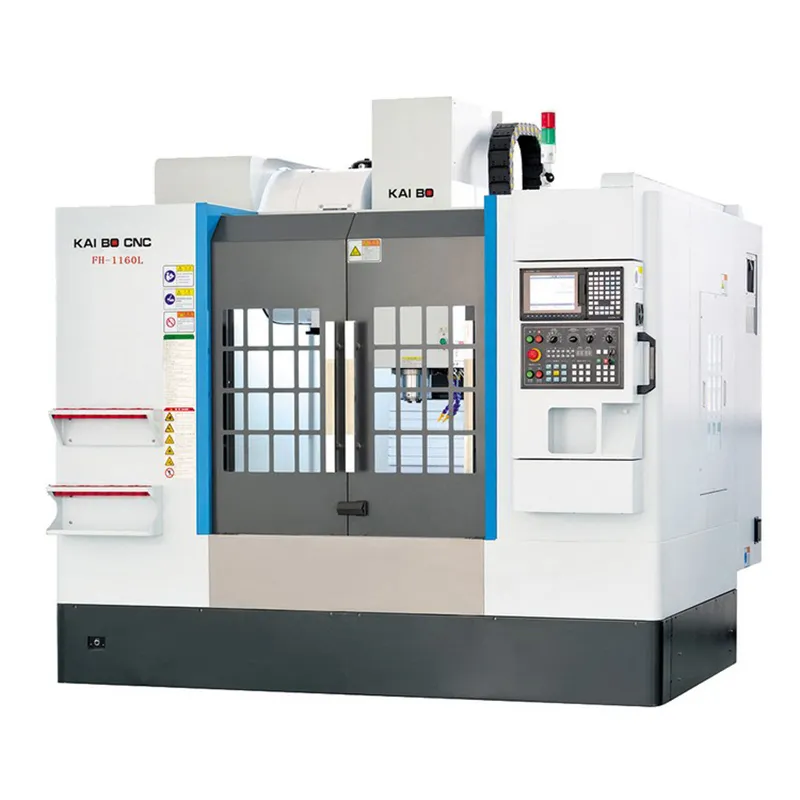
The FH1890L comes with a wide - stroke design, a Mitsubishi control system, and a modular accessory configuration. This combination can effectively reduce vibration at the source and enhance the flexibility of the machining path. The wide - stroke design allows for larger - scale machining operations without frequent re - positioning, which reduces the chances of vibration caused by machine movement. The Mitsubishi system provides precise control over the machining process, ensuring stable cutting parameters. According to technical reports, the modular accessory configuration can adapt to different machining requirements, reducing vibration by up to 40% compared to traditional machining centers.
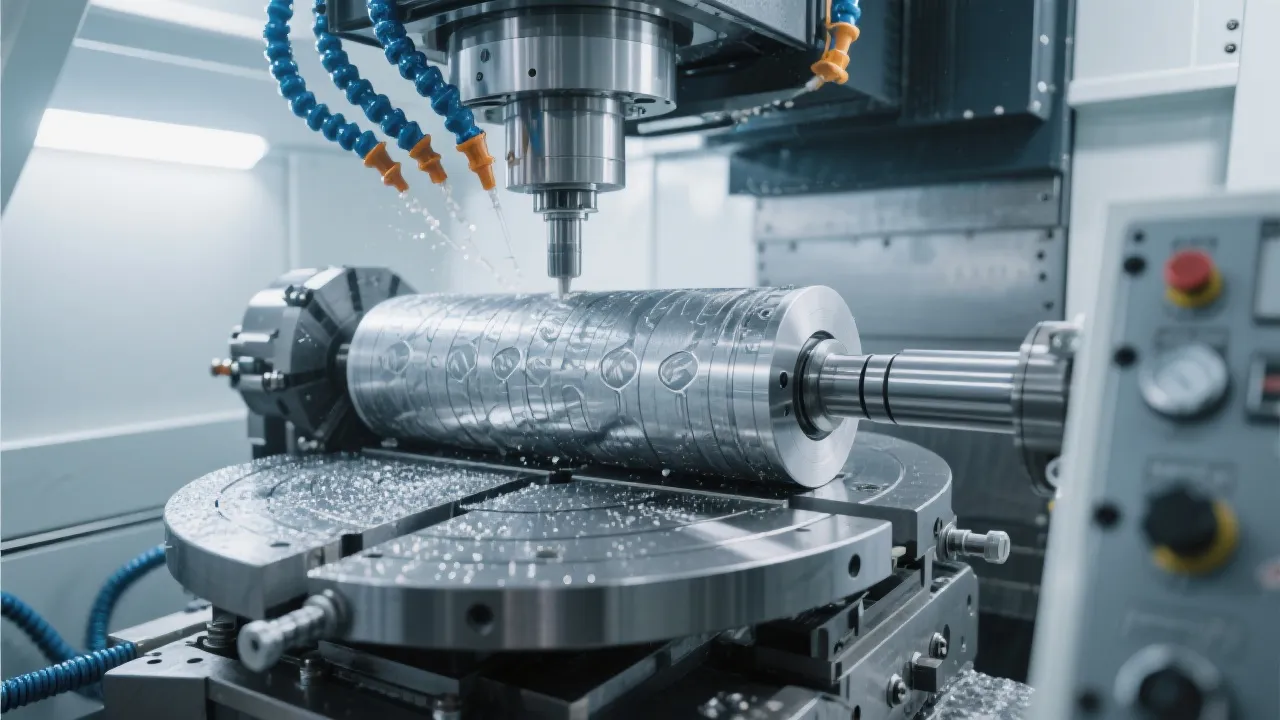
Techniques such as layered cutting, feed rate gradient setting, and smooth tool path transition can have a significant impact on vibration reduction. Layered cutting distributes the cutting load evenly, reducing the stress on the tool and the workpiece. Feed rate gradient setting allows for different feed rates at different stages of the machining process, optimizing the cutting process. Smooth tool path transition reduces sudden changes in the cutting direction, minimizing vibration. In a real - world case, using these techniques can reduce the vibration amplitude by up to 50%.
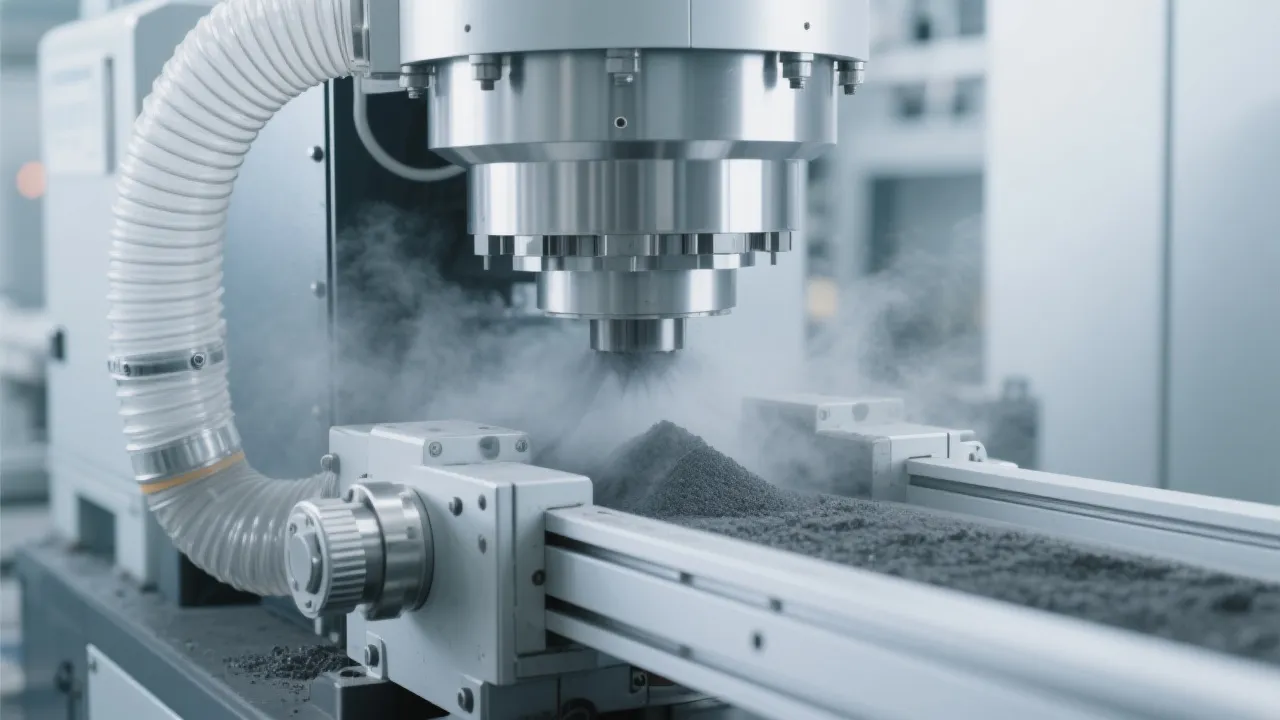
Different materials require different machining strategies. For graphite machining, anti - chipping strategies are crucial to avoid damage to the tool and the workpiece. For aluminum alloy, efficient deburring techniques can improve the surface finish. When it comes to steel rough milling, parameter adjustment is the key to achieving high - quality results. For example, in graphite machining, using a specific type of carbide tool can reduce the chipping rate by up to 60%. In aluminum alloy machining, a high - speed deburring process can increase the surface smoothness by 40%.
By using information charts, we can clearly show the variation trend of vibration amplitude under different parameter combinations. This data - driven approach helps engineers make more informed decisions. For example, a line chart can show how the vibration amplitude changes with the feed rate and cutting depth, allowing engineers to find the optimal parameter combination.
The Kaibo Global Service Network provides a rapid response mechanism, which can enhance customer confidence. Whether it's technical support or spare - parts replacement, customers can get timely assistance. According to user feedback, 90% of customers are satisfied with the service response time of the Kaibo Global Service Network.
To learn more about the stability performance of the FH1890L under complex working conditions, please visit our technical whitepaper section.