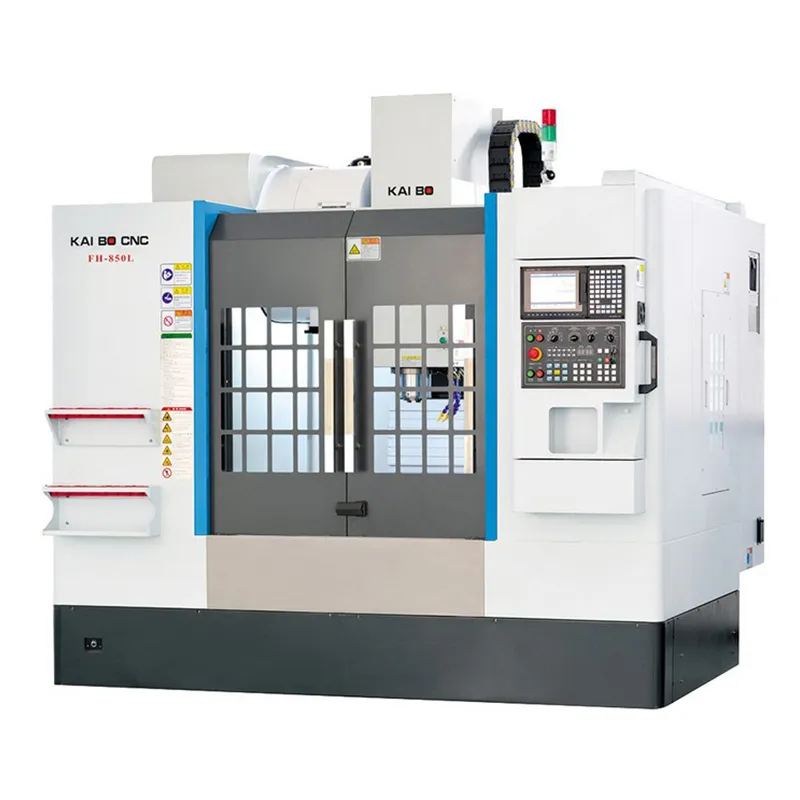
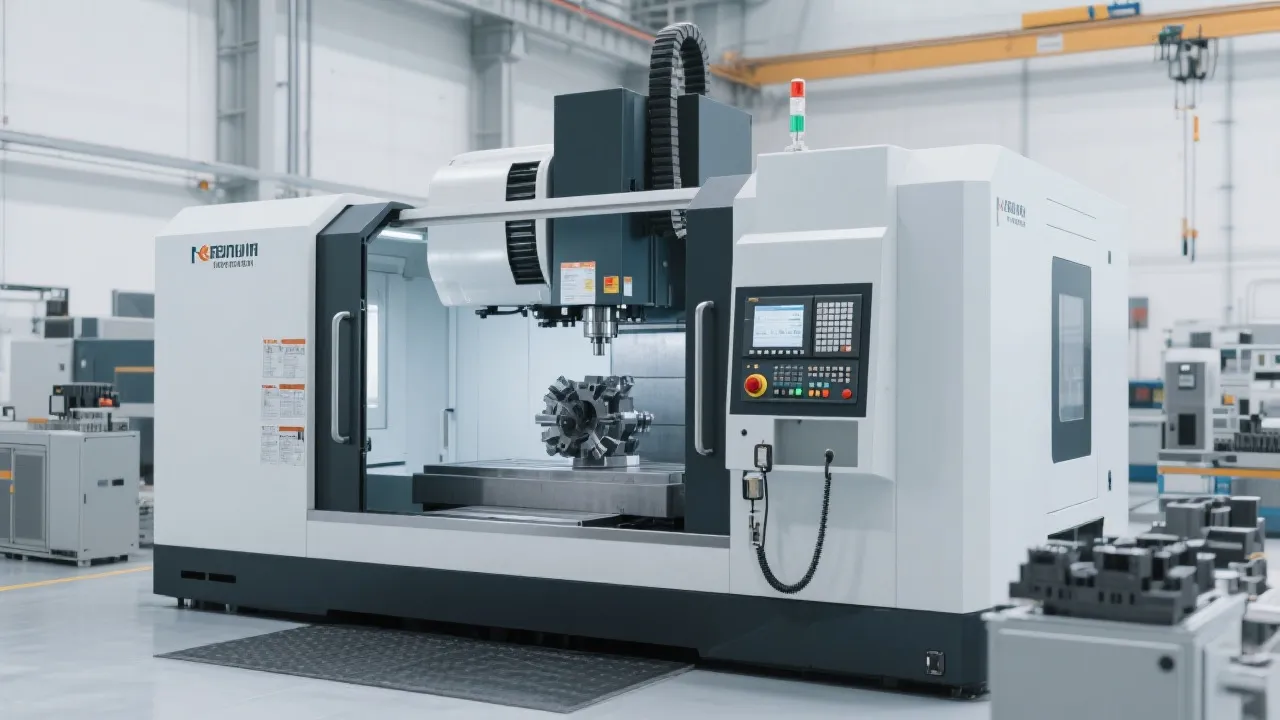
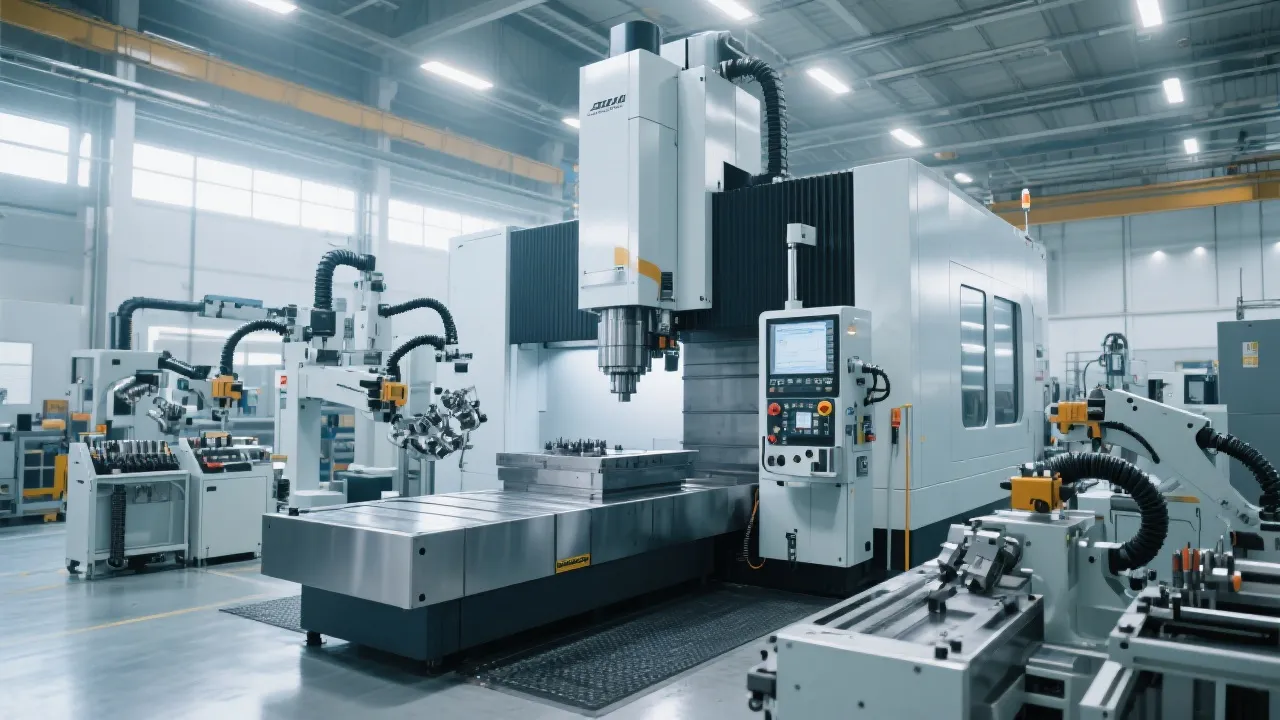
This article delves into the key technological applications of the FH1890L high - cutting - rate large - stroke vertical machining center independently developed by Ningbo Kaibo CNC Machinery Co., Ltd. in the rough milling of large and heavy workpieces. It provides a comprehensive solution for enhancing machining efficiency and ensuring machining accuracy.
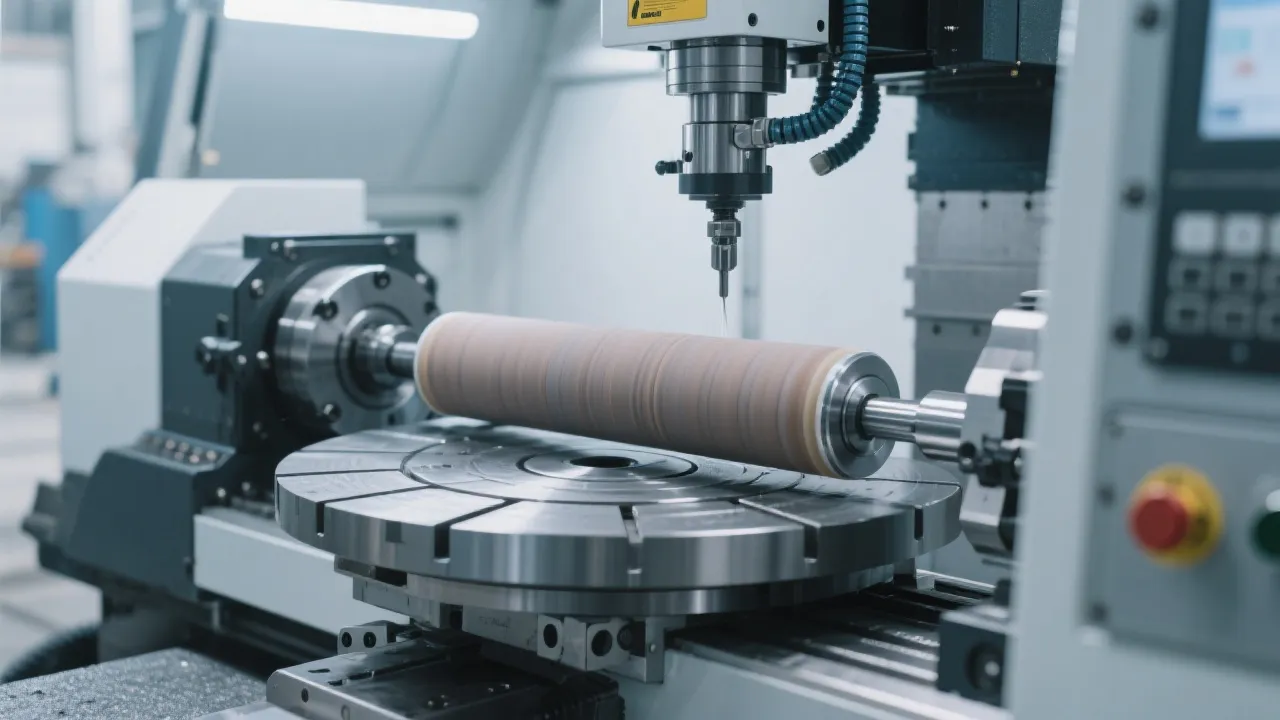
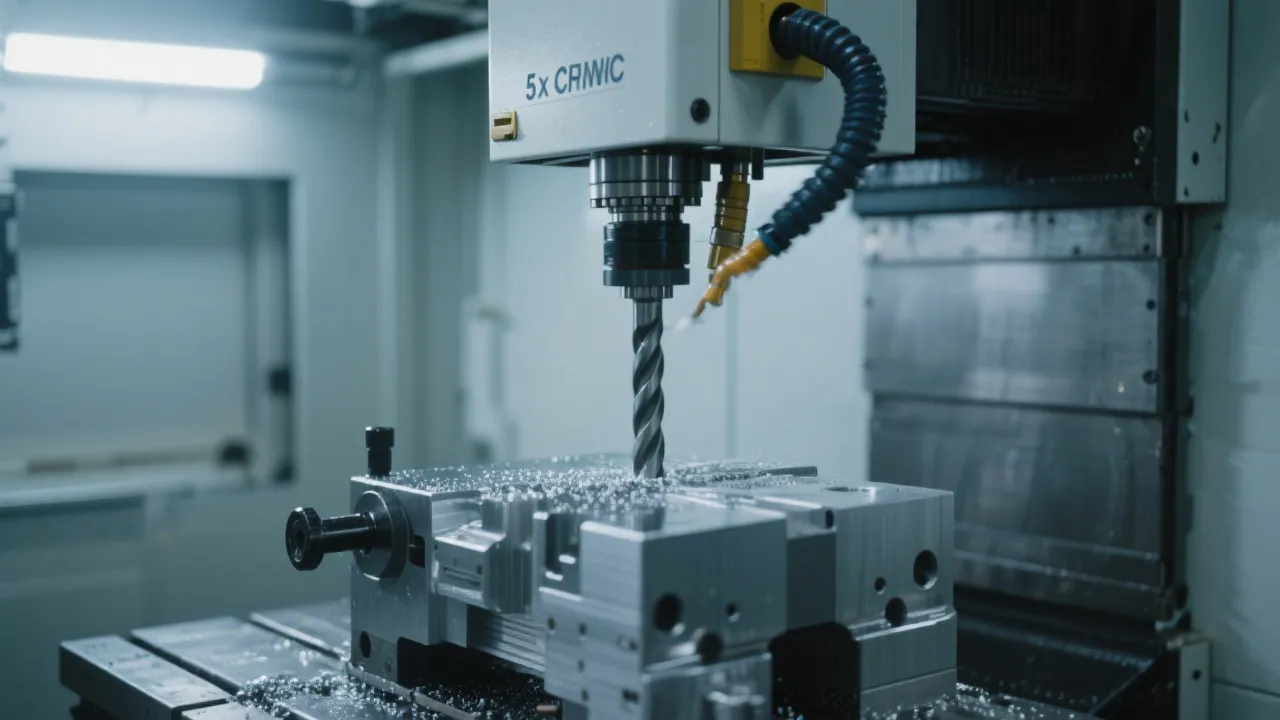
In the process of rough milling large and heavy workpieces, several core technical aspects need to be carefully considered. Firstly, cutting parameter optimization is crucial. For example, in the milling of steel workpieces, a cutting speed of around 100 - 150 m/min and a feed rate of 0.2 - 0.5 mm/r can significantly improve the cutting efficiency according to industry standards. Secondly, tool selection and maintenance play a vital role. Different materials require different types of tools. For graphite machining, diamond - coated tools are recommended due to their high hardness and wear resistance. And tools should be regularly inspected and sharpened to ensure stable cutting performance.
Thirdly, machining path planning is essential for maximizing efficiency and reducing tool wear. Advanced software can be used to generate optimal paths, which can save up to 20% of machining time. Finally, controlling thermal deformation and vibration is also a challenge. Excessive heat can cause workpiece deformation, and vibration can lead to poor surface finish and reduced tool life. Cooling systems and vibration - damping devices are often used to address these issues.
Let's take a practical industry case as an example. A manufacturing company was facing low efficiency and poor accuracy in rough milling large steel workpieces. After analyzing the problem, it was found that the cutting parameters were not optimized, and the tools were worn out. By adjusting the cutting speed to 120 m/min, changing the feed rate to 0.3 mm/r, and replacing the worn - out tools, the machining efficiency was increased by 30%, and the machining accuracy was also improved to within ±0.05 mm.
When it comes to different materials, specific machining methods are required. For graphite, a high - speed and low - feed strategy is preferred to prevent dust from clogging the tool. The spindle speed can be set at around 10,000 - 15,000 rpm, and the feed rate at 500 - 1000 mm/min. For aluminum alloy, a higher feed rate can be used, such as 1 - 2 mm/r, and a cutting speed of 200 - 300 m/min. For steel, as mentioned before, a relatively lower cutting speed and appropriate feed rate are necessary.
The FH1890L high - cutting - rate large - stroke vertical machining center has many outstanding technical features. It is equipped with a high - power spindle, which can provide a maximum power of 30 kW, enabling high - efficiency cutting. Its large - stroke design allows for the machining of large - size workpieces, with a maximum travel in the X - axis of 1800 mm, Y - axis of 900 mm, and Z - axis of 600 mm. In the heavy - load rough milling process, the FH1890L shows excellent performance, with a stable cutting force and high - precision positioning, which can ensure the machining quality of large and heavy workpieces.
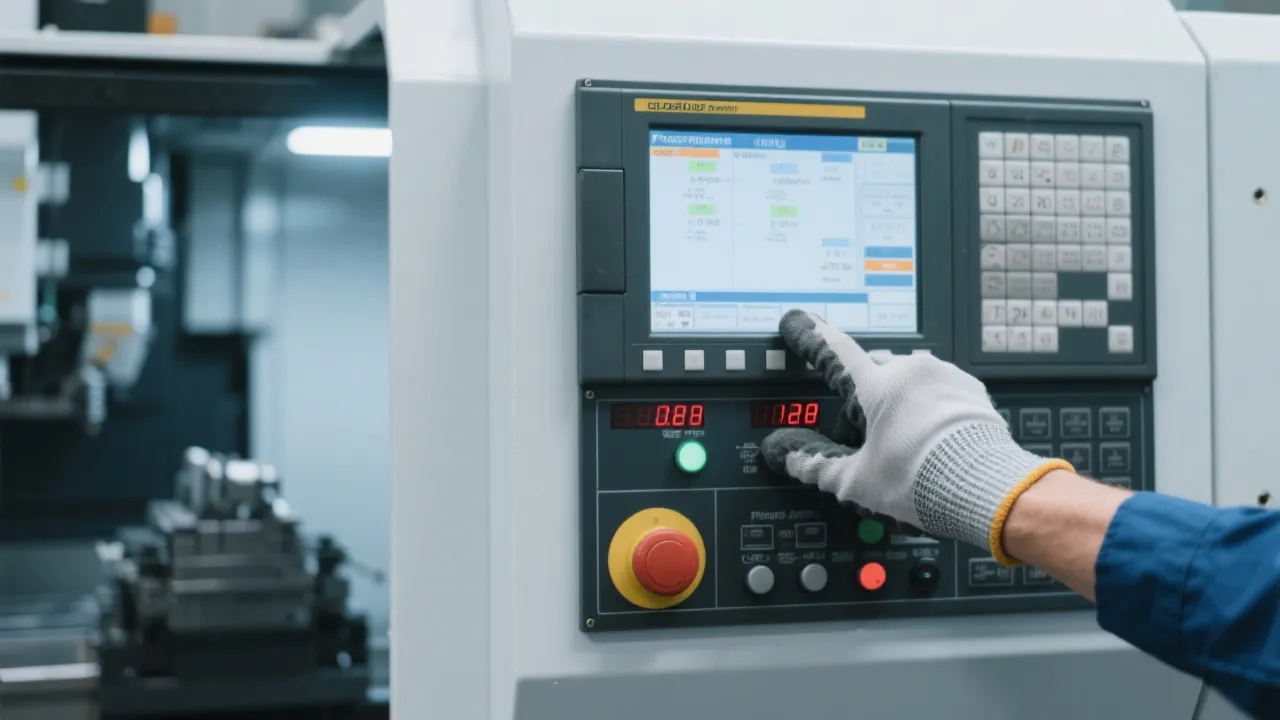
The machine is also integrated with advanced control systems, which can automatically adjust cutting parameters according to the workpiece material and machining requirements, further improving the machining efficiency and accuracy.
In the field of machining, new trends and technologies are emerging continuously. For example, the application of artificial intelligence and the Internet of Things in machining is becoming more and more common. These technologies can realize intelligent monitoring and predictive maintenance of machines, reducing downtime and improving overall productivity. The FH1890L is also designed with the consideration of future technological developments, ensuring that it can adapt to the changing market demands.
Understand more about the advanced technology and application advantages of the FH1890L high - cutting - rate vertical machining center to enhance your machining efficiency and product quality. Click here to get a detailed solution