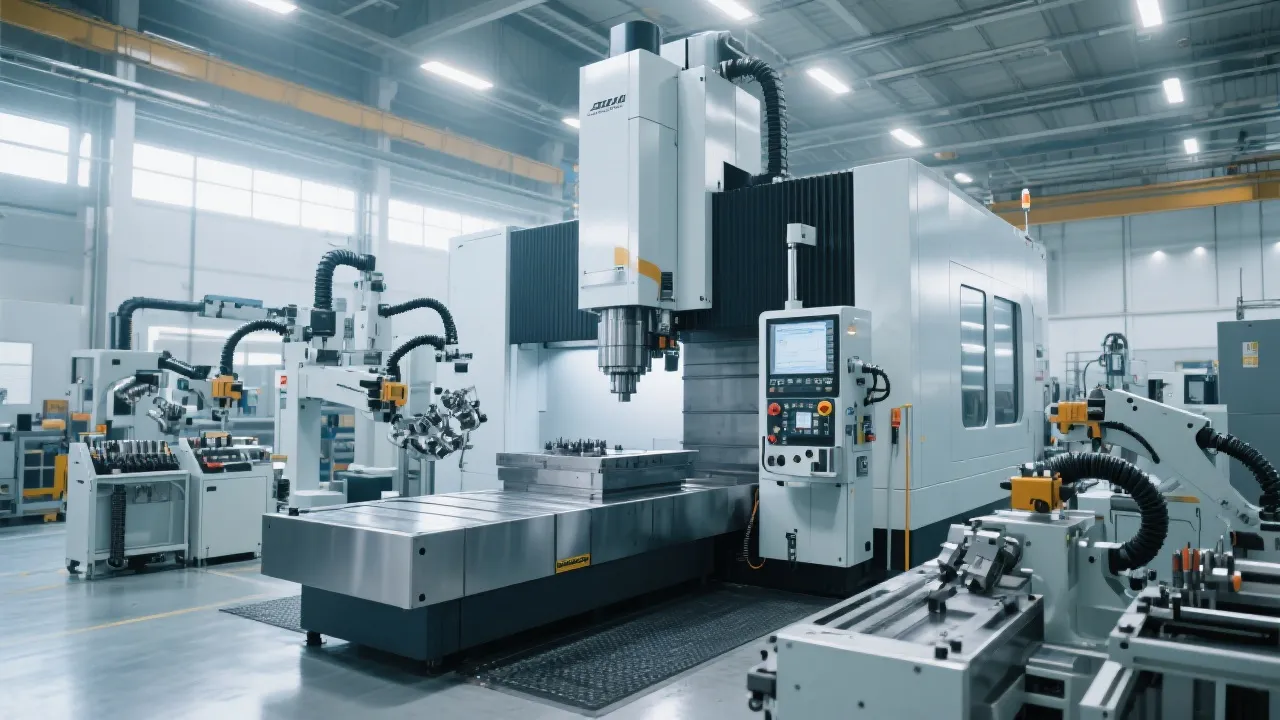
In industries like aerospace, automotive, and heavy machinery, rough milling large components isn’t just about removing material—it’s about doing it fast, accurately, and consistently. But how do you maintain precision when cutting massive aluminum or steel billets? The answer lies in smart machine design, optimized parameters, and real-world process control.
Heavy workpieces—often exceeding 500 kg—introduce significant vibration during initial cuts. A study by the International Journal of Advanced Manufacturing Technology found that up to 40% of surface inaccuracies in rough milling stem from thermal deformation and tool deflection under high loads. For materials like graphite (used in EDM electrodes) or hardened steel (common in molds), improper feed rates can lead to chipping, tool wear, or even machine downtime.
Reference Box:
“We saw a 35% increase in throughput after switching to FH1890L for our 800kg titanium blocks. The rigidity alone made the difference.” — Maria Lopez, Production Manager at AeroTech Solutions
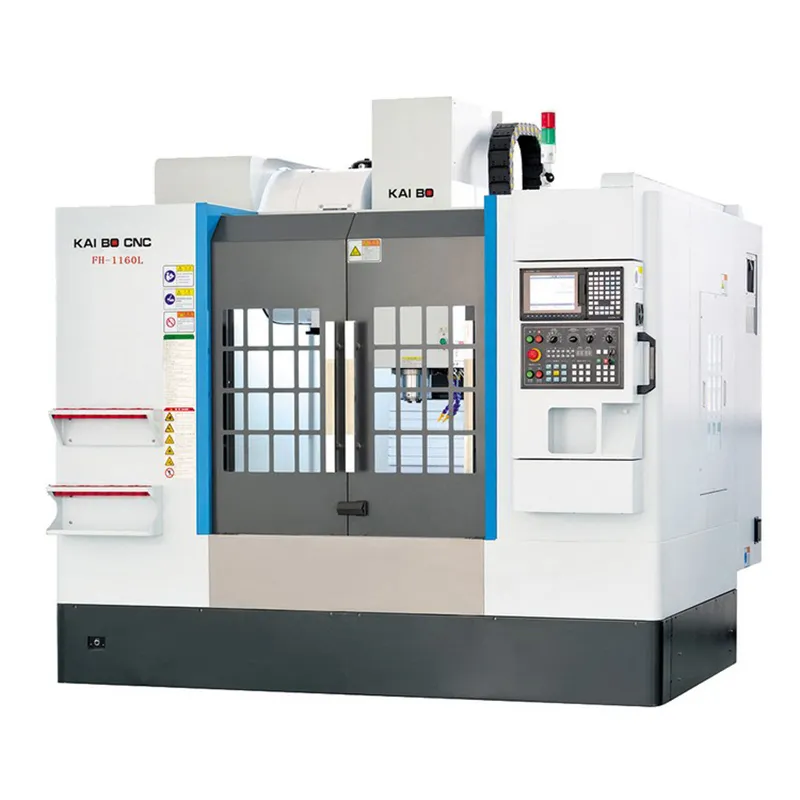
The FH1890L Large-Travel Vertical Machining Center addresses these challenges head-on:
| Material | Recommended Cutting Speed (m/min) | Feed Rate (mm/rev) | Cooling Method |
|---|---|---|---|
| Aluminum (6061-T6) | 180–220 | 0.15–0.25 | Mist Cooling |
| Graphite | 120–150 | 0.10–0.15 | Dry Air Blasting |
| Steel (45#) | 80–100 | 0.10–0.20 | High-Pressure Flood |
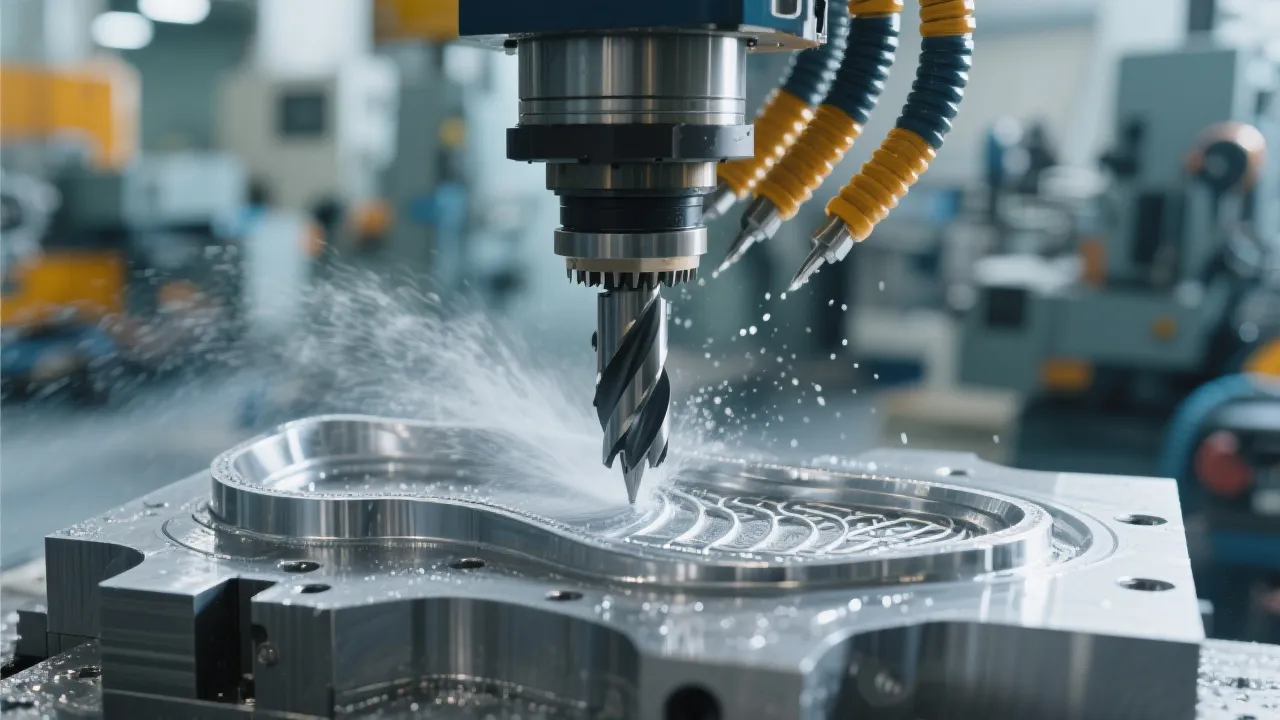
A leading mold manufacturer in Germany reported a 27% drop in rejected parts after implementing FH1890L with customized path planning software. By reducing heat buildup through adaptive cooling strategies and optimizing step-over distances, they improved both cycle time and surface finish consistency across multiple batches.
And as automation advances, the future is here: FH1890L supports remote diagnostics via IoT-enabled monitoring, allowing predictive maintenance and real-time parameter adjustments based on load patterns—an essential feature for 24/7 production environments.
Whether you're processing graphite for battery electrodes or steel for industrial frames, the FH1890L delivers unmatched stability and flexibility.
Explore Customized FH1890L Configurations Today