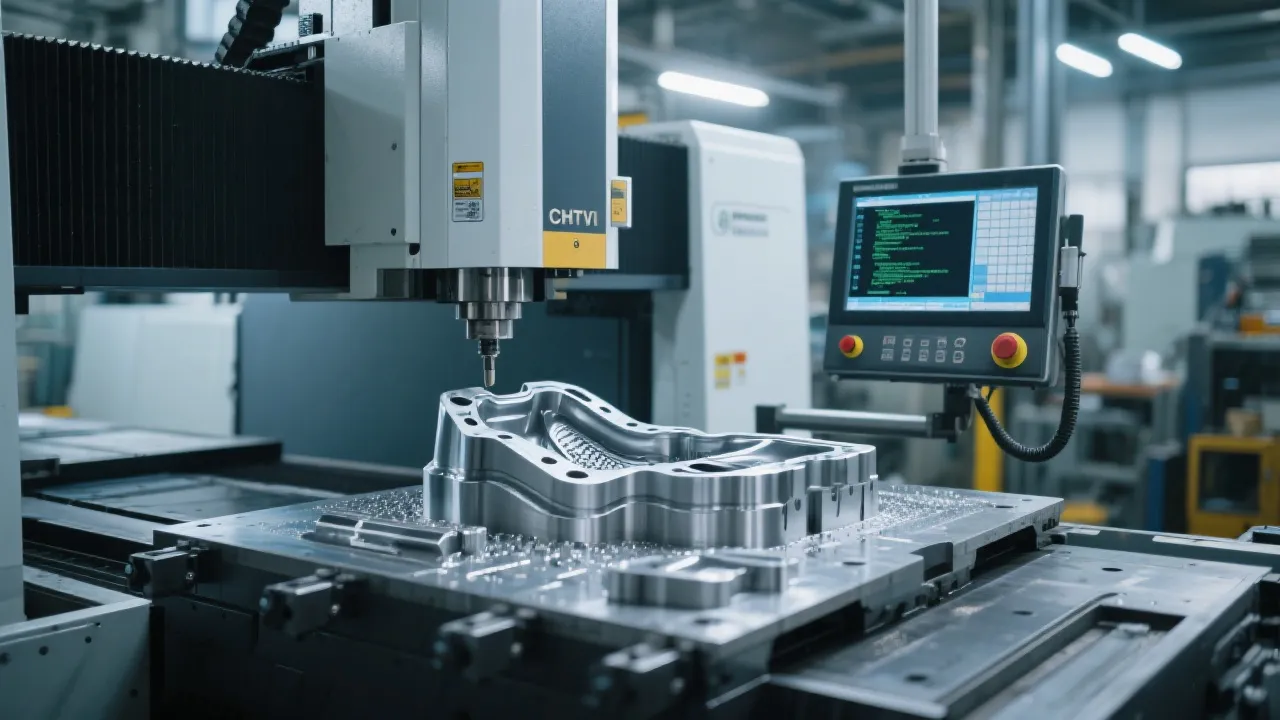
In the field of large and heavy workpiece rough milling, achieving high - efficiency and high - precision processing is a long - standing challenge for engineers. This article delves into the core technologies of this process, aiming to provide practical and authoritative references for technicians and process engineers.
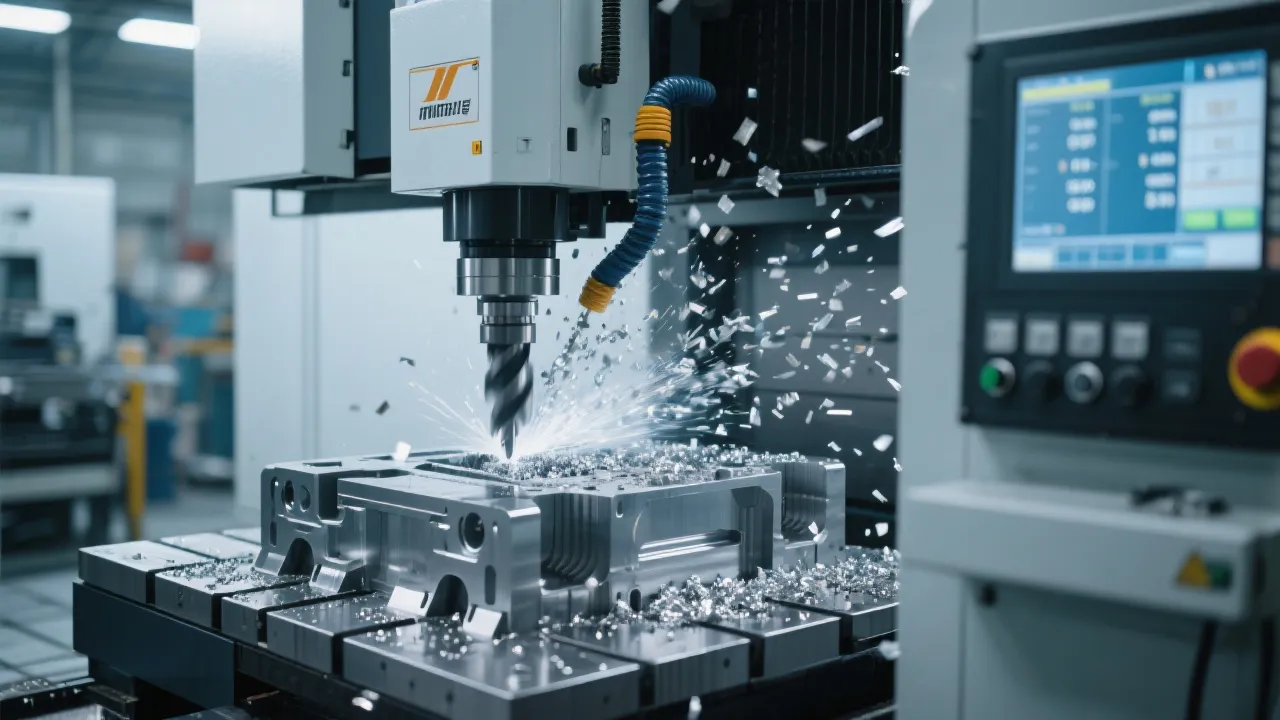
Cutting parameters play a crucial role in the stability of the machining process. For example, a proper cutting speed can significantly reduce the occurrence of vibration and thermal deformation. According to industry research, when rough - milling steel workpieces, increasing the cutting speed from 100 m/min to 150 m/min can improve the machining efficiency by about 20%. However, an excessive cutting speed may lead to rapid tool wear. Therefore, finding the optimal cutting parameters is essential. By using advanced simulation software, engineers can predict the impact of different cutting parameters on the machining process and make adjustments accordingly.
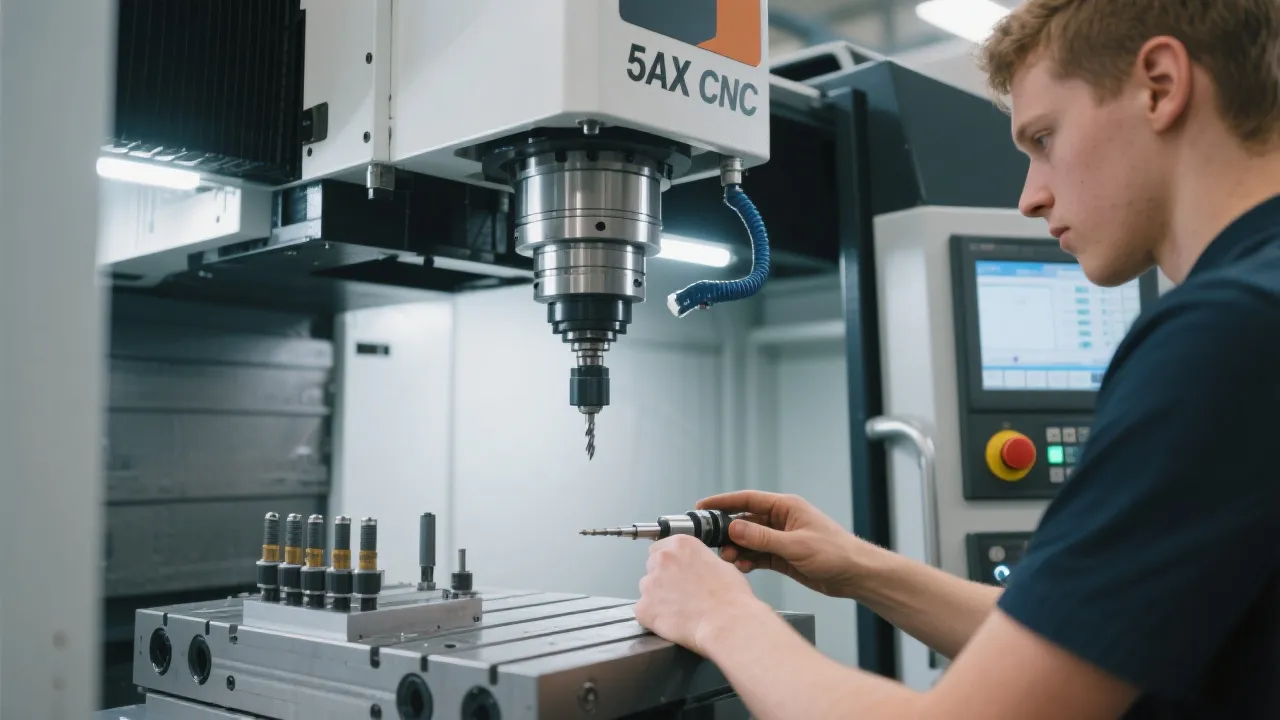
The right tool is the key to successful machining. When selecting tools for large and heavy workpiece rough - milling, factors such as tool material, geometry, and coating need to be considered. For graphite machining, diamond - coated tools are often preferred due to their high wear resistance. In terms of tool maintenance, regular inspection and sharpening can extend the tool life. A well - maintained tool can reduce the frequency of tool replacement by up to 30%, which not only saves costs but also improves the continuity of the machining process.
An efficient machining path can improve the machining efficiency and reduce the risk of thermal deformation and vibration. For instance, using a zig - zag path instead of a unidirectional path can evenly distribute the cutting force, which is beneficial for large - volume and heavy - load machining. By optimizing the machining path, the machining time can be reduced by approximately 15%.
Thermal deformation and vibration are two major challenges in large and heavy workpiece rough - milling. To control thermal deformation, techniques such as coolant application and pre - heating can be used. For vibration control, dynamic balancing of the spindle and the use of vibration - damping fixtures are effective methods. In a real - world case from a manufacturing plant, by implementing these control techniques, the machining accuracy was improved by 25%.
Different materials require different machining techniques. For aluminum alloy machining, a lower cutting force is usually required to prevent chip adhesion. For steel machining, a higher cutting power is needed. By providing specific machining techniques for graphite, aluminum alloy, and steel, this article helps engineers better handle different materials in large and heavy workpiece rough - milling.
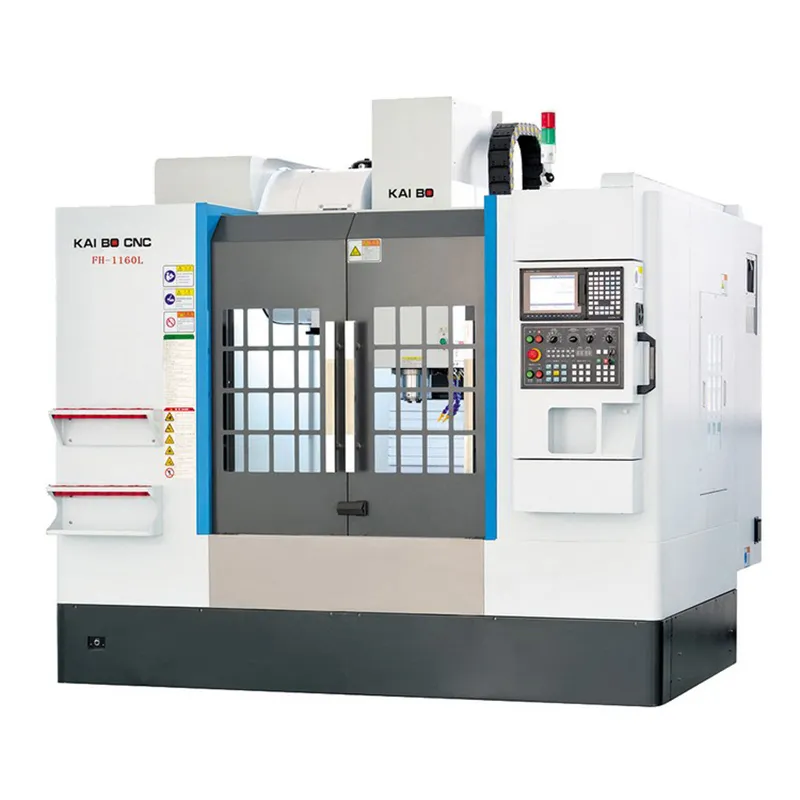
To further enhance the efficiency and precision of large and heavy workpiece rough - milling, the Kaibo CNC FH1890L high - cutting - rate large - stroke vertical machining center is a great choice. This machining center is designed with advanced technology to meet the demanding requirements of large - volume and heavy - load machining. With its high - speed spindle and large - stroke movement, it can significantly improve the machining efficiency and accuracy.
Discover the Kaibo CNC FH1890L Vertical Machining Center Now!