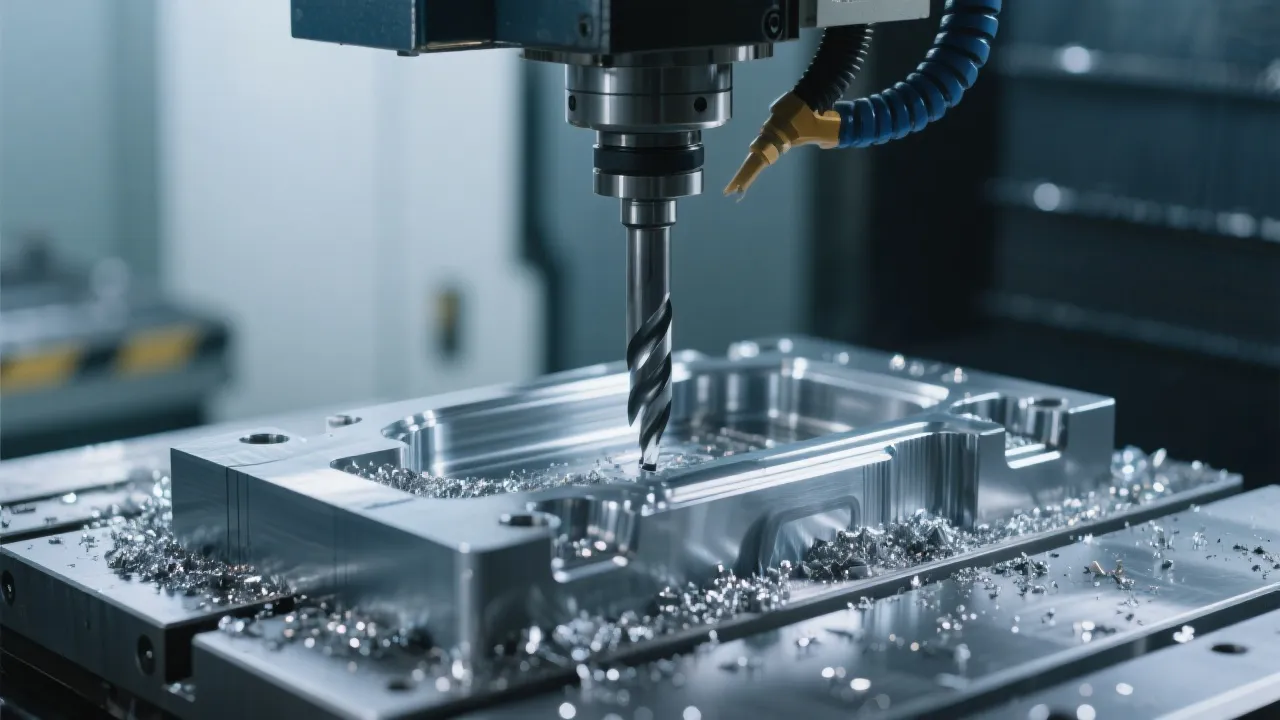
Optimizing Tool Selection and Maintenance for Heavy-Duty Rough Milling: Enhancing Tool Life and Processing Quality
04 01,2026
Tutorial Guide
Effective tool selection and maintenance are critical in heavy-duty rough milling of large workpieces, directly influencing production efficiency and machining precision. This guide explores tailored tool choices for materials such as graphite, aluminum alloys, and steel, alongside optimized cutting parameters. It further details maintenance strategies to extend tool lifespan and reduce downtime costs. Featuring practical insights from the FH1890L high-speed vertical machining center, this article offers actionable process improvements and vibration control methods to support engineers in achieving stable and efficient high-volume rough milling operations.
Selecting and Maintaining Cutting Tools for Heavy-Duty Rough Milling: Maximizing Tool Life and Ensuring Quality
In heavy-duty rough milling of large industrial components, the choice and upkeep of cutting tools play a critical role in achieving both high production efficiency and stringent machining accuracy. This tutorial systematically explores how to tailor tool selection across materials such as graphite, aluminum alloy, and various steels, optimize cutting parameters, and implement effective maintenance strategies to extend tool life while minimizing costly downtime.
Challenges in Heavy-Duty Rough Milling: Heat Deformation, Vibration, and Tool Wear
Processing large, heavy components introduces unique challenges. Thermal deformation of the workpiece due to extended cutting cycles can impact dimensional accuracy. Vibrations generated by heavy cuts or unstable tool holding reduce surface finish quality and accelerate tool wear. Tool wear itself — primarily abrasive and chipping — compromises both surface integrity and machining speed. Addressing these factors requires a holistic approach combining tool selection, cutting conditions, and machine capabilities.
Material-Specific Tool Selection Logic and Recommended Configurations
Different workpiece materials demand tailored cutting tool geometries and coatings:
- Graphite: Use polycrystalline diamond (PCD) tools with sharp edges to handle abrasive graphite while maintaining thermal resistance.
- Aluminum alloy: Favor coated carbide tools with polished rake faces and optimized helix angles to reduce built-up edge and chip adhesion.
- Steel (including alloy steels): Employ coated mixed ceramic or cermet inserts designed for high temperatures and robust wear resistance.
Tool shank rigidity and size must accommodate the substantial cutting forces common in heavy roughing, and modular tooling systems provide flexibility for different tool path patterns.
Key Factors Affecting Tool Life: Cutting Speed, Feed Rate, Cooling, and Clamping Stability
Optimizing cutting parameters directly influences tool longevity:
- Cutting Speed: Excessive speeds increase heat and wear, while too low speeds reduce productivity. Typical cutting speeds range from 200–400 m/min for aluminum alloys, 100–250 m/min for steels, and 300–500 m/min for graphite with appropriate tools.
- Feed Rate: Higher feeds can boost material removal rates but risk tool overload; balance is essential to avoid premature chipping.
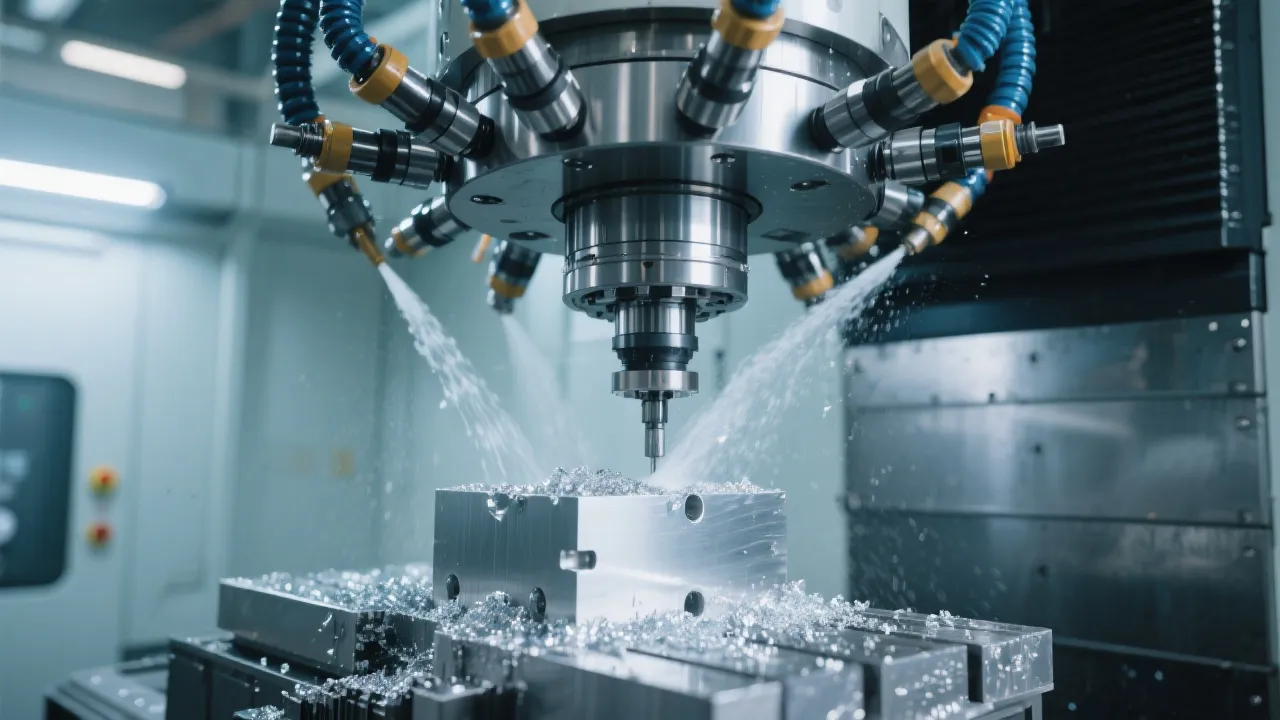
- Cooling and Lubrication: Flood coolant or high-pressure mist helps dissipate heat and flush chips, critical in steel milling but often reduced or omitted for graphite to prevent tool degradation.
- Clamping Stability: Rigid clamping minimizes chatter vibrations, directly impacting surface finish and tool wear progression.
Maintenance Essentials: Daily Inspection, Tool Change Procedures, and Wear Detection
Instituting a disciplined maintenance routine extends tool life and avoids unexpected downtime:
- Daily Checks: Inspect tool edges for chipping and unusual wear patterns using magnification aids.
- Tool Change Protocols: Implement standardized procedures ensuring correct fixture torque, alignment, and replacement intervals based on wear monitoring.
- Wear Identification: Use measurable indicators such as flank wear width and crater depth to decide on timely tool replacement before quality degradation.
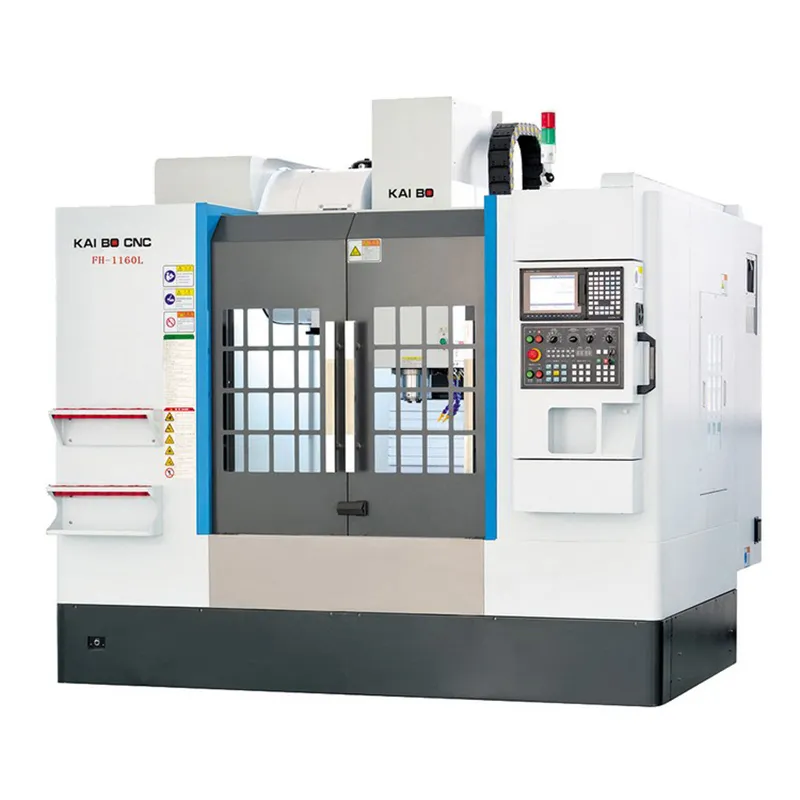
FH1890L Vertical Machining Center Advantages for Heavy Rough Milling
The FH1890L stands out due to its large X-Y-Z travel ranges and high-rigidity machine bed design. These features accommodate bulky components and absorb heavy cutting forces to maintain dimensional consistency. Its advanced spindle stability minimizes vibration, promoting smoother cutting and extended tool life during complex roughing operations.
"Implementing the FH1890L has revolutionized our rough milling workflow, improving throughput by 30% while slashing tool replacement costs," remarks a senior manufacturing engineer at a leading automotive parts supplier.
Case Study: Automotive Component Plant Achieves 30% Efficiency Gain
Deploying the FH1890L machine center, the plant optimized cutting parameters to balance high material removal and tool durability. Combined with targeted tool selection and proactive maintenance, they reduced unplanned stoppages and enhanced process repeatability across large batch runs.
Tool Life vs. Cutting Speed Curve (Indicative)
| Cutting Speed (m/min) |
Tool Life (min) |
| 100 |
180 |
| 200 |
120 |
| 300 |
75 |