
In high-precision manufacturing, especially for aerospace, automotive, and mold-making industries, rough milling of heavy graphite and aluminum components remains a critical yet challenging process. Engineers often face issues like tool wear, thermal distortion, and poor surface finish—especially when working with large workpieces that demand long cutting paths and high material removal rates (MRR).
A recent survey by Manufacturing Engineering Journal found that 67% of CNC shops report at least one major production delay per month due to suboptimal rough milling setups. Common problems include:
“We were losing up to 15% of our throughput because the machine couldn’t handle both speed and stability during roughing.” — John Lee, Lead Engineer at Precision Mold Solutions
For aluminum alloys (e.g., 6061-T6), a recommended starting point is:
| Parameter | Recommended Value | Notes |
|---|---|---|
| Spindle Speed (RPM) | 1,200–1,800 | Adjust based on cutter diameter |
| Feed Rate (mm/min) | 300–500 | Use climb milling for better finish |
| Depth of Cut (mm) | 3–5 | Avoid full depth in first pass |
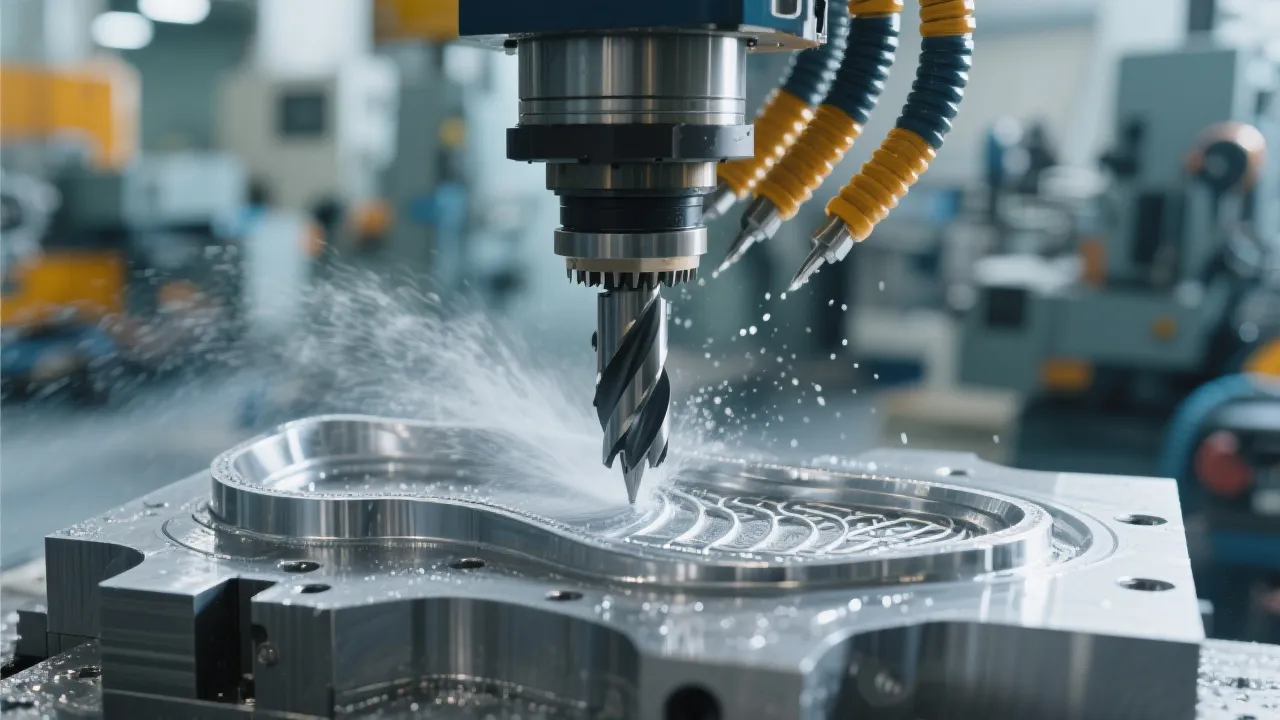
Hardened carbide end mills offer superior edge retention compared to coated HSS, but multi-flute composite tools (like those from Sandvik or Kennametal) provide higher MRR while reducing heat buildup—ideal for graphite machining where chipping is common.
Key tip: Implement a scheduled tool inspection every 90 minutes using laser micrometers to detect early signs of wear before they impact dimensional accuracy.
Using spiral entry instead of linear plunge reduces shock loading by up to 40%, according to a case study from DMG MORI. For complex geometries, consider layer-by-layer Z-level milling to avoid sudden load changes across different material zones.
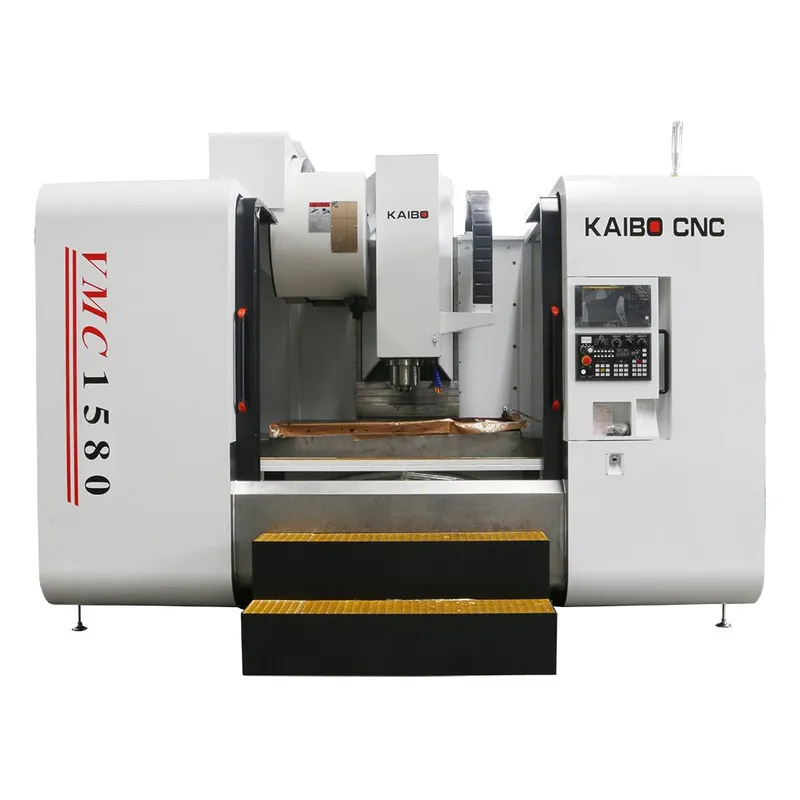
The FH1890L High-Cut Rate Vertical Machining Center has been deployed in multiple facilities for both graphite mold blanks and aluminum structural frames. In one instance, a German aerospace supplier reported a 32% increase in productivity after switching from a legacy 5-axis machine to FH1890L equipped with Mitsubishi CNC + angular head configuration.
This setup allowed them to process 800mm-long aluminum billets in under 2 hours—previously taking over 3.5 hours—with consistent surface quality within ±0.08mm tolerance.
Discover how the FH1890L can boost your throughput, reduce tool costs, and improve part consistency—without compromising safety or precision.
Learn More About FH1890L →




 <#else>





