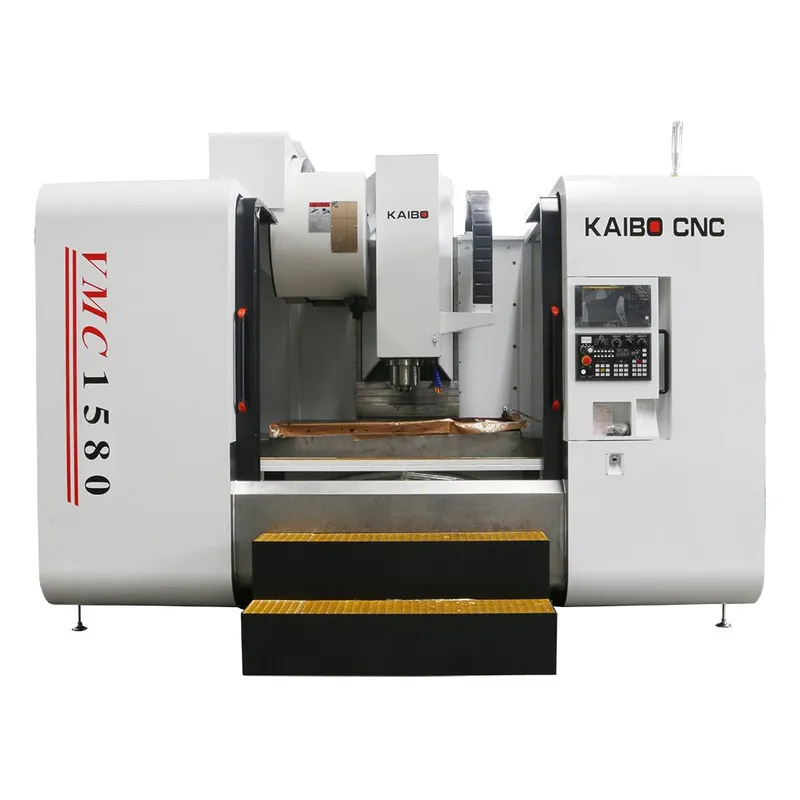
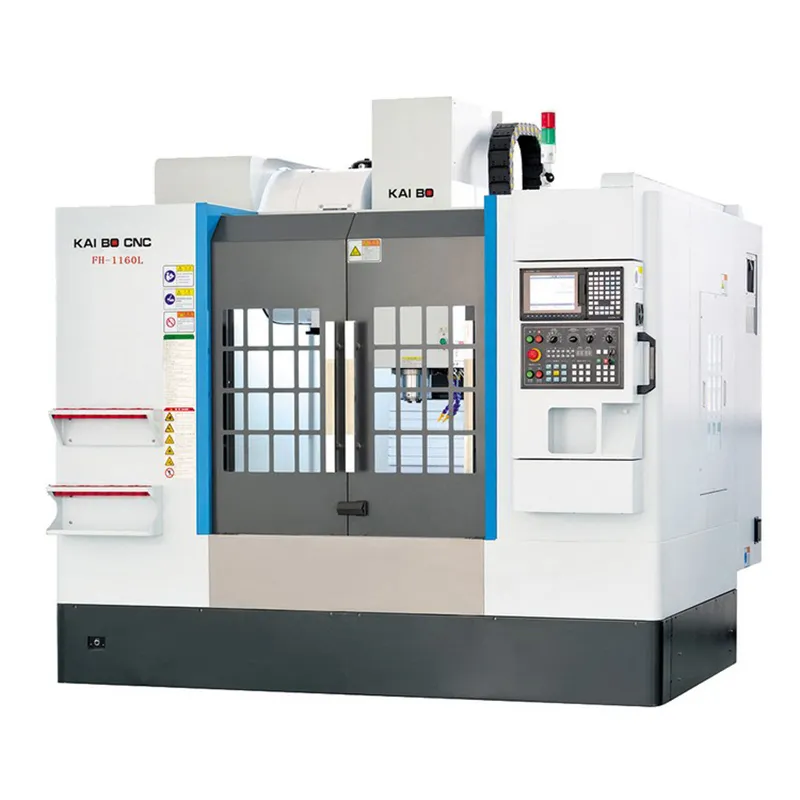
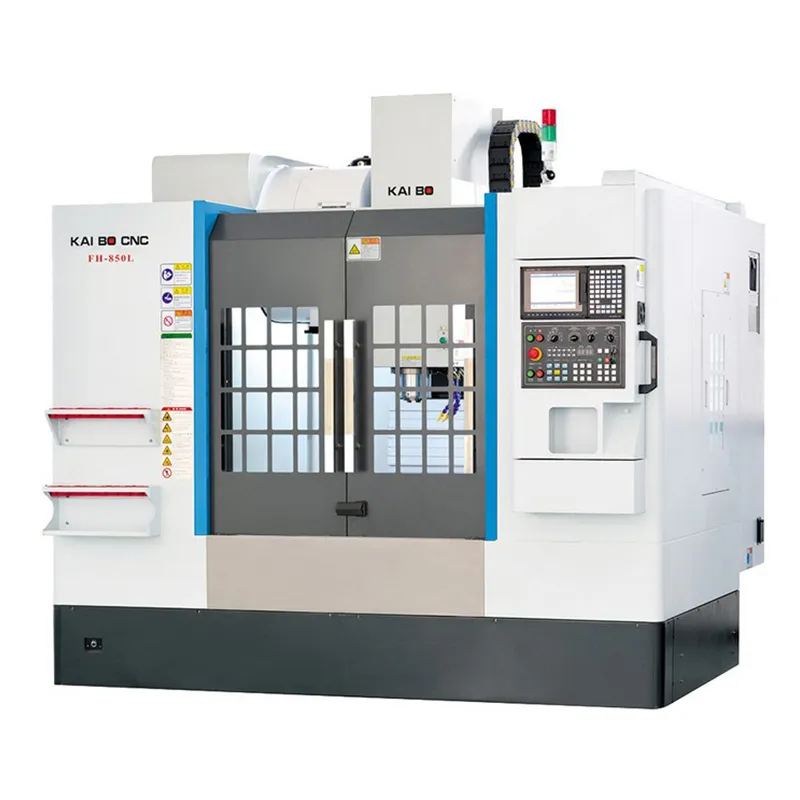
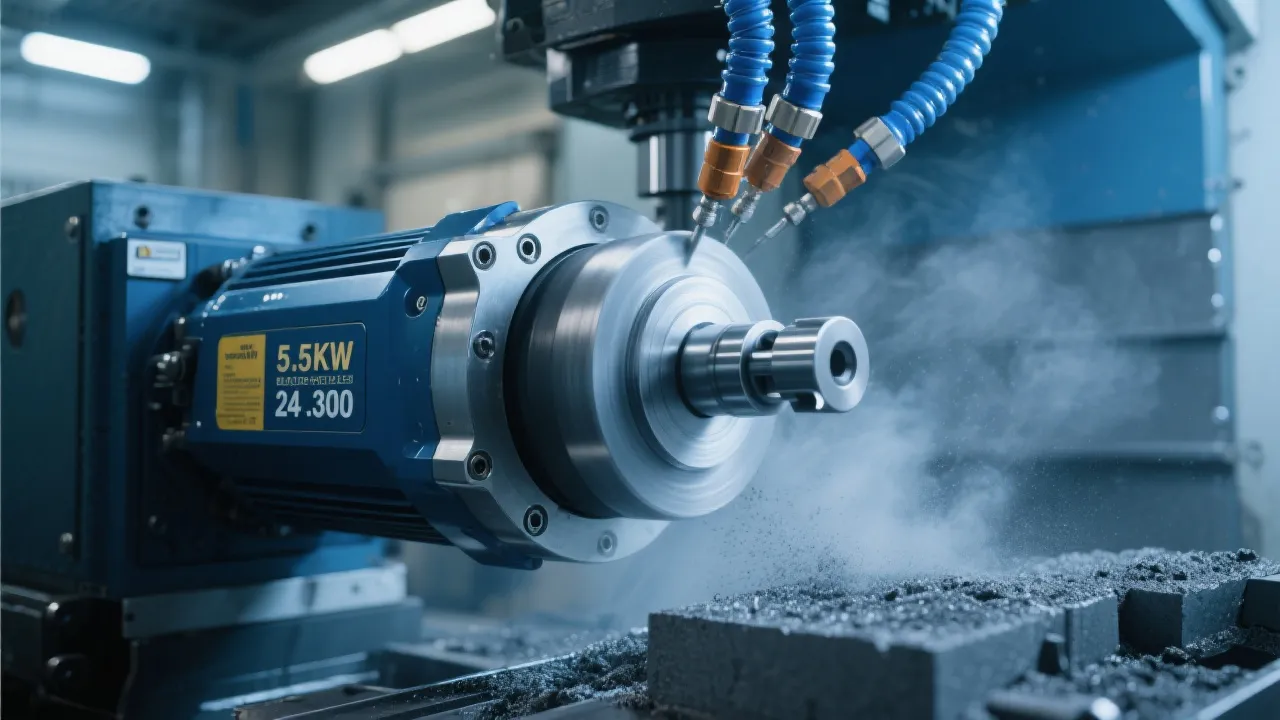
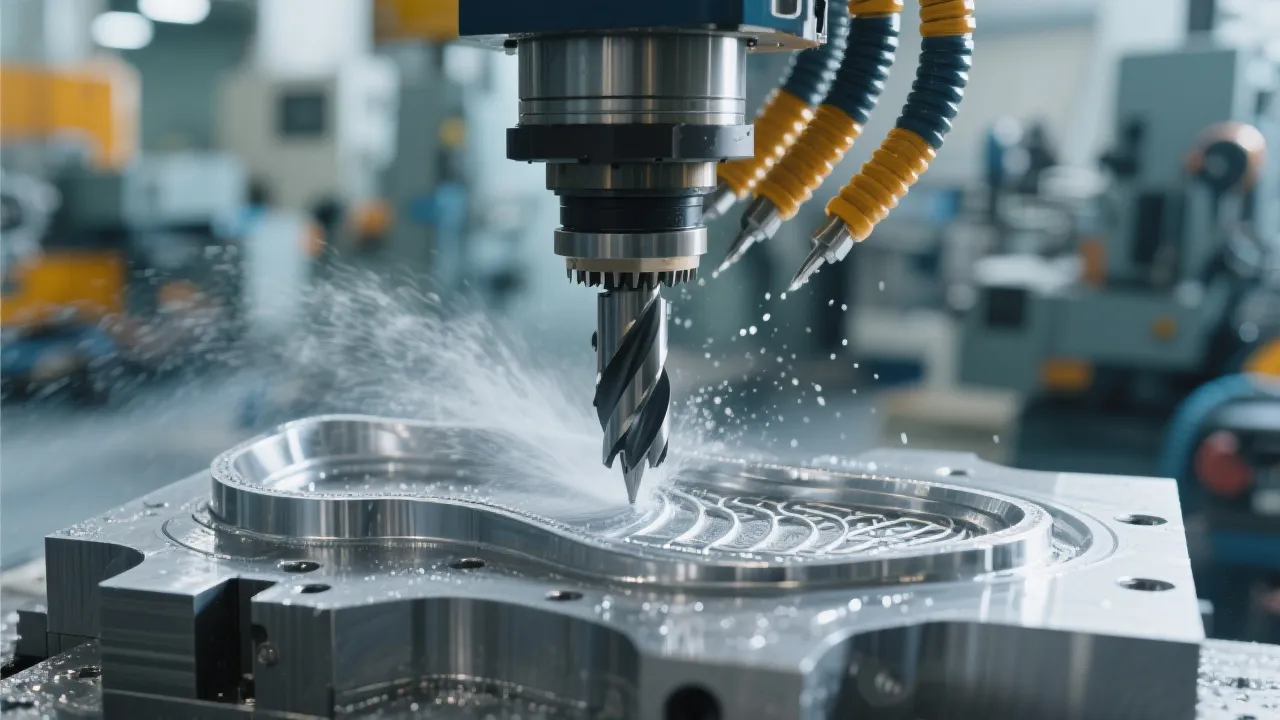
Graphite material processing often encounters a series of challenges, such as high dust generation, edge chipping, and difficulty in precision control. These issues not only affect the quality of the final product but also pose problems for the efficiency and stability of the production process. In this article, we will delve into how the FH1890L high - cutting - rate large - stroke vertical machining center can address these problems.
The graphite processing industry faces several common pain points. Dust control is a significant issue, as graphite dust can be harmful to the health of operators and may also cause damage to machinery. Additionally, the rapid wear of cutting tools increases production costs. Surface quality also fluctuates greatly, making it difficult to achieve consistent high - quality products. For example, in some small - scale graphite processing workshops, the tool replacement frequency can be as high as once every 2 - 3 days, which seriously affects production efficiency.
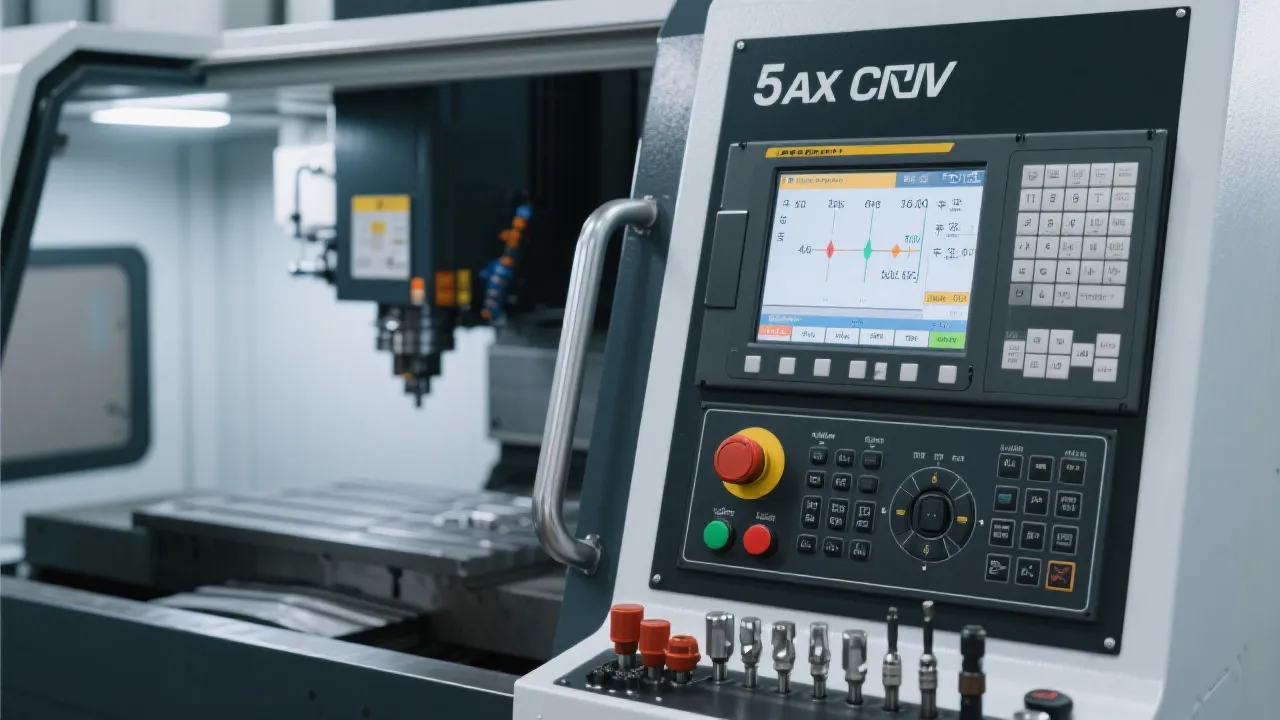
Vertical machining centers optimize processing stability from multiple aspects. In terms of structural design, they are built to withstand the forces generated during high - speed machining. The control system is also crucial. The FH1890L is equipped with a Mitsubishi CNC system, which can accurately control the movement of the machining head. The attachment configuration, such as different types of spindles, further enhances the adaptability of the machine. For instance, the large - stroke design allows for both rough milling and finishing operations in a single setup, improving efficiency by up to 30% compared to traditional machines.
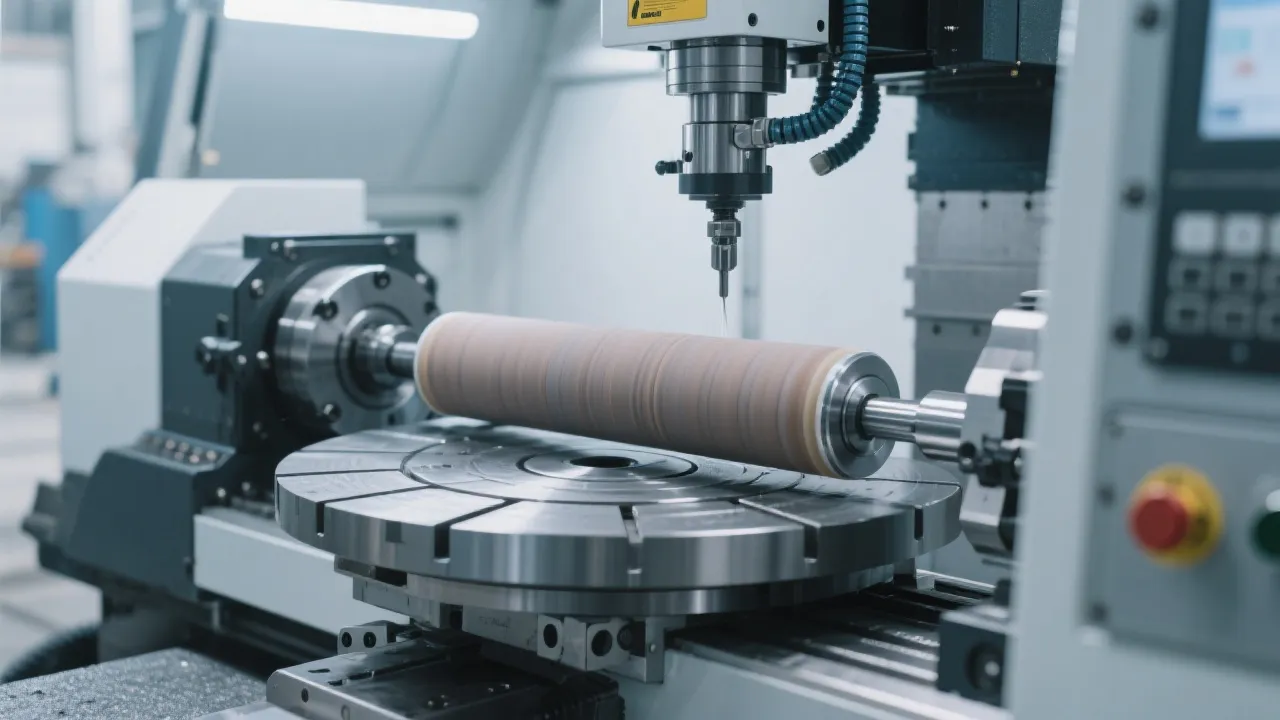
The modular configurations of the FH1890L, such as right - angle heads and universal heads, are highly adaptable to multi - angle complex surface machining. A right - angle head can be used for machining at 90 - degree angles, while a universal head can handle more complex angles. This flexibility enables the machine to produce parts with complex geometries that were previously difficult to manufacture. A comparison table of different machining head types is shown below:
| Machining Head Type | Angle Adaptability | Suitability for Complex Surfaces |
|---|---|---|
| Right - Angle Head | 90 degrees | High for simple 90 - degree surfaces |
| Universal Head | Multiple angles | Very high for complex curved surfaces |
The Mitsubishi CNC system in the FH1890L has a spindle quick - switching logic and an intelligent machining path optimization mechanism. It can quickly switch between different spindles according to the machining requirements, reducing idle time. The intelligent optimization of the machining path ensures that the machine moves in the most efficient way, saving both time and energy. For example, in a large - scale graphite product machining project, the system can reduce the machining time by approximately 20% through path optimization.
In the actual processing of heavy graphite workpieces, the FH1890L shows excellent performance. Its large - stroke and high - cutting - rate features allow it to handle large - sized graphite parts. A real - life case shows that when machining a large - scale graphite mold, the FH1890L completed the task in half the time compared to a traditional machine, while also achieving better surface quality.
To ensure the long - term stable operation of the FH1890L, some operational suggestions and maintenance points should be followed. Operators should be trained to use the machine correctly, especially when switching between different spindles and using the CNC system. Regular maintenance, such as cleaning the dust collection system and lubricating the moving parts, is also essential. This can extend the service life of the machine and reduce the probability of breakdowns.
"Since we started using the FH1890L vertical machining center, our graphite processing efficiency has increased significantly, and the product quality has also become more stable." - A satisfied customer
If you are involved in graphite material processing and are looking for a reliable vertical machining center, don't miss the opportunity to learn about Kaibo CNC's advanced vertical machining centers. Click here to get more information and start optimizing your graphite processing workflow today.