Enhancing Graphite Machining Efficiency with Multi-Angle Spindle Configurations in Vertical Machining Centers
18 01,2026
Technical knowledge
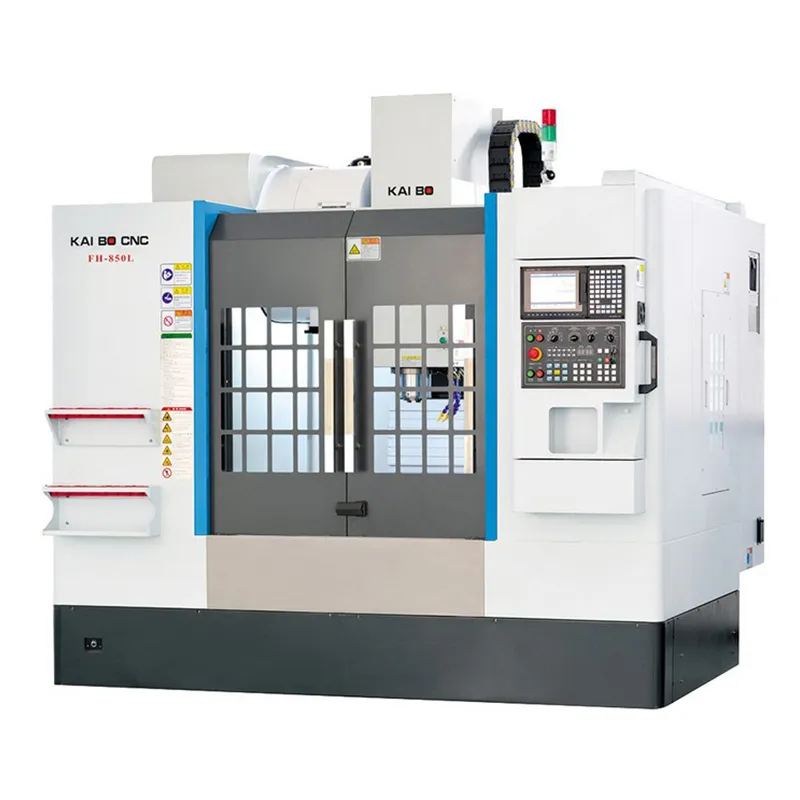
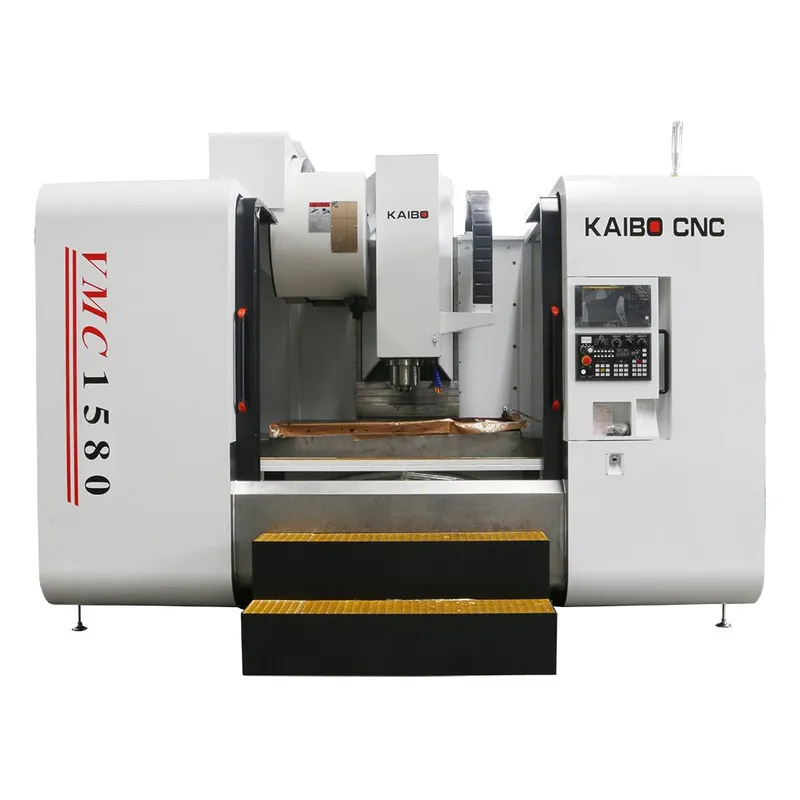
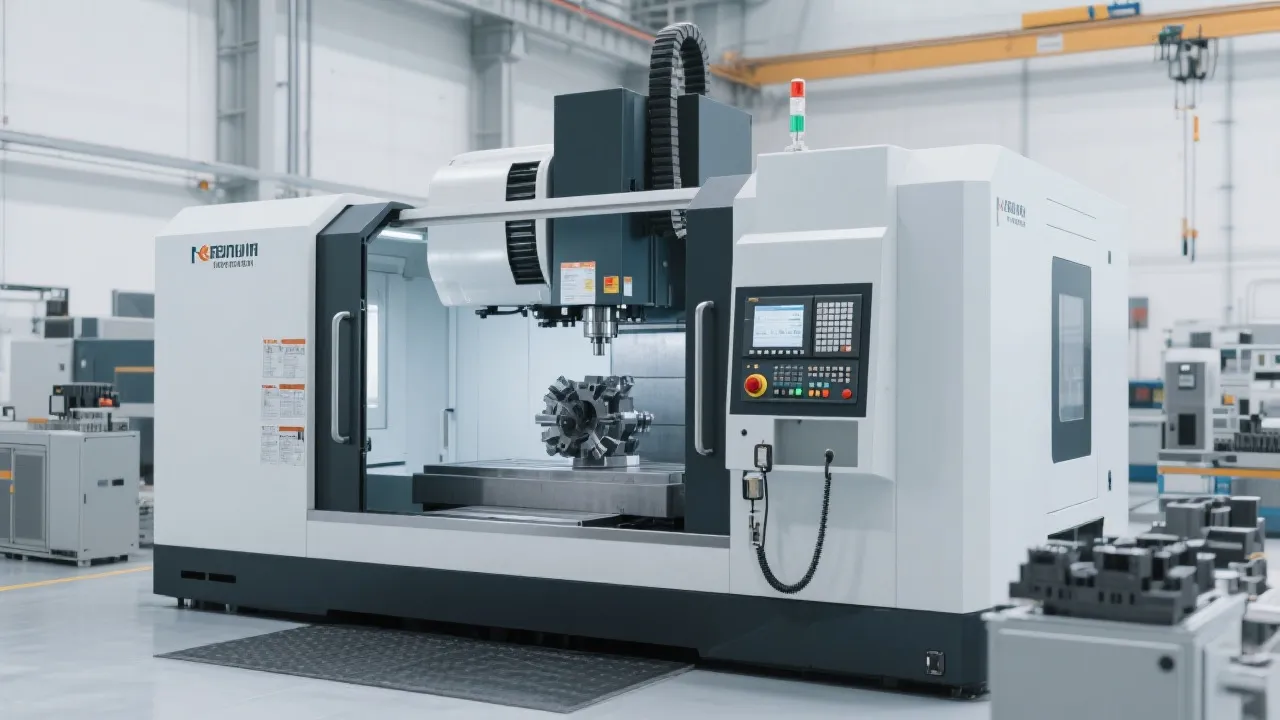
Graphite machining demands exceptional stability and precision due to its brittle nature and high dust generation. The FH1890L vertical machining center addresses these challenges through versatile spindle configurations—such as right-angle heads and universal heads—that enable seamless switching between complex operations. Integrated with Mitsubishi CNC control, this system significantly boosts roughing and finishing efficiency. This article explores the technical advantages, real-world performance metrics (e.g., 30% faster roughing, ±0.02mm accuracy), and practical guidance for operators and engineers—helping optimize workflows and improve part quality in graphite processing.
Why Multi-Angle Spindle Configurations Are Transforming Graphite Machining Efficiency
Graphite is a high-demand material in industries like aerospace, automotive, and EDM electrode manufacturing—but its brittle nature and abrasive dust make it one of the most challenging materials to machine reliably. Traditional machining centers often struggle with vibration, tool wear, and inconsistent surface finishes. That’s where the FH1890L Vertical Machining Center steps in—not just as equipment, but as a solution designed for real-world precision.
The Real Pain Points in Graphite Processing
Operators frequently report issues such as:
- Tool breakage (up to 40% higher than standard materials) due to sudden stress from graphite's brittleness.
- Dust accumulation affecting spindle bearings and CNC encoder accuracy—especially in uncontrolled environments.
- Inconsistent surface finish caused by poor rigidity during deep cavity milling or fine contouring.
These problems aren’t just about downtime—they directly impact product quality, lead times, and customer trust.
How FH1890L Solves These Challenges
The key lies in its multi-angle spindle configuration system—a modular approach that includes:
- Direct angle heads for vertical cutting without repositioning
- Universal joints enabling ±30° tilt for complex contours
- Extended rods for access to tight pockets and blind holes
Combined with Mitsubishi CNC control, these components allow seamless transitions between roughing and finishing operations—all within the same setup. This means no more manual fixture changes, reduced cycle time, and improved repeatability across batches.
“After switching to FH1890L with angle head integration, our coarse machining speed increased by 30%, while final part tolerance remained stable at ±0.02 mm.”
——
Lead Engineer, Precision Electrode Co., China
Practical Application: From Setup to Output
A typical workflow using this setup looks like this:
- Use a universal joint for initial roughing on angled surfaces (cutting depth: 5mm per pass).
- Switch to a straight angle head for high-speed finishing (feed rate: 2500 mm/min).
- Apply extended rod for internal features—no need for secondary fixturing.
This flexibility reduces total machining time by up to 25% compared to conventional setups, especially when handling large graphite blocks used in mold-making or battery components.
Pro Tips for Operators & Engineers
To maximize uptime and longevity:
- Always clean the spindle interface after each angle head change—dust buildup causes premature bearing failure.
- Monitor coolant pressure regularly—it must stay above 4 bar to suppress graphite dust effectively.
- Use carbide end mills with negative rake angles for better chip evacuation in graphite.
These small habits can extend tool life by 20–30% and reduce maintenance costs significantly.
Ready to Optimize Your Graphite Machining Process?
Discover how the FH1890L Vertical Machining Center delivers consistent precision, faster throughput, and lower operational risk—tailored for modern production demands.
Explore the FH1890L Solution Today