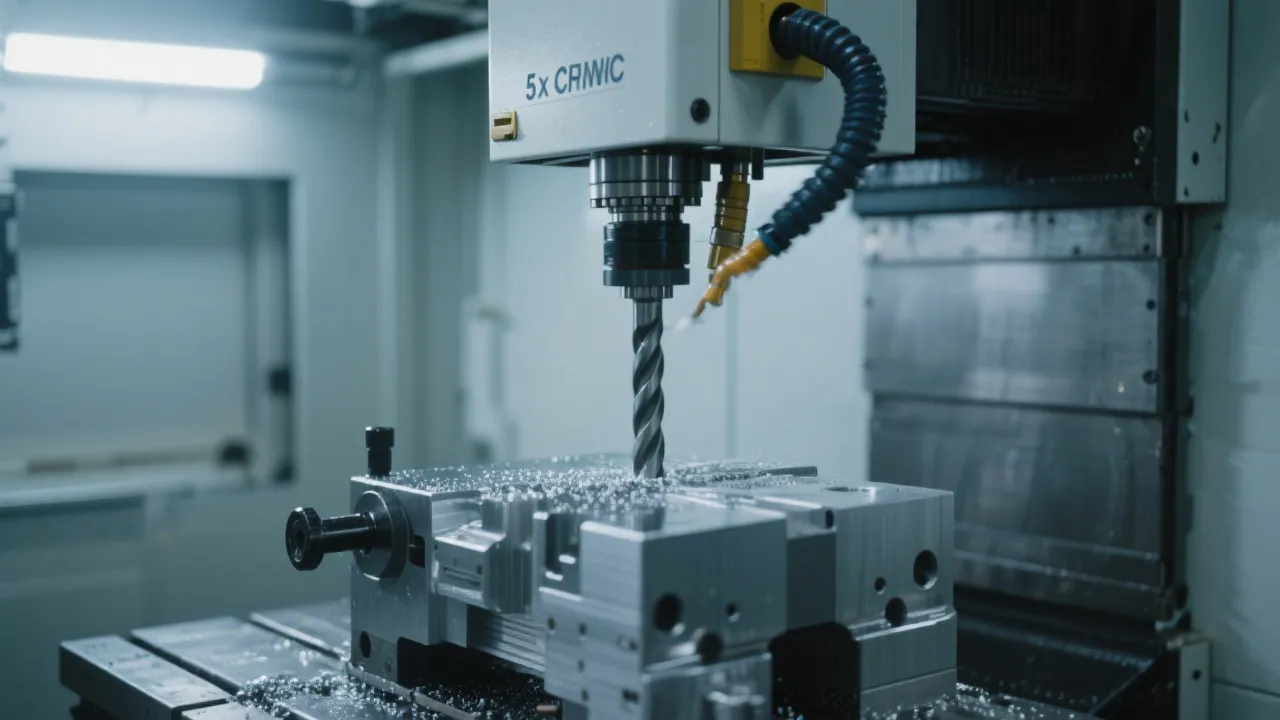
Graphite is widely used in industries like aerospace, automotive, and semiconductor manufacturing due to its excellent thermal conductivity, chemical resistance, and lightweight properties. However, machining graphite presents unique challenges — including high dust generation, rapid tool wear, and inconsistent surface finish — that can significantly impact productivity and part quality.
According to industry data from the International Association of Machinists (IAM), up to 60% of shops report frequent tool breakage when milling graphite, while over 45% cite poor surface finish as a top concern. These issues stem from graphite’s brittle nature and abrasive characteristics, which accelerate tool degradation and create unstable chip formation.
“We were losing up to 30% of our roughing efficiency due to vibration and tool chatter. After switching to a vertical machining center with multi-angle spindle heads, we saw immediate improvements.” — Mark Johnson, Production Manager at Advanced Carbon Tech
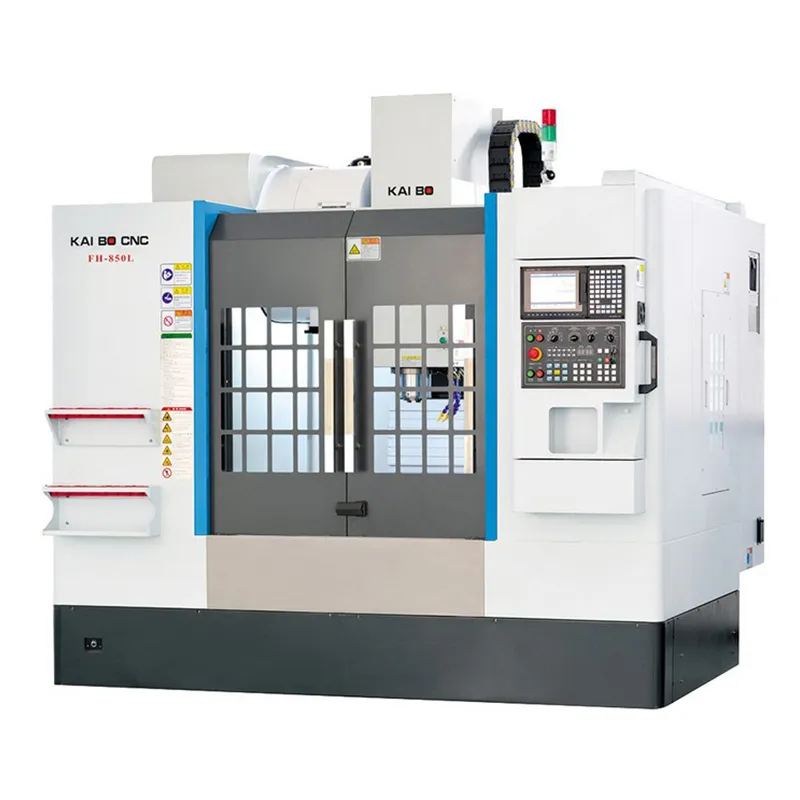
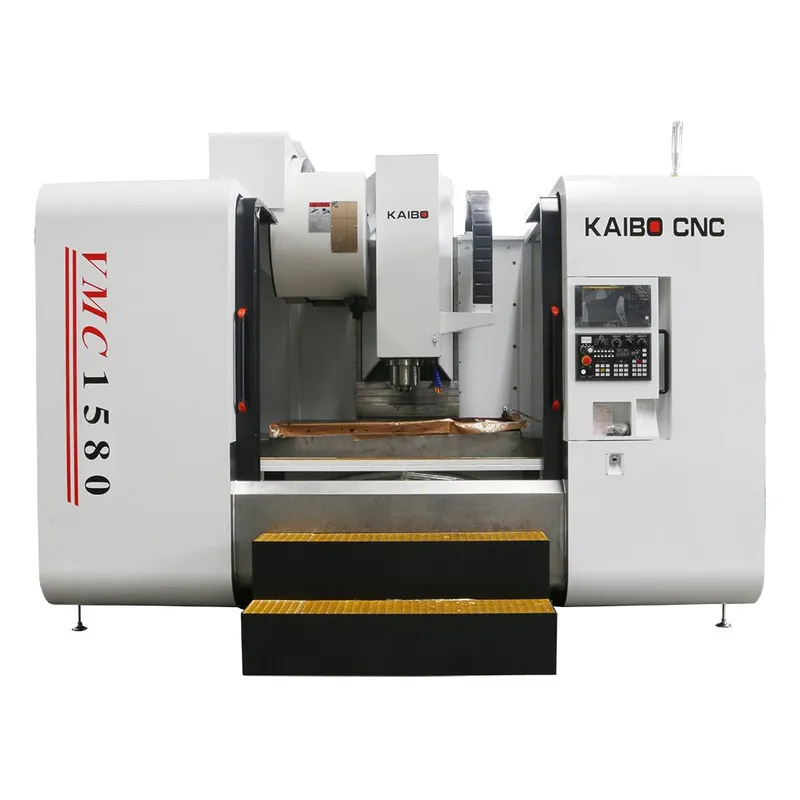
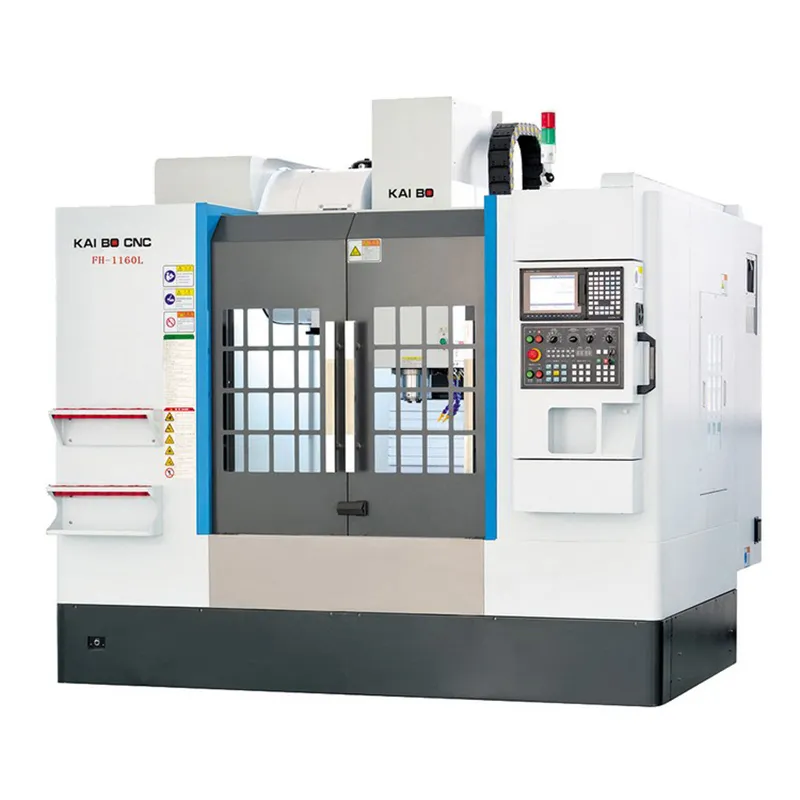
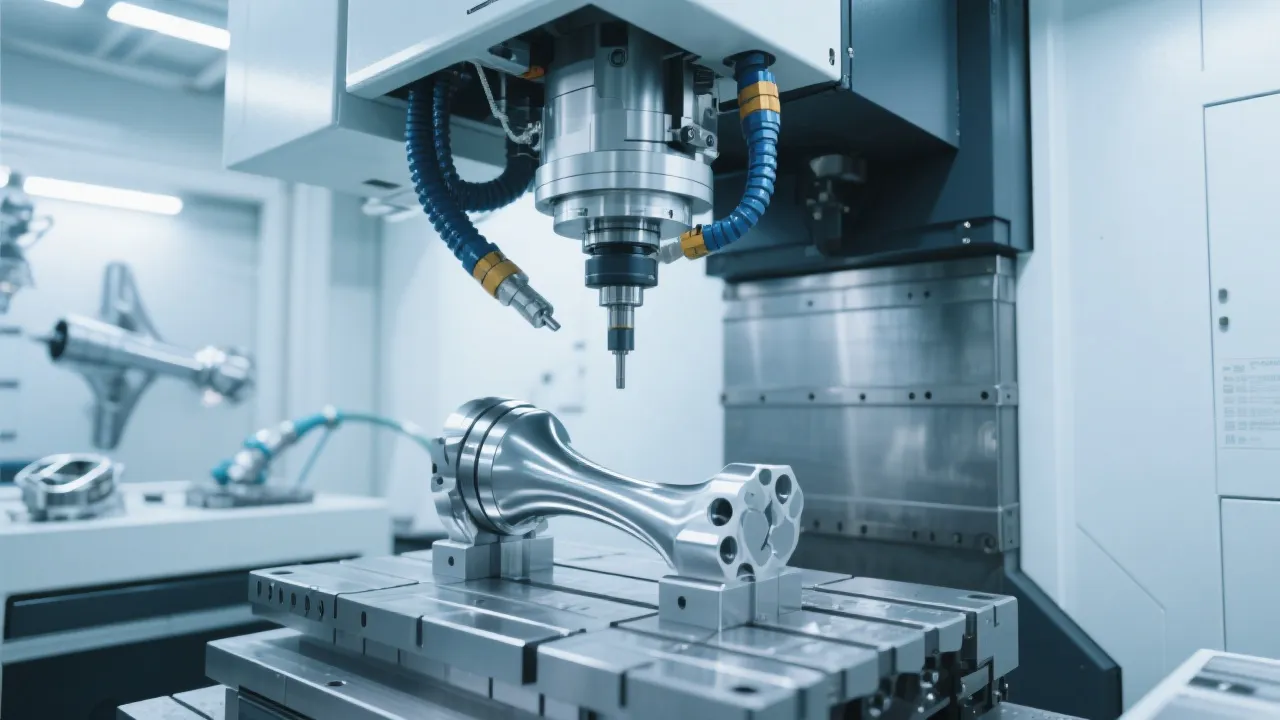
Vertical machining centers (VMCs) equipped with high-stroke designs and advanced CNC systems are now the preferred solution for graphite processing. The FH1890L model, for example, offers a maximum travel of 1800mm X-axis and 900mm Y-axis — enabling efficient handling of large-format graphite electrodes commonly found in EDM applications.
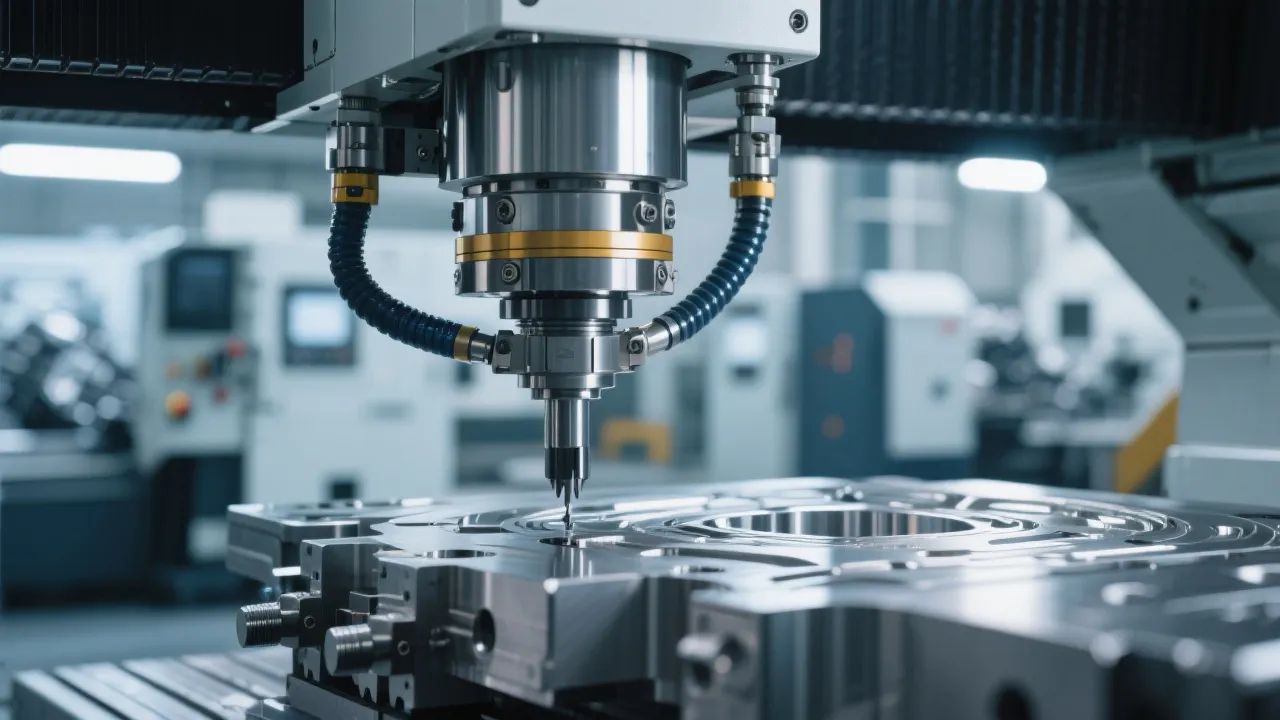
Its key advantage lies in flexibility: by integrating multiple spindle configurations — such as right-angle heads and universal joints — operators can perform both coarse and fine operations without repositioning the workpiece. This reduces cycle time by an average of 25%, according to internal testing at Kebo CNC Labs.
The seamless coordination between Mitsubishi CNC control and multi-axis spindles ensures precise path planning during complex transitions — critical for maintaining dimensional accuracy on intricate graphite geometries. Unlike traditional setups where manual intervention was needed for tool changes or angle adjustments, modern VMCs automate these steps using optimized G-code routines.
For instance, a typical 3D electrode with varying wall thicknesses can be completed in one setup using automated toolpath switching — reducing operator error and improving repeatability across batches.
Pro Tip: For best results in graphite milling, set feed rates between 80–120 m/min and use coated carbide end mills with positive rake angles. Always ensure proper dust extraction and coolant flow — even if it's just air blowing through the spindle.
Whether you're working with small-scale prototypes or high-volume production runs, the combination of robust machine structure, intelligent spindle options, and reliable control systems makes vertical machining centers not just a tool — but a strategic asset for any graphite-focused operation.
Discover how the FH1890L delivers precision, speed, and reliability in demanding graphite applications.
Learn More About FH1890L in Graphite Processing