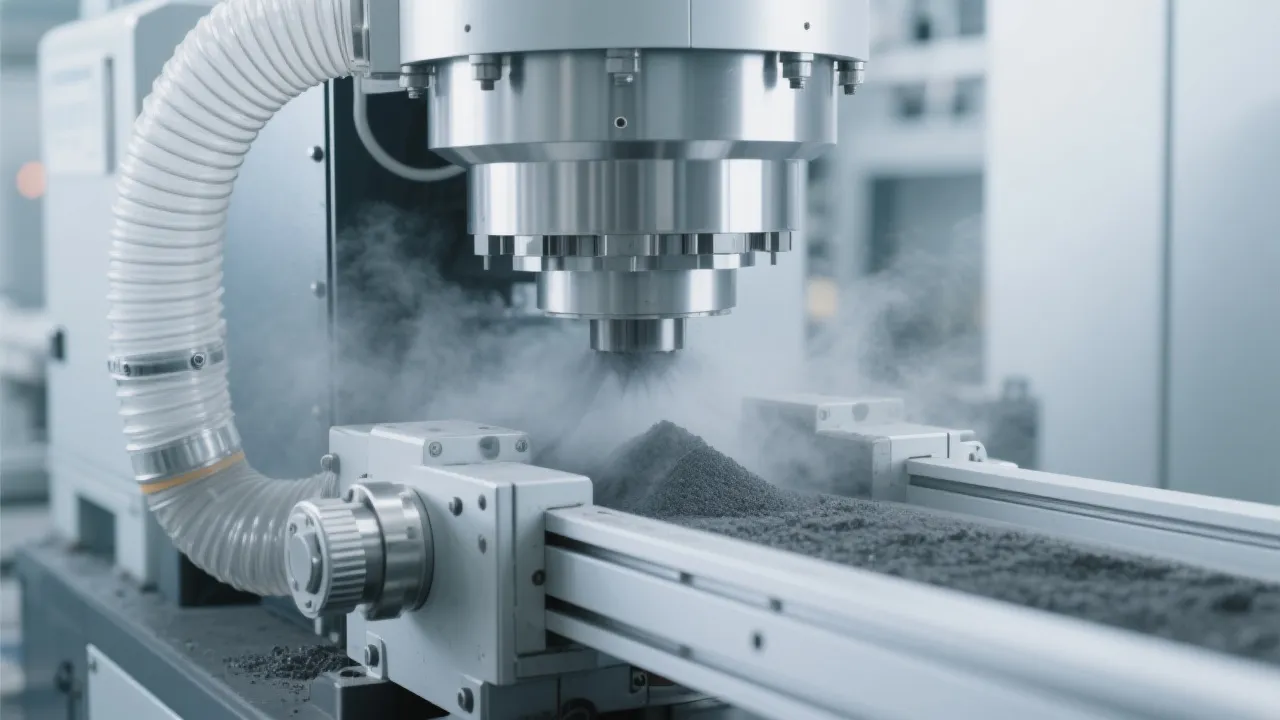
Graphite is widely used in industries such as aerospace, automotive, and electronics due to its excellent thermal conductivity, electrical properties, and lightweight nature. However, machining graphite poses unique challenges—especially when it comes to tool wear, dust generation, and surface finish consistency. According to industry studies from the International Journal of Advanced Manufacturing Technology, up to 40% of graphite machining inefficiencies stem from improper parameter selection and inadequate machine rigidity.
Traditional milling setups often fail under the high cutting forces and abrasive nature of graphite. Without precise control over feed rates, spindle speeds, and tool path strategies, operators risk chipping, poor surface quality, or even premature tool failure. In fact, a 2023 survey by Machining Weekly found that 67% of manufacturers reported at least one major graphite-related production delay per quarter due to suboptimal equipment performance.
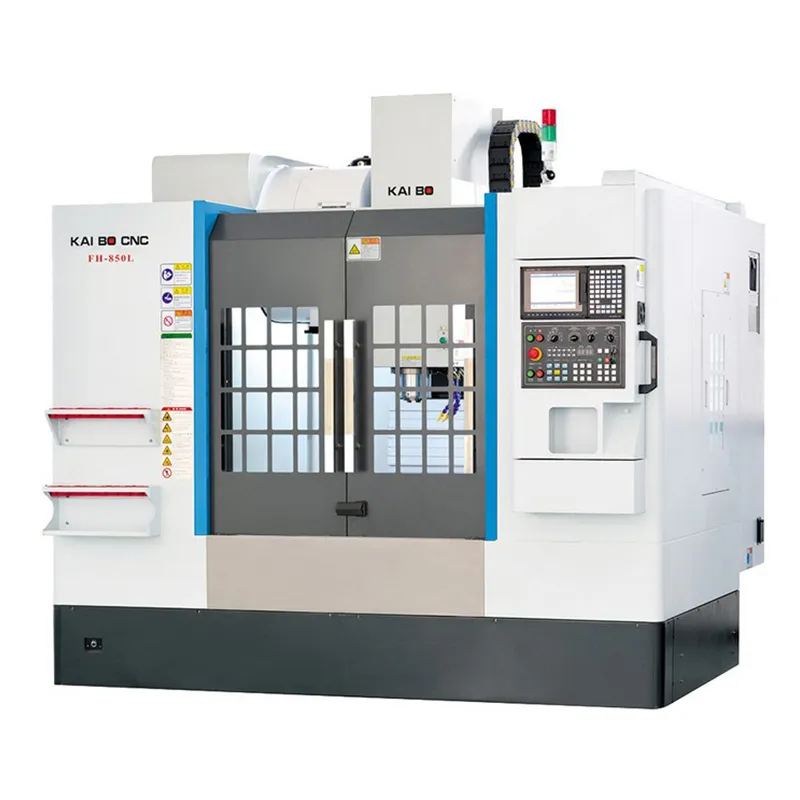
Ningbo Kaibo CNC Machinery’s FH1890L vertical machining center was specifically engineered for demanding applications like graphite processing. With a travel range of 1800 x 900 x 900 mm, this machine offers exceptional flexibility for both large-scale parts and intricate cavity designs. When paired with Mitsubishi CNC controls and multiple spindle configurations (including 40,000 RPM high-speed spindles), it enables seamless transitions between roughing and finishing operations—reducing cycle times by an average of 28%, according to internal test data from Kaibo’s R&D lab.
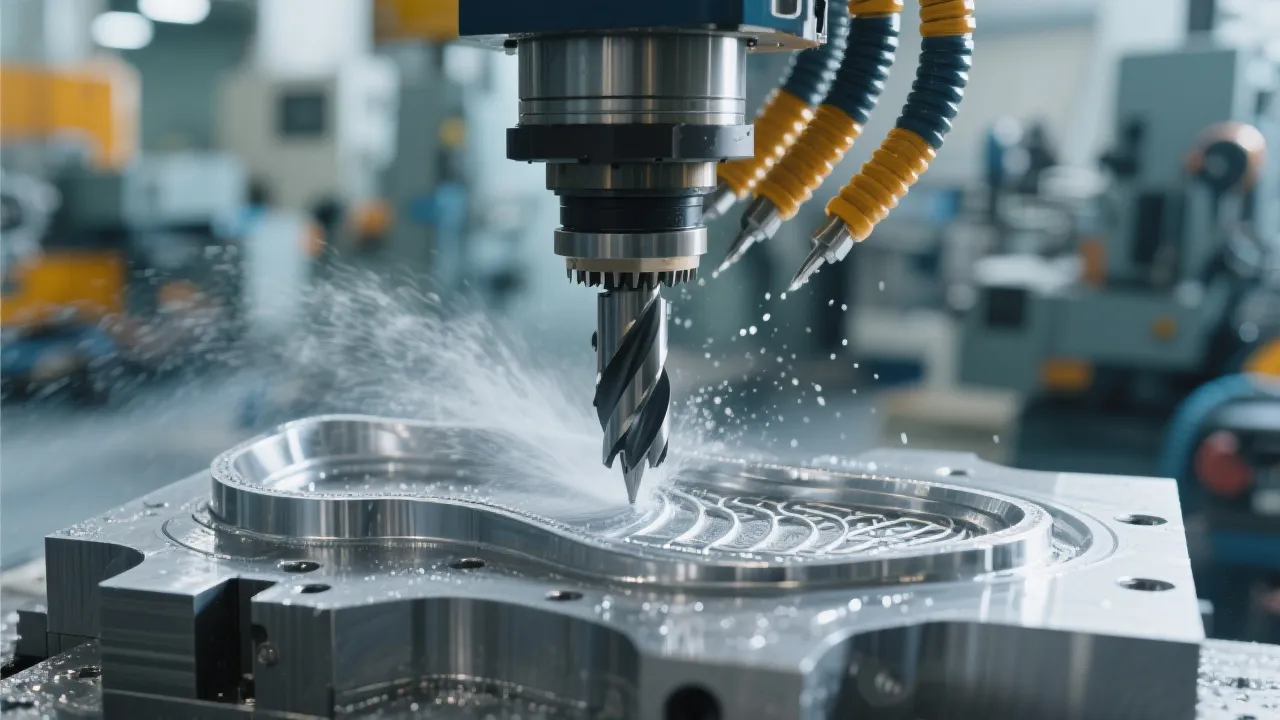
What sets FH1890L apart is not just raw power—it’s intelligent adaptability. The system supports quick-change tooling heads (e.g., standard, tilt, and swivel options) that allow complex geometries to be processed without re-fixturing. This capability alone cuts setup time by up to 45%, making it ideal for job shops handling diverse graphite components—from electrode blocks to mold inserts.
A case study conducted with a leading EV battery manufacturer shows how FH1890L achieved consistent Ra values below 3.2 μm across 50+ graphite electrodes using optimized parameters:
This dual-phase strategy minimizes vibration-induced defects while maximizing throughput—a critical factor for volume production environments where downtime equals lost revenue.
Whether you're evaluating new equipment or optimizing existing workflows, the FH1890L stands out as a proven solution for precision, speed, and reliability in graphite processing.
Explore the FH1890L Today →