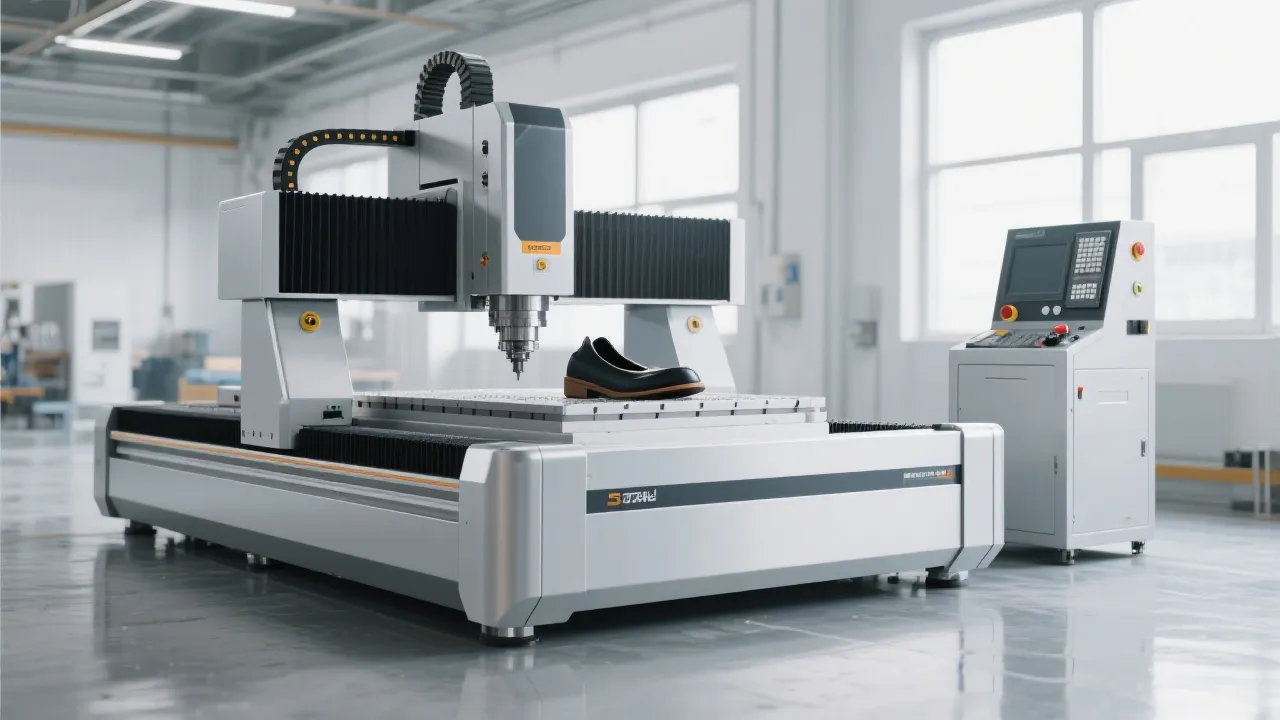
Graphite machining has long been a pain point for manufacturers in aerospace, mold-making, and EV battery sectors—especially when precision, surface finish, and dust control are critical. Many shops struggle with brittle material breakage, excessive tool wear, and inconsistent quality. But what if you could solve these issues without switching suppliers or investing in entirely new equipment?
Unlike metals, graphite is both hard and fragile—it fractures easily under stress, especially during high-speed cutting. According to industry data from the International Journal of Advanced Manufacturing Technology, up to 40% of graphite parts fail due to micro-cracks caused by improper toolpath planning or poor machine rigidity. Add to that the fine dust generated (which can clog CNC systems), and it's clear why many operators avoid this material altogether.
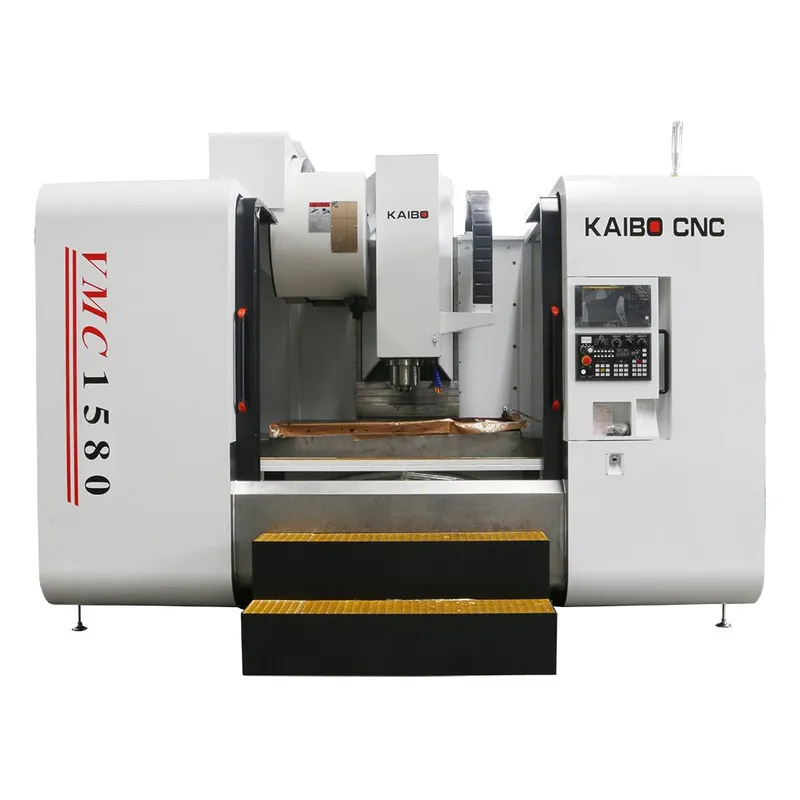
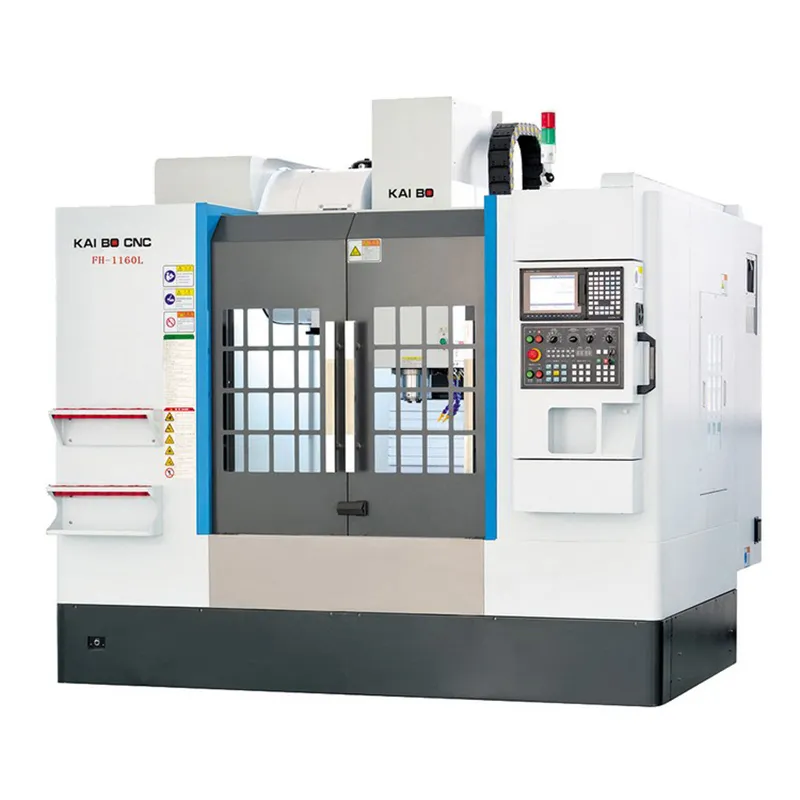
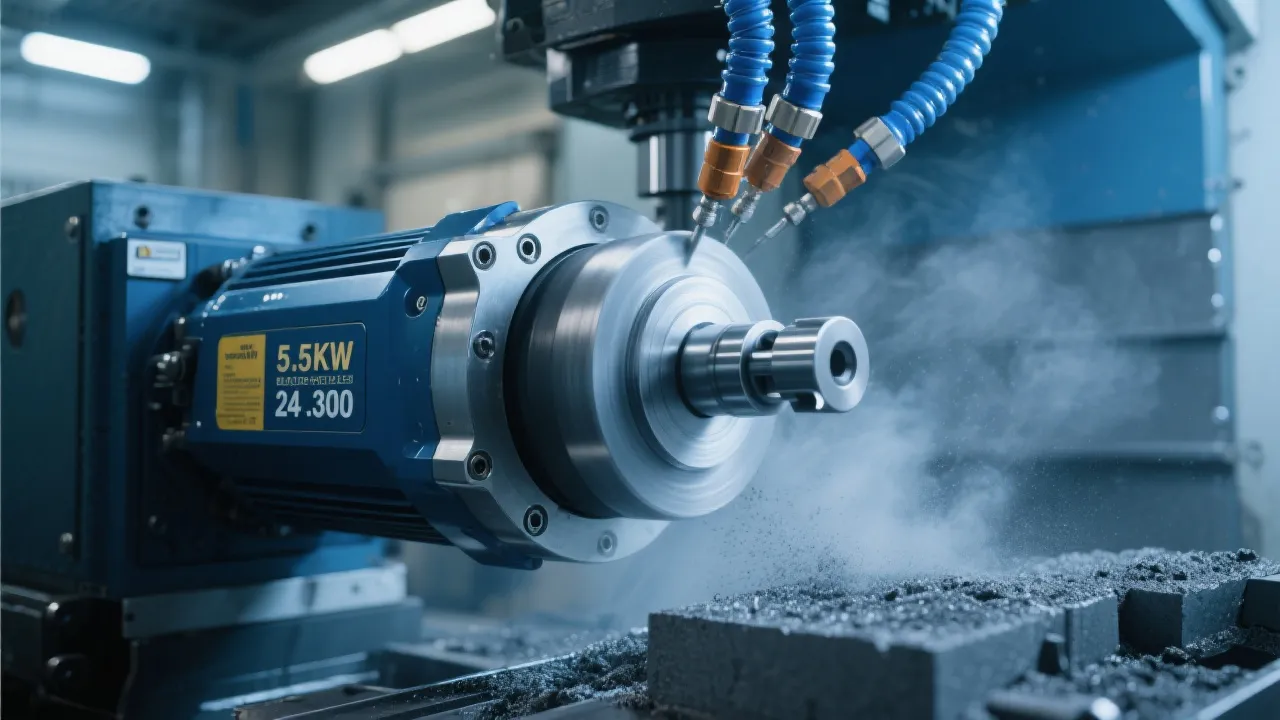
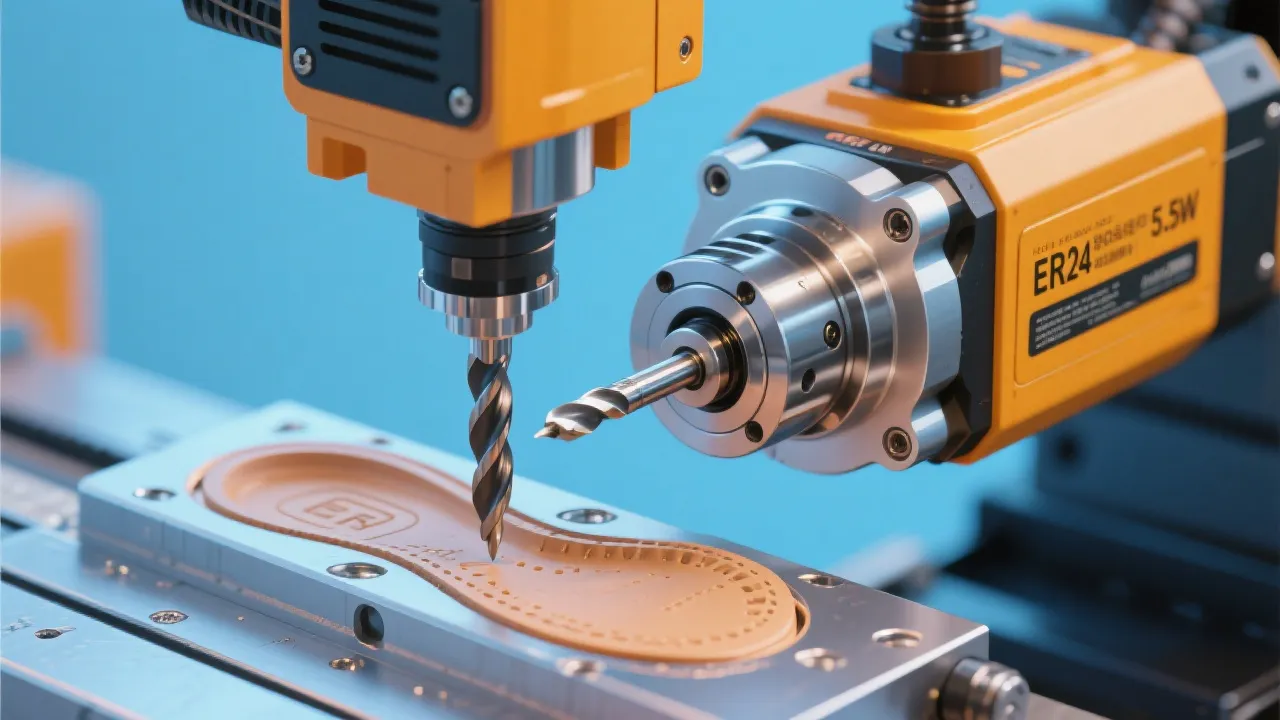
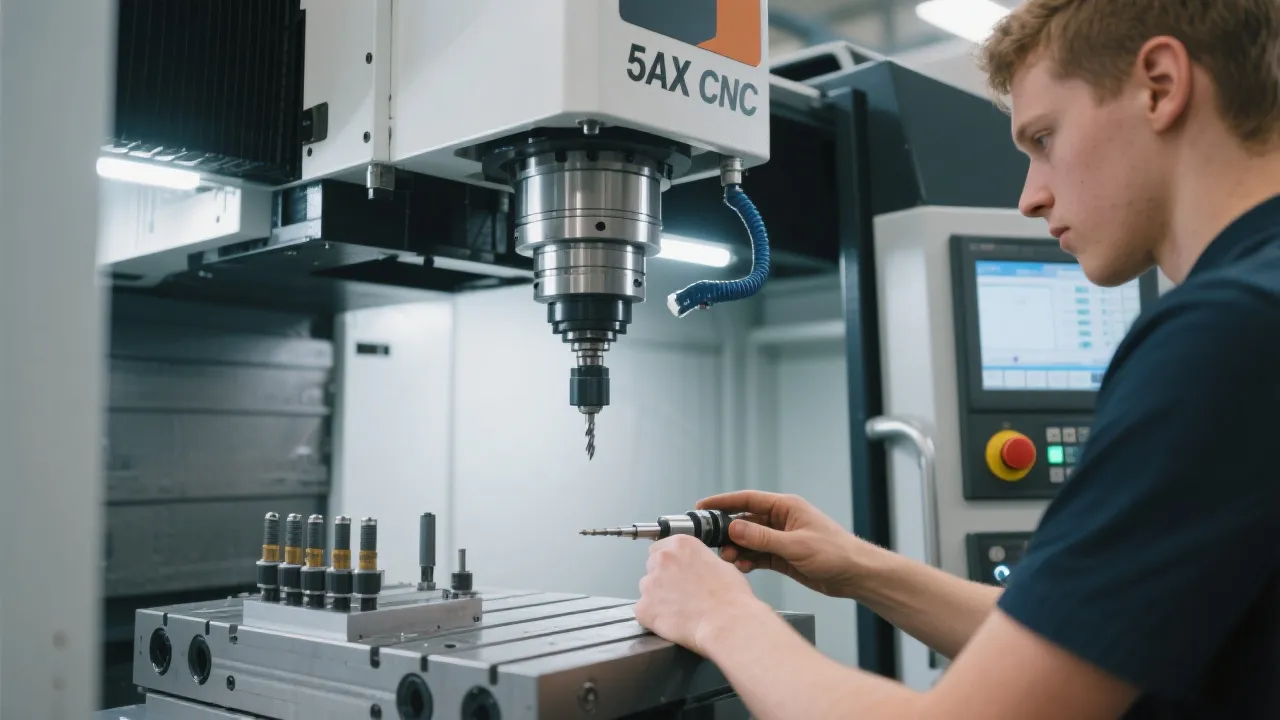
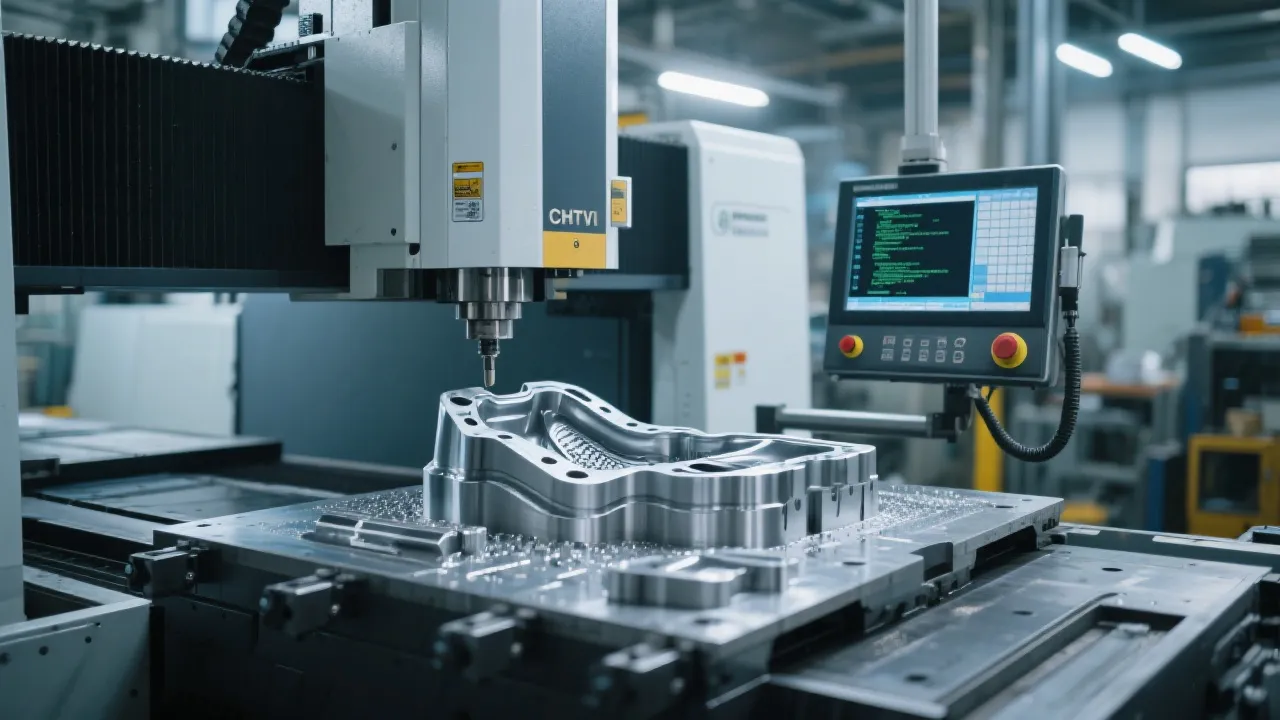
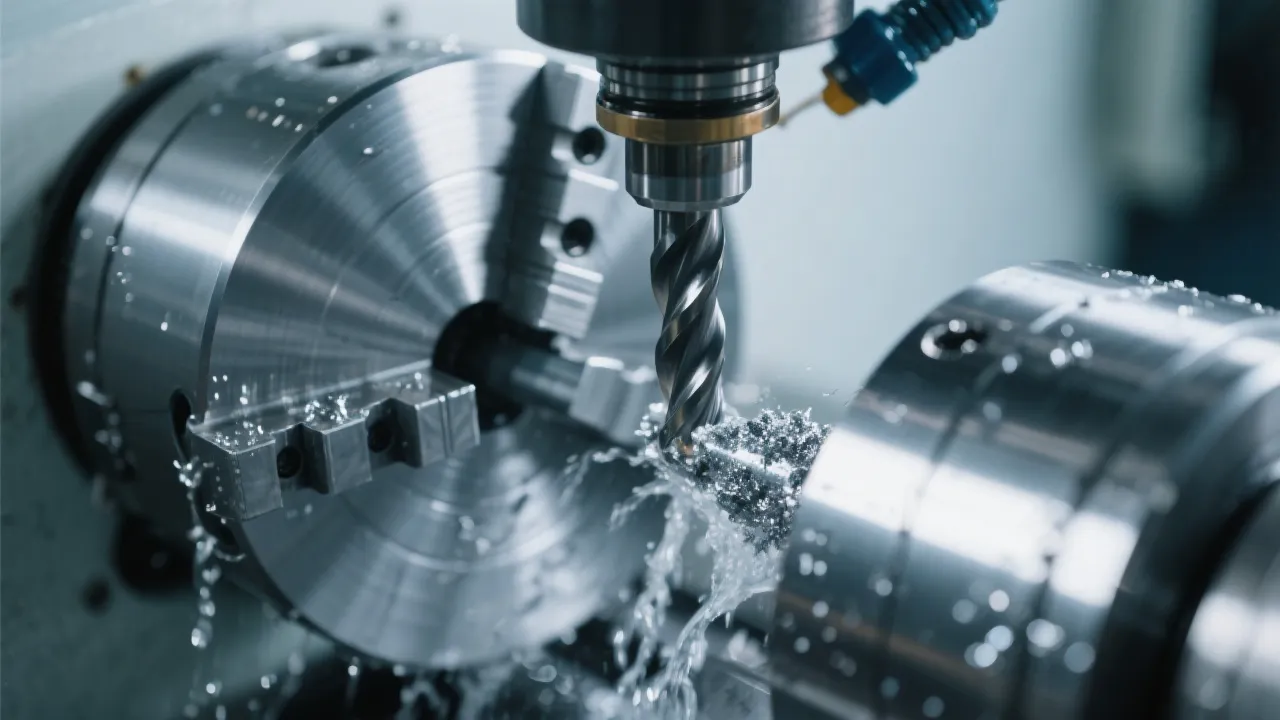
The FH1890L vertical machining center isn’t just another CNC machine—it’s engineered specifically for materials like graphite. With a 20% higher feed rate than standard models and a rigid cast-iron base, it delivers consistent results even at high RPMs. More importantly, its multi-angle spindle options—including right-angle heads, universal joints, and extension rods—allow seamless transitions between roughing, semi-finishing, and finishing stages.
You don’t need to reposition the part or change tools manually—just switch angles via the Mitsubishi control system. One customer reported reducing setup time by 35% after adopting this configuration. That’s not just efficiency—it’s productivity.
A leading mold manufacturer in Germany saw immediate improvements after integrating the FH1890L into their production line. Before implementation, they experienced a defect rate of around 18%. After optimizing toolpaths using the multi-angle head system and leveraging Mitsubishi’s adaptive control features, their yield jumped to 82%—a 30-point improvement in just three months.
That’s the kind of return on investment most engineers dream about—not just faster machining, but fewer rejects and less waste.
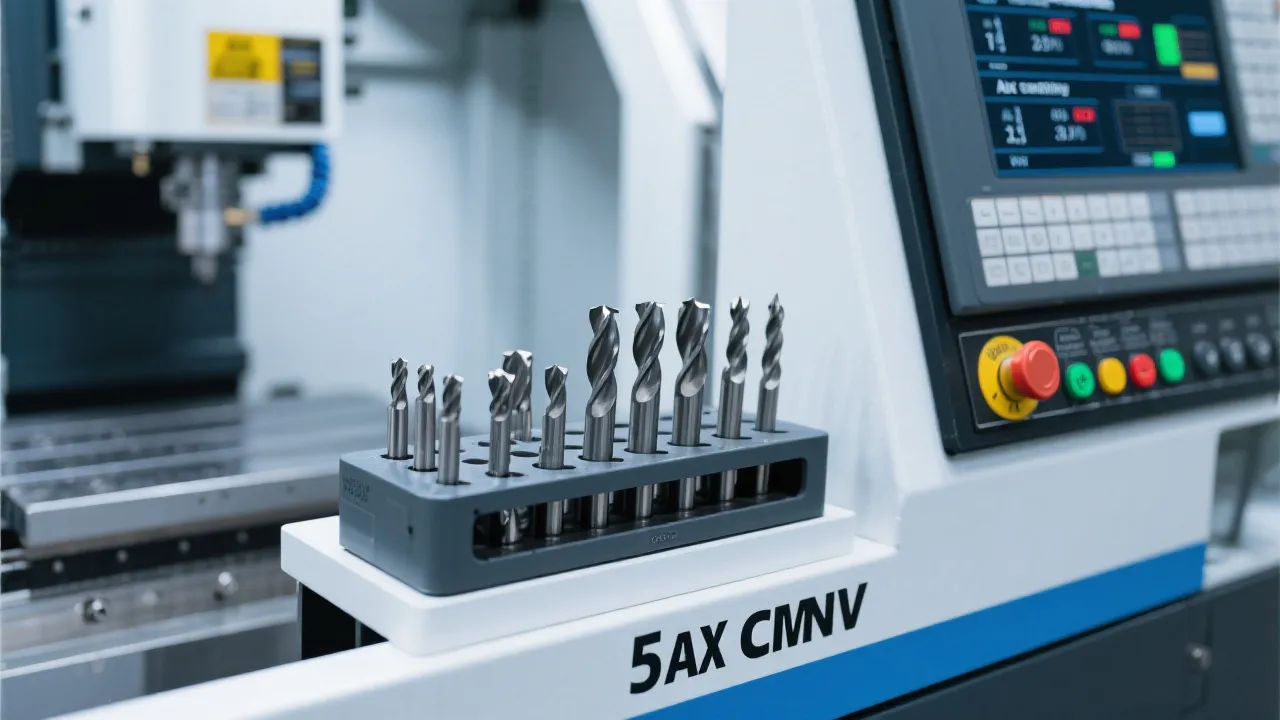
If you’re new to graphite machining, start with pre-set programs for coarse milling and gradually move to finer cuts. For experienced users, take advantage of the automatic tool changer and customizable macros to reduce manual intervention. Always monitor chip load—graphite doesn’t behave like aluminum or steel—and adjust feed rates accordingly.
Have you ever faced unexpected cracks or tool breakage while machining graphite? You're not alone. Thousands of global buyers have asked us how to improve consistency—and we’re here to help.
CTA: Ready to transform your graphite machining process? Discover how the FH1890L Vertical Machining Center helped top-tier manufacturers boost yields and cut downtime—without changing suppliers.






 <#else>