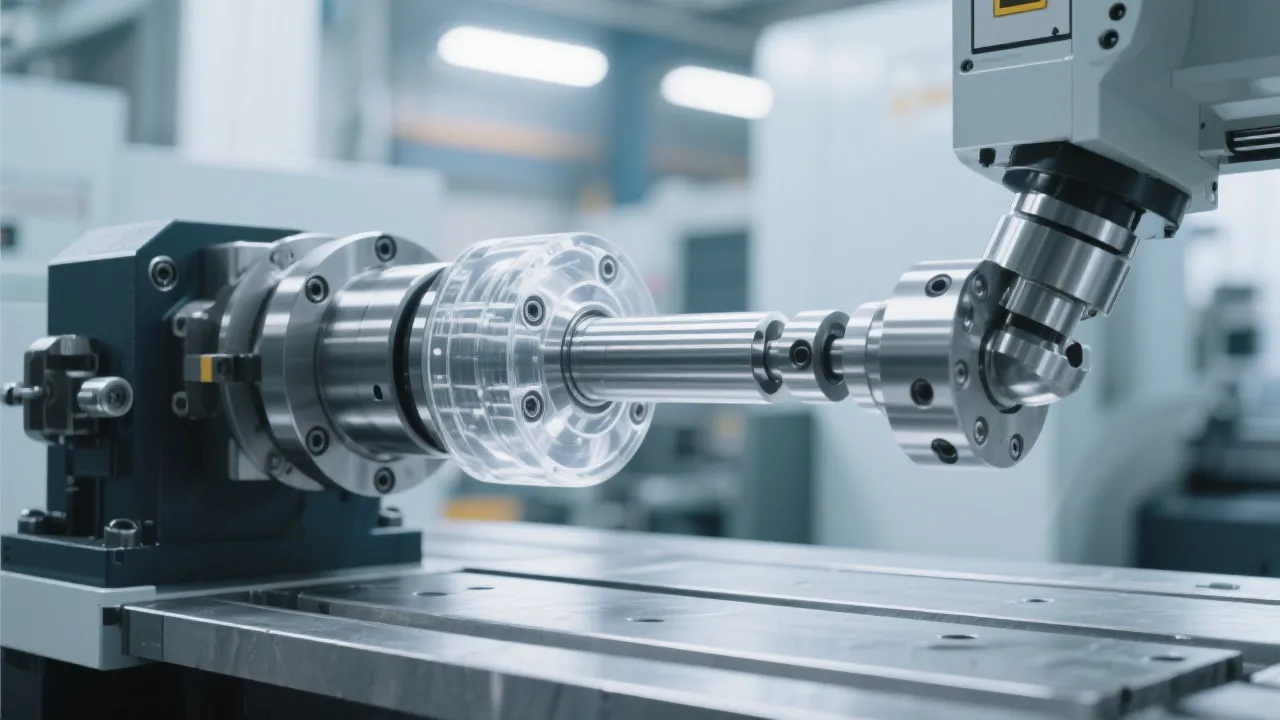
Achieving ±0.01mm Precision in Graphite Electrode Machining with DC6060G High-Precision CNC Milling
18 03,2026
Technical knowledge
Why is achieving ±0.01mm precision challenging in traditional graphite electrode machining? This article explores how Ningbo Kaibo CNC’s self-developed DC6060G dry vacuum graphite electrode machining center employs closed-loop feedback systems, thermal stability compensation algorithms, and fully enclosed dust-proof designs to overcome accuracy issues caused by dust contamination and mechanical deformation. Combining core technological upgrades with practical process optimization, it helps manufacturers improve yield, shorten production cycles, and reduce labor costs—paving the way for advanced intelligent manufacturing in graphite electrode production.

Achieving ±0.01mm Precision in Graphite Electrode Machining: Insights into the DC6060G CNC Milling Center
Have you ever struggled with the stubborn challenge of reaching micron-level precision in graphite electrode processing? Traditional methods often fall short when it comes to maintaining an accuracy of ±0.01mm, mainly due to mechanical deformation and dust contamination. Yet, the manufacturing industry is evolving, and high-precision machining is no longer a distant goal.
Ningbo Kaibo CNC’s DC6060G dry vacuum graphite electrode machining center stands out as a breakthrough solution designed to overcome these common hurdles. Integrating advanced closed-loop feedback control, thermal compensation algorithms, and a fully enclosed dust-proof setup, this CNC milling center ensures stability and reliability at microprecision scales, directly contributing to improved yield rates and shortened production cycles.
The Precision Challenge in the Graphite Electrode Industry
Graphite electrode manufacturers face multiple precision bottlenecks: environmental dust affecting tooling and measurement, mechanical wear over long cycles, and thermal expansion causing subtle but critical dimensional deviations. Most conventional milling machines struggle to balance these factors, often delivering inconsistent results and higher scrap rates.
Key Technologies Driving the DC6060G’s Accuracy
The DC6060G’s design strategically addresses these challenges through several pivotal upgrades:
- Closed-Loop Servo Control System: By continuously monitoring and adjusting spindle position with real-time feedback, the system reduces precision fluctuations by over 70% compared to open-loop counterparts.
- Thermal Stability Compensation Algorithm: This innovation actively offsets temperature-induced material and machine expansion, ensuring dimensional consistency throughout extended machining cycles.
- Full Enclosure and Dust Extraction System: The dry vacuum design prevents graphite dust infiltration, crucial for protecting sensitive components and maintaining measurement accuracy.
How ±0.01mm Precision is Realized: A Closer Look
To fully appreciate how such tight tolerances are achieved, consider the following three-step process control framework embedded in the DC6060G:
- Servo Closed-Loop Adjustment: Continuous corrections keep mechanical deviations in check, a critical factor in micro-scale machining.
- Temperature Compensation: Real-time data from sensors feed algorithms that dynamically adjust tool paths and speeds.
- Optimized Tool Path Algorithms: Minimizing sudden directional changes reduces mechanical vibrations, contributing to smoother finishes and tighter tolerances.
Data at a Glance: Precision Improvements with DC6060G
- Precision variance reduced by 70% compared to traditional machining solutions.
- Production cycle shortened from 5 days to 3 days, accelerating your time-to-market.
- Dust-related maintenance frequency decreased, saving up to 30% in downtime costs.
Comparing Traditional Equipment and DC6060G
Conventional graphite electrode milling machines commonly suffer from inconsistent machining precision, higher contamination rates, and more frequent maintenance interruptions. In contrast, the DC6060G’s engineering innovations enable:
- Consistent dimensional accuracy even over prolonged periods
- Enhanced dust control that protects both the machine and quality of the workpiece
- Lower maintenance demands, significantly reducing operational costs
These advantages make not just a technical difference but a strategic business advantage for manufacturers aiming to upscale.
Practical Recommendations for Process Optimization and Maintenance
To maximize benefits from the DC6060G, consider the following operational tips:
- Set precise machine parameters according to the specific graphite grade to optimize cutting loads.
- Regularly calibrate thermal sensors to maintain accuracy of compensation algorithms.
- Schedule dust extraction system checks to prevent clogging and maintain vacuum efficiency.
- Employ tool path simulation before actual machining runs to predict and reduce mechanical strain.
Real-World Impact: Case Study Highlights
One leading graphite electrode manufacturer reported remarkable improvements after integrating the DC6060G center. Their yield of qualified electrodes increased by 25%, directly correlating with the system’s stable microprecision machining capabilities. The cycle time reduction from five to three days not only met tighter client deadlines but also freed up machine capacity for additional orders.
Their maintenance team also experienced fewer interventions, shifting focus from reactive repairs to proactive system enhancements—a clear testament to Kaibo CNC’s “not just precision, but efficiency leap” philosophy.