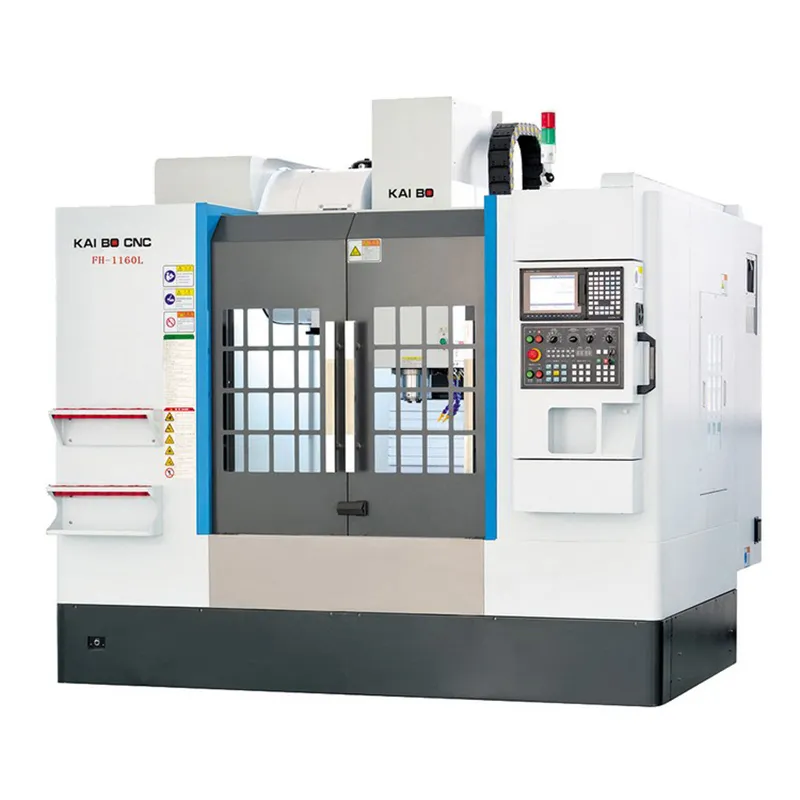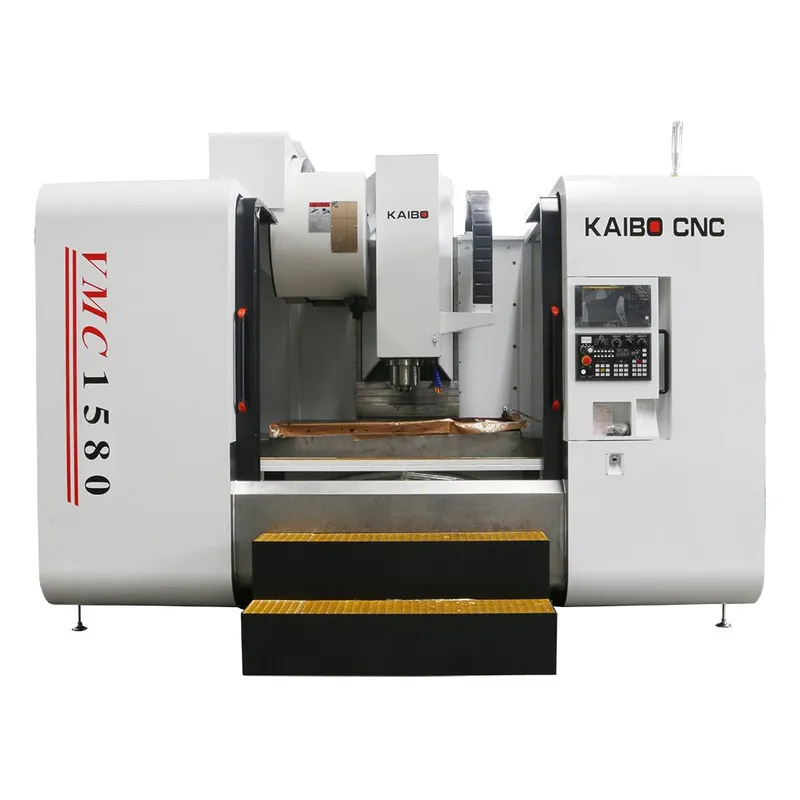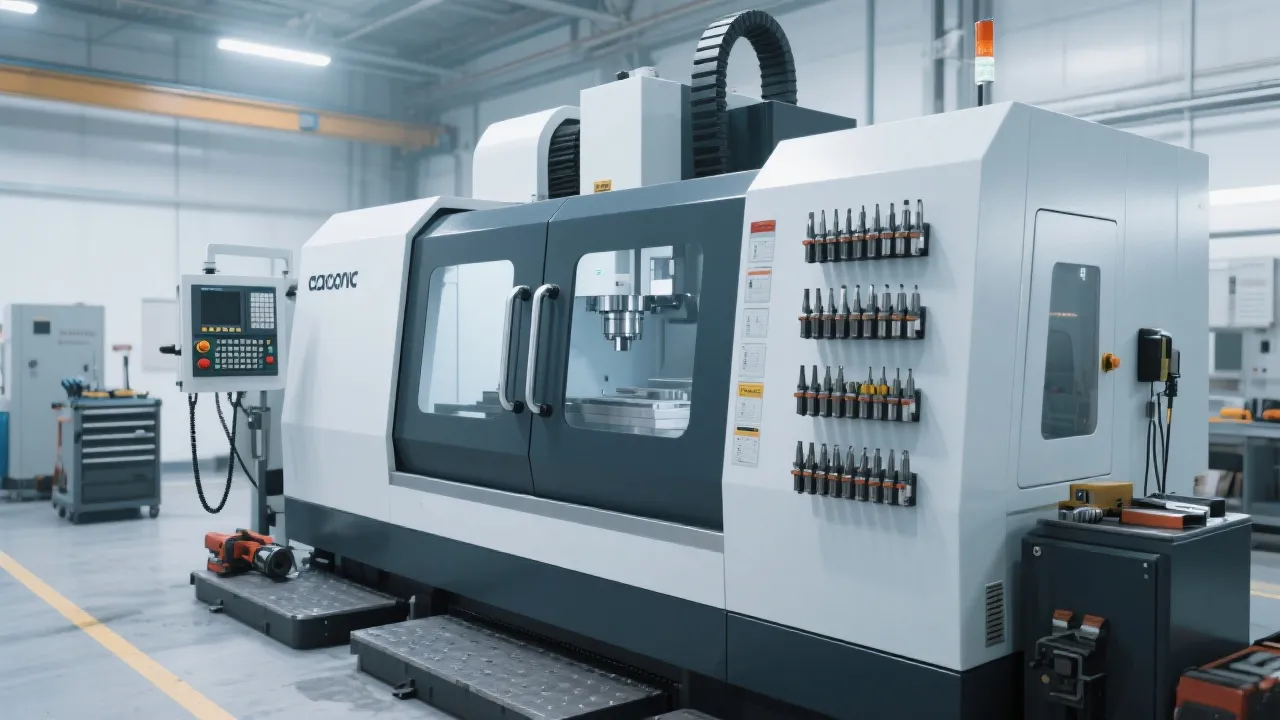
The graphite electrode machining industry faces escalating challenges related to dust pollution and energy consumption. Traditional wet processing methods, while prevalent, struggle to comply with stringent environmental standards and ensure worker safety. In response, KaiBo CNC introduces the DC6060G Dry Vacuum Graphite Electrode Machining Center, engineered with cutting-edge environmental controls to mitigate dust emissions and optimize energy usage, aligning with global ESG (Environmental, Social, Governance) responsibilities and carbon neutrality ambitions.
Graphite machining inherently generates fine particulate matter, posing significant health risks to operators and contaminating production environments. Industry studies show that airborne graphite dust concentrations can exceed occupational exposure limits by over 300% in wet-processing setups. Moreover, the maintenance costs and downtime due to clogging and corrosion of equipment add to operational burdens.
The growing stringency of environmental regulations worldwide, including China’s dual carbon (“Shuang Tan”) goals, mandates ultra-low emissions and energy-efficient production technologies. Increasingly, manufacturers seek solutions that balance high productivity with ecological and social governance.
Unlike traditional wet processes that rely on continuous water flow to suppress dust, dry vacuum technology employs a fully enclosed machining chamber coupled with high-efficiency dust extraction. This approach yields several environmental and operational benefits:
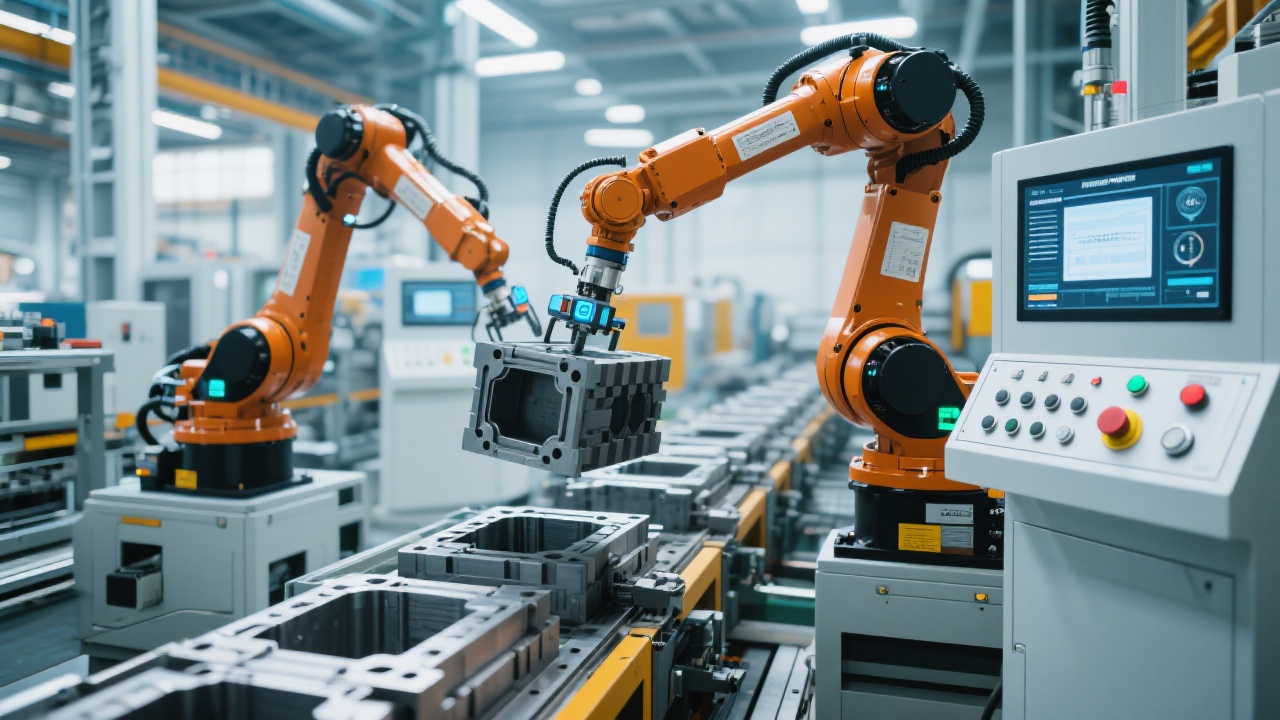
The DC6060G sets a new benchmark with its combination of mechanical design and smart dust control:

The industrial sector is under increasing pressure to conform with ESG criteria and carbon reduction mandates. Graphite electrode manufacturers adopting dry vacuum machining benefit not only from immediate dust control improvements but also contribute tangibly to national and international climate commitments.
China’s “Dual Carbon” strategy promotes green manufacturing as a pillar for sustainable industrial revitalization. In this context, upgrading to machines like the DC6060G is no longer optional—it is a strategic imperative for survival and growth.
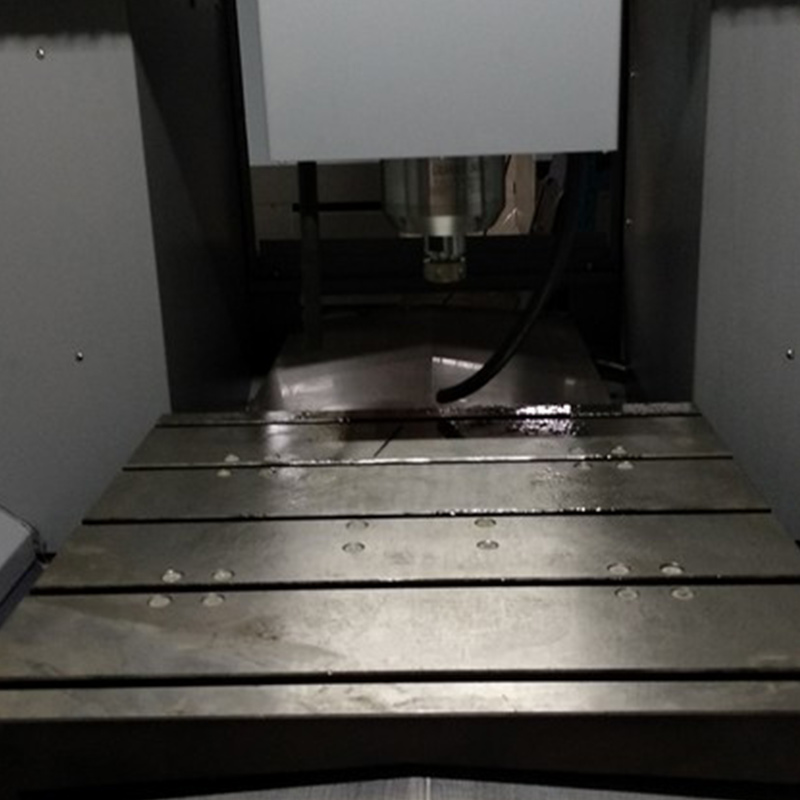
For plant supervisors, the immediate benefits are measurable in healthier workplaces and simplified maintenance protocols. From a management perspective, investments in eco-friendly machining signal corporate responsibility and enhance brand reputation in a market increasingly sensitive to sustainability.
This multidimensional value—from reduced operational risk to elevated market positioning—translates directly into competitive advantage and long-term profitability for enterprises adopting KaiBo CNC technologies.