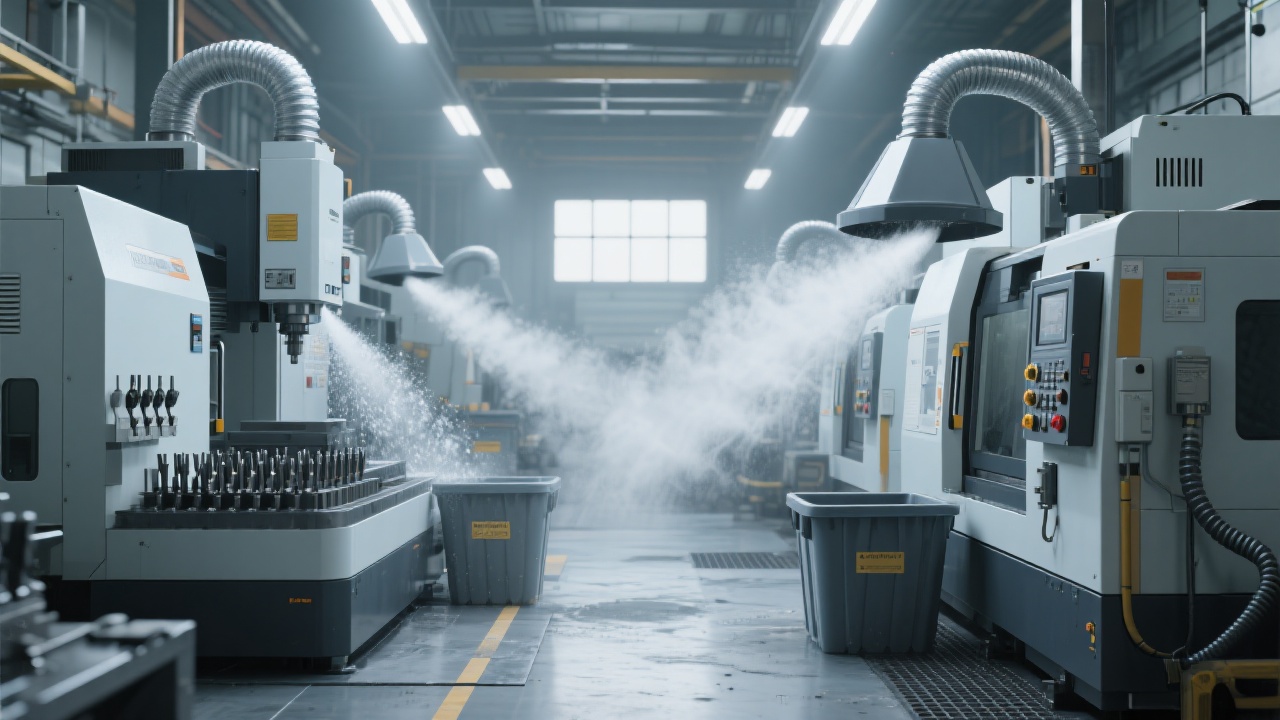
In the graphite electrode manufacturing industry, dust pollution has long posed significant challenges—not only threatening worker health but also complicating compliance with stringent environmental regulations. Today, more enterprises are turning to advanced technologies to meet ESG (Environmental, Social, and Governance) commitments, improve operational safety, and gain a competitive edge through sustainable manufacturing. Among these innovations, the integration of dry vacuum technology in machining centers stands out as a game-changing solution.
Graphite electrode processing traditionally generates high concentrations of airborne dust particles, which adversely impact respiratory health and raise compliance costs. Conventional wet processing methods, although partially mitigating dust, often lead to wastewater issues and higher maintenance demands. For plant managers and production supervisors, these factors inflate operational risks and hinder commitments to workforce well-being and environmental responsibility.
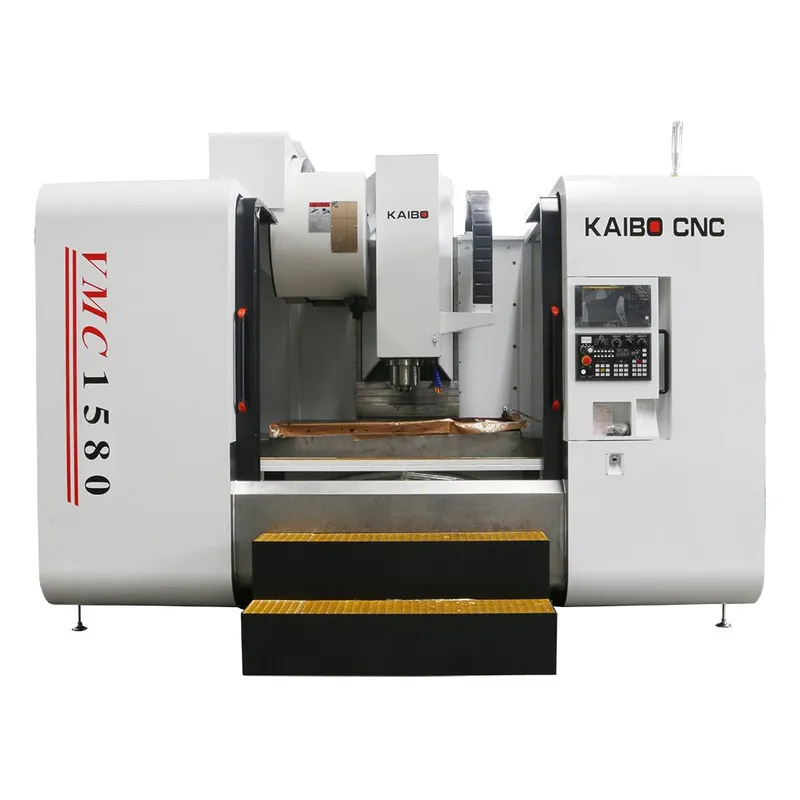
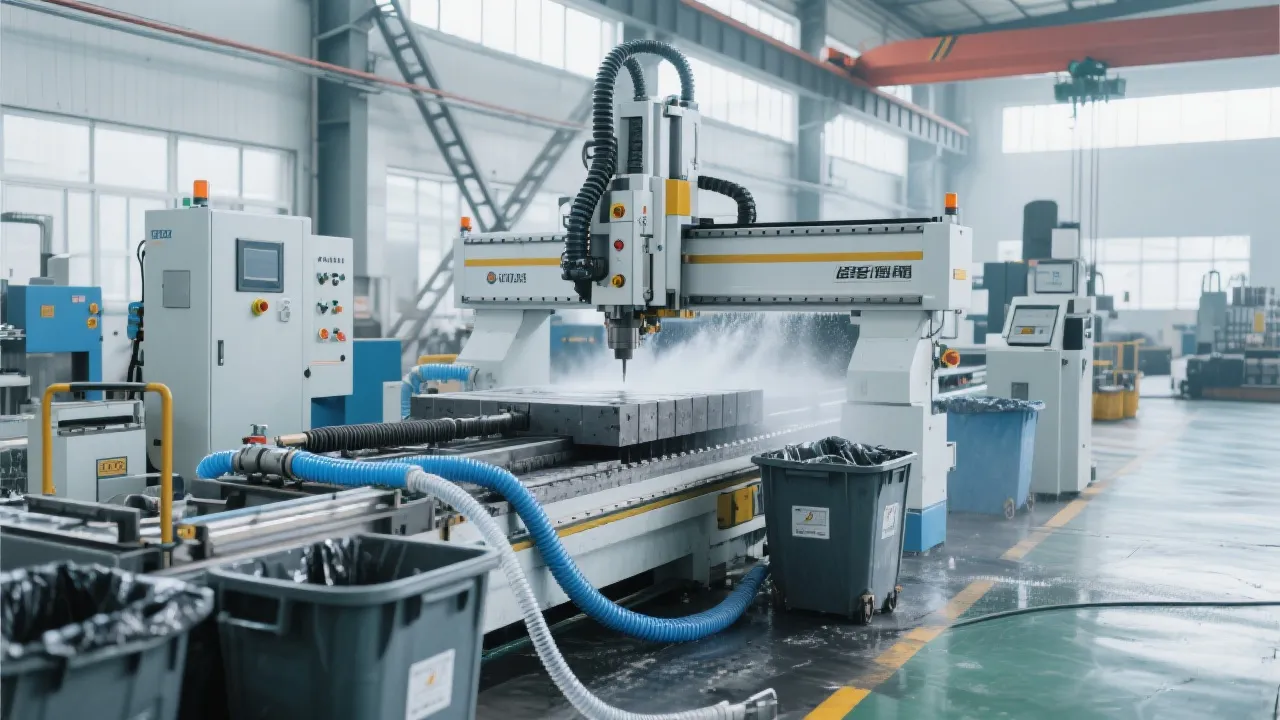
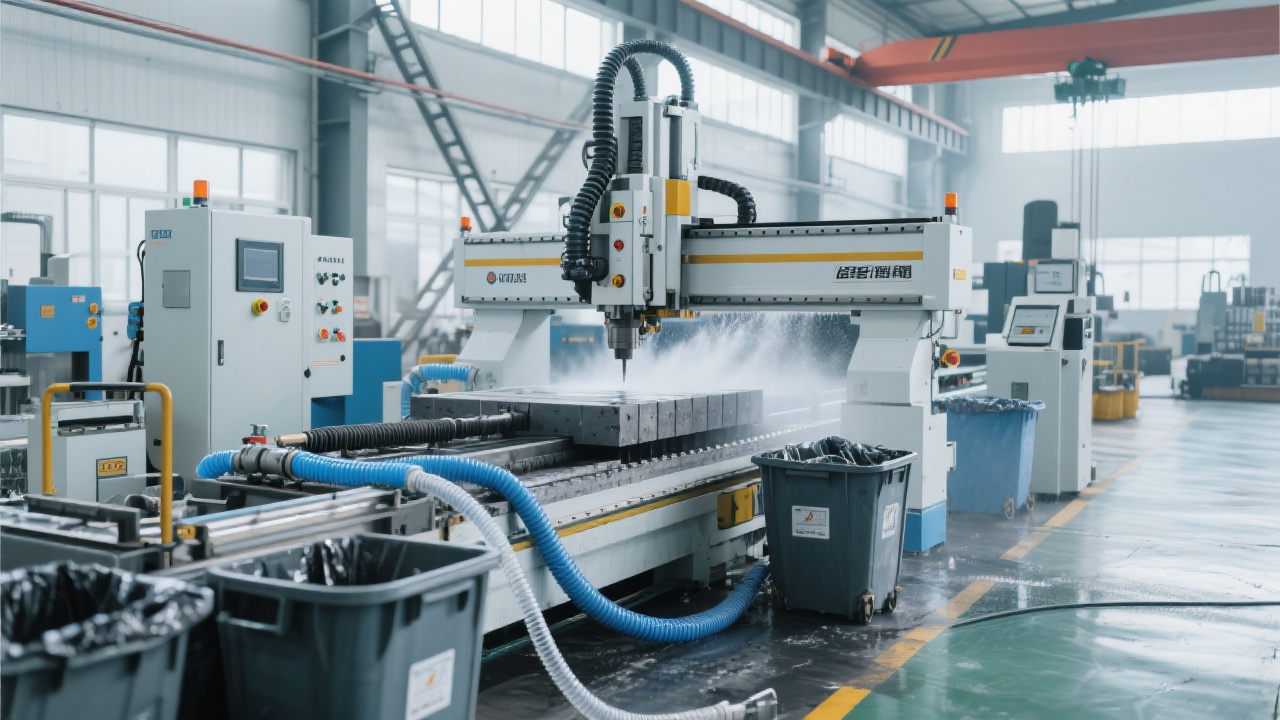
Taking the lead, Kaibo CNC’s DC6060G graphite electrode machining center exemplifies environmental and operational excellence by applying dry vacuum processing technology. This approach utilizes a fully enclosed machining structure combined with a high-efficiency dust collection system. Unlike wet machining, the dry vacuum process avoids water use and related disposal issues, dramatically lowering maintenance costs by an estimated 30% annually.
“Adopting dry vacuum technology has transformed our workshop environment. We’ve observed an unprecedented 90% reduction in airborne dust concentration, enhancing employee safety and compliance.” – Zhang Wei, Production Manager at a Leading Graphite Manufacturer
The dry vacuum system actively captures dust at the source, maintaining clean air standards and reducing particulate matter far beyond traditional methods. This has a quantifiable impact: detailed measurements record dust levels dropping from critical thresholds (>10 mg/m³) down to under 1 mg/m³, a drastic improvement compliant with international workplace safety regulations.
Beyond safety, the environmental performance gains translate directly to business value. The sealed machining center minimizes dust contamination throughout the plant, resulting in:
Industry leaders recognize that implementing cutting-edge dust control technologies is no longer optional—it is a strategic advantage in a market increasingly focused on carbon neutrality and ethical production. By integrating dry vacuum machining centers like the DC6060G, companies demonstrate a proactive stance toward green manufacturing and social responsibility, fostering trust from clients and regulators alike.
Environmental upgrades should be seen as opportunities rather than liabilities. Investing in such equipment unlocks pathways to compliance, operational efficiency, and brand differentiation, aligning manufacturing practices with globally recognized sustainability frameworks.
For plant decision-makers, understanding the ecological footprint of your graphite electrode production line is essential. Utilizing diagnostic tools and expert assessments can provide actionable insights and tailor solutions to your unique conditions. Enhanced dust control benefits cascade through improved worker health, reduced regulatory risks, and stronger market positioning.
Explore how embracing dry vacuum technology can transform your graphite electrode processes and elevate your company’s sustainability journey.
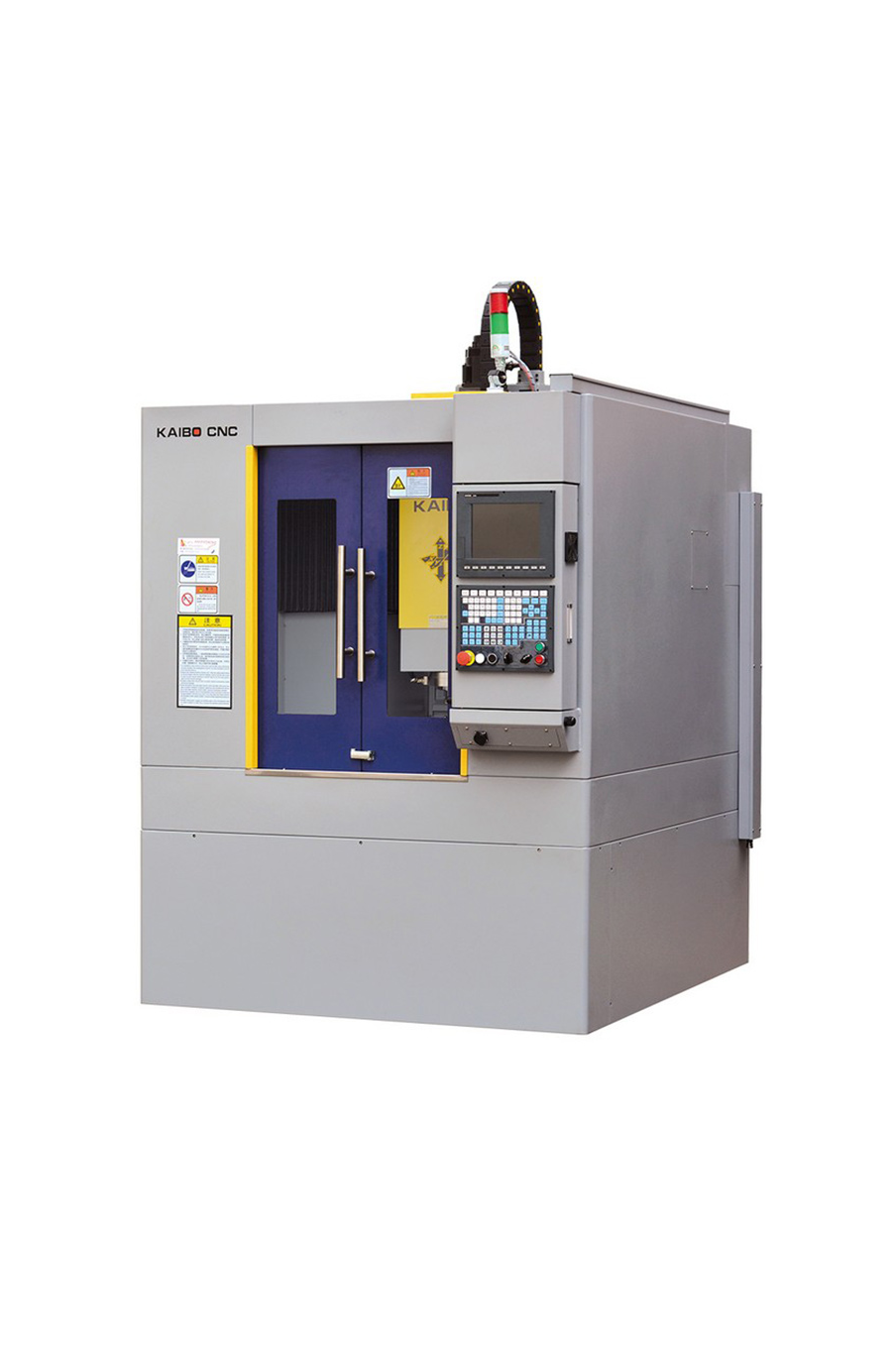
Continuous innovation in industrial dust collection systems will be paramount as manufacturers strive for carbon neutrality and zero environmental incident targets. With regulatory bodies tightening air quality controls worldwide, the adoption of solutions like Kaibo CNC’s dry vacuum machining centers will be a defining factor in maintaining operational viability and corporate reputation in a sustainable economy.