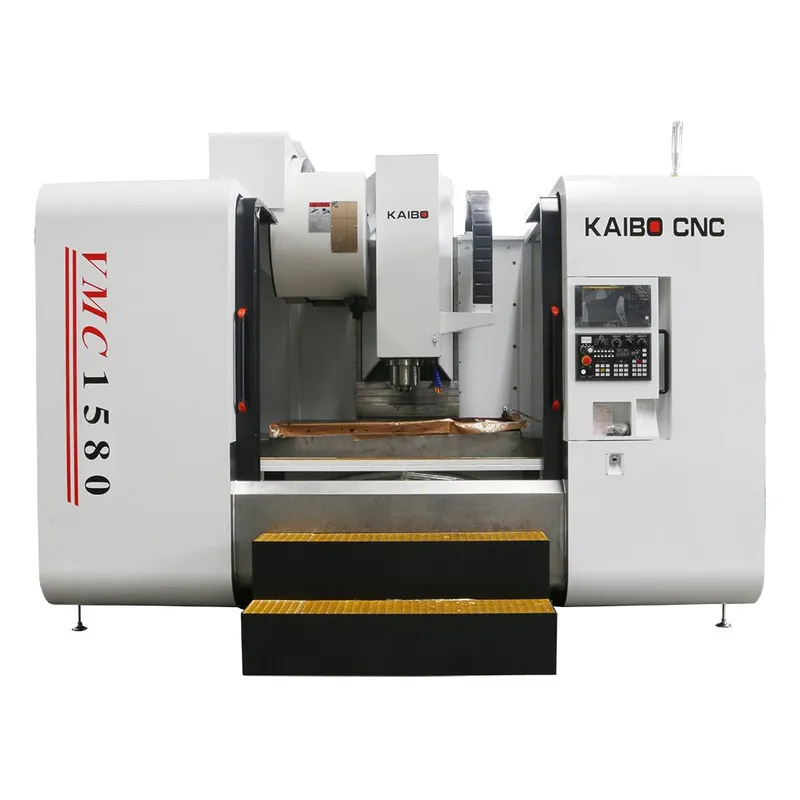
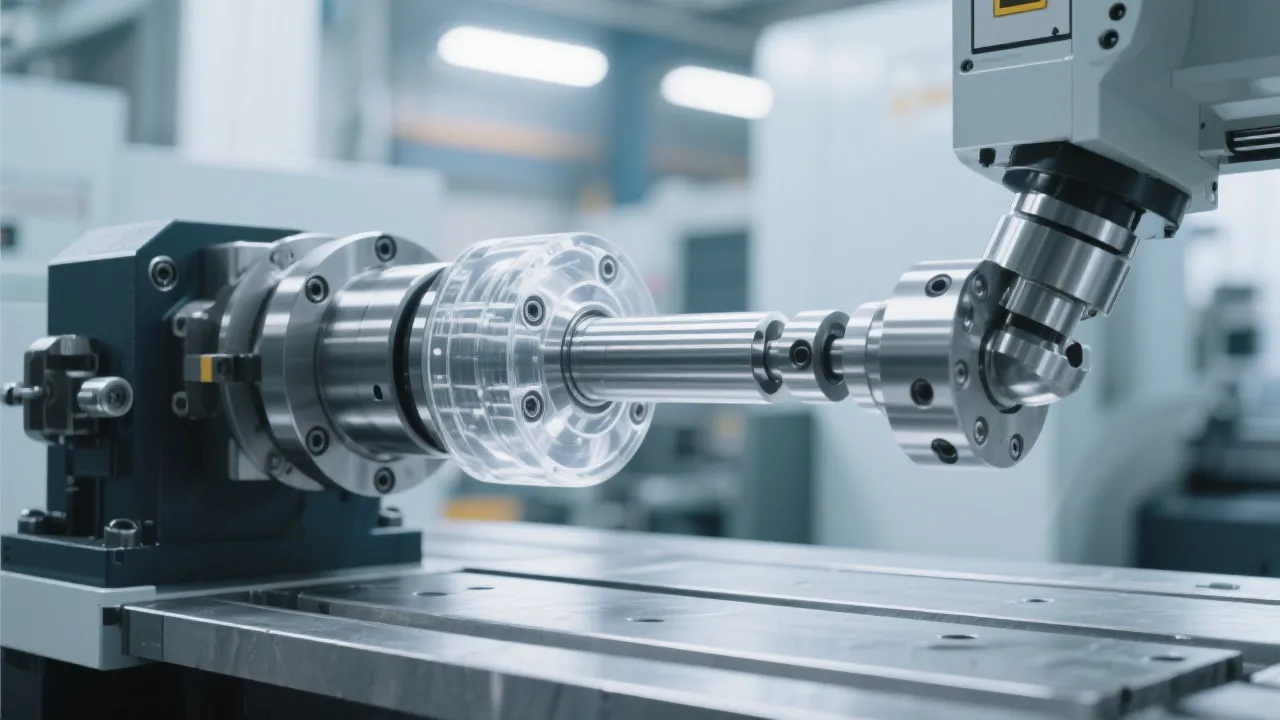
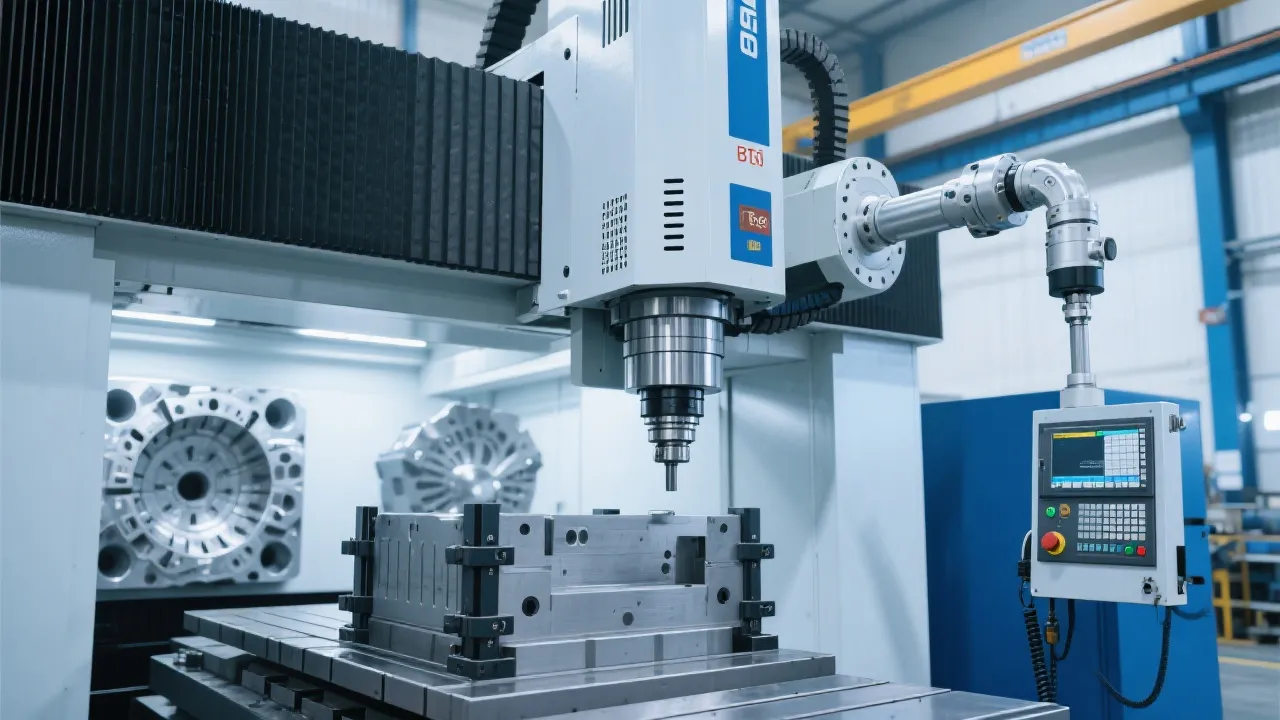
In the domain of precision machining, particularly within graphite electrode processing, airborne dust particles are more than just a contaminant. They present a critical challenge that directly influences the operational lifespan and accuracy of CNC machines. The dry vacuum graphite electrode processing center DC6060G, engineered by Kaibo CNC, exemplifies how state-of-the-art dust control can dramatically mitigate these risks by combining full enclosure designs with high-efficiency dust extraction systems. This piece explores the technical rationale behind such innovations and their multifaceted benefits in contemporary manufacturing environments.
Graphite processing generates dust particles typically ranging from 1 to 20 microns in diameter. These fine particulates easily infiltrate sensitive components of CNC machines, such as linear guides, ball screws, and electrical systems. The abrasive nature of graphite dust accelerates mechanical wear; studies indicate that unprotected exposure can reduce the lifespan of linear guides by up to 40%. Additionally, graphite dust's insulating properties combined with its conductivity lead to increased electrical failures, triggering unexpected downtime and costly repairs.
Beyond mechanical degradation, dust accumulation adversely affects machining precision by destabilizing sensor readings and increasing frictional resistance. For manufacturers striving to maintain tight tolerances and high surface finish quality, unchecked dust is thus a significant threat.
The DC6060G’s primary defense mechanism against graphite dust is its fully enclosed machine architecture. Compared to traditional open-structured equipment, this full enclosure physically isolates critical moving parts and electronic components from dust-laden air.
This barrier reduces dust ingress by over 90%, effectively limiting direct contact between dust and machine internals. The design incorporates tight seals around access doors and maintenance panels, minimizing leakage points. As a result, wear rates decrease substantially, with maintenance intervals extended by approximately 30-50%, based on customer field studies.
Integral to the DC6060G is a high-efficiency dry vacuum dust extraction system. Strategically positioned nozzles near the cutting zone extract airborne particles immediately upon generation. This system maintains a negative pressure differential inside the enclosure, preventing dust from escaping into the environment or settling on components.
The dust extraction’s airflow is carefully calibrated to optimize particle capture without interfering with chip evacuation or compromising cooling. This harmonious coordination between mechanical movements, vacuum suction, and chip management results in over 95% dust containment efficiency.
When contrasting conventional open-frame CNC machines with the fully enclosed DC6060G design, maintenance logs reveal significant differences. Open-frame systems experience more frequent shutdowns, part replacements, and electrical troubleshooting. Over a two-year period, operational costs related to dust damage were nearly 25% higher, while machine availability dropped by an estimated 15%.
In comparison, customers adopting the sealed configuration report a machine service life increase of up to 35%, along with reduced cleaning labor and improved tool life—key metrics that support return on investment and long-term operational stability.
The dust mitigation strategy extends beyond equipment preservation. It aligns with increasingly stringent environmental and occupational health regulations worldwide. By limiting graphite dust emissions, manufacturers not only protect workers’ respiratory health but also enhance indoor air quality, fostering safer workplaces.
Additionally, effective dust management forms a foundational pillar of sustainable manufacturing practices, reducing pollutant discharge and waste generation. This supports corporate governance standards and helps enterprises meet certifications related to green manufacturing.
As industrial digitization and smart manufacturing advance, maintaining equipment condition through proactive dust control becomes even more critical. Sensors and automated monitoring systems rely on dust-free environments for accurate data acquisition and control feedback loops.
The DC6060G’s approach positions manufacturers to harness Industry 4.0 benefits fully, reducing unplanned downtime and enabling predictive maintenance strategies.
Discover In-Depth Dust Control Solutions for Graphite Electrode Machining