
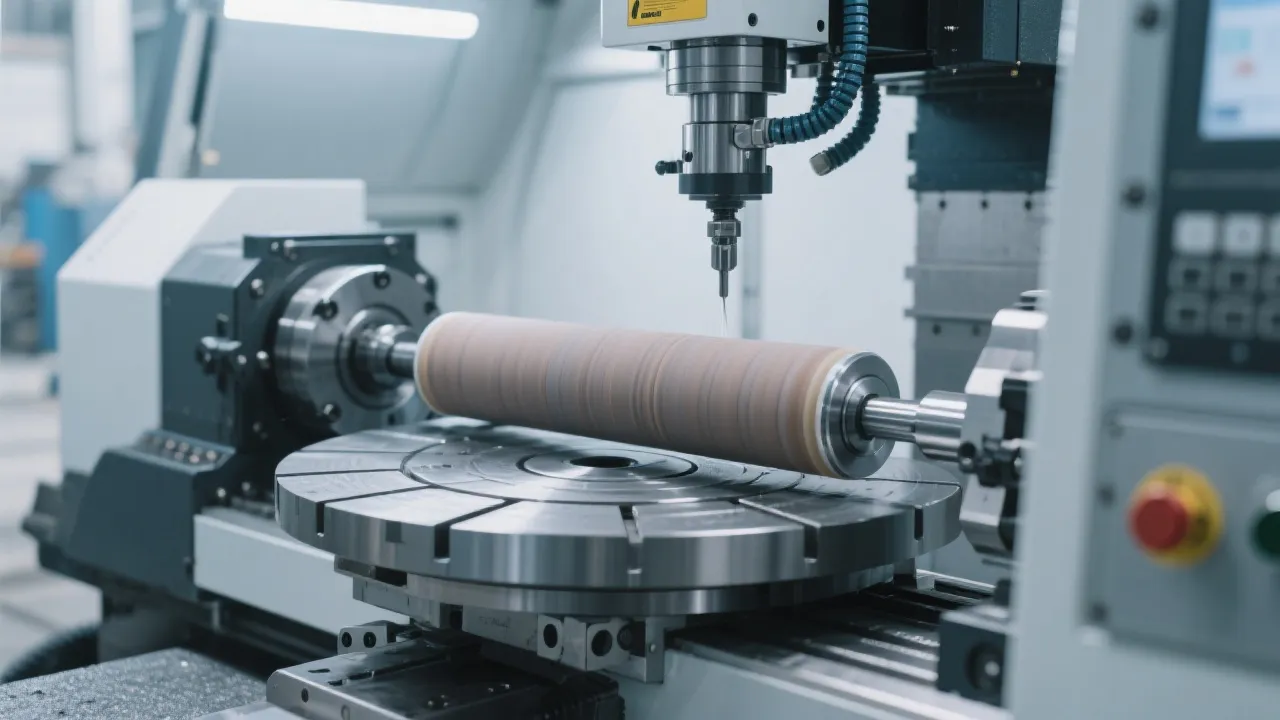
For industries like新能源 battery production, aerospace, and precision mold making, thin-wall components are both a challenge and an opportunity. Traditional three-axis machining often falls short—especially when dealing with complex geometries in materials like graphite. But here’s the good news: modern five-axis vertical machining centers (VMCs), such as the FH855L RTCP model, are not just incremental upgrades—they’re game-changers.
In high-precision applications, three-axis machines struggle with tool interference, multiple setups, and inconsistent surface finishes. For example, one European aerospace supplier reported a 22% increase in scrap rate when switching from 3-axis to 5-axis for graphite electrode manufacturing—a direct result of poor tool path control and frequent re-clamping.
| Metric | 3-Axis Machine | FH855L 5-Axis VMC |
|---|---|---|
| Setup Time per Part | 45 min | 18 min |
| Tool Changes per Batch | 12 | 7 |
| Surface Quality (Ra μm) | 2.8 | 1.2 |
The key lies in RTCP (Rotary Tool Center Point) technology—an intelligent feature that dynamically adjusts the tool tip position during rotation. This eliminates manual recalibration and reduces human error by up to 60%, according to internal testing at a leading Chinese mold manufacturer using the FH855L. With fewer setup errors, operators spend less time troubleshooting and more time optimizing output.
Key Insight: By integrating RTCP into your workflow, you can reduce programming complexity by 40% while increasing repeatability across batches—critical for mass production environments.
A real-world case study from a battery component maker in Germany shows how upgrading to the FH855L led to a 9% improvement in yield rates over six months. That may sound small—but at scale, it translates to thousands of dollars saved monthly in material waste and labor costs.
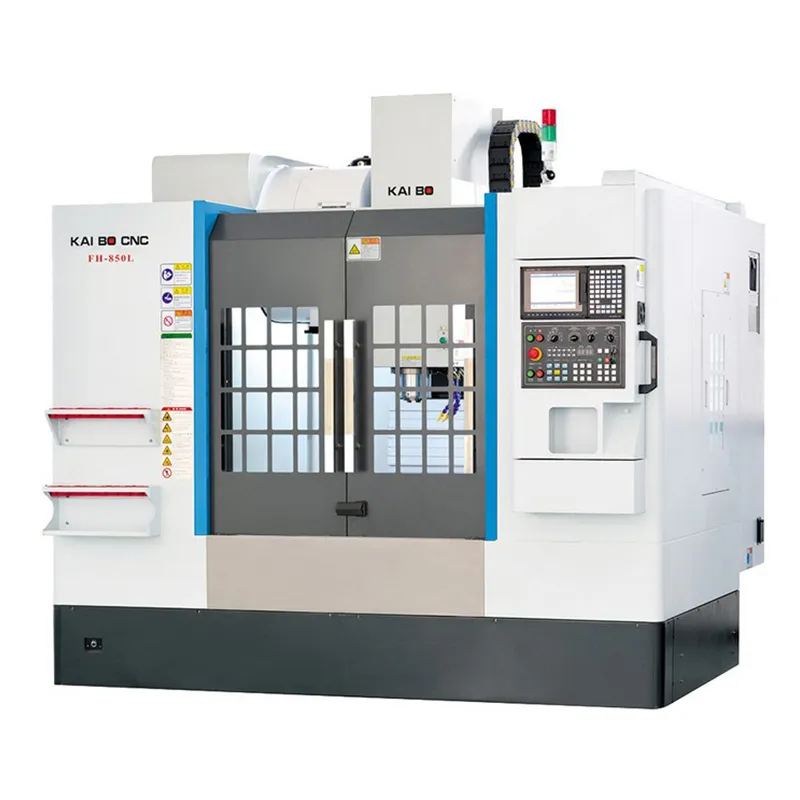
Discover how the FH855L RTCP five-axis vertical machining center can drive real results—higher yields, better finishes, and measurable cost savings.
Get Your Free Technical Brochure Now →



 <#else>





