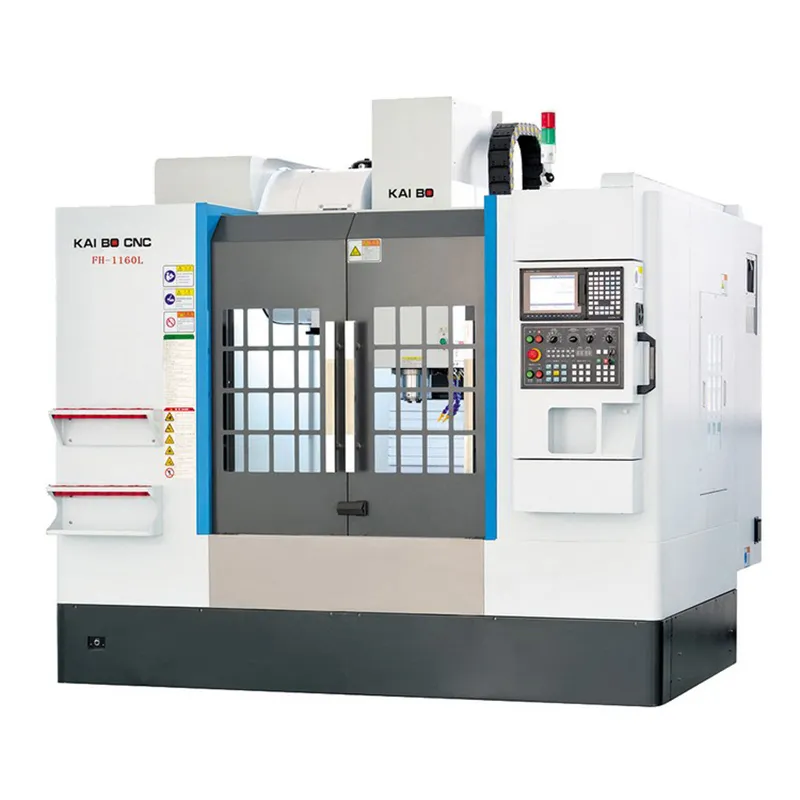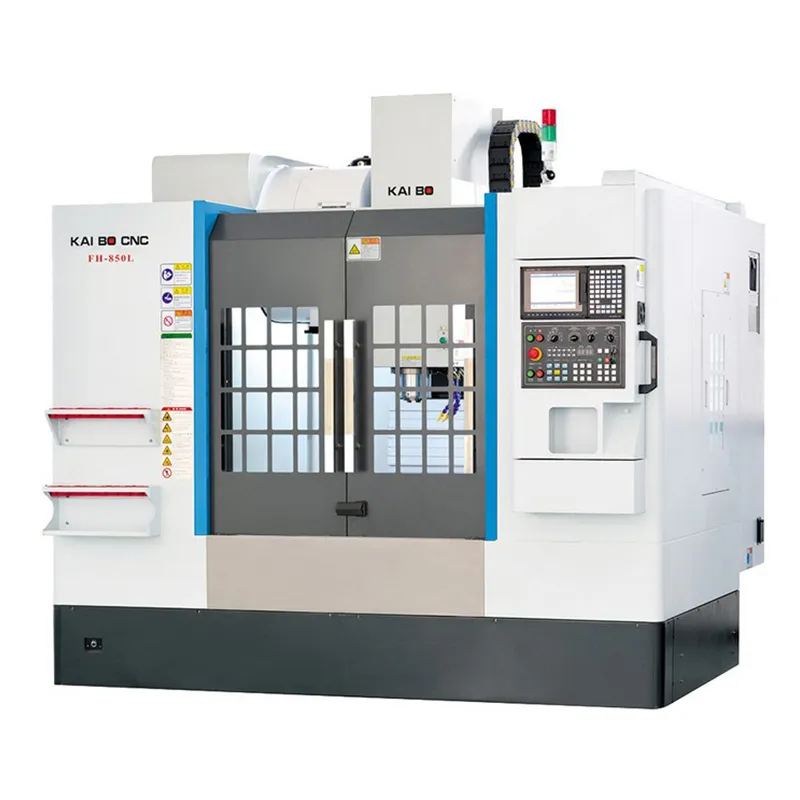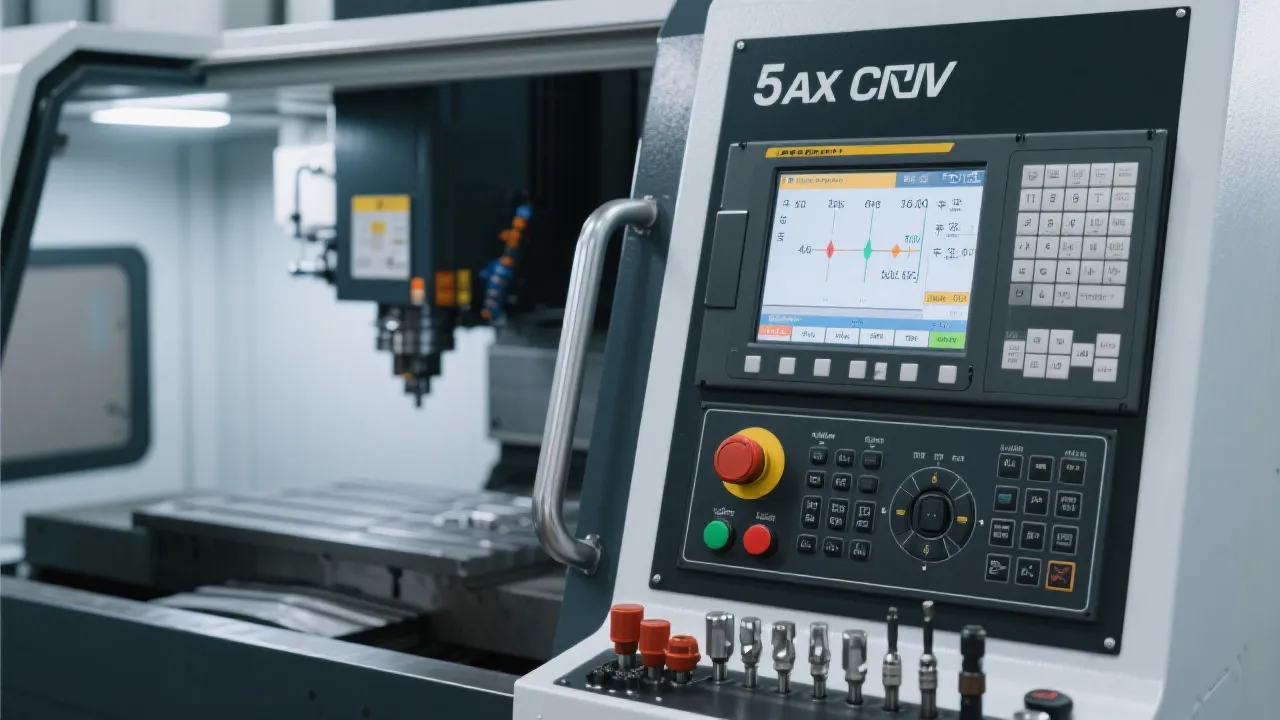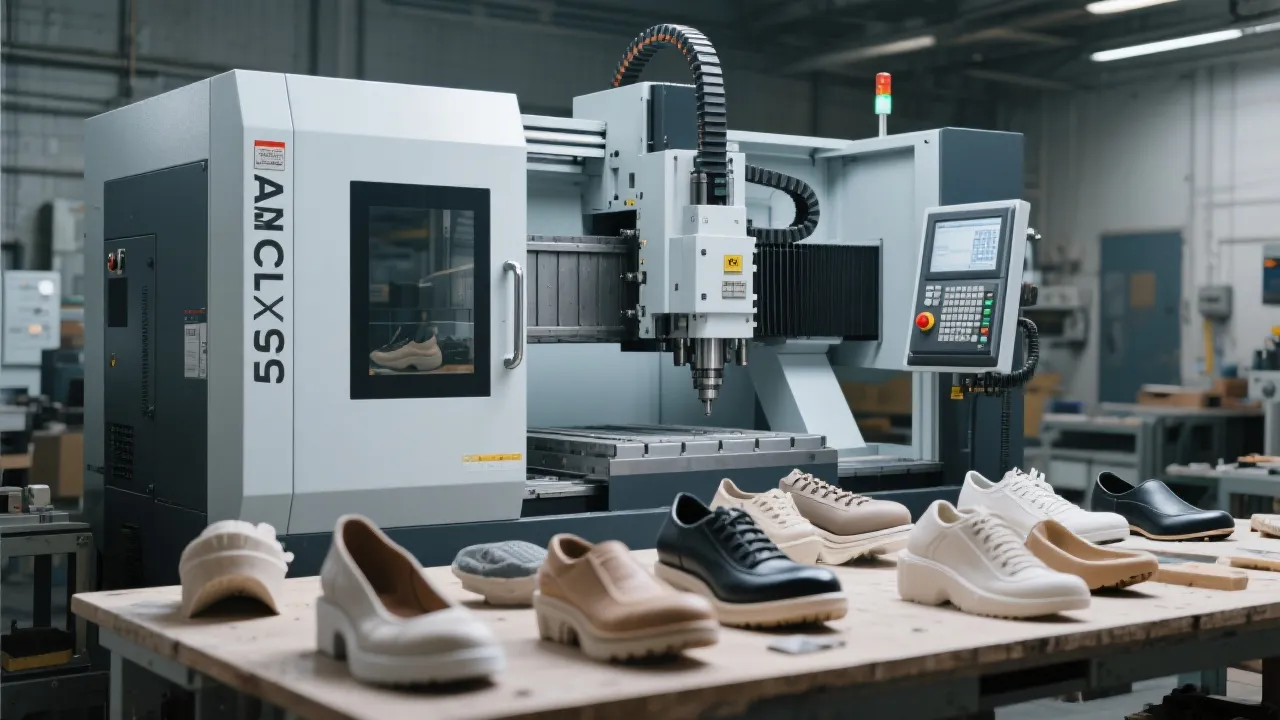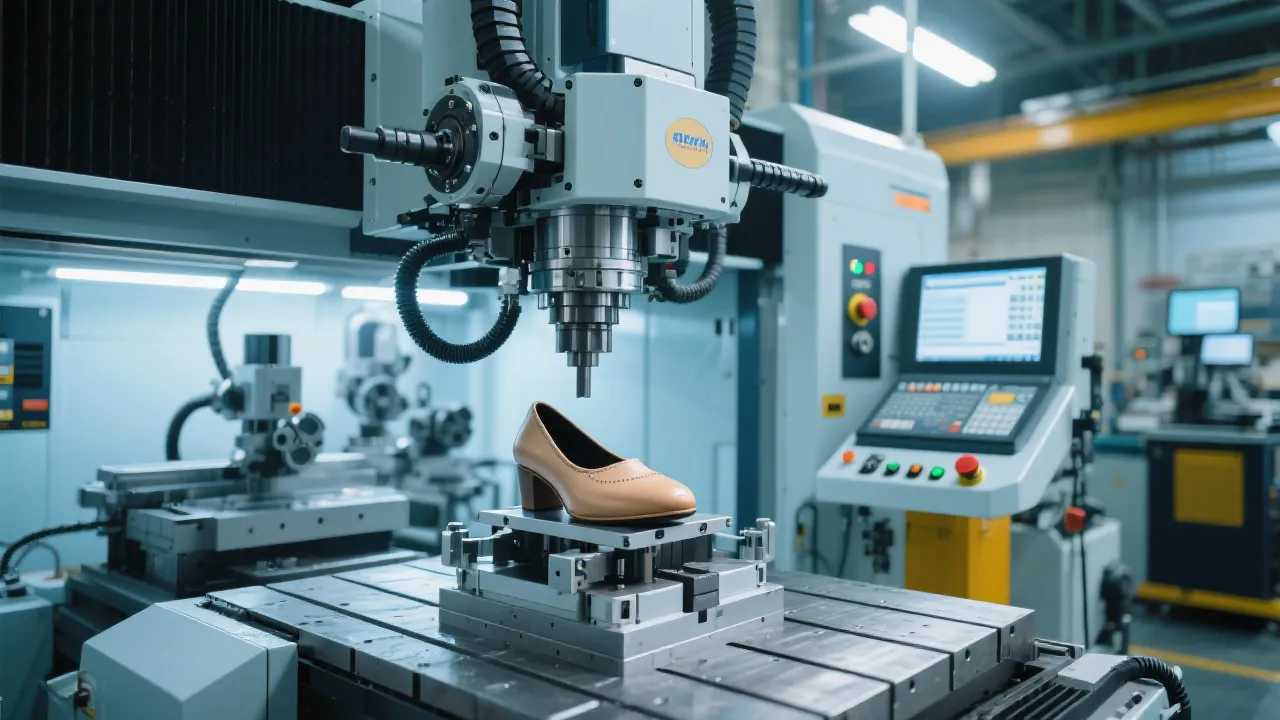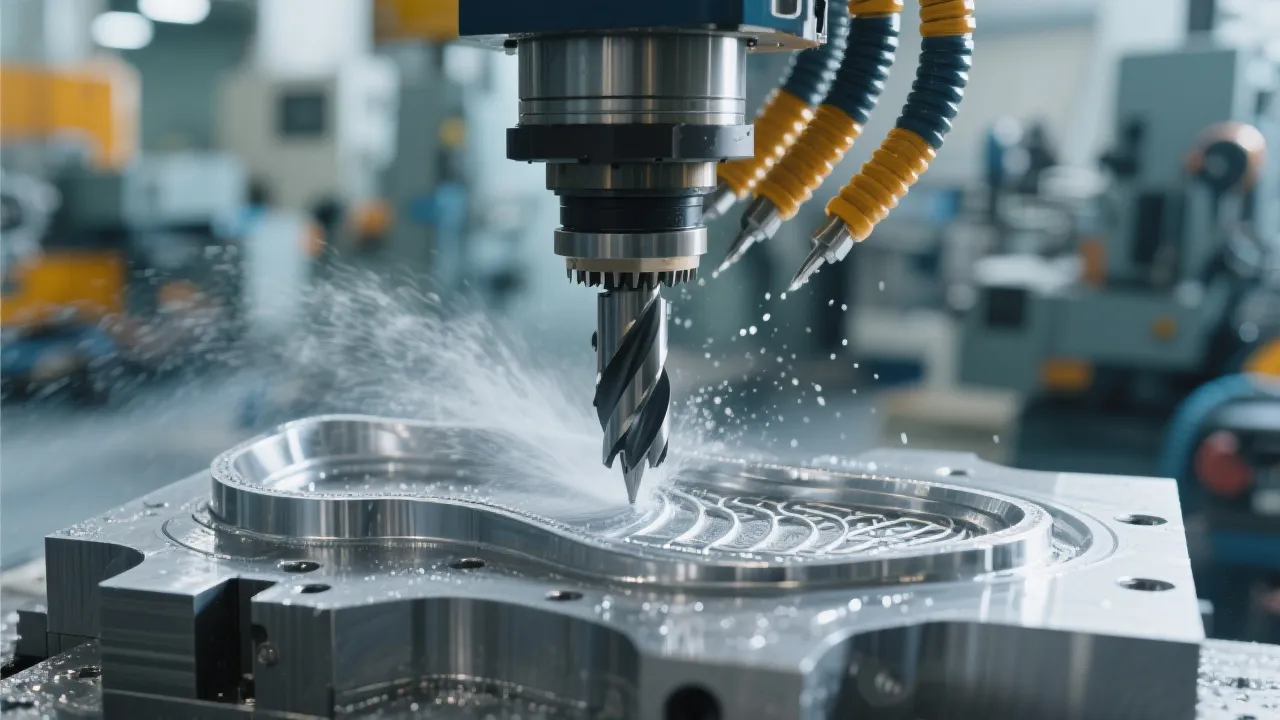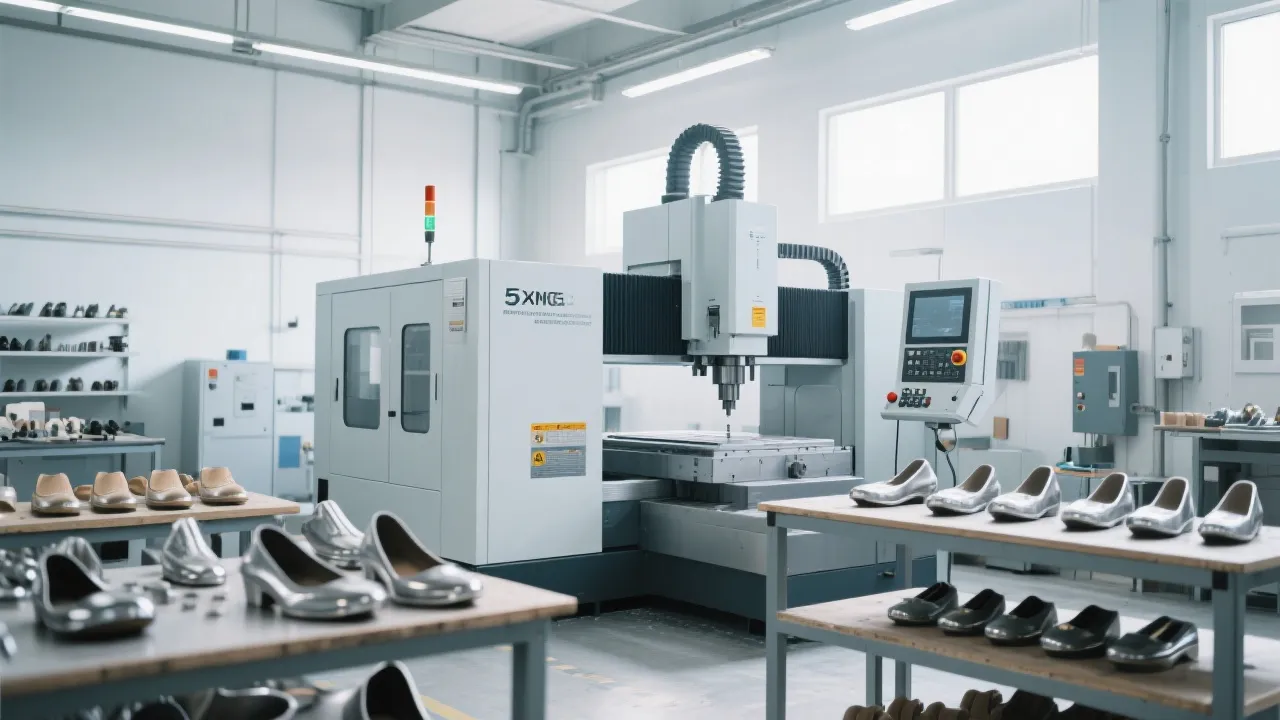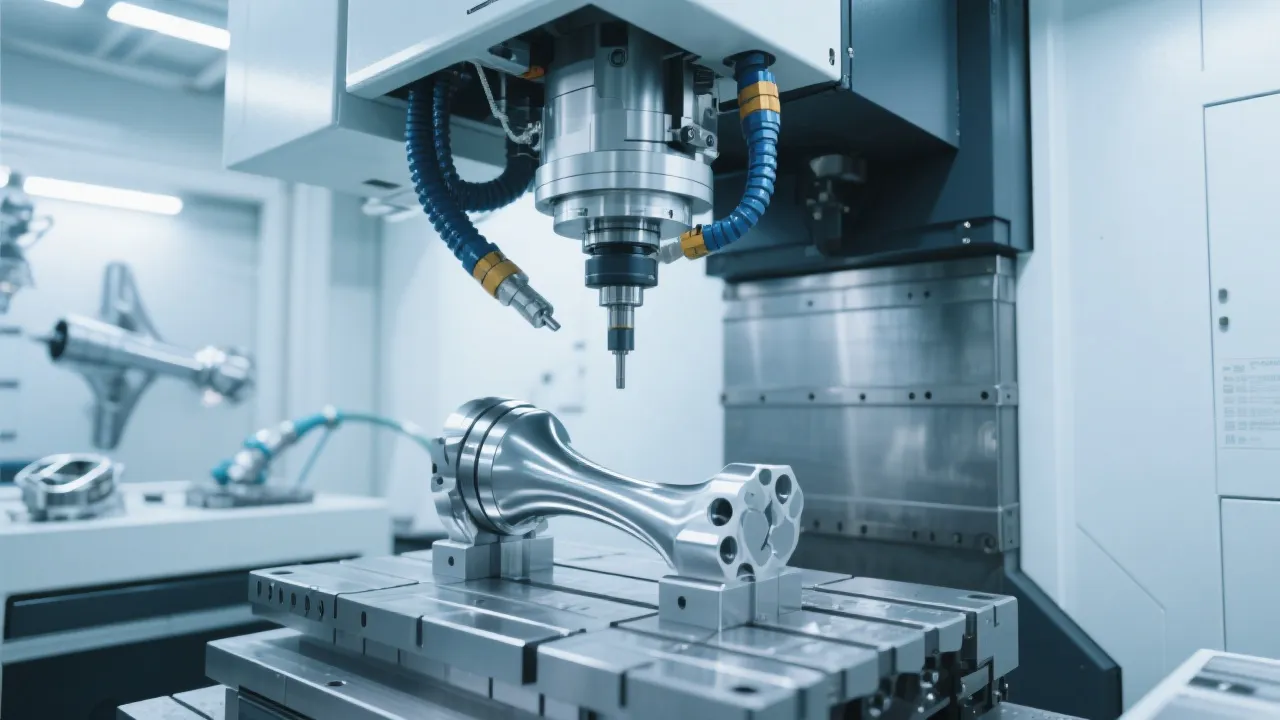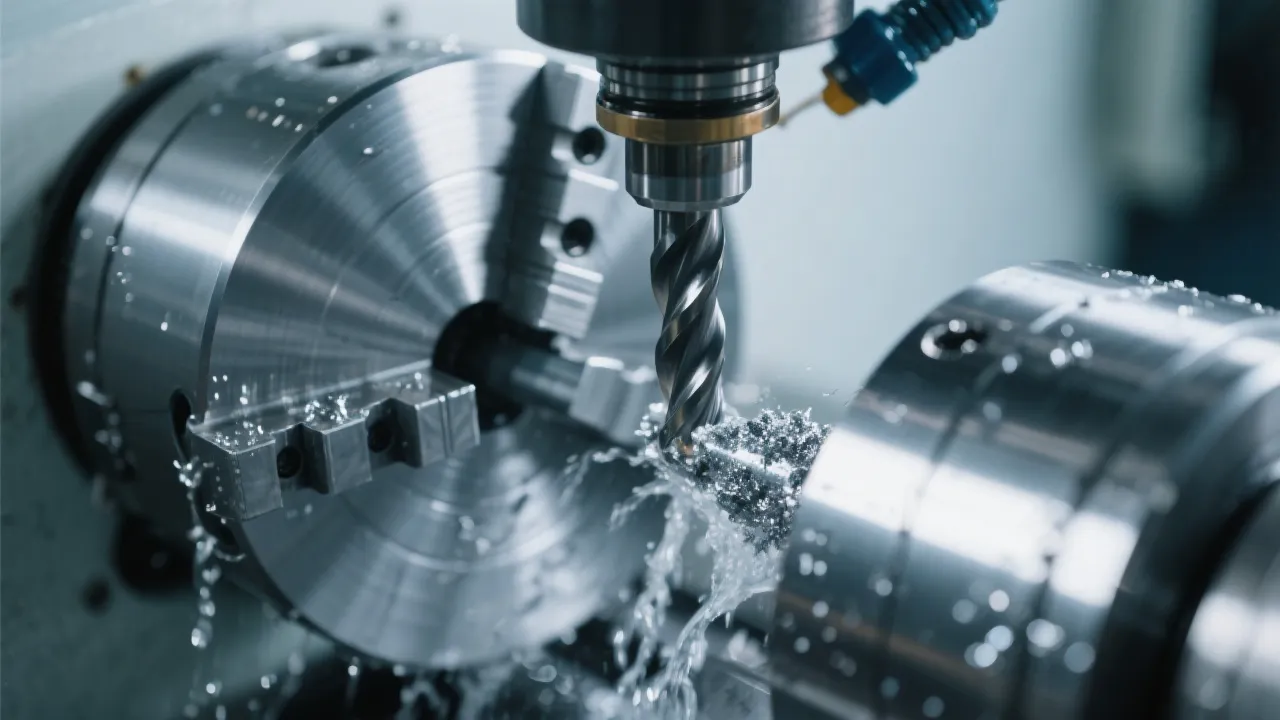
In today’s competitive manufacturing landscape, achieving precision and efficiency in complex part production is no longer optional—it’s essential. For engineers and CNC programmers working with high-end machines like the FH855L RTCP 5-axis vertical machining center from Ningbo Kebow CNC Machinery Co., Ltd., understanding the full workflow of 5-axis联动 (simultaneous) programming can dramatically reduce setup time, minimize errors, and boost first-time success rates.
According to a 2023 industry survey by SME, over 72% of manufacturers using multi-axis systems reported at least a 30% increase in productivity after implementing standardized 5-axis programming protocols. Yet many still struggle with coordinate transformations, toolpath optimization, and interference checks—especially when processing materials like graphite, which requires specialized strategies due to its brittleness and thermal sensitivity.
The key lies in mastering three core phases:
Let’s take two common use cases: turbine blades and mold cavities. In both scenarios, improper tool orientation or incorrect feed rate selection can lead to surface defects or premature tool wear.
| Component Type | Key Challenge | Recommended Strategy |
|---|---|---|
| Turbine Blade | High curvature + thin wall | Use adaptive clearing with small stepovers (0.1–0.2mm), maintain constant angle between cutter and surface |
| Mold Cavity | Complex contours + tight tolerances | Apply helical entry and ramping techniques; simulate every tool change |
For graphite parts—common in EDM electrodes and aerospace components—the recommended approach includes lower spindle speeds (typically 800–1500 RPM), higher feed rates (up to 300 mm/min), and regular chip evacuation checks. These adjustments prevent chipping and extend tool life by up to 40%, according to internal test data from Kebow’s R&D lab.
Even experienced users make mistakes during CAM programming. Here are the top three errors we see repeatedly:
By following structured workflows and leveraging built-in verification tools in software like Mastercam, Fusion 360, or Siemens NX, you’ll significantly reduce trial-and-error cycles—and improve your shop floor uptime.
Explore how the FH855L RTCP 5-axis machining center from Kebow CNC supports smarter, faster, and more reliable complex part production—with real-world case studies, training resources, and expert support.
Download the Full Programming Workflow Checklist