Effective Dust Prevention in Graphite Electrode Machining: Dry Vacuum Machining Center Dust Control Design Explained
17 03,2026
Technical knowledge
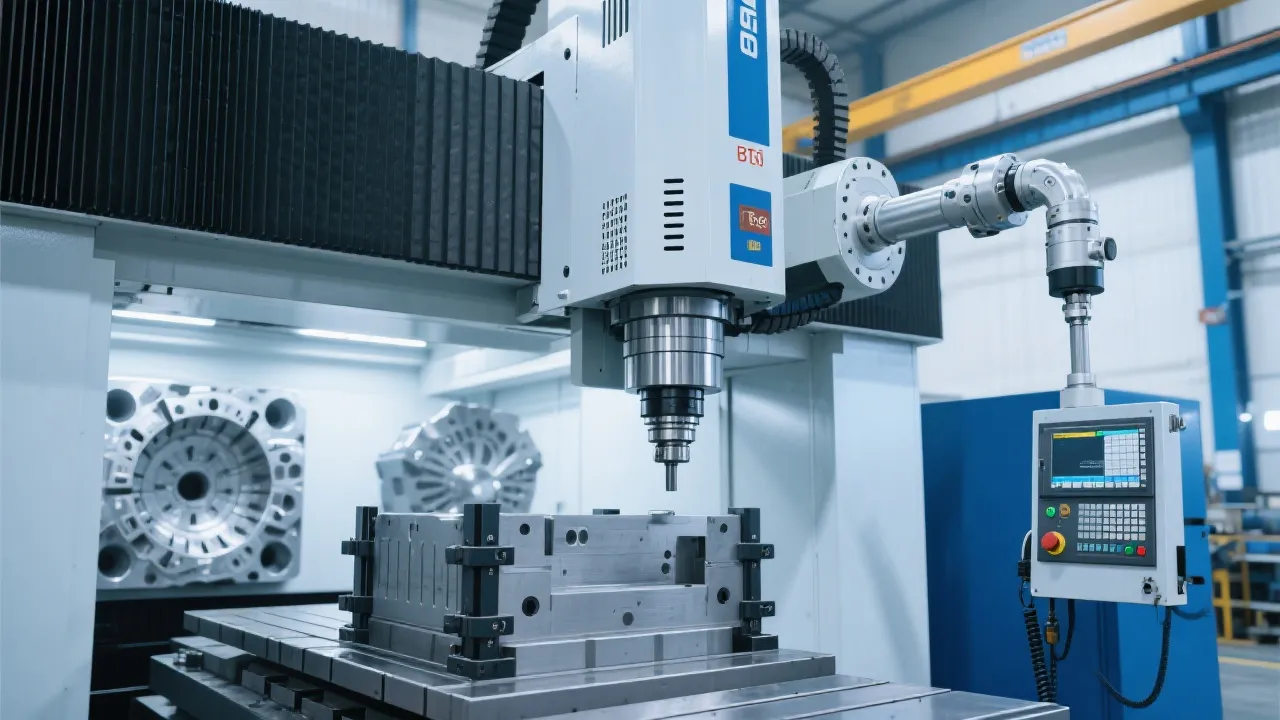
Dust generated during graphite electrode machining severely damages critical machine components and electronic parts, compromising equipment longevity and machining precision. This article delves into the innovative dust control design of the DC6060G Dry Vacuum Graphite Electrode Machining Center by Kaibo CNC. It thoroughly explains the working principles and advantages of its fully enclosed structure and high-efficiency dust extraction system. Demonstrating how comprehensive dust isolation and collection extend equipment lifespan, maintain a clean machining environment, and meet environmental standards, the article offers professional technical insights for graphite electrode manufacturers aiming to enhance product quality and sustainability.

How to Effectively Prevent Dust Erosion in Graphite Electrode Machining? An In-Depth Look at Dry Vacuum Machining Center's Dust-Proof Design
In the realm of graphite electrode machining, dust generation poses significant challenges not just for the machining quality but also for the longevity of equipment. Microscopic graphite dust easily invades critical machine components and electronic parts, accelerating wear, degrading processing accuracy, and increasing maintenance cost. Against this backdrop, the DC6060G Dry Vacuum Machining Center, developed by Kaibo CNC, offers a transformative solution with its advanced dust-proof design. This article unpacks the engineering principles behind its fully enclosed structure and high-efficiency dust collection system, revealing how such innovations extend machine life, maintain high precision, and ensure cleaner operations that meet stringent industrial environmental standards.
The Critical Hazards of Graphite Dust to Machining Equipment
During graphite electrode manufacturing, dust particles produced can range between 0.5 to 10 micrometers in diameter, capable of penetrating even well-sealed components. This infiltration causes:
- Accelerated wear: Abrasive graphite dust embeds into spindle bearings and guideways, increasing friction and mechanical failure rates by up to 25% over standard operations.
- Electronic malfunction: Dust accumulation short-circuits sensitive sensors and control boards, raising downtime frequency by approximately 18% annually.
- Reduced machining accuracy: Contaminants interfere with position feedback mechanisms, causing dimensional deviations beyond ±0.01 mm tolerance, unacceptable in precision electrode fabrication.
- Work environment contamination: Excessive airborne dust poses health risks and complicates compliance with environmental protection protocols.
DC6060G's Full Enclosure and Vacuum Dust Collection Mechanism
To counter these risks, Kaibo CNC's DC6060G integrates a fully sealed machining chamber ensuring zero leakage of dust particles into internal mechanical and electronic sections. Key features include:
- Full enclosed structure: Utilizing precision-engineered seals and reinforced transparent shields, the machining area is completely isolated from the external environment, mitigating dust migration.
- High-efficiency vacuum dust absorption: Multiple strategically positioned suction inlets generate continuous negative pressure, efficiently capturing graphite dust at source with a collection efficiency exceeding 95%.
- Advanced filtration system: The collected dust is separated through multi-stage filters — including HEPA filters removing particles smaller than 0.3 microns — ensuring exhaust air meets industrial emissions standards.
The synergy of enclosure and vacuum mechanism not only prevents internal part erosion but also promotes a consistently clean operating environment optimal for high-precision machining.

Multi-Dimensional Value of Dust-Proof Design for Graphite Machining
Implementing a dry vacuum dust protection strategy like DC6060G delivers tangible benefits across operational, quality, and compliance dimensions:
- Extended equipment lifespan: Reduced abrasive damage decreases unscheduled downtime by up to 30% and prolongs spindle and guideway service life by an estimated 2-3 years.
- Improved machining precision: Stable sensor environments and reduced contamination maintain dimensional accuracy within ±0.005 mm, critical for high-end graphite electrodes.
- Cleaner and compliant workshop conditions: Dust emissions are lowered to below 5 mg/m³, surpassing many regional environmental regulations such as the EPA and EU industrial standards.
- Operational cost savings: Lowered maintenance frequencies and cleaner workplaces reduce indirect costs associated with health and safety and improve overall productivity.
Best Practices for Maintenance and Future Development Trends
While DC6060G sets a high bar for dust-proof machinery, consistent maintenance ensures optimal performance:
- Routine inspection and replacement of sealing gaskets prevent seal fatigue, maintaining airtight integrity.
- Scheduled filter cleaning or replacement optimizes suction efficiency and prolongs filtration system life.
- Integration of IoT sensors for real-time dust concentration monitoring enhances preventive maintenance scheduling.
Looking ahead, the convergence of intelligent manufacturing with dust-proof technology will incorporate AI-driven adaptive dust collection, advanced self-cleaning filters, and energy-saving vacuum systems. These advances align with global sustainability trends, reducing environmental impact and operational costs.