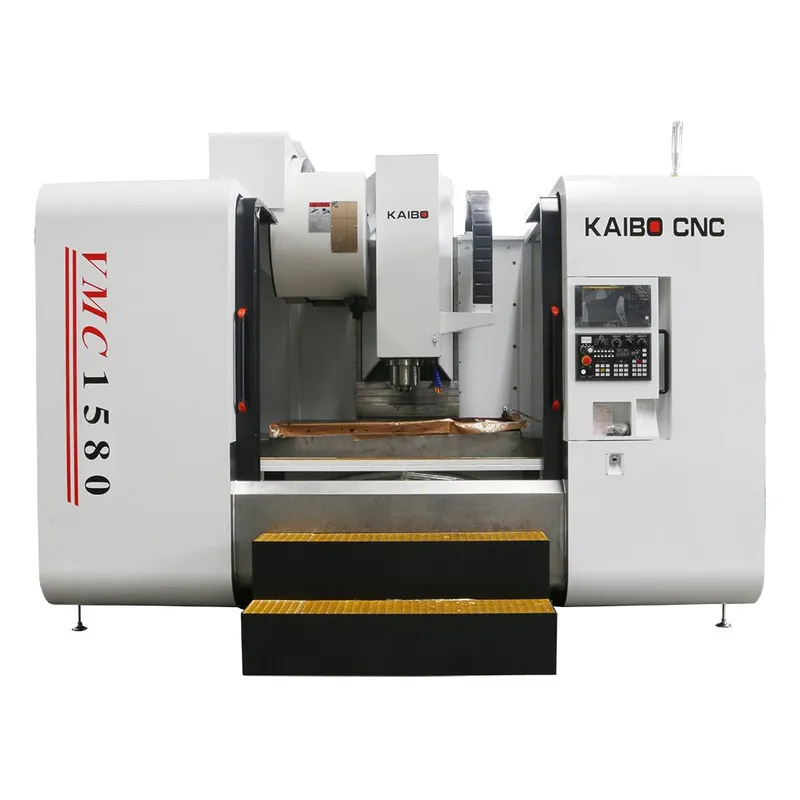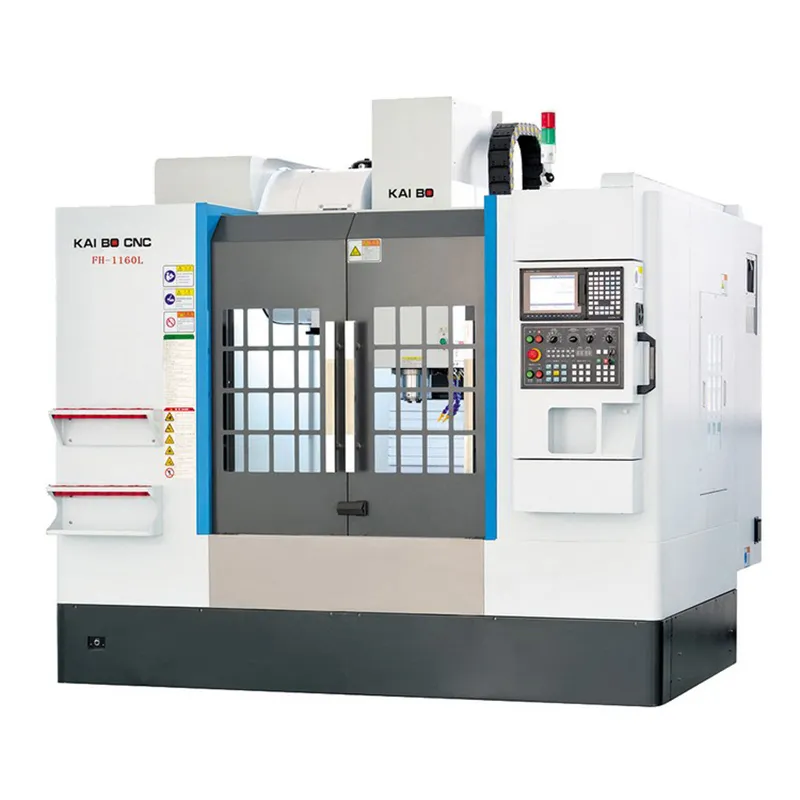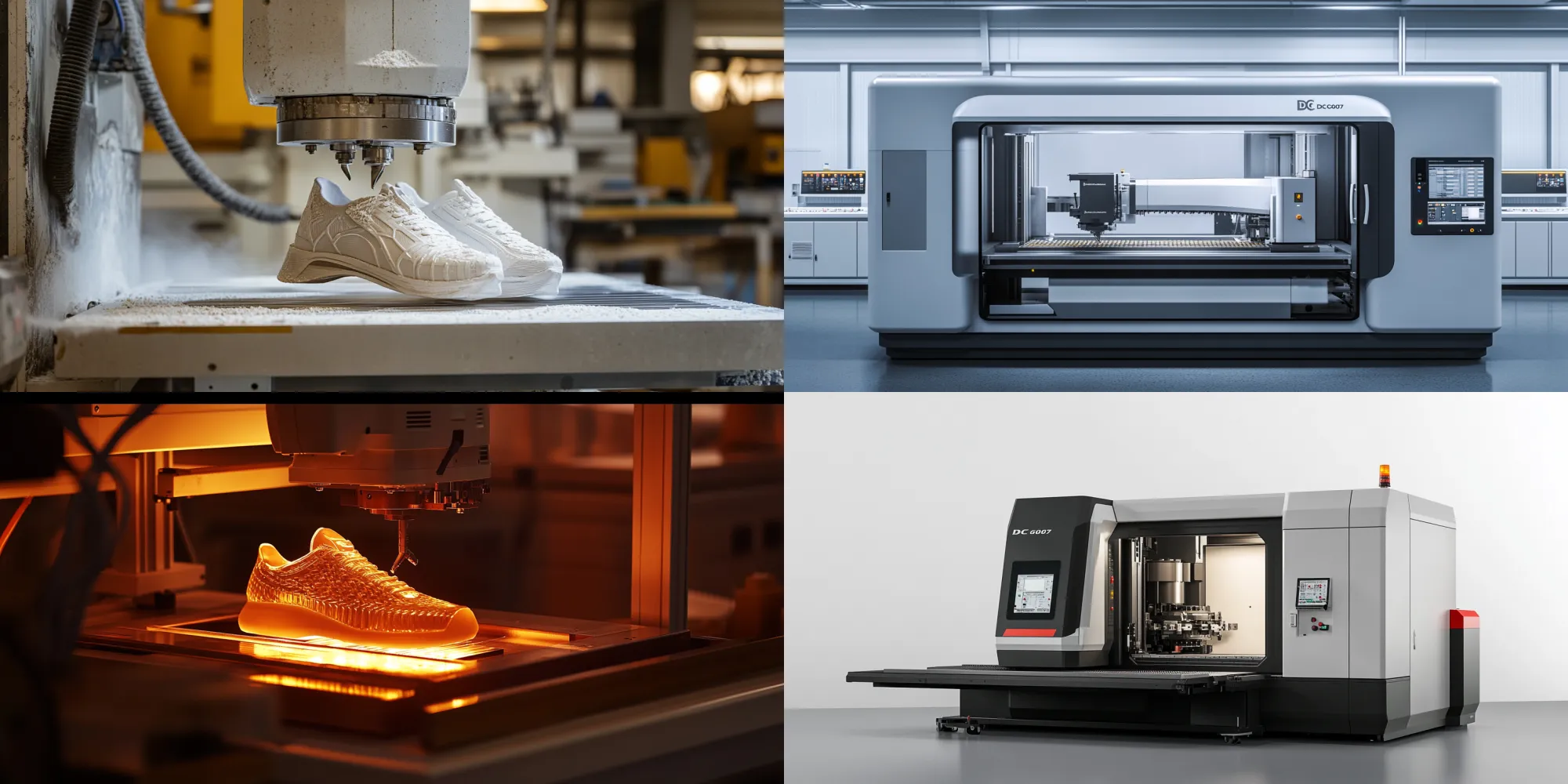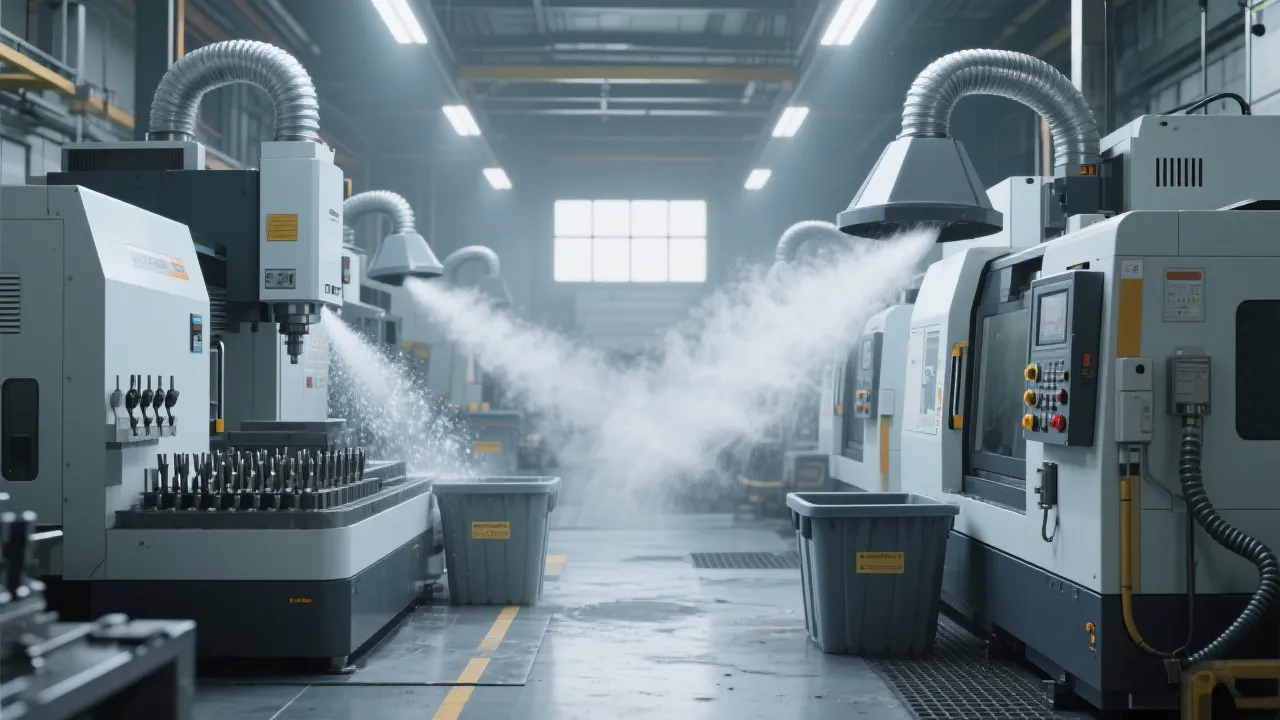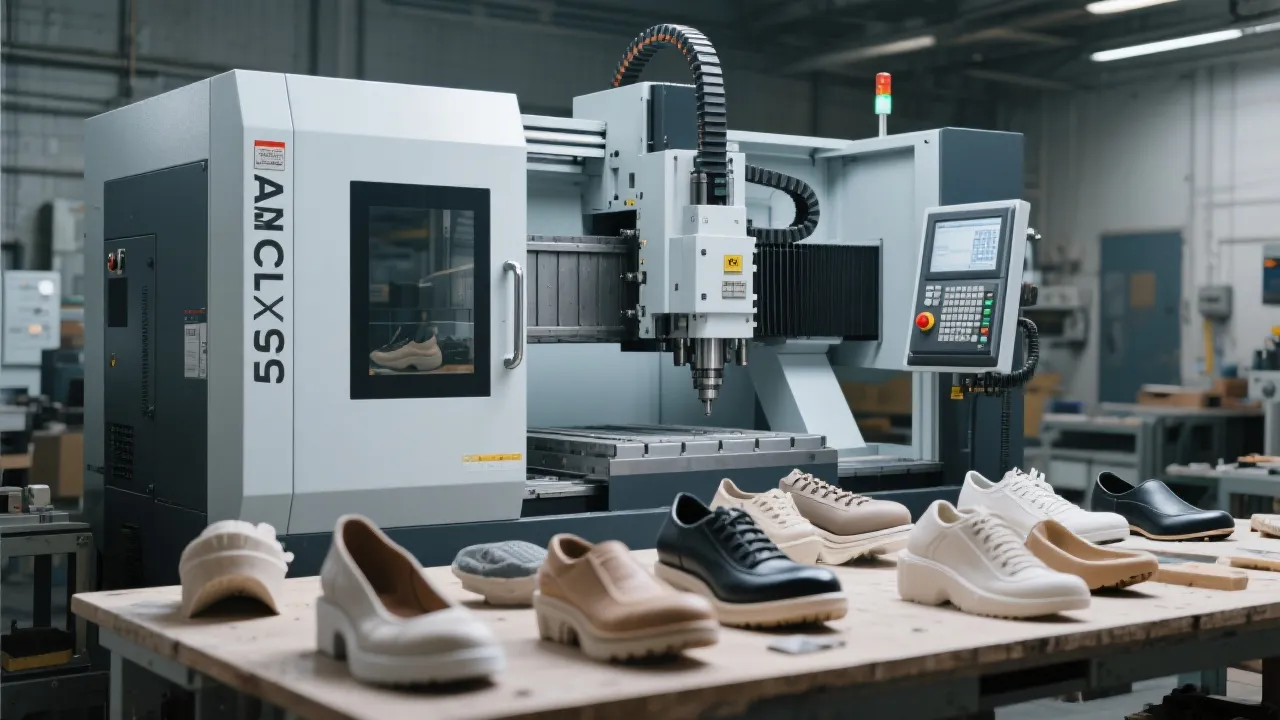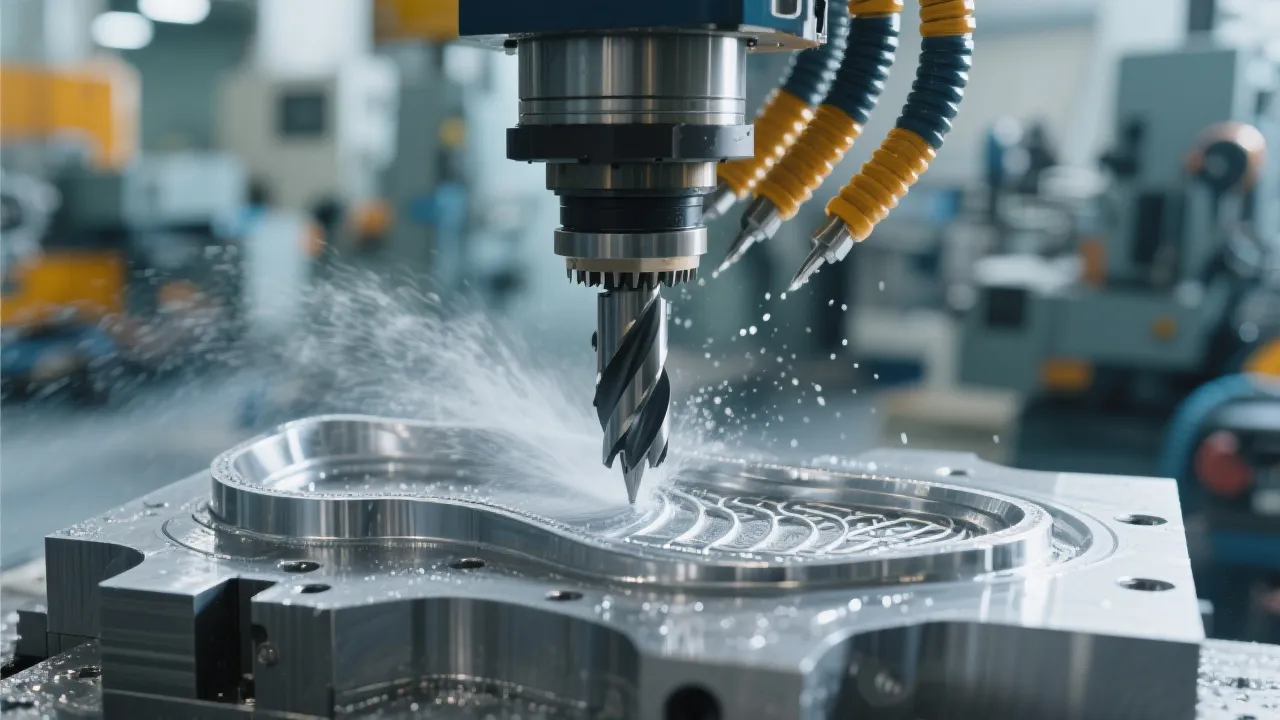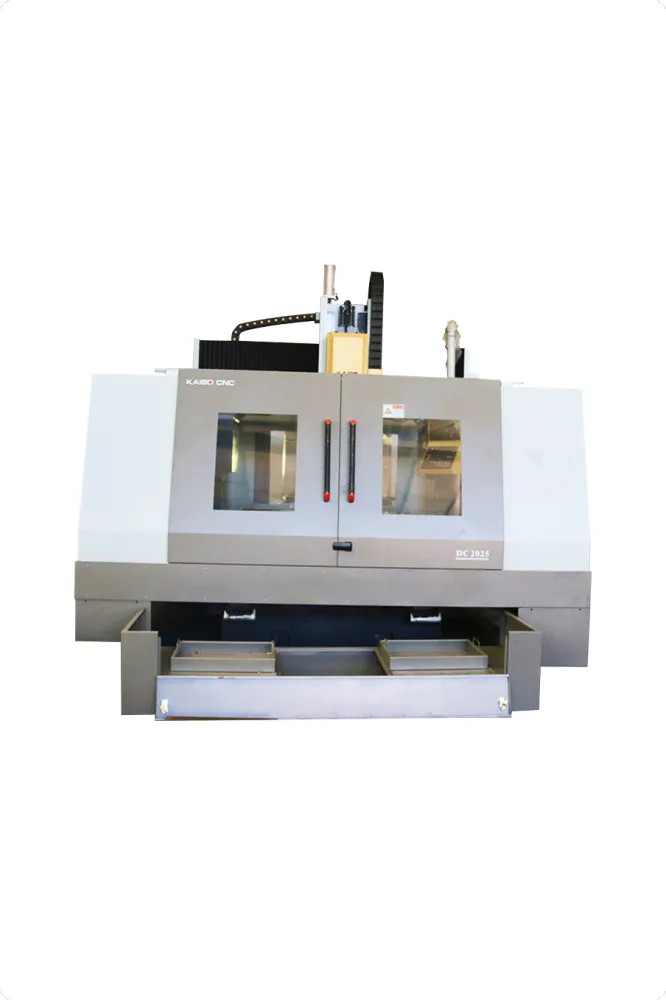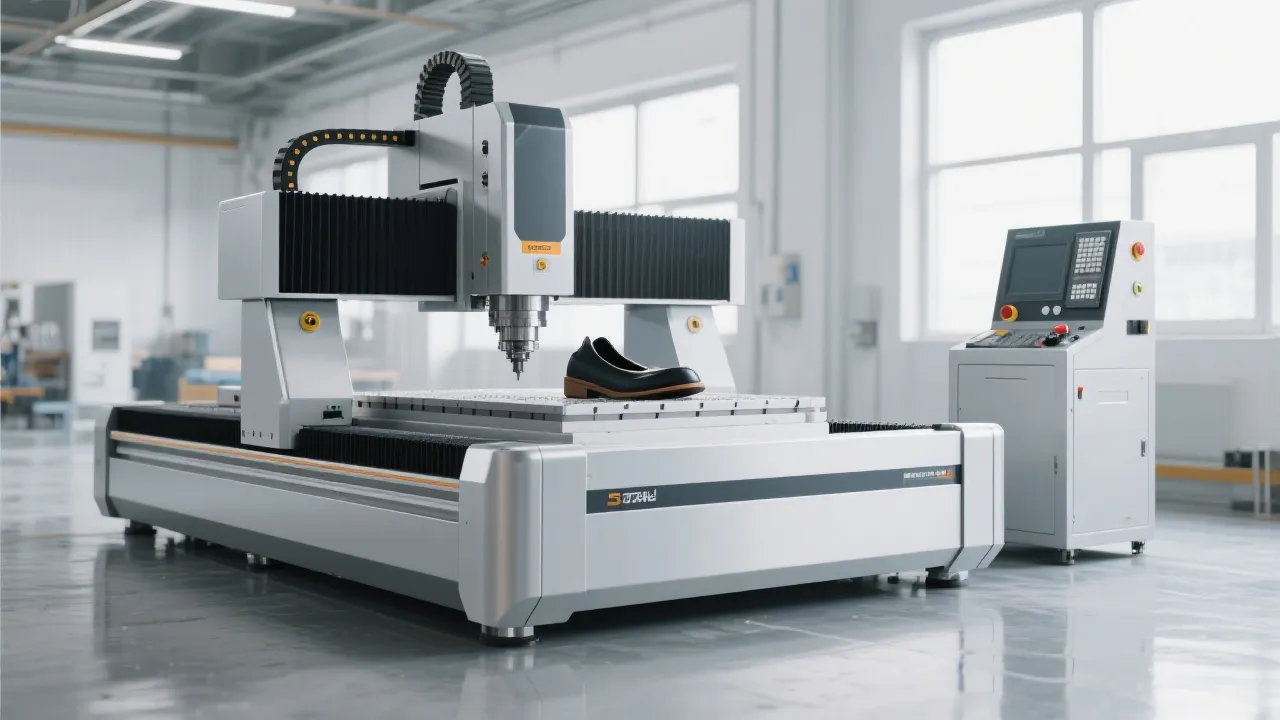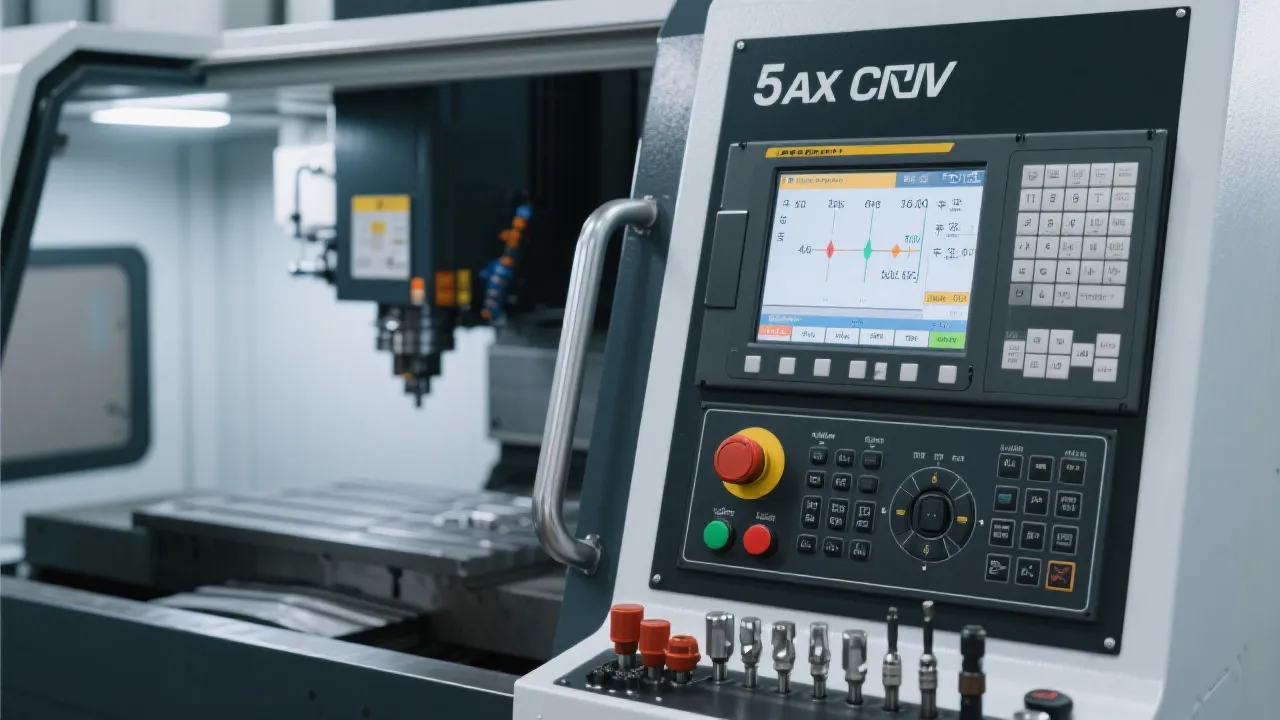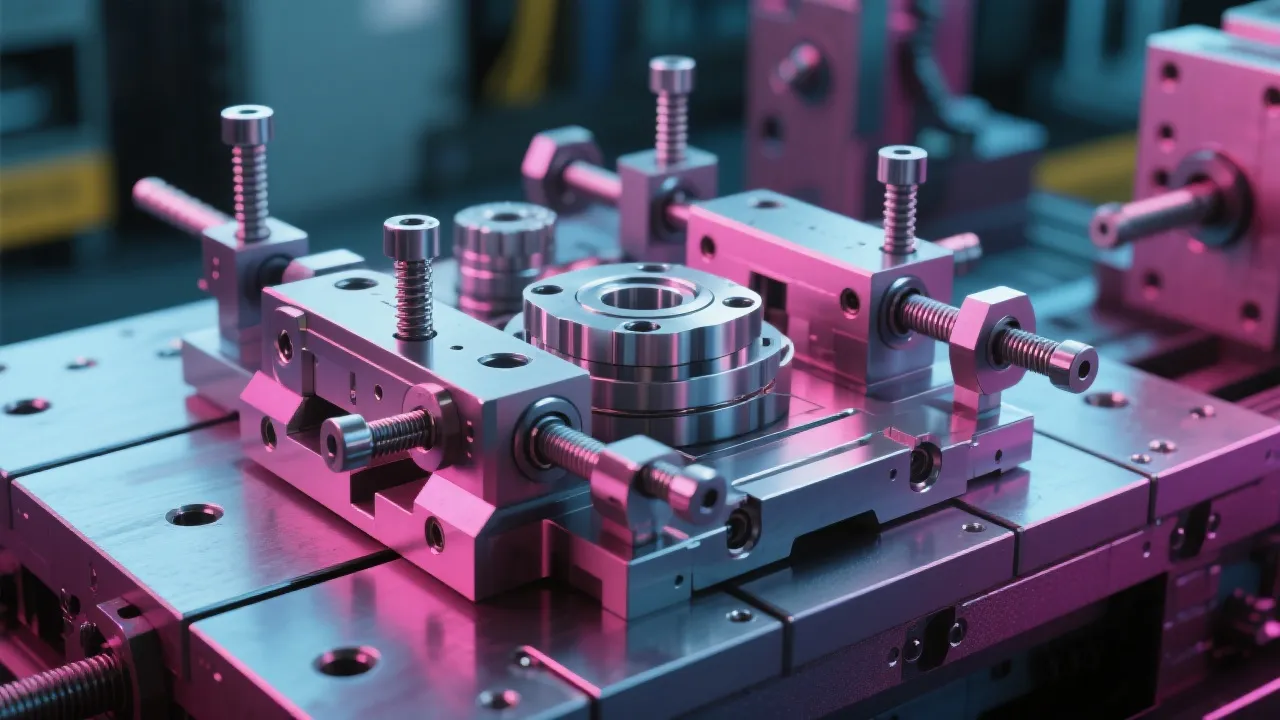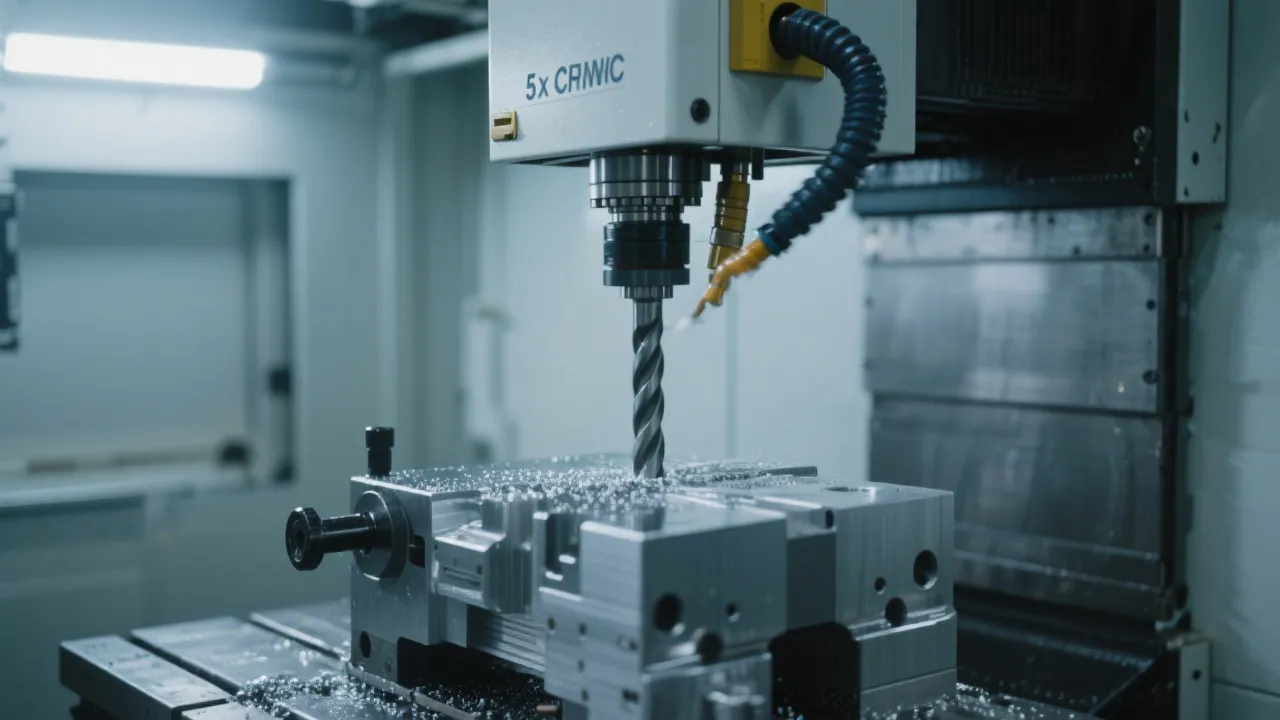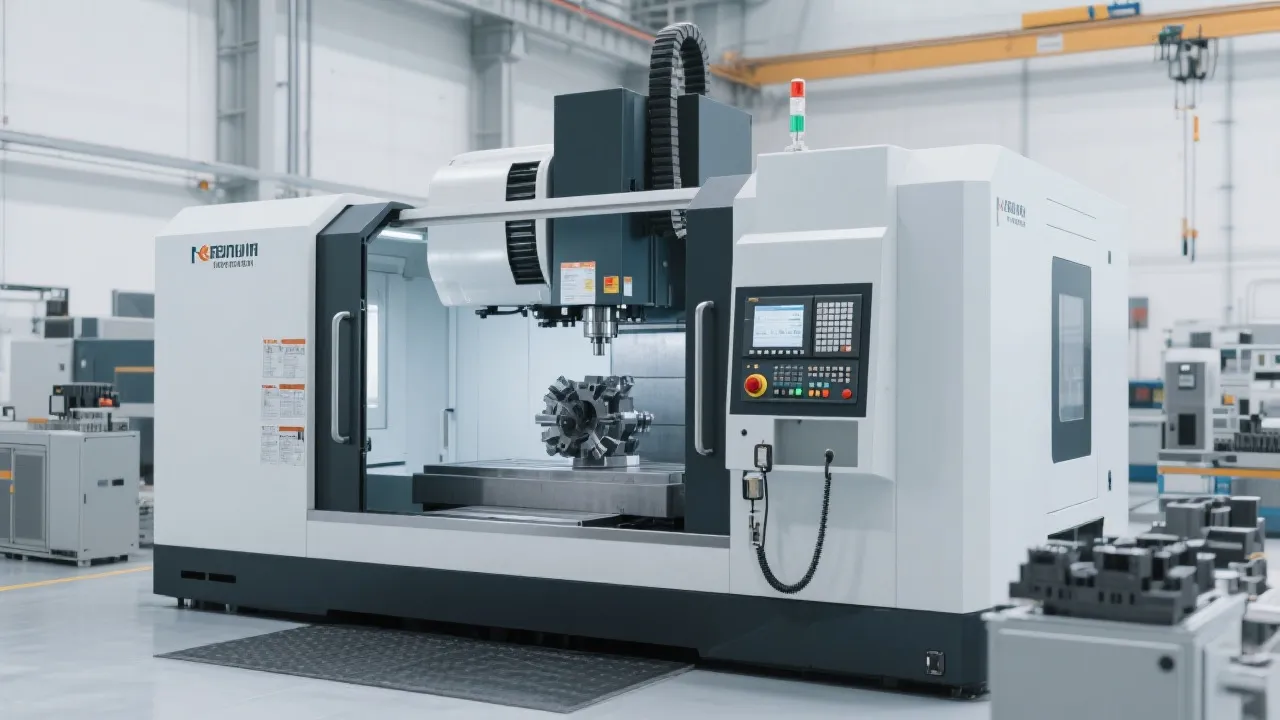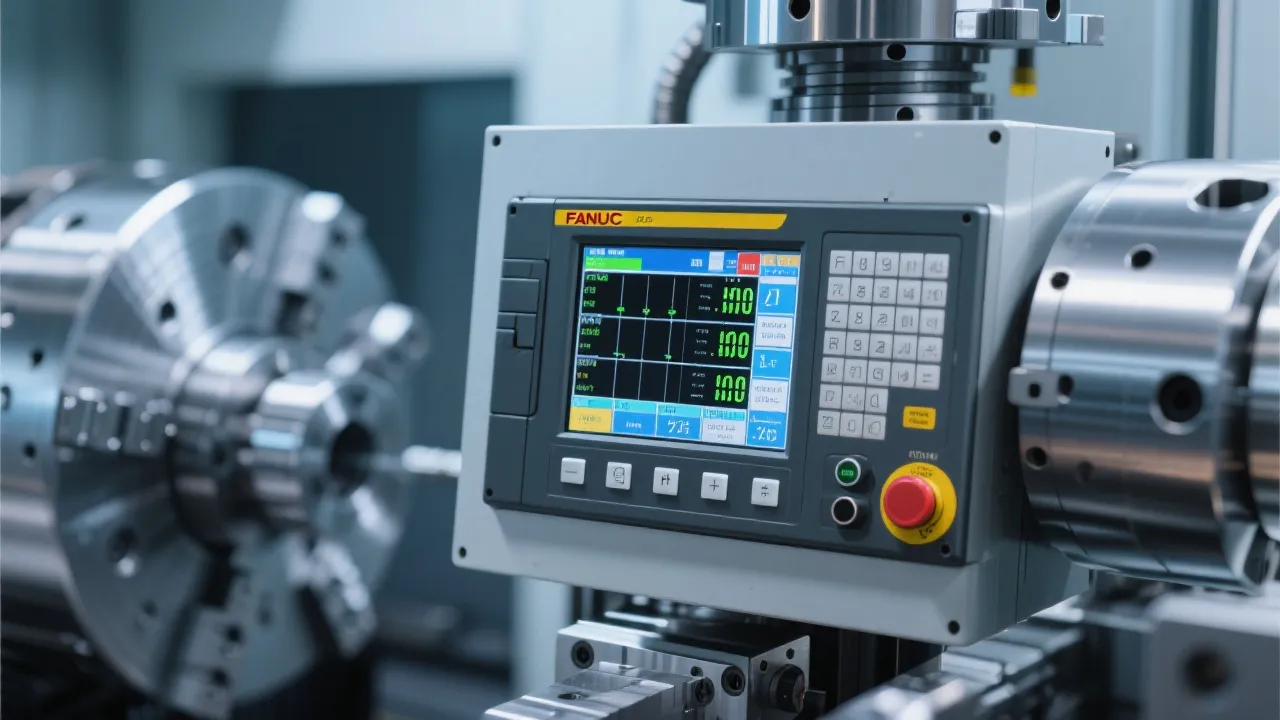
In the highly competitive manufacturing industry, the ability to efficiently and accurately process complex parts such as impellers and mold cavities is crucial. This article focuses on the five - axis linkage programming skills based on the FH855L RTCP five - axis vertical machining center of Ningbo Kaibo CNC Machinery Co., Ltd., aiming to help industry practitioners overcome programming challenges in complex impeller and mold cavity machining.
Five - axis linkage programming involves a series of core technologies, including coordinate system conversion, tool path planning, interference detection, and simulation verification. Coordinate system conversion is the foundation, which allows the machining center to accurately position the workpiece in different spatial orientations. For example, in the processing of complex impellers, accurate coordinate system conversion can ensure that the cutting tool can reach every part of the impeller surface precisely. Tool path planning determines the movement trajectory of the cutting tool, directly affecting the machining efficiency and quality. Through scientific tool path planning, the number of tool changes can be reduced, and the machining time can be shortened by about 30%.
Non - metallic materials, especially graphite, have unique cutting characteristics. Graphite has high hardness and brittleness, which requires special programming strategies during machining. For instance, the cutting speed and feed rate need to be adjusted according to the properties of graphite. Generally, a lower cutting speed and a higher feed rate can be adopted to reduce the risk of graphite cracking. By adjusting the programming parameters, the surface roughness of graphite parts can be reduced by about 20%, improving the overall quality of the parts.
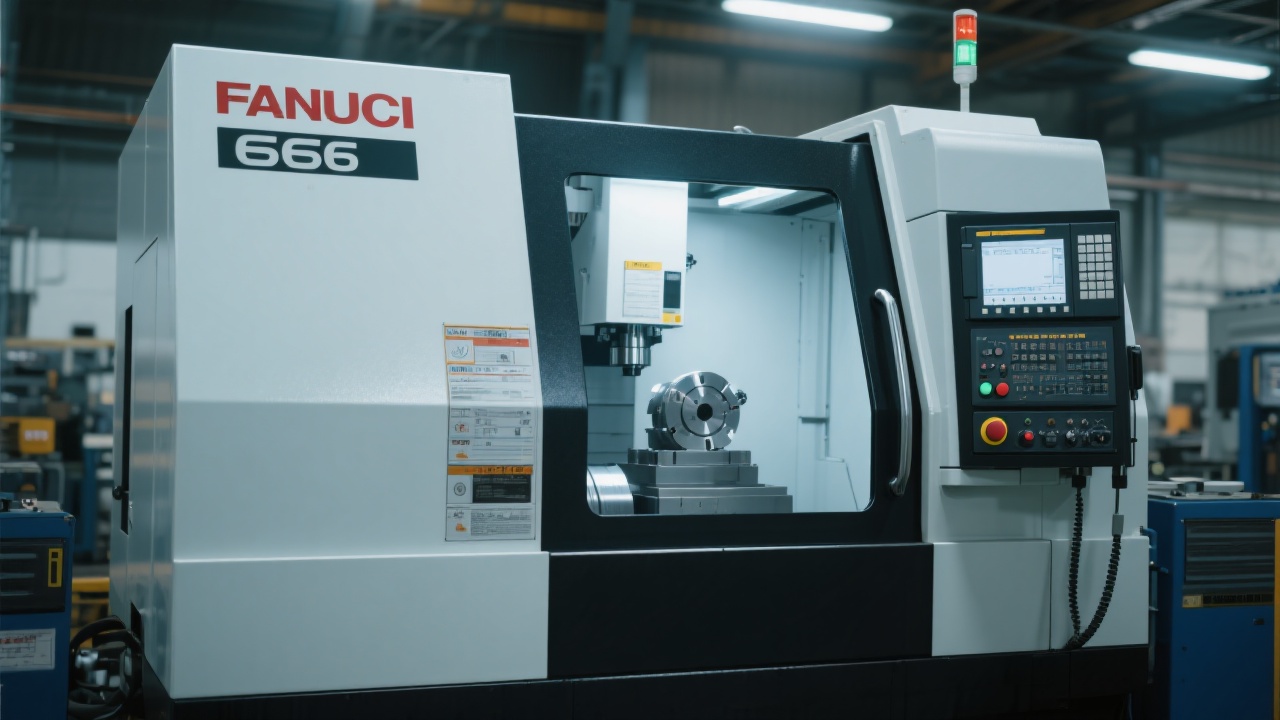
This article selects typical cases of complex impeller and mold cavity machining to demonstrate the actual process and key technical points. In the impeller machining case, the whole process from blanking to final finishing is presented in detail. Through reasonable tool path planning and simulation optimization, the machining accuracy of the impeller can reach ± 0.01mm, meeting the high - precision requirements of the industry. In the mold cavity machining case, the programming strategies for different cavity shapes are analyzed, and how to avoid interference during machining is emphasized.
Mainstream CAM software is an important tool for five - axis linkage programming. This article details the operation skills in these software, such as how to quickly generate tool paths, how to set up machining parameters, and so on. At the same time, common errors in software operation are also analyzed, and corresponding avoidance methods are provided. For example, incorrect coordinate system settings in the software can lead to machining errors. By following the correct operation steps, the probability of such errors can be reduced by about 40%.
Building a standardized five - axis programming process can significantly improve the trial - production efficiency and machining success rate. This article shares practical methods for process construction, including how to establish a standard programming template, how to conduct process review, and so on. Through the implementation of standardized processes, the trial - production time can be shortened by about 40%, and the first - time molding success rate can be increased to over 90%.
In conclusion, the FH855L five - axis machining center of Ningbo Kaibo CNC Machinery Co., Ltd., combined with the five - axis linkage programming skills introduced in this article, can effectively solve the programming and machining problems in complex impeller and mold cavity machining. If you want to improve your machining efficiency and quality, click here to learn more about the FH855L five - axis machining center.