CNC Router Selection Guide: Evaluating Materials and Precision for Optimal Procurement
17 07,2026
Ningbo Kaibo CNC Machinery Co., Ltd.
Industry Guide
Explore Ningbo Kaibo CNC Machinery's expert guide to selecting CNC routers, covering material types, precision requirements, spindle configuration, and application scenarios to assist overseas clients in informed procurement decisions.
Understanding CNC Router Selection
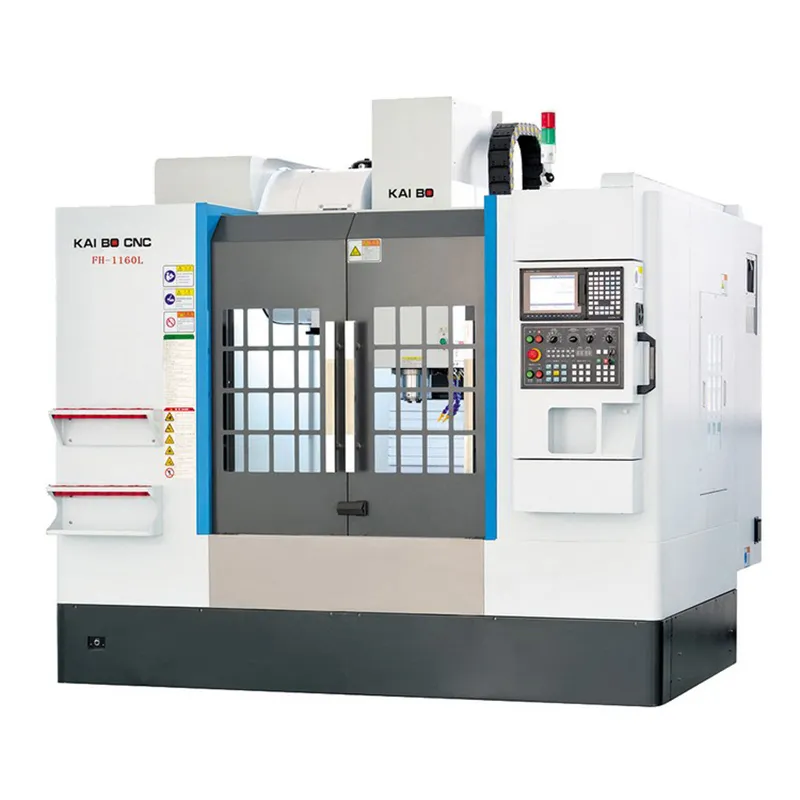
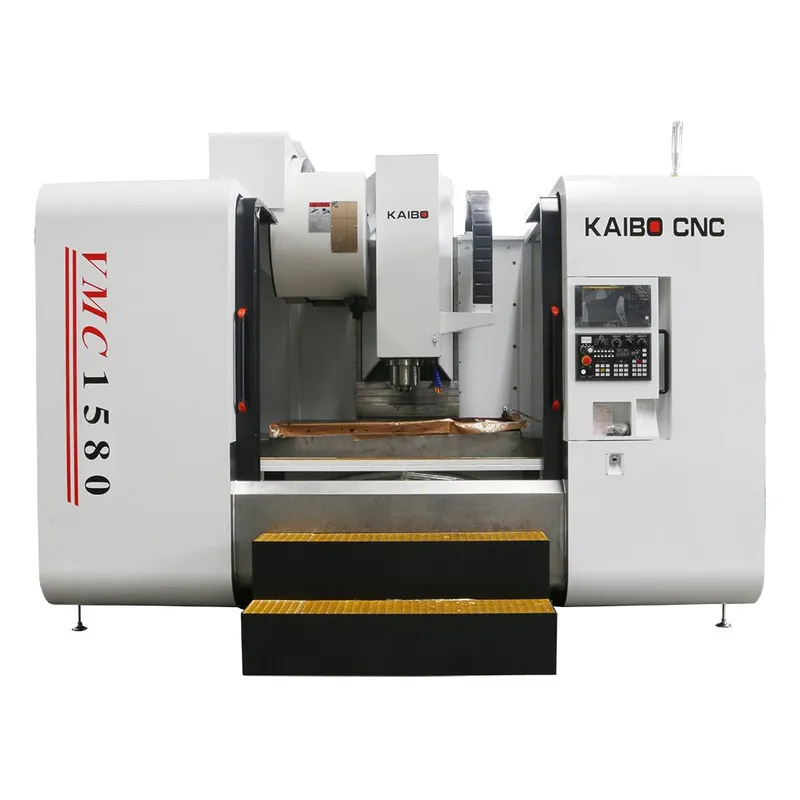
Selecting the right CNC router requires a thorough evaluation of several critical factors, including material types to be processed, precision requirements, and the configuration of spindle systems. Ningbo Kaibo CNC Machinery Co., Ltd. offers this expert guide to assist overseas technical buyers in making well-informed procurement decisions that align with their machining needs.
Material Type Assessment
Different materials impose unique demands on CNC routers. Understanding the mechanical properties and machining characteristics of workpieces ensures optimal tool selection:
- Wood and MDF: Suitable for routers with medium spindle power and standard tooling; precision needs vary depending on product complexity.
- Aluminum and Non-Ferrous Metals: Require high spindle speeds and rigid machine structures to reduce vibration and improve surface finish.
- Steel and Hard Materials: Demand routers with powerful motors, advanced cooling systems, and corrosion-resistant components.
- Composite Materials: Necessitate flexible spindle configurations and dust extraction capabilities.
Precision Requirements and Impact on Selection
Precision is a cornerstone for achieving high-quality finished products. When evaluating CNC routers, consider:
- Axis Accuracy: The inherent accuracy of 3-, 4-, or 5-axis machines directly affects dimensional tolerance.
- Repeatability: Essential for mass production environments to maintain consistent quality across batches.
- Thermal Stability: Machines with temperature compensation features minimize deviations during long machining cycles.
- Control System: Advanced controllers integrated with Kaibo's routers enhance precision through real-time adjustments.
Spindle Configuration and Work Range Considerations
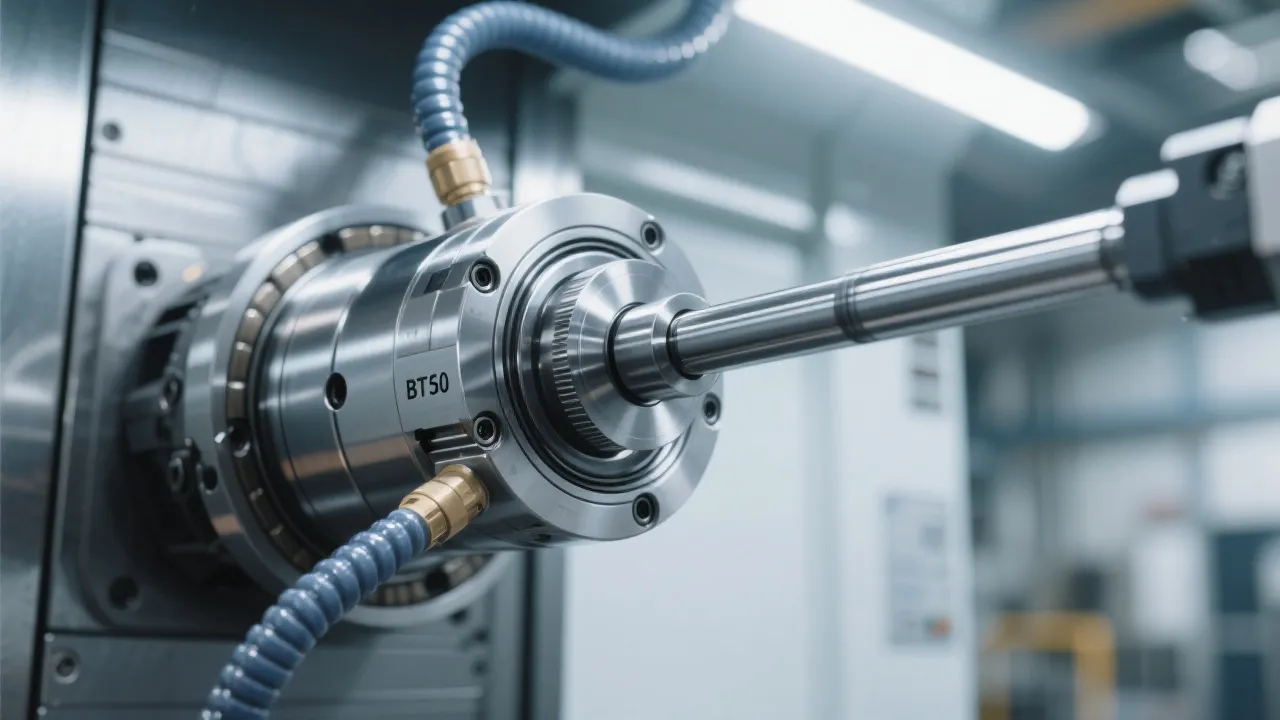
The spindle system is fundamental to CNC router performance. Key factors to evaluate include:
- Number of Axes: 3-axis routers are efficient for simple shapes, while 4- and 5-axis systems enable complex geometries and undercuts.
- Spindle Power and Speed: Tailored to material hardness and machining depth to maximize cutting efficiency.
- Tool Change Capability: Automatic tool changers improve productivity by reducing downtime in multifaceted machining.
- Work Envelope Size: Matching the work area to the size of typical parts optimizes floor space and throughput.
Applying the Guide: Making Confident Procurement Choices
Ningbo Kaibo CNC Machinery leverages decades of experience and stringent national standards to develop routers that fulfill diverse industrial demands. Overseas buyers can benefit from:
- Customized Solutions: Tailored machine configurations optimized for specific materials and precision needs.
- Reliable Performance: Robust designs ensuring minimal downtime and extended machine longevity.
- Technical Support: Access to extensive service networks and professional guidance throughout the procurement process.
- Competitive Export Experience: Proven track record in markets including the Arab region, Russia, Spain, and Portugal.
By systematically assessing material characteristics and precision targets alongside spindle configurations and work range, technical buyers can ensure selection of optimal CNC routers that align with operational goals and production scales.