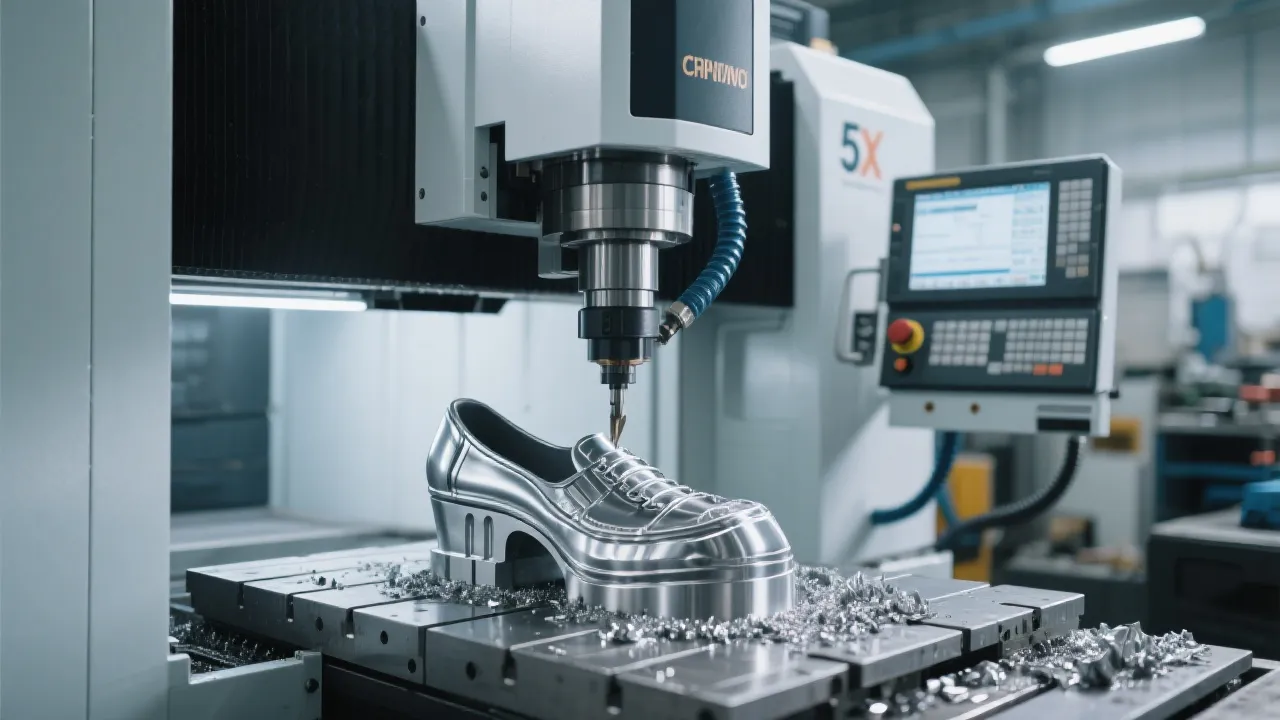
In the manufacturing industry, the rough milling of large and heavy workpieces, such as those made of graphite and aluminum alloy, is of great significance. The demand for high - precision and high - efficiency processing of these large - scale parts is constantly increasing. As the core of manufacturing, rough milling processes directly affect the quality and productivity of the final products.
Cutting parameter optimization is a key factor in improving machining efficiency and accuracy. By adjusting parameters like cutting speed, feed rate, and depth of cut, manufacturers can achieve a better balance between efficiency and quality. For example, in the rough milling of graphite workpieces, a cutting speed of around 800 - 1200 m/min and a feed rate of 0.1 - 0.3 mm/tooth can significantly improve the machining efficiency while maintaining a relatively high level of precision. In aluminum alloy machining, a higher cutting speed (about 1500 - 2000 m/min) and a proper feed rate can reduce processing time and minimize tool wear.
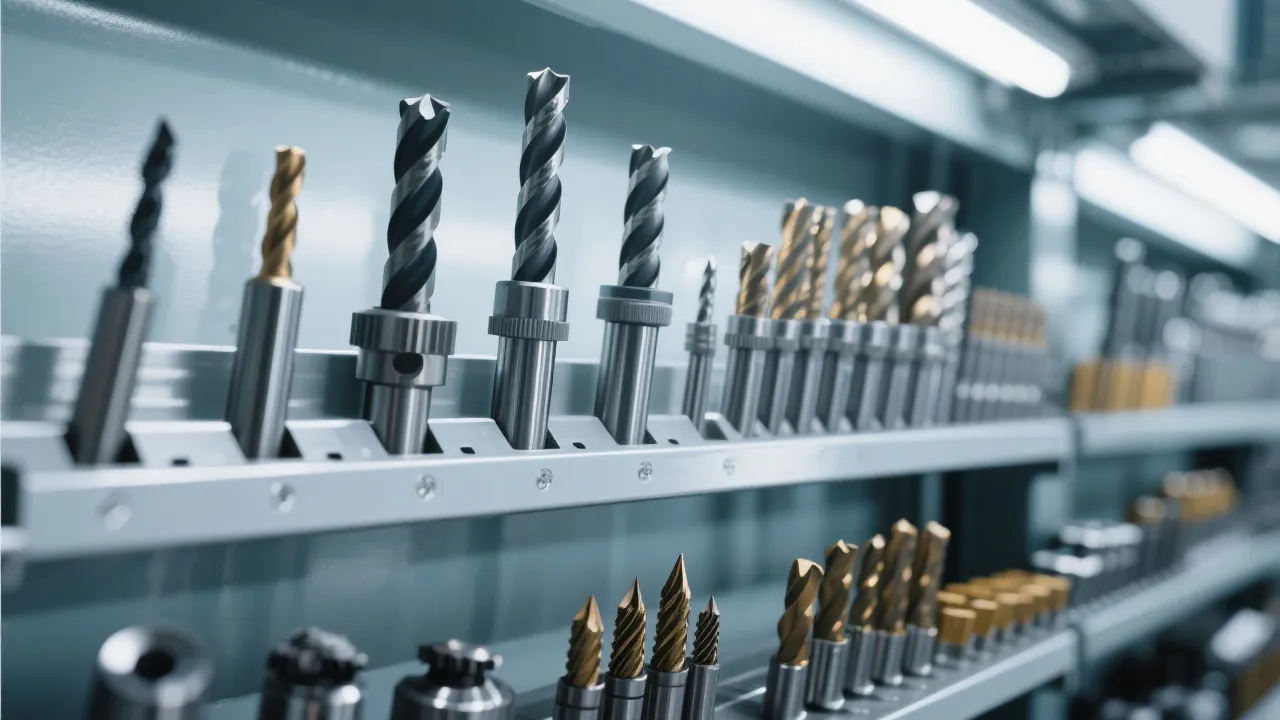
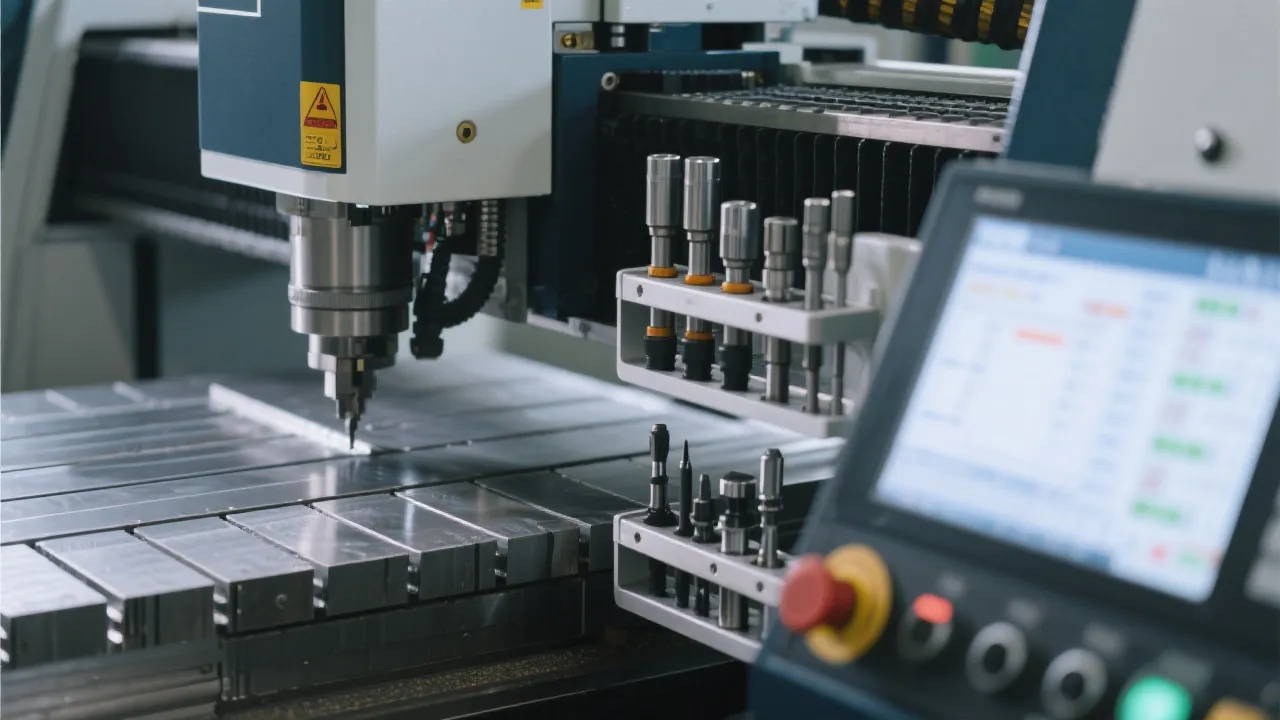
Selecting the right tool is crucial for large - scale workpiece machining. Different materials require specific types of tools. For graphite, tools with high - hardness coatings are preferred to resist wear. In the case of aluminum alloy, carbide tools with sharp cutting edges can ensure smooth cutting. Moreover, regular tool maintenance, such as sharpening and coating replacement, can extend tool life and guarantee consistent processing quality. It is recommended to conduct tool inspections every 8 - 10 hours of continuous use to detect potential issues early.
A well - planned processing path can enhance the rationality of the machining program and production efficiency. Sophisticated software can be used to simulate the machining process, taking into account factors such as the shape of the workpiece, tool movement, and material removal rate. By optimizing the path, the processing time can be reduced by up to 20%, and the generation of unnecessary machining waste can be minimized.
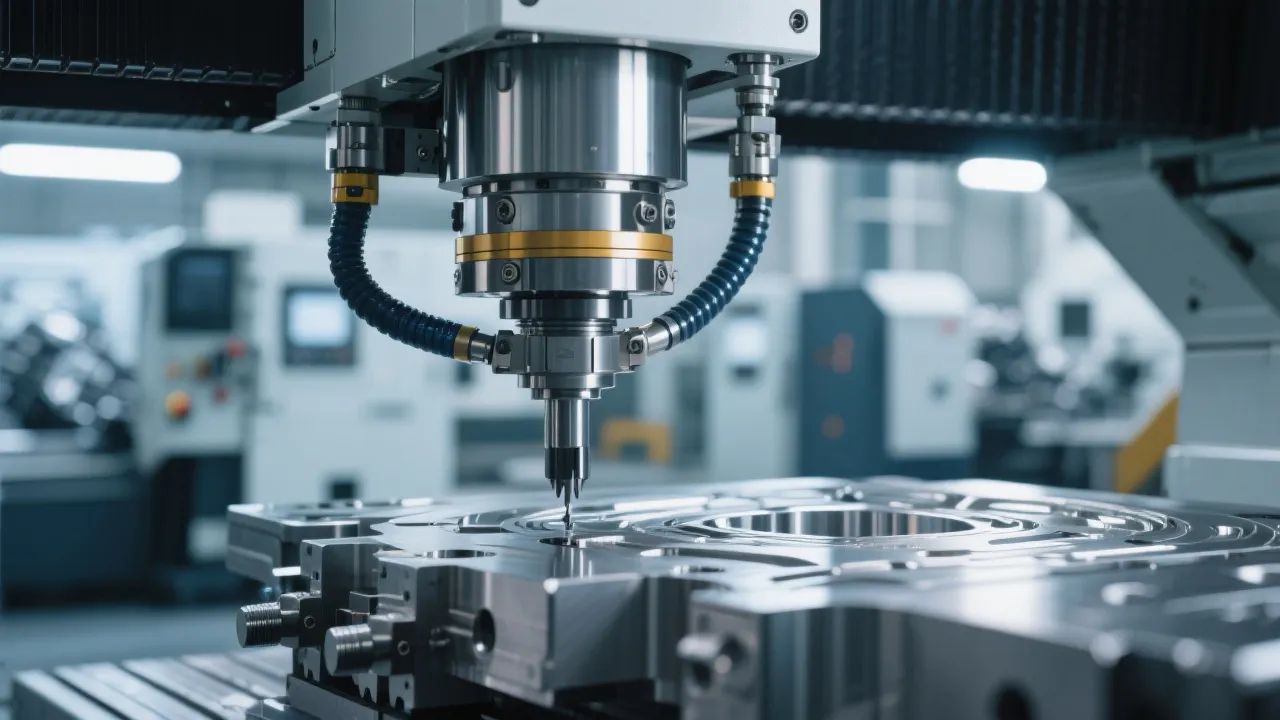
During heavy - load cutting, thermal deformation and vibration are major challenges. Advanced cooling systems, such as high - pressure coolant supply, can effectively control the temperature rise of the workpiece and tool, reducing thermal deformation. Additionally, vibration - damping devices and proper clamping techniques can minimize vibration, ensuring stable machining processes and high - precision results.
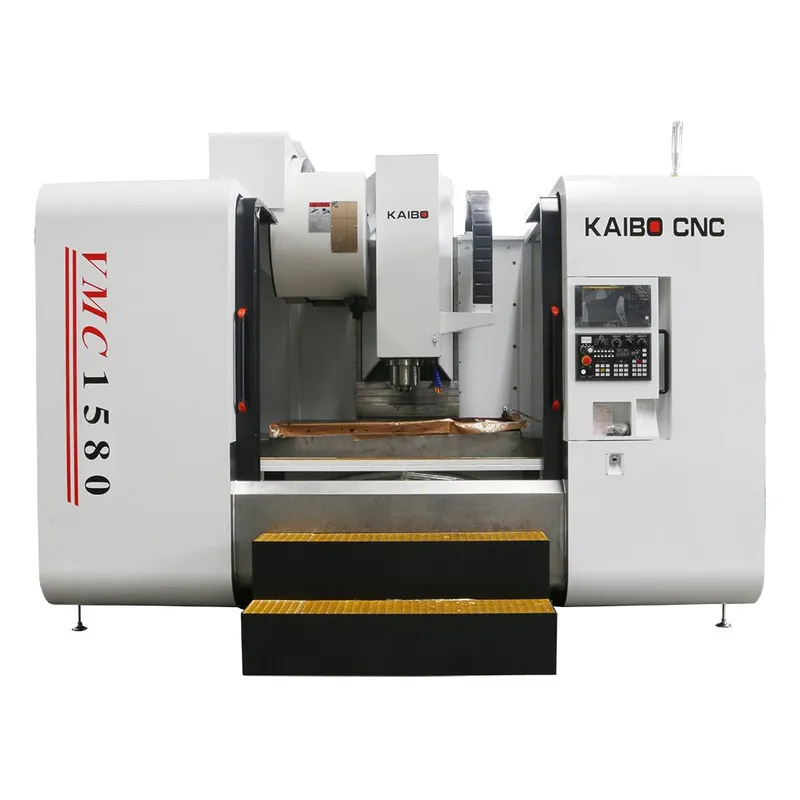
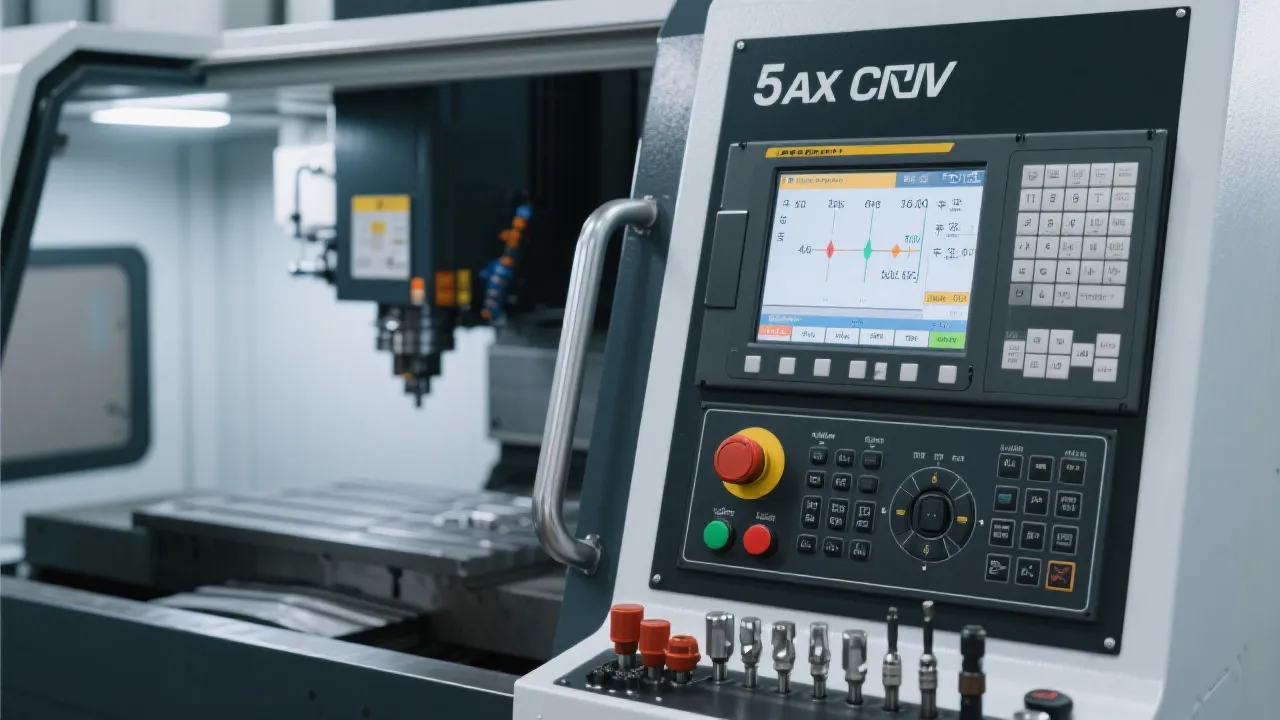
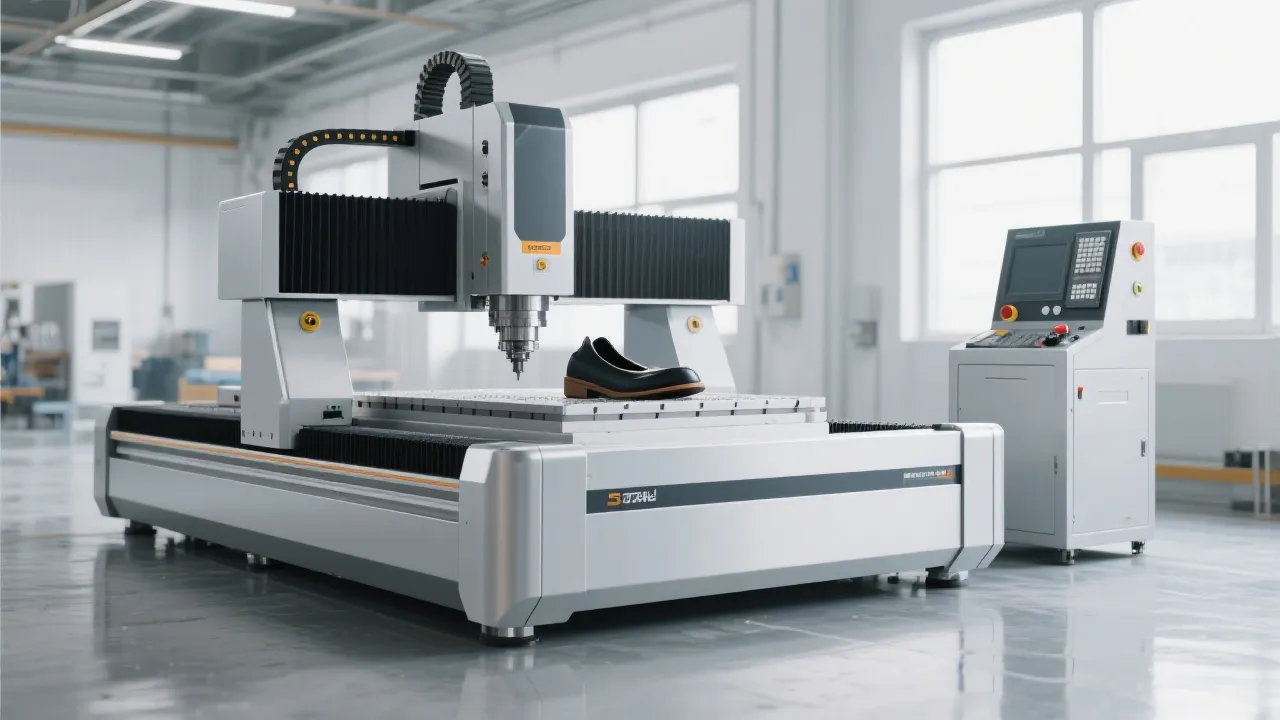
The FH1890L high - cutting - rate large - stroke vertical machining center independently developed by Ningbo Kaibo CNC Machinery Co., Ltd. provides an excellent solution for large and heavy workpiece rough milling. In a practical application, when processing a large - scale graphite workpiece, the FH1890L reduced the processing time by 30% compared to traditional machines. Its advanced spindle design and precision control system ensure high - speed and high - precision machining, effectively avoiding issues such as thermal deformation and vibration. Moreover, with comprehensive after - sales support, users can be assured of continuous operation and long - term performance.
For graphite, aluminum alloy, and steel, different machining techniques are required. In graphite machining, low - pressure dust collection systems can prevent dust from affecting the machining quality. In aluminum alloy processing, specific lubrication methods can improve the surface finish. And for steel, higher cutting forces and appropriate tool geometries are necessary. By mastering these specialized techniques, manufacturers can achieve better results in different material processing.
The manufacturing industry is constantly evolving, and it's essential to stay updated on the latest machining technologies and industry trends. Regularly following industry reports and participating in online technical seminars can help manufacturers gain an edge in the market.
Explore the FH1890L Vertical Machining Center for High - Efficiency Machining Now!