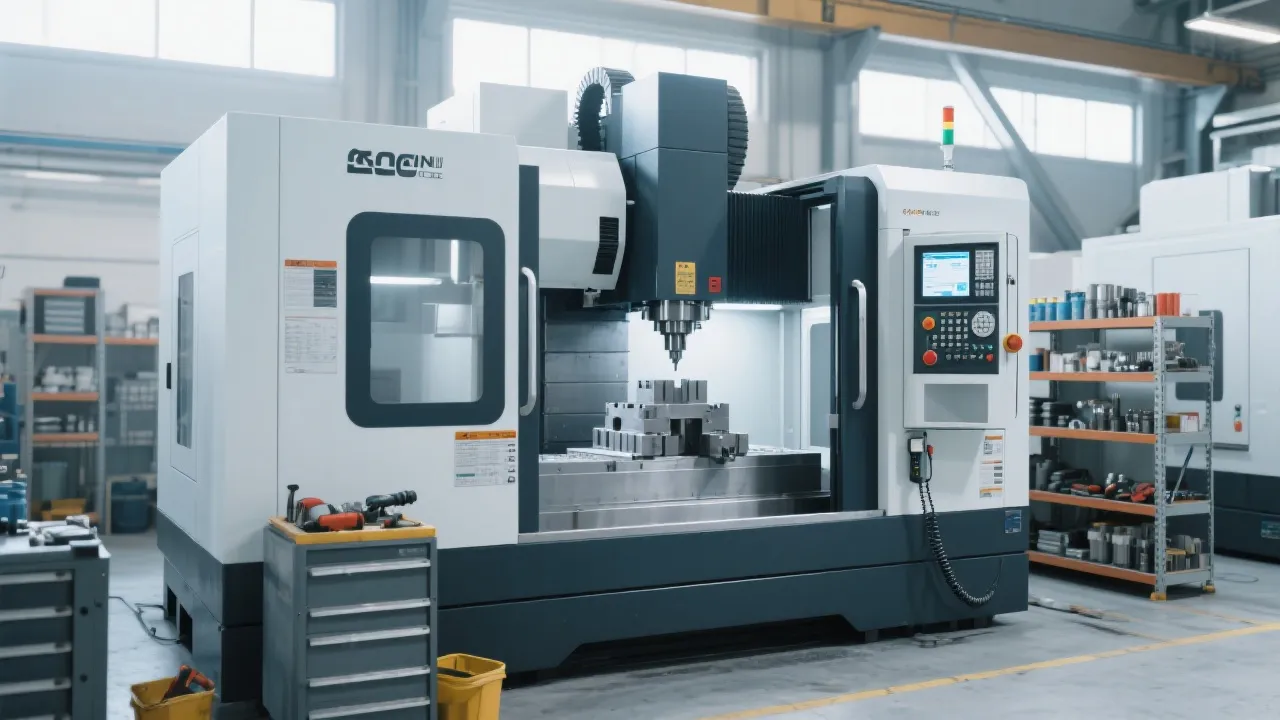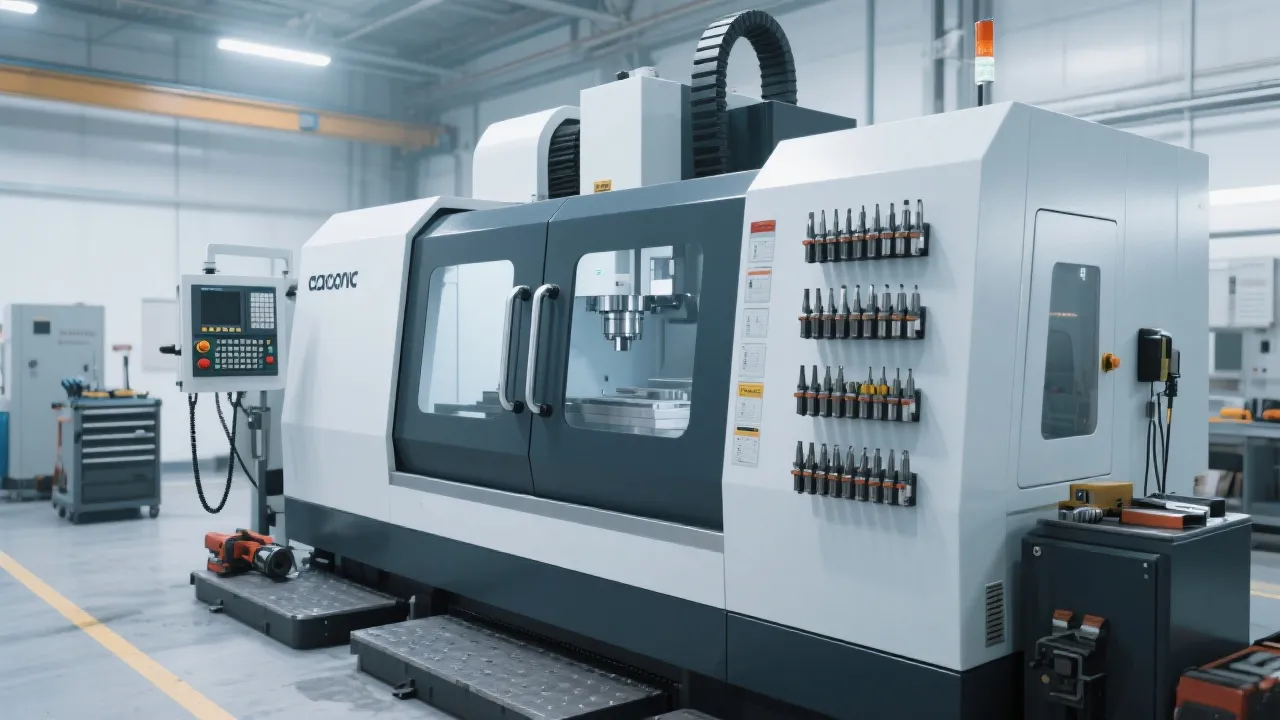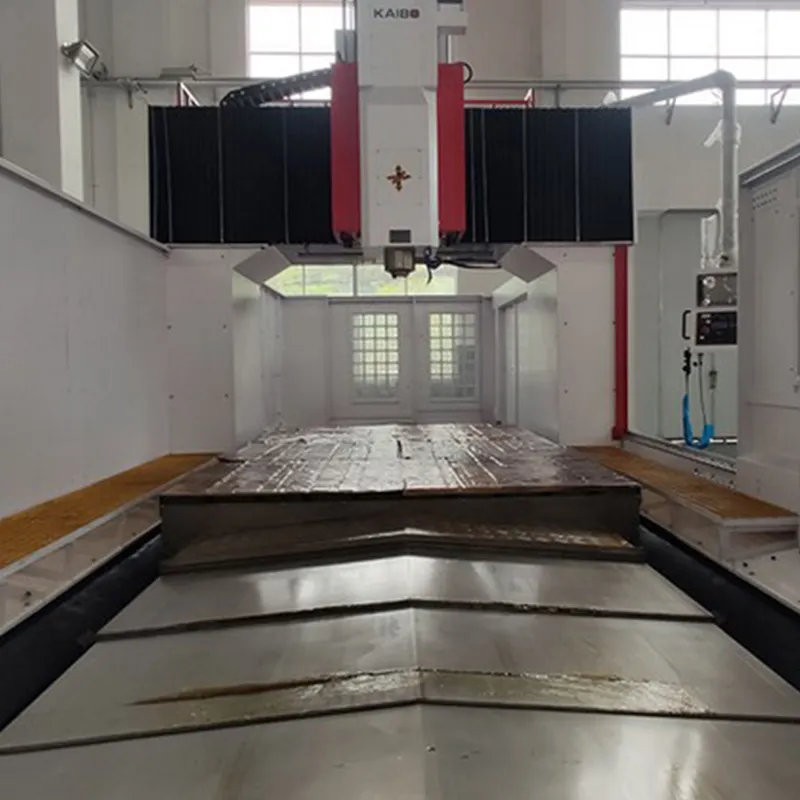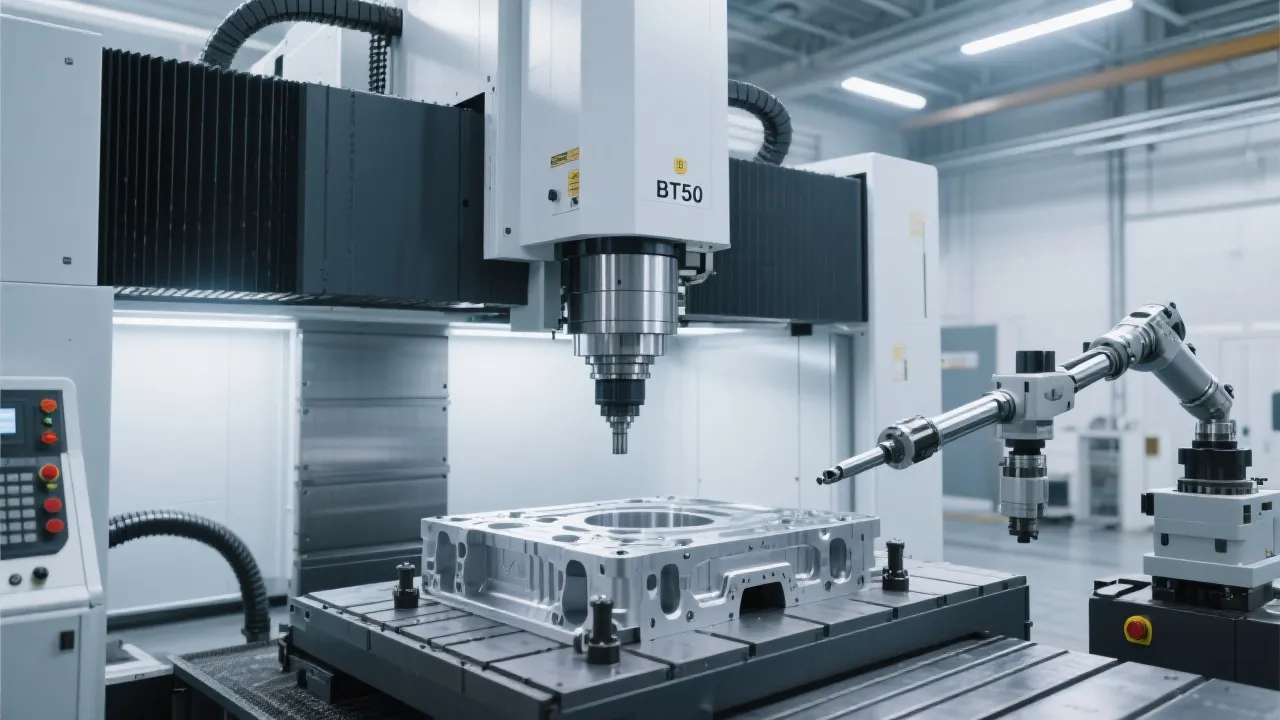
Precision manufacturing demands cutting-edge solutions, especially when dealing with complex geometries such as aerospace thin-walled components and multi-surface molds. Traditional vertical CNC milling centers often struggle with accuracy limitations induced by structural vibration, thermal deformation, and servo lag. The advent of belt-spindle vertical CNC milling machines marks a significant leap forward in precision engineering — offering dynamic servo responsiveness and micron-level controls that decisively reduce cumulative processing errors.
Complex workpieces frequently exhibit irregular, multi-faceted shapes that challenge machine tool capabilities. Conventional machines encounter difficulties such as thermal drift, backlash, and sluggish servo reaction times, thereby undermining the dimensional repeatability critical in industries like mold manufacturing and aerospace. These challenges manifest as deviations exceeding ±0.02 mm, often unacceptable for high-precision requirements.
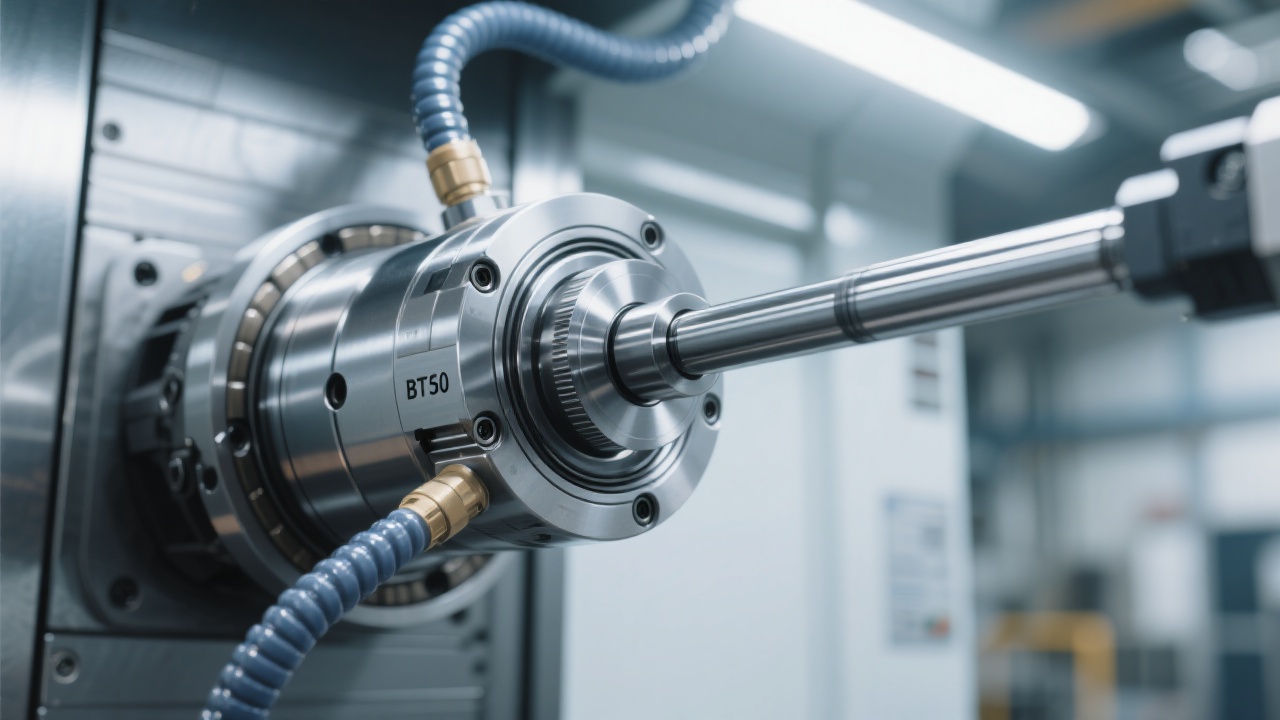
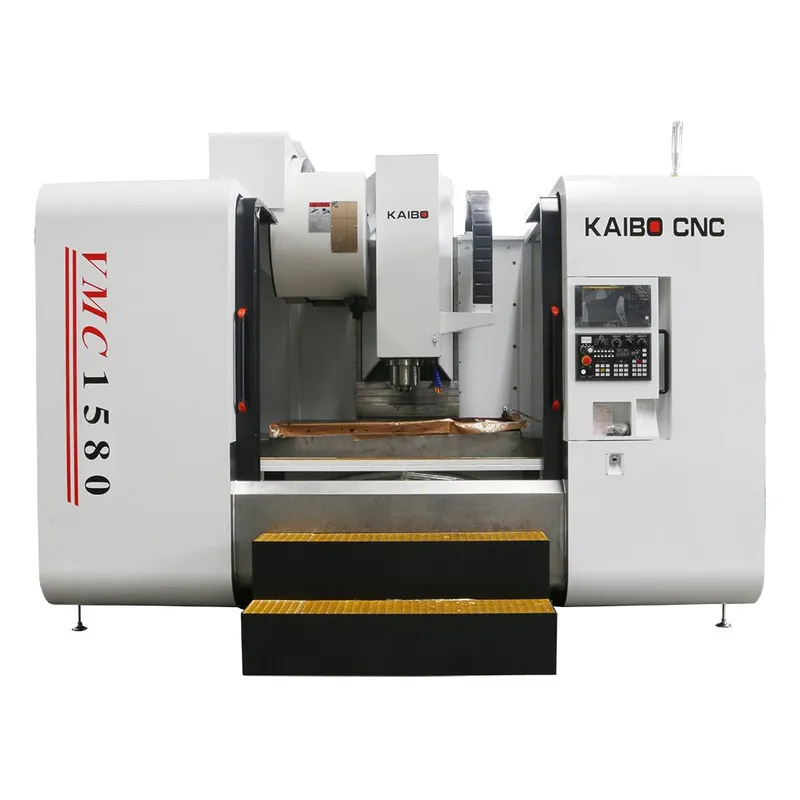
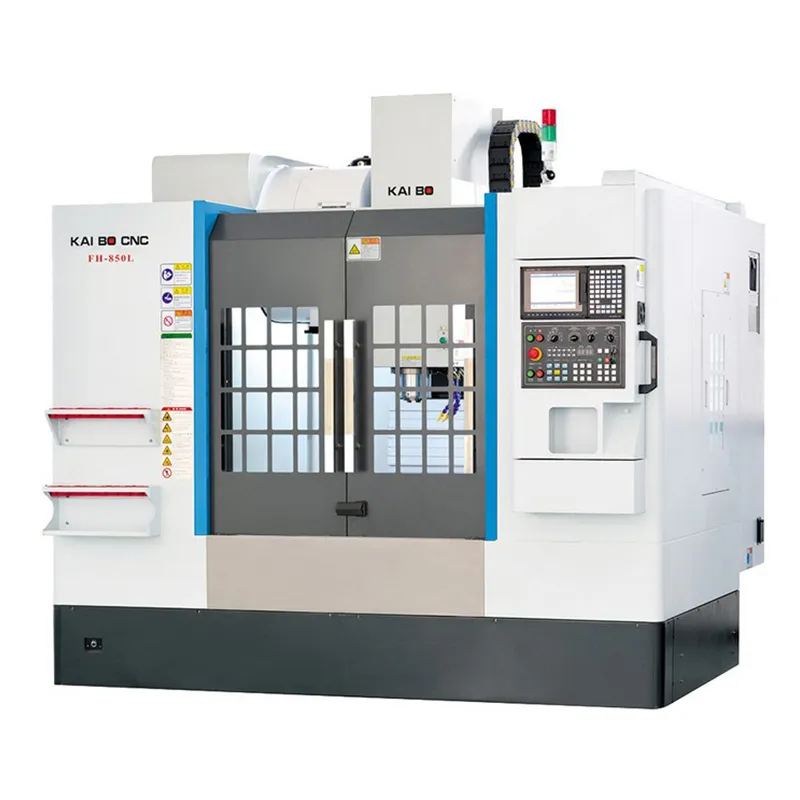
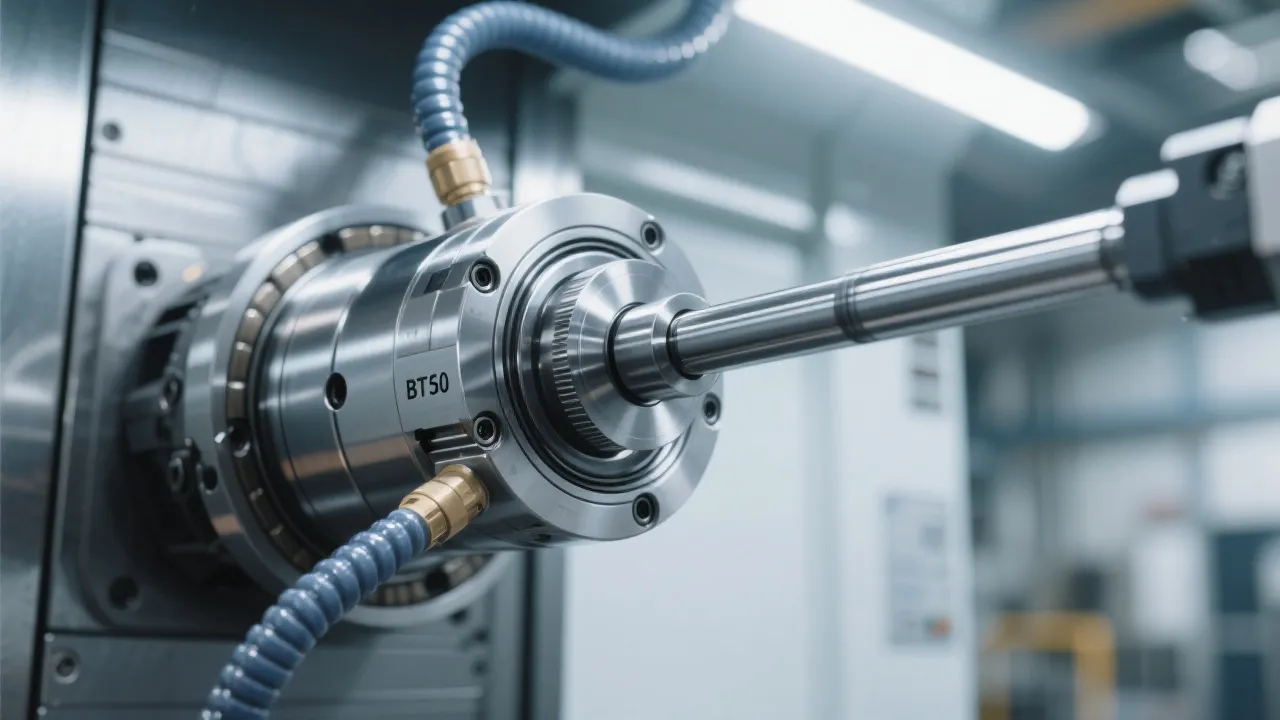
These specialized machines, exemplified by solutions from Kaibo CNC, provide structural stability with a rigid frame design minimizing vibrational modes. Their true differentiator lies in the belt-driven spindle system, which balances high-speed rotation with reduced thermal buildup. Additionally, precise thermal compensation mechanisms actively negate heat-induced expansion, maintaining accurate positioning within ±3 microns during prolonged operations.
Furthermore, the advanced positioning system supports sub-micron repeatability and zero backlash through preloaded ball screw assemblies and real-time sensor feedback. This enables the machine to consistently hold tolerances that traditional vertical CNC mills can only dream of.
The servo control system in belt-spindle vertical CNC mills delivers millisecond-level dynamic response, allowing the machine to rapidly adjust to positional errors caused by tool deflection or material inconsistencies. By leveraging high-frequency encoders and sophisticated PID algorithms, these machines maintain micron-level positional accuracy.
Precision control extends beyond hardware to the software level — intelligent compensation dynamically adjusts axis feed rates during machining. This minimizes error accumulation which, without such adjustments, can result in significant dimensional drift, particularly around complex contours and under heavy cutting loads.
Effective machining is as much about process optimization as machine capability. Advanced belt-spindle vertical CNC mills utilize algorithmic tool path planning, which reduces sharp acceleration changes that stress mechanical components. Smooth trajectories combined with real-time feed rate compensation help suppress vibration-induced inaccuracies and prevent overloading of the spindle drive.
Feed strategies dynamically adapt to material hardness and tool wear, often reducing cutting feed by up to 15% when sensors detect increased resistance — thus avoiding tool deflection that compromises dimensional accuracy.
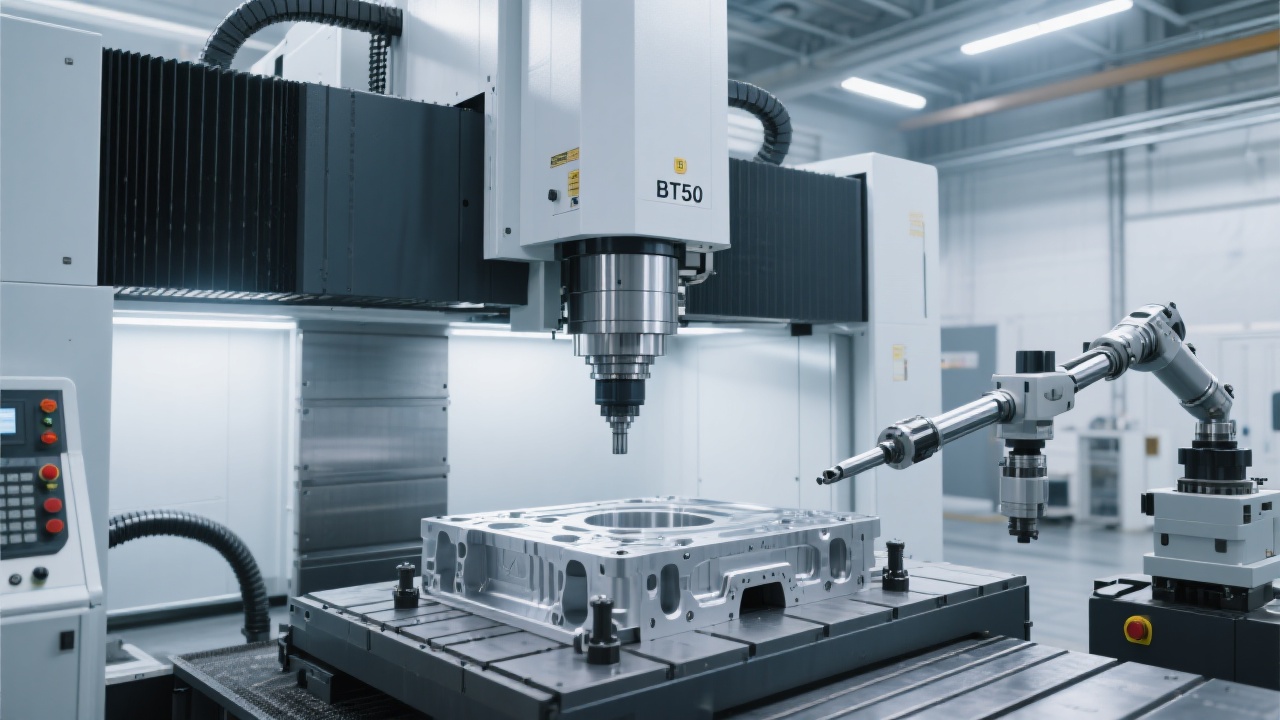
In mold manufacturing, belt-spindle vertical CNC milling machines have achieved surface finish enhancements exceeding 20% with surface roughness (Ra) values consistently below 0.2 µm. This improvement directly translates into shorter polishing times and higher mold durability.
Aerospace thin-wall component machining showcases how error control within ±0.005 mm can be consistently maintained, a feat unattainable with standard vertical mills. Such precision ensures structural integrity and aerodynamic performance, essential in flight safety.
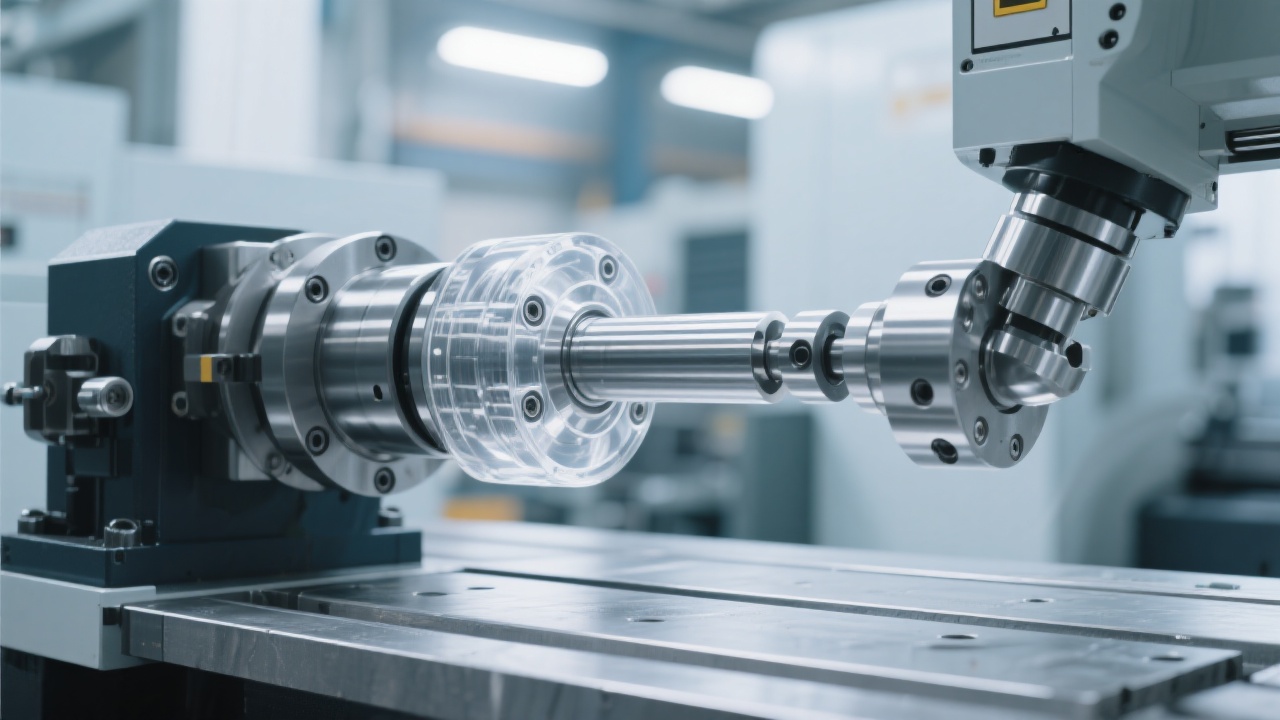
Operators are advised to implement initial spindle speed ramp-up to minimize belt slip and thermal shock. Maintaining ambient temperatures between 20-22 °C with humidity control further reduces thermal expansion risk. Periodic calibration using laser interferometry should be scheduled every 500 operating hours to ensure micron-level accuracy retention.
Common error sources include backlash, servo lag, and thermal drift. Employing preloaded screws, high-resolution encoders, and integrated thermal sensors significantly alleviates these issues — resulting in improved repeatability of less than ±0.003 mm after runtime stabilization.