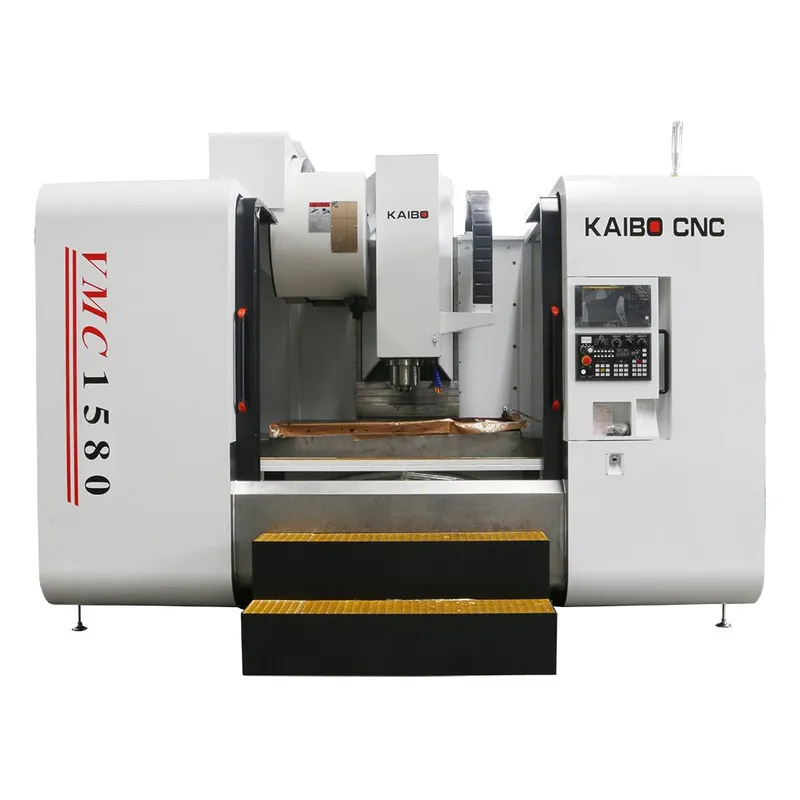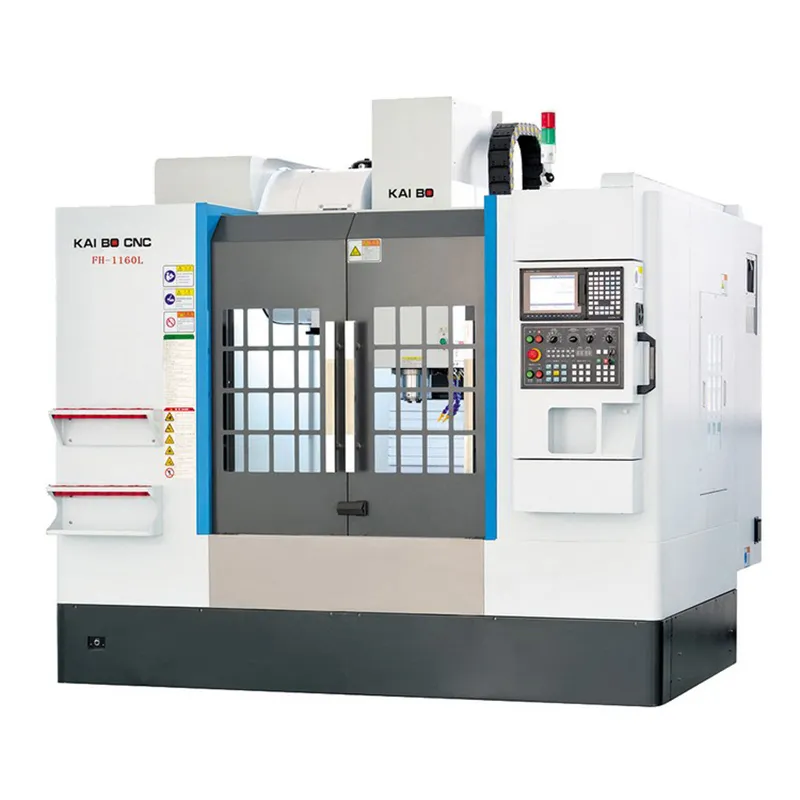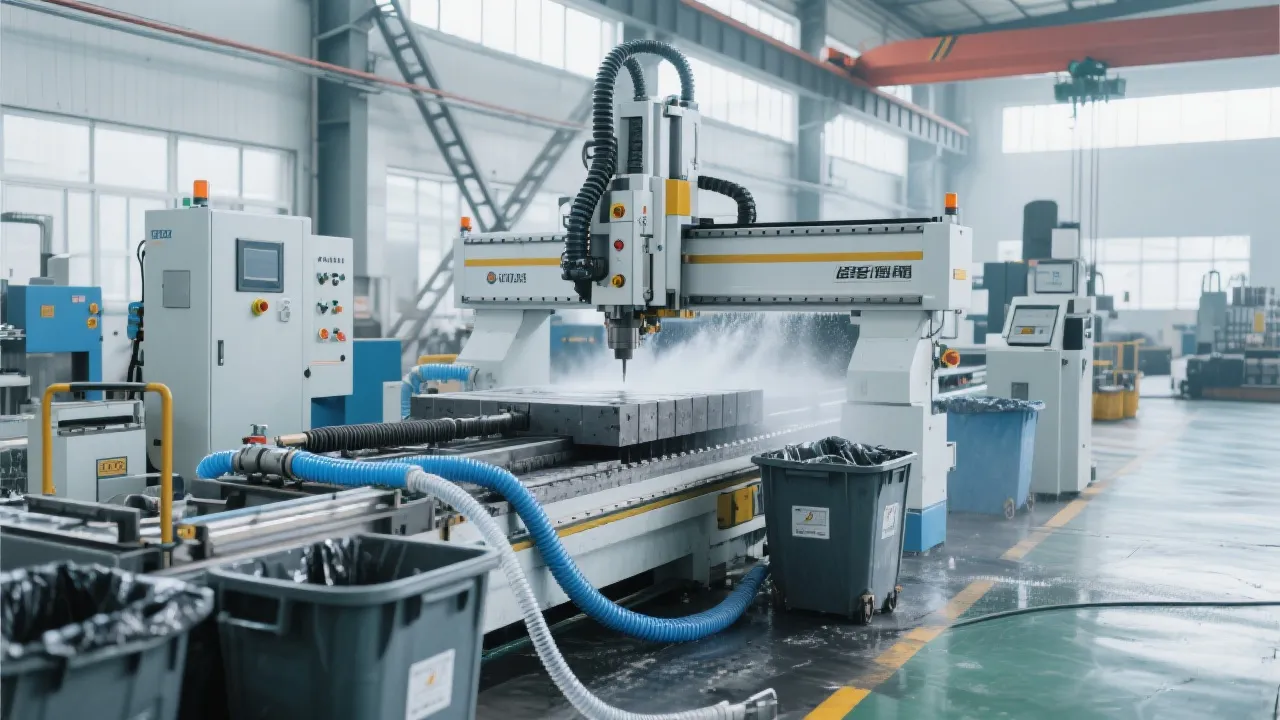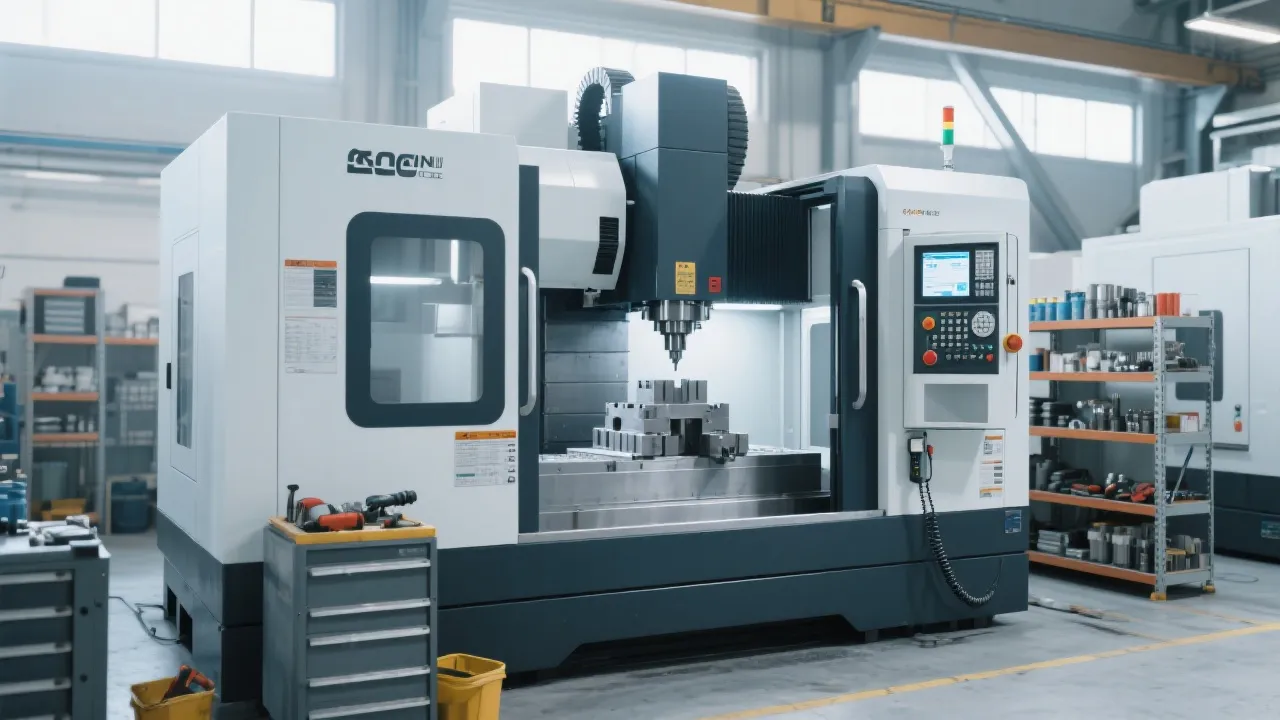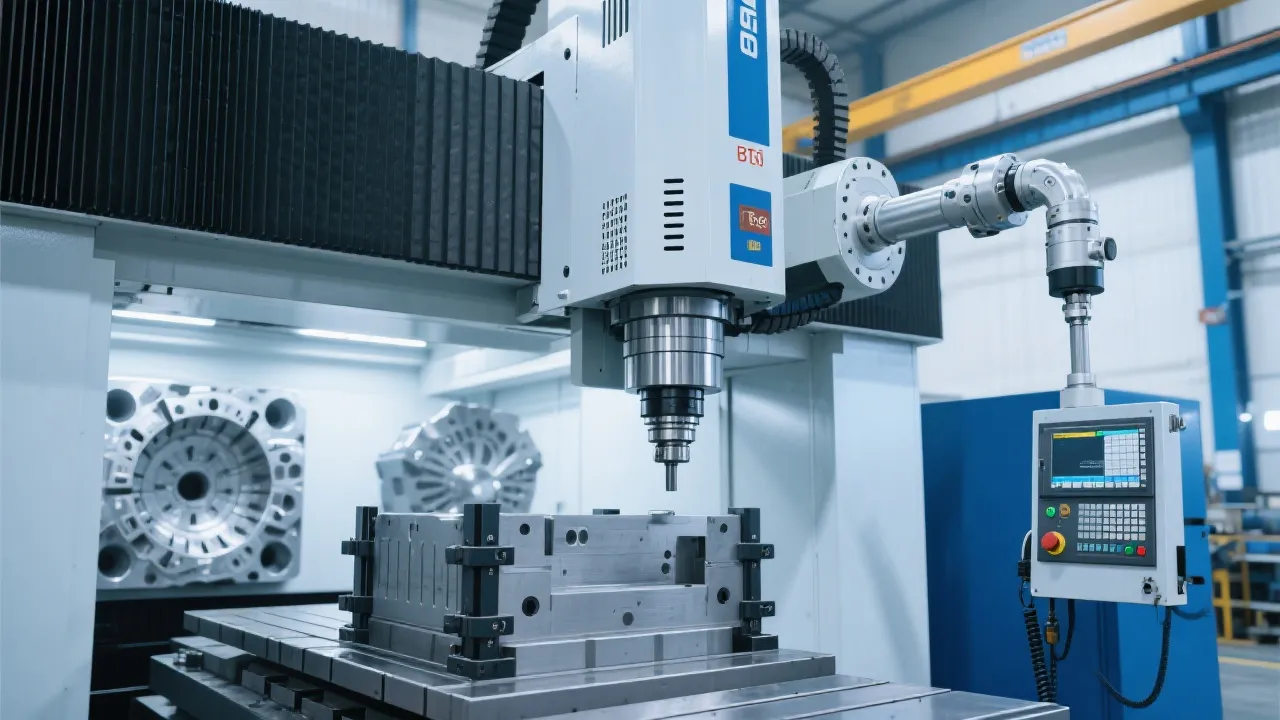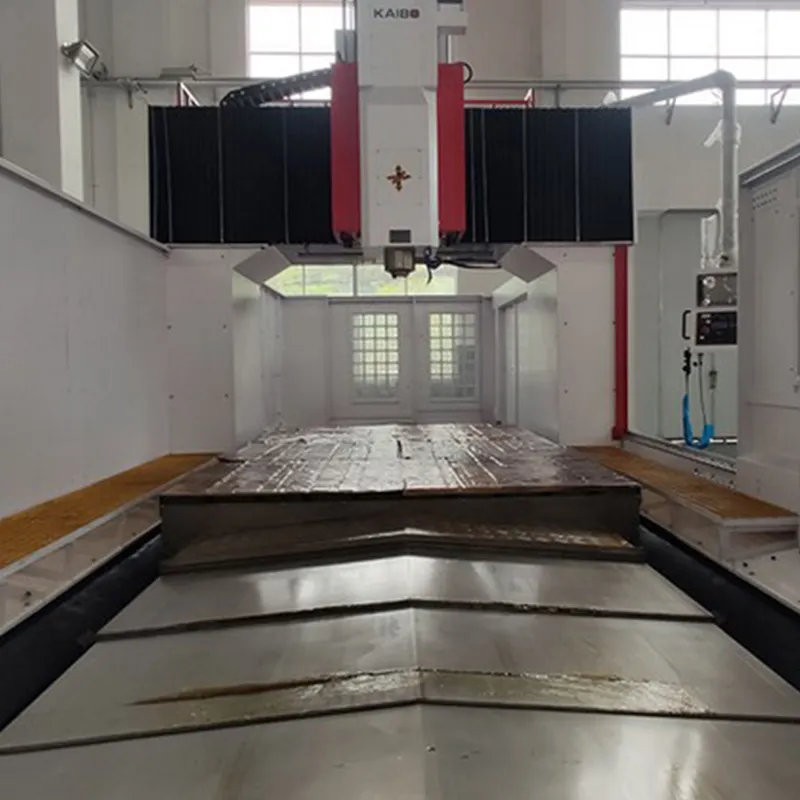
The demand for precise multi-faced machining of complex geometries in industries such as mold manufacturing and aerospace has surged, driving innovation in CNC machining technology. The belt-spindle vertical CNC milling machine, exemplified by solutions from Kai Bo CNC, stands out for delivering positioning accuracy up to ±0.005mm by integrating advanced servo systems with intelligent toolpath optimization. This article delves into the engineering principles and control strategies that enable this class of machine to consistently deliver near-perfect cuts, improving both quality and throughput.
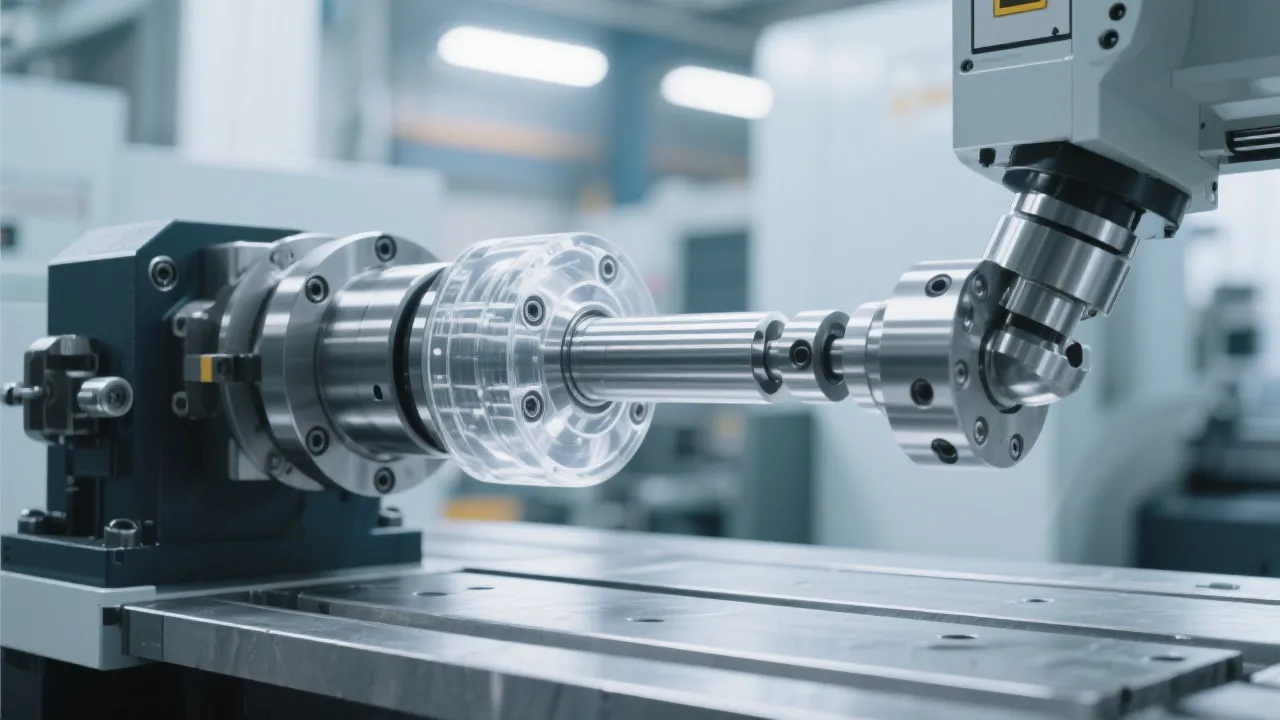
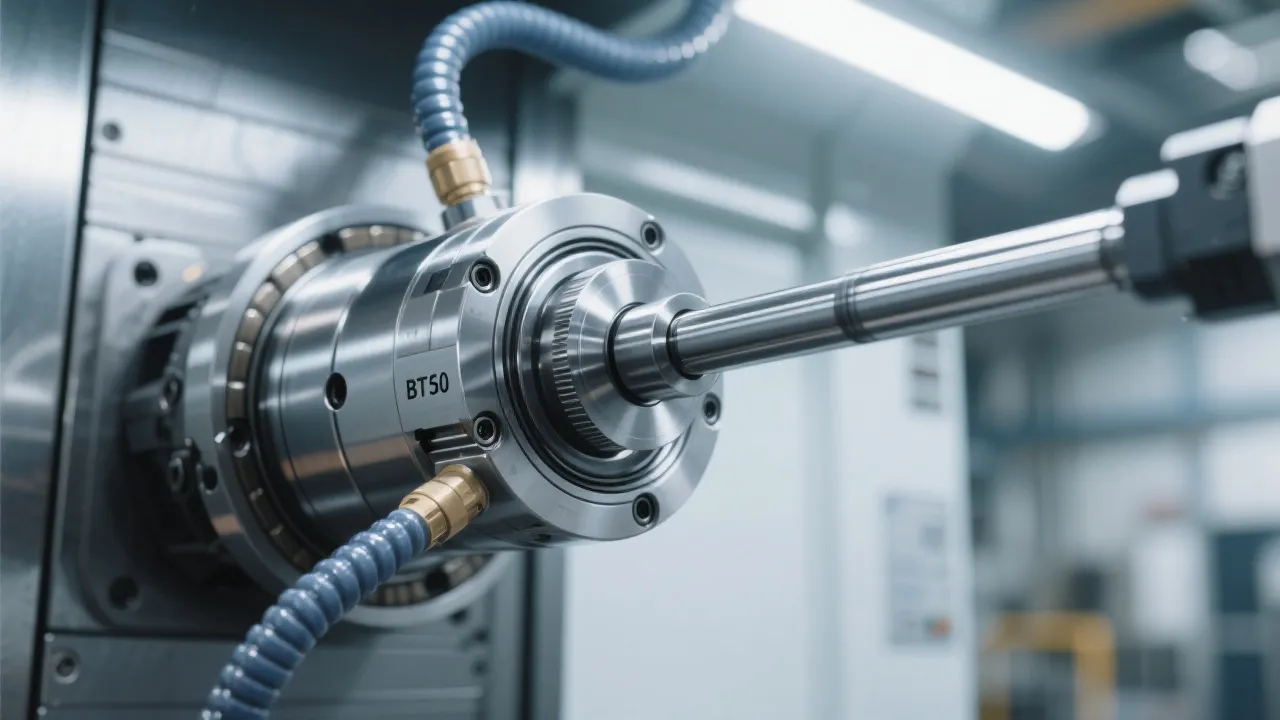
At the core of enhanced machining precision is the belt-spindle's ability to elevate spindle rigidity and dynamic stability. The belt transmission system reduces vibration amplitude compared to traditional direct drive or gear-driven spindles, effectively supporting machining of intricate surface geometries with superior repeatability. By mitigating elastic deformation under cutting forces, the belt-spindle maintains the integrity of complex profiles, especially for non-planar and multi-faceted workpieces.
The belt-spindle vertical CNC milling machine employs a multi-axis servo system calibrated to maintain microsecond-level responsiveness. This dynamic response capability enables real-time correction of positional errors, limiting cumulative deviations to within microns. Key technologies include high-resolution encoders, closed-loop feedback control, and adaptive gain tuning, which collectively secure consistent micron-level positioning accuracy throughout complex tool movements.
Beyond hardware, optimizing the cutting strategy profoundly influences machining accuracy. Advanced CAM algorithms generate toolpaths that minimize rapid directional changes and sudden feedrate fluctuations, reducing mechanical backlash and inertia effects. By adjusting feedrates dynamically—slowing during precision-critical passes and accelerating during roughing phases—the system curtails thermal deformation and tool wear. Collectively, these strategies suppress cumulative machining errors that arise over multiple passes and faces.
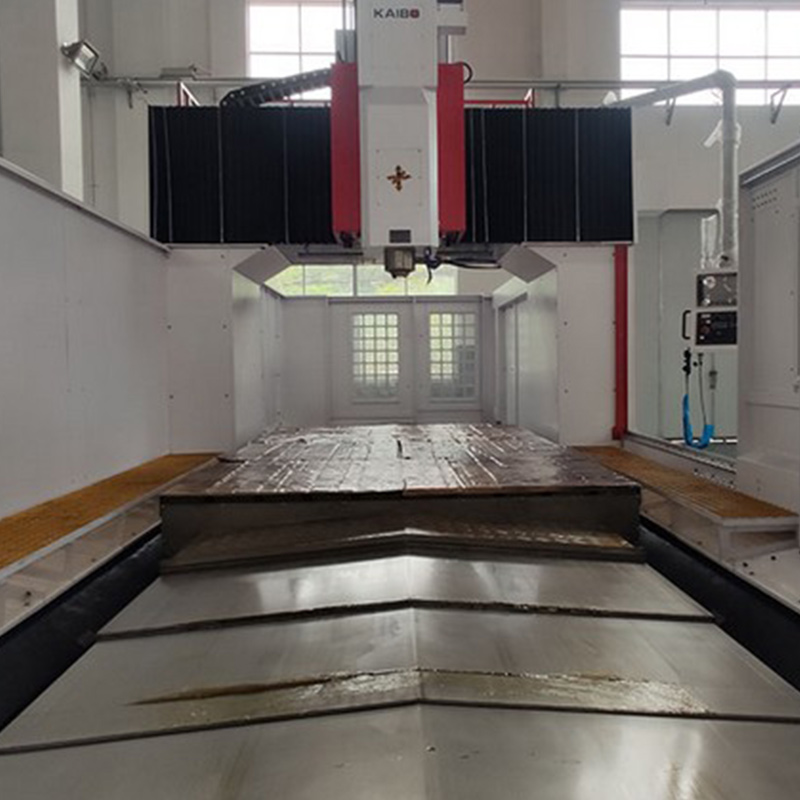
In mold manufacturing, where tolerances frequently demand deviation control within 0.01mm, the belt-spindle CNC milling machines from Kai Bo CNC have enabled the finished molds to achieve dimensional consistency and surface finish quality far exceeding industry benchmarks. Similarly, aerospace component production involving multi-surface alloy parts benefits from the system's optimization capabilities, substantially reducing rework cycles and improving throughput by up to 15%.
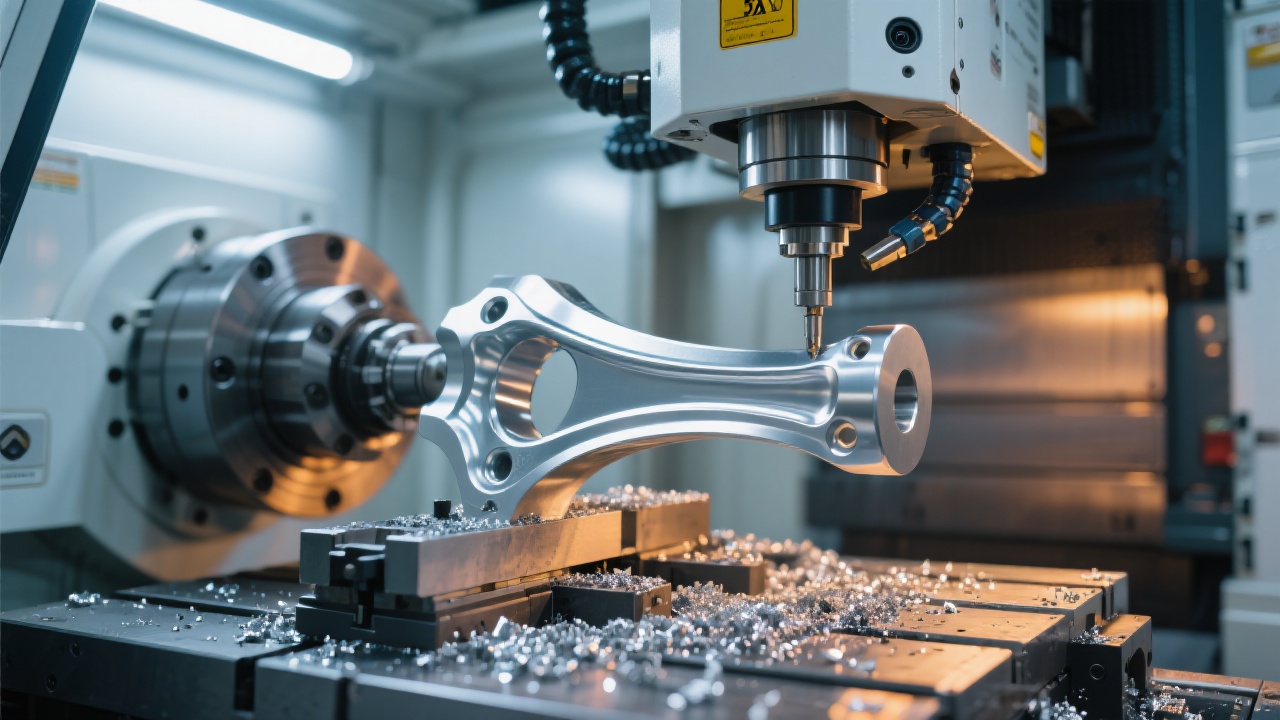
Operating engineers are advised to maintain spindle belt tension within manufacturer-specified ranges to ensure consistent torque transmission. Periodic calibration of servo feedback loops enhances positioning integrity. It's equally critical to leverage adaptive feedrate control software modules to tailor cutting speeds according to tool condition and workpiece material hardness. Addressing common challenges such as thermal expansion and tool deflection proactively translates into higher first-pass yield.
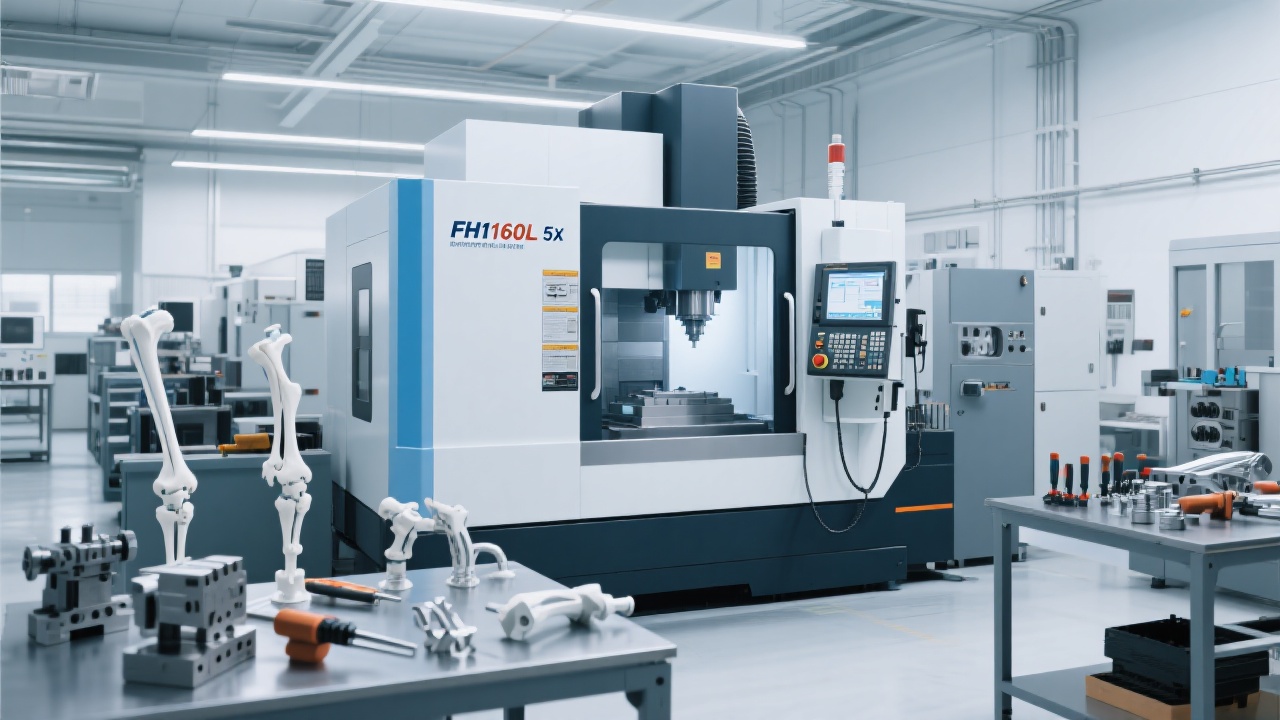
From misalignment source identification to real-time correction, Kai Bo CNC’s belt-spindle vertical CNC milling machines empower users to make each cut closer to the ideal state — a foundational step in delivering high-quality manufacturing results.
Discover actionable insights and technical details on belt-spindle vertical CNC milling machines that redefine complex multifaceted part processing for your industry needs.
What specific challenges have you faced in multi-surface machining of complex parts? Share your thoughts and experiences below to join the conversation.