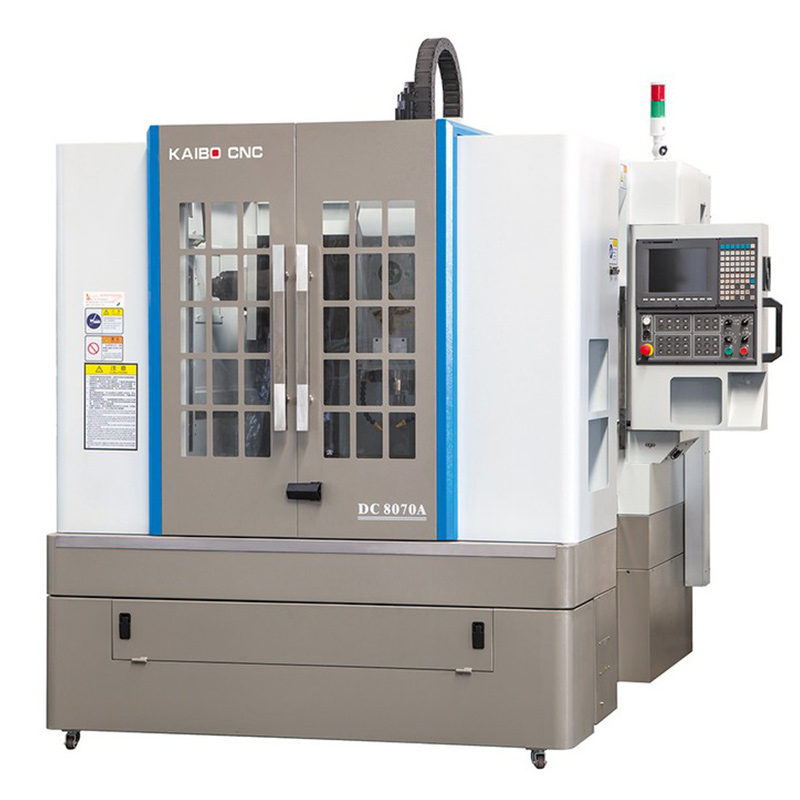
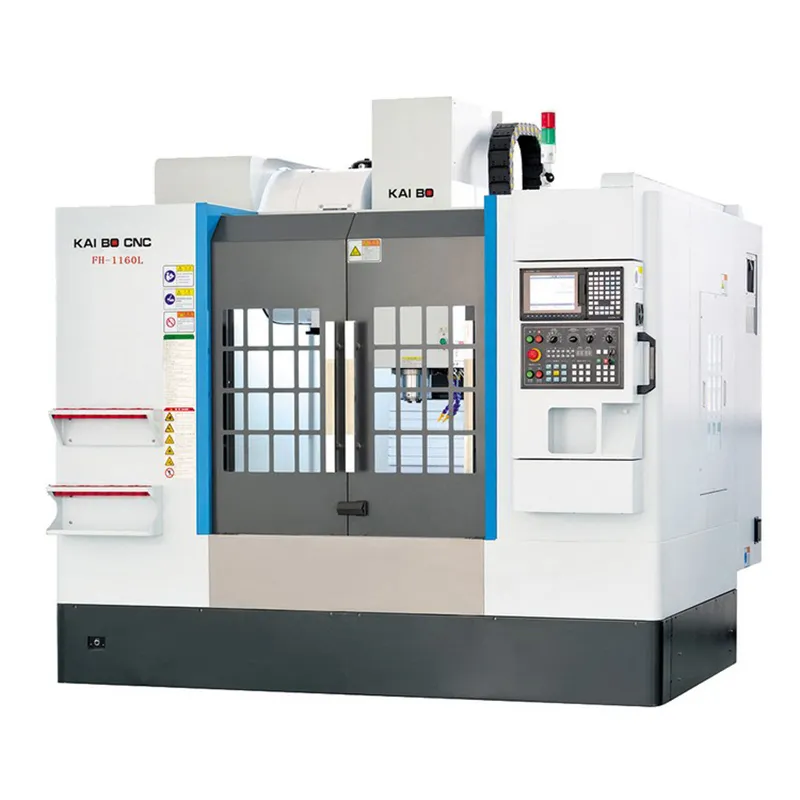
The rapid evolution of intelligent and flexible manufacturing paradigms is reshaping production landscapes globally. Among emerging technologies, the belt-spindle vertical CNC milling machine stands out as a pivotal asset for organizations transitioning to multi-variant, small-batch manufacturing environments. This equipment’s compact design, swift tool-changing capabilities, and high-level automation integration serve as cornerstones that mitigate scheduling complexities and optimize production cycles.
Contemporary manufacturing faces intensified pressure due to order fragmentation and frequent product changeovers. According to a 2023 industry survey by Smart Manufacturing Insights, changeover downtime accounts for approximately 15-25% of total production time in small-batch settings, directly impacting delivery lead times and operational costs. Traditional CNC milling systems often lack the agility to address these dynamic demands, resulting in prolonged cycle times and increased waste rates.
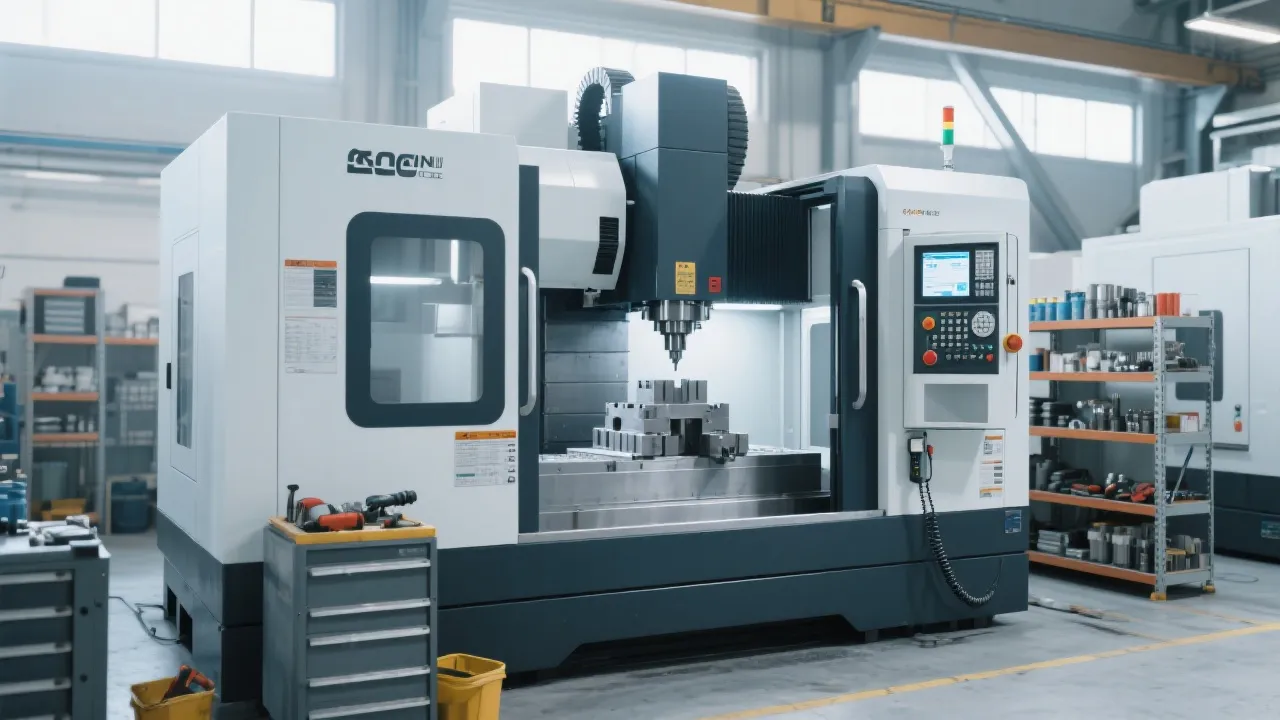
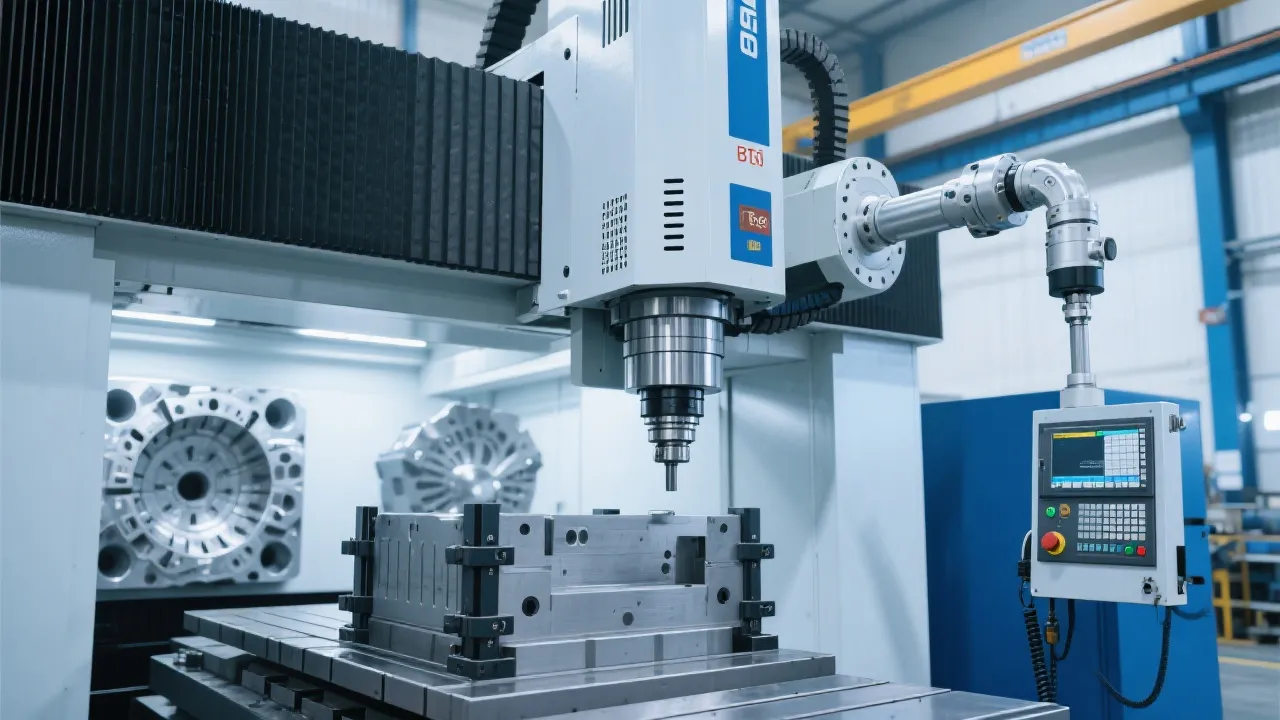
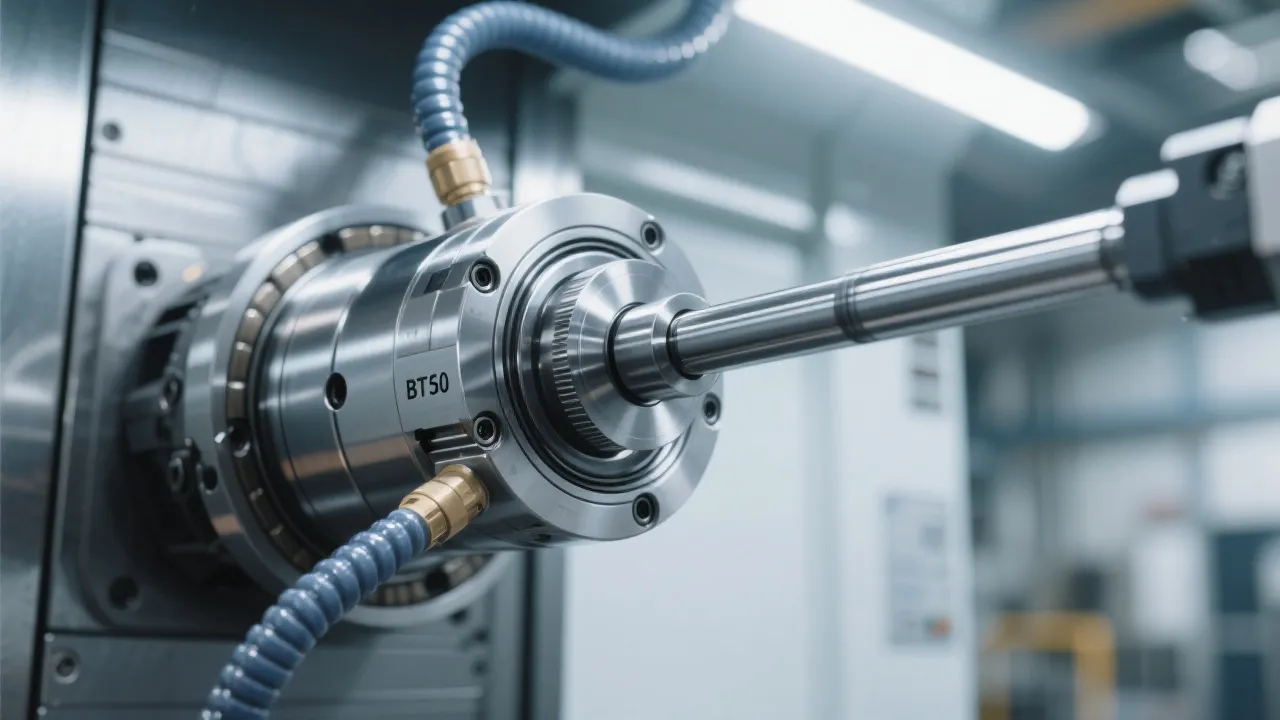
The belt-spindle vertical CNC milling machine offers a markedly compact footprint, enabling production facilities to optimize floor space utilization by up to 30%, per internal studies by 凯博数控 (KaiBo CNC). Its innovative belt-driven spindle reduces rotational inertia, allowing faster acceleration and deceleration compared to conventional spindle drives, which translates to increased machining speed and accuracy.
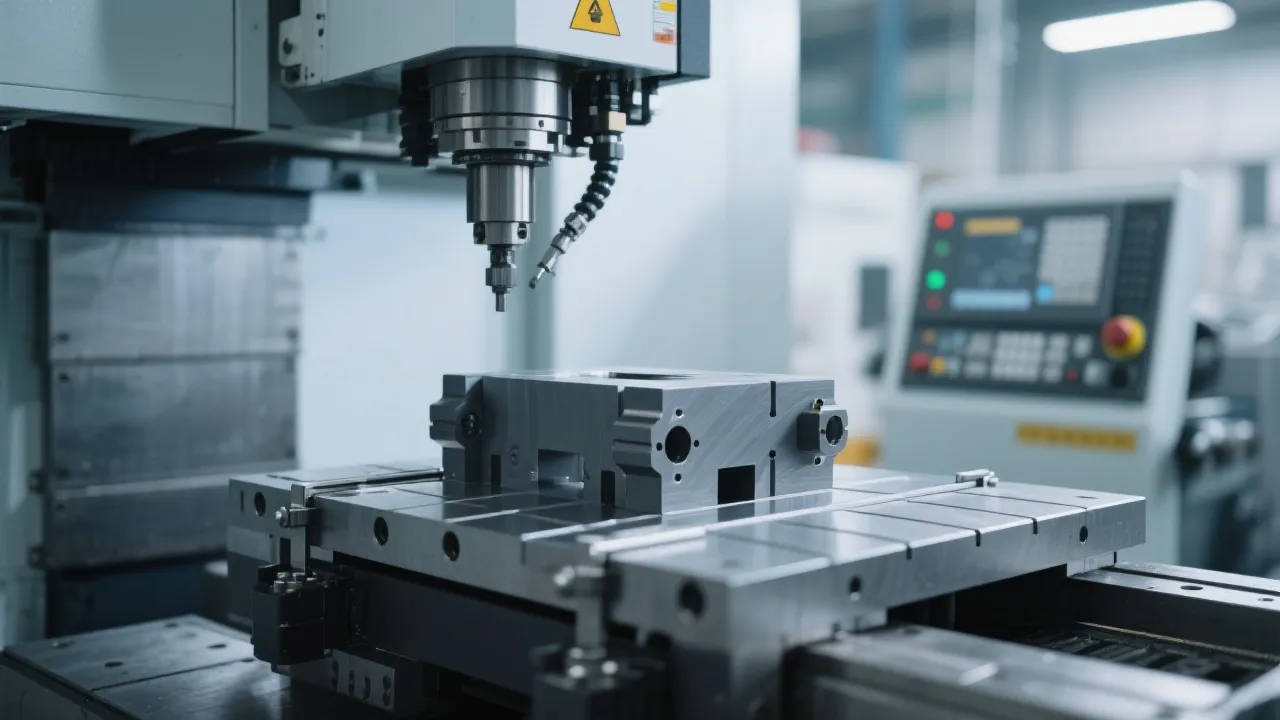
Additionally, the machine’s quick tool-changing system—averaging a tool swap within 6-8 seconds—drastically reduces the changeover time between product variants. This efficiency is critical in multi-variant environments, where shortened downtime directly enhances throughput and cycle efficiency.
Seamless integration with factory automation systems enables real-time monitoring and adaptive adjustments during production cycles. The machine’s compatibility with industrial IoT platforms supports predictive maintenance scheduling, reducing unplanned downtime by an estimated 18-22%, as evidenced in automotive parts manufacturing lines.
| Key Performance Indicator | Improvement Range | Industry Example |
|---|---|---|
| Changeover Time Reduction | 40% - 55% | Automotive Component Manufacturer |
| Floor Space Utilization Increase | +30% | Medical Equipment Production Facility |
| Defect Rate Reduction | 25% - 35% | Electronic Enclosure Fabricators |
In the automotive sector, a leading parts manufacturer adopting the belt-spindle vertical CNC milling machine reported a 50% reduction in product type changeover time, resulting in a 20% surge in monthly output amid fluctuating order profiles. The compact machine footprint also enabled a redesigned production layout that optimized material flow and minimized transport delays.
Similarly, a medical device producer leveraged the machine’s rapid tool change and automated controls to maintain consistent precision across varied product geometries, achieving a 30% increase in first-pass yield and reducing rework costs substantially.
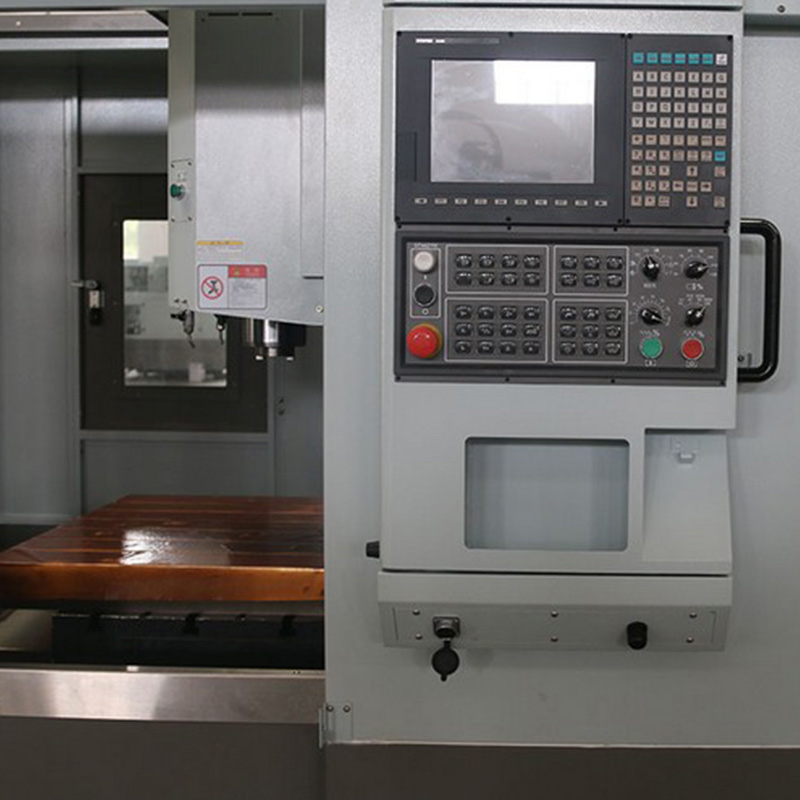
Beyond singular benefits, the equipment’s design fosters intrinsic process collaboration by harmonizing machining parameters with upstream and downstream manufacturing stages. Automotive, medical, and electronic component industries each benefit uniquely: improved cycle times enable synchronized supply chain scheduling; enhanced precision fulfills regulatory and quality requirements; and reduced spatial needs allow for adaptable layouts suited to evolving market demands.
This systemic approach facilitates agile response to market fluctuations and customer customization requests—key competitive advantages in modern manufacturing.
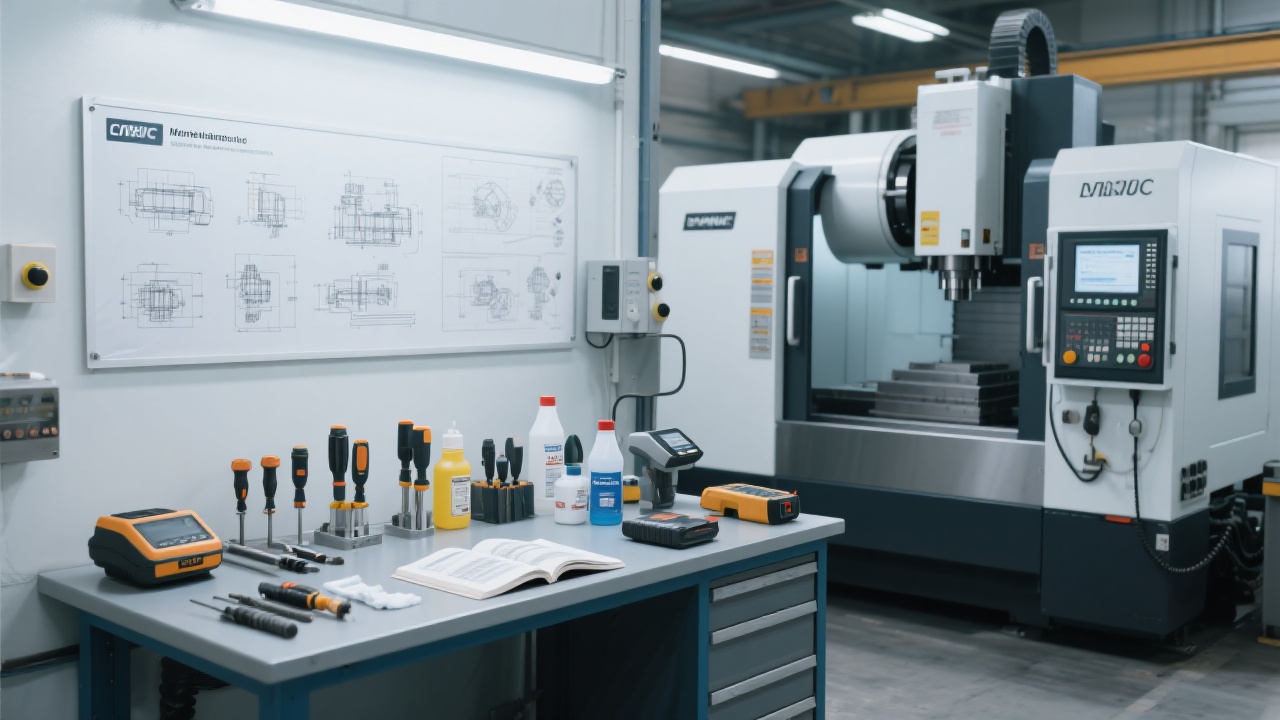
As manufacturers pivot to intelligent, flexible production models, the belt-spindle vertical CNC milling machine emerges not only as a tool but as a strategic enabler enhancing productivity, quality, and spatial efficiency. By integrating innovative design with automation, it effectively addresses the challenges inherent in multi-variant, small-batch manufacturing.
Industry leaders incorporating these machines gain measurable improvements in cycle times and product quality, positioning themselves advantageously amidst evolving market demands.