
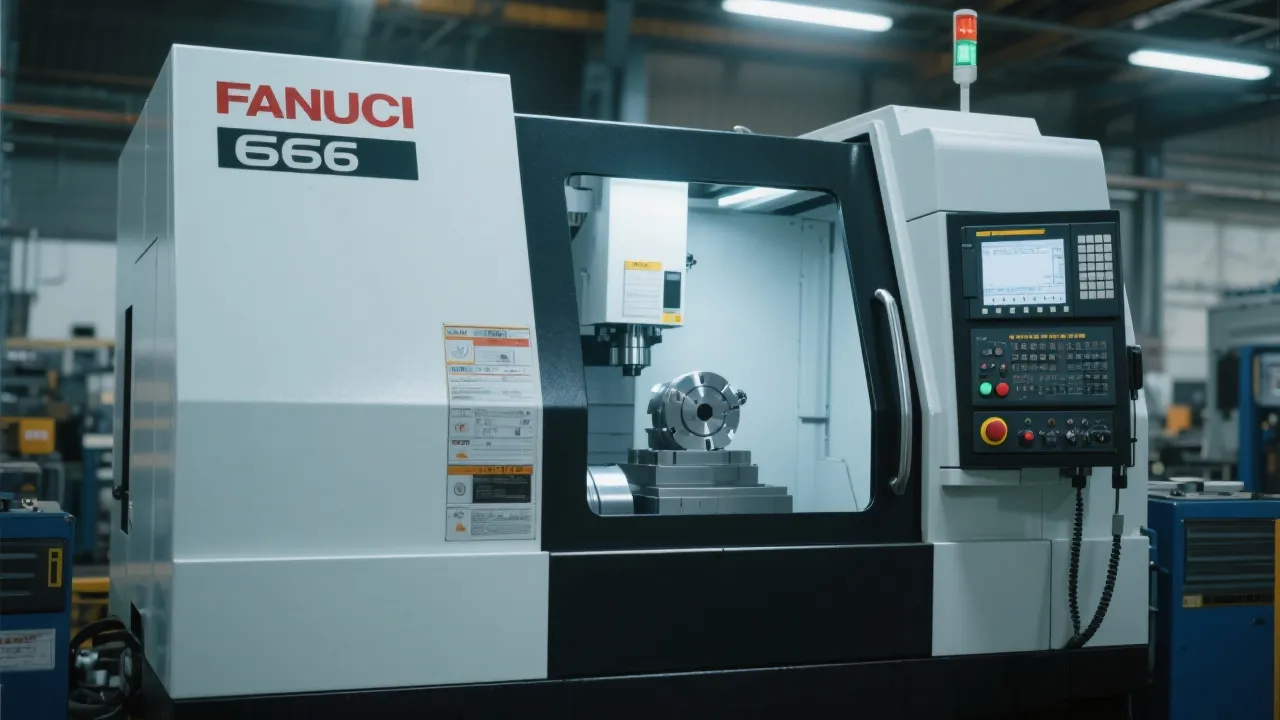
In the ever - evolving landscape of the new energy battery, aerospace, and precision mold industries, the demand for machining accuracy and efficiency has reached new heights. Traditional three - axis machining equipment, once the mainstay of manufacturing, is now struggling to keep up with the complex requirements of machining graphite materials. For instance, in the production of graphite electrodes used in high - end applications, the traditional three - axis machines often face challenges in achieving the required precision and surface finish. The inability to handle complex geometries and the need for multiple set - ups lead to longer production times, lower surface quality, and a higher rate of defective products. In fact, statistics show that in some high - precision graphite machining tasks, the defective rate using traditional three - axis equipment can be as high as 15%, which significantly impacts production costs and efficiency.
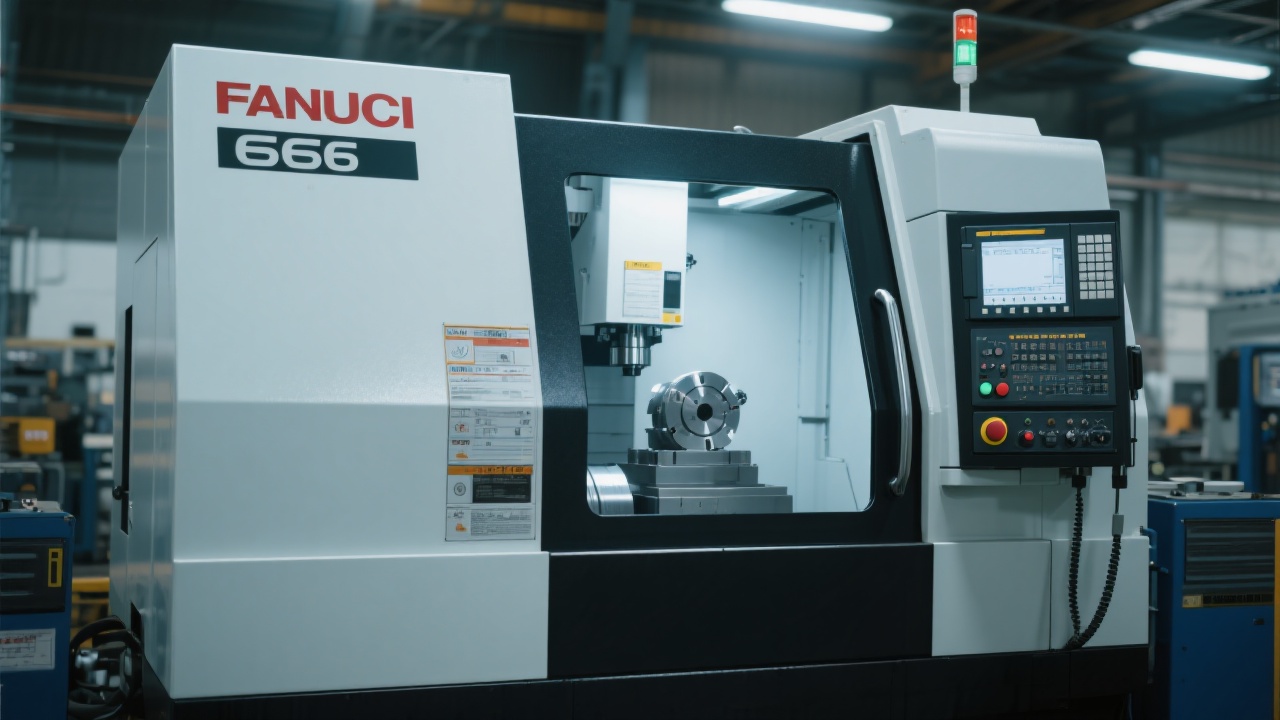
One of the key features of the five - axis vertical machining center is the advanced RTCP (Rotational Tool Center Point) control. This technology allows the tool to maintain a constant position relative to the workpiece regardless of the rotation of the axes. In graphite electrode machining, especially for thin - walled structures, RTCP control ensures that the tool path is optimized, reducing the stress on the workpiece and improving the surface finish. By precisely controlling the tool's movement, the five - axis machine can achieve a surface roughness of Ra 0.8μm, compared to Ra 1.6μm with traditional three - axis machines. This improvement in surface quality not only enhances the performance of the graphite electrode but also reduces the need for post - processing operations.
Another significant advantage is the excellent thermal stability of the five - axis vertical machining center. During the machining process, heat generation can cause deformation of the workpiece and the machine itself, affecting the machining accuracy. The five - axis machine is designed with advanced cooling systems and materials that can effectively dissipate heat, maintaining a stable temperature environment. This thermal stability is crucial for graphite electrode machining, as graphite is a sensitive material that can be easily damaged by temperature changes. With the five - axis machine, the thermal deformation can be controlled within ±0.005mm, ensuring high - precision and consistent machining results.
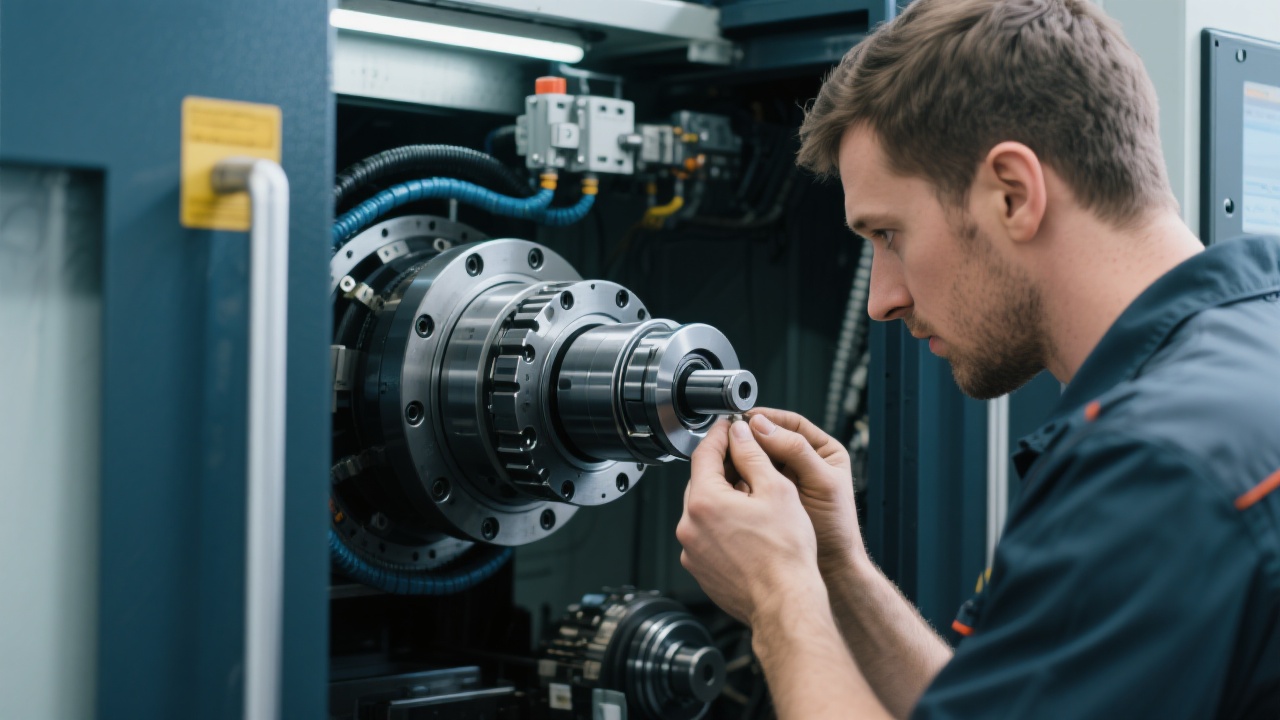
Let's take a look at a real - world example. A well - known precision mold manufacturer was facing challenges in machining complex graphite electrodes for their high - end products. They were using traditional three - axis machines, which resulted in a long production cycle and a high defective rate. After switching to a five - axis vertical machining center, the results were remarkable. The number of set - ups was reduced from 5 to 2, which not only saved time but also minimized the risk of misalignment. The surface finish of the graphite electrodes was significantly improved, and the defective rate dropped from 12% to 3%. Moreover, the production efficiency increased by 30%, allowing the company to meet the market demand more quickly and gain a competitive edge.
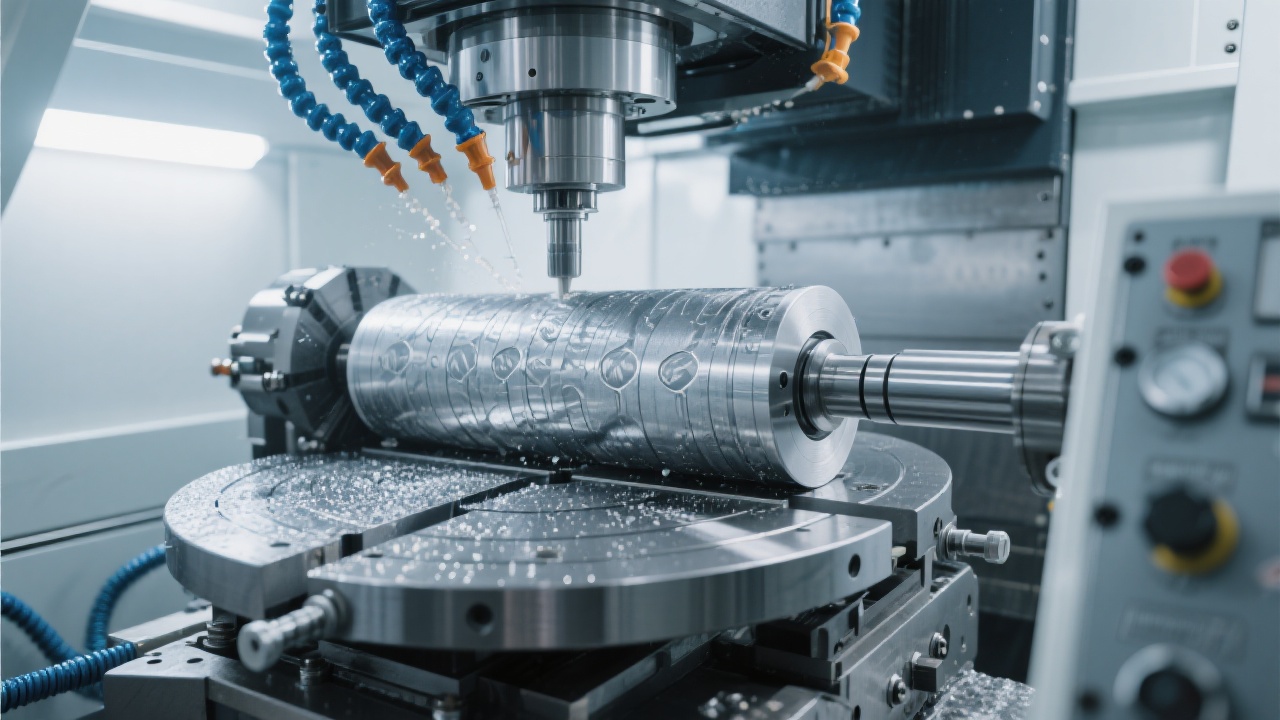
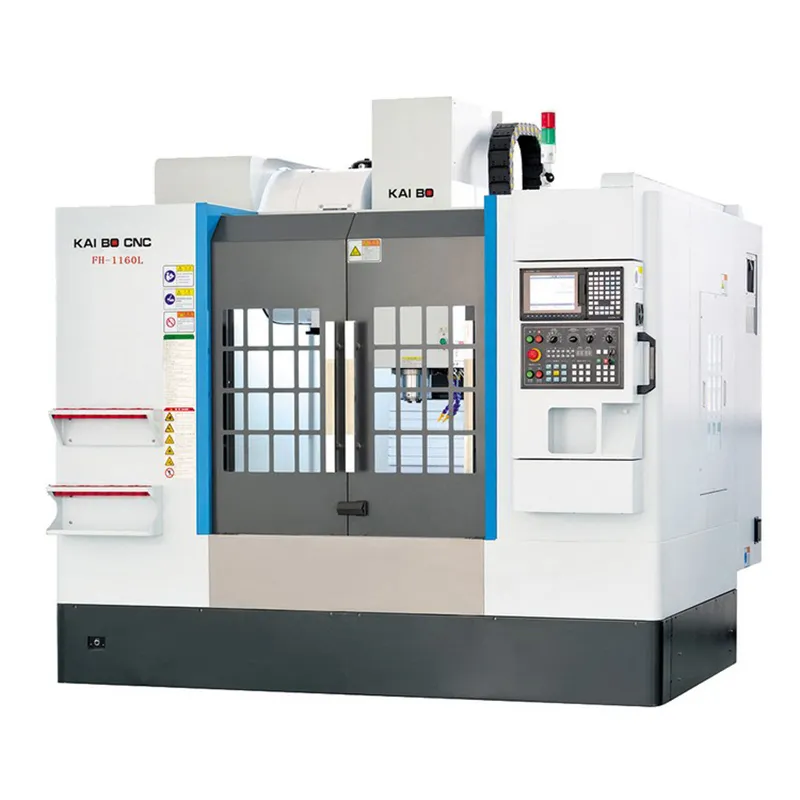
In conclusion, the five - axis vertical machining center offers a revolutionary solution for graphite electrode machining. Its technical advantages in terms of RTCP control, thermal stability, and the ability to reduce set - ups and improve surface quality make it an ideal choice for manufacturers looking to upgrade their production capabilities. If you are a decision - maker in the manufacturing and service industries, don't miss the opportunity to embrace this advanced technology. Choose the five - axis vertical machining center and take your graphite electrode machining to the next level!


 <#else>





