In the evolving realm of complex part manufacturing, 5-axis simultaneous programming positions you ahead by enabling unparalleled precision and efficiency. Whether you’re tackling challenging graphite components or intricate mold cavities, understanding core programming strategies empowers you to reduce scrap rates and dramatically shorten prototyping cycles.
You start by establishing a reliable coordinate system. Defining machine zero points and workpiece origins precisely avoids misalignment that could cascade into dimensional errors. It’s crucial to differentiate between the machine coordinate system and the workpiece coordinate system, ensuring smooth transformation during toolpath calculations.
Pro Tip: Always verify your tool orientation in the machine's rotary axes before finalizing NC code—they are common sources of program faults.
Complex geometries often introduce unexpected precision issues. These typically stem from machine kinematics, tool deflection, and improper path strategies. By simulating toolpaths using your CAM system’s verification modules, you can detect interference and overcuts early, improving the first-pass success rate by up to 25% in documented case studies.
| Common Error | Consequences | Avoidance Strategy |
|---|---|---|
| Incorrect tool length compensation | Dimensional inaccuracies leading to scrap | Crosscheck tool library data and simulate toolpath |
| Ignoring RTCP (Rotation Tool Center Point) | Unexpected gouging or collision | Activate and validate RTCP settings in CAM software |
| Non-optimized feed and speed for graphite materials | Increased tool wear and thermal distortion | Tailor cutting parameters to material traits |
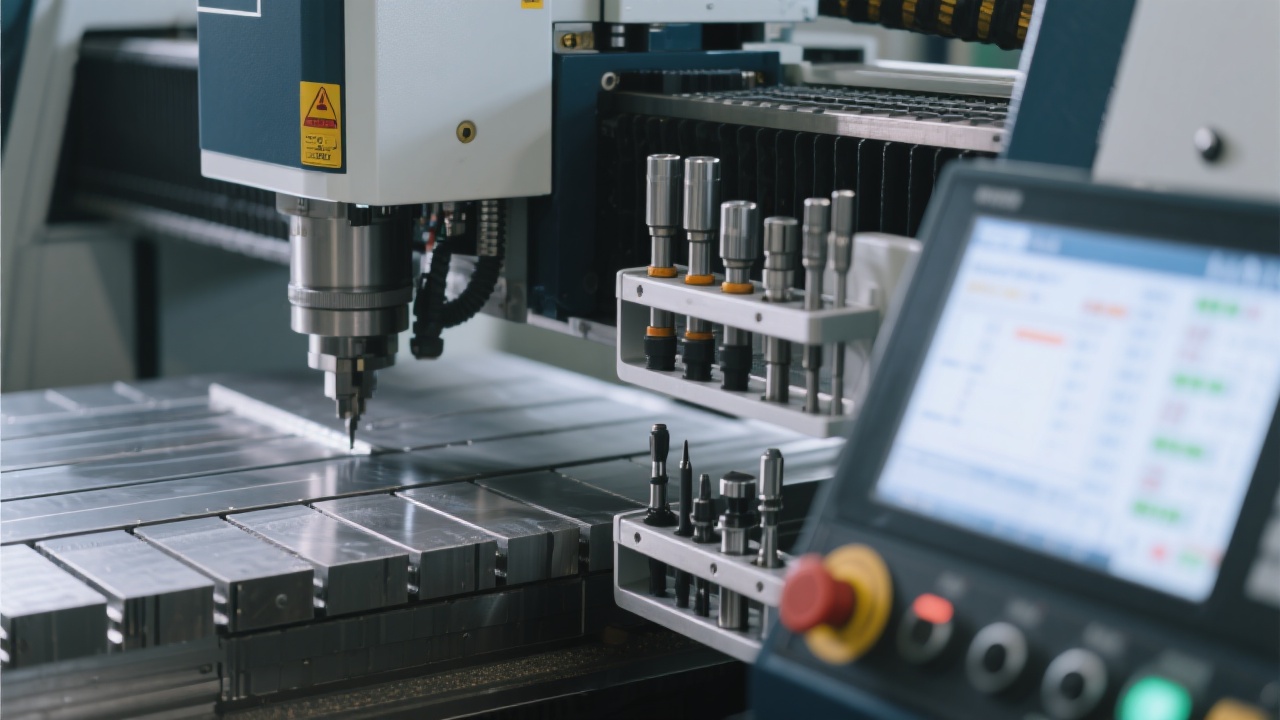
Graphite’s unique thermal characteristics demand a nuanced programming approach. Heat-induced deformation can cause dimensional drift, and the brittle nature of graphite accentuates tool wear. You should implement cutting force monitoring and adjust feed rates dynamically during long runs. Such methods can extend tool life by 30-40% and maintain dimensional tolerance within ±0.02 mm consistently.
Key Insight: Use adaptive machining cycles supported by your CAM software to modulate cutting parameters in real-time for graphite-based components.
Popular CAM platforms like Mastercam, Siemens NX, and CATIA offer integrated modules tailored for 5-axis machining. Concentrate on the proper setup of your tool libraries, coordinate transformations, and collision detection to avoid high-frequency programming errors. Standardizing your programming workflow across your shop floor or team ensures consistency and accelerates onboarding of new programmers.
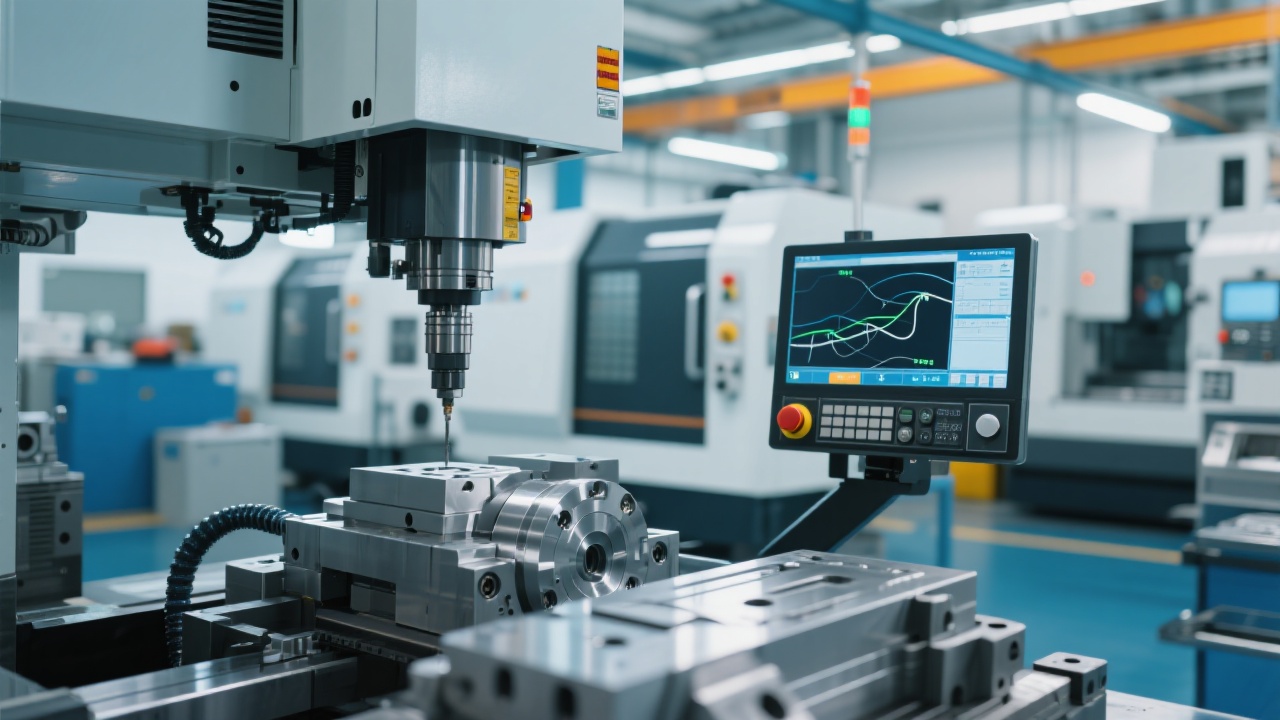
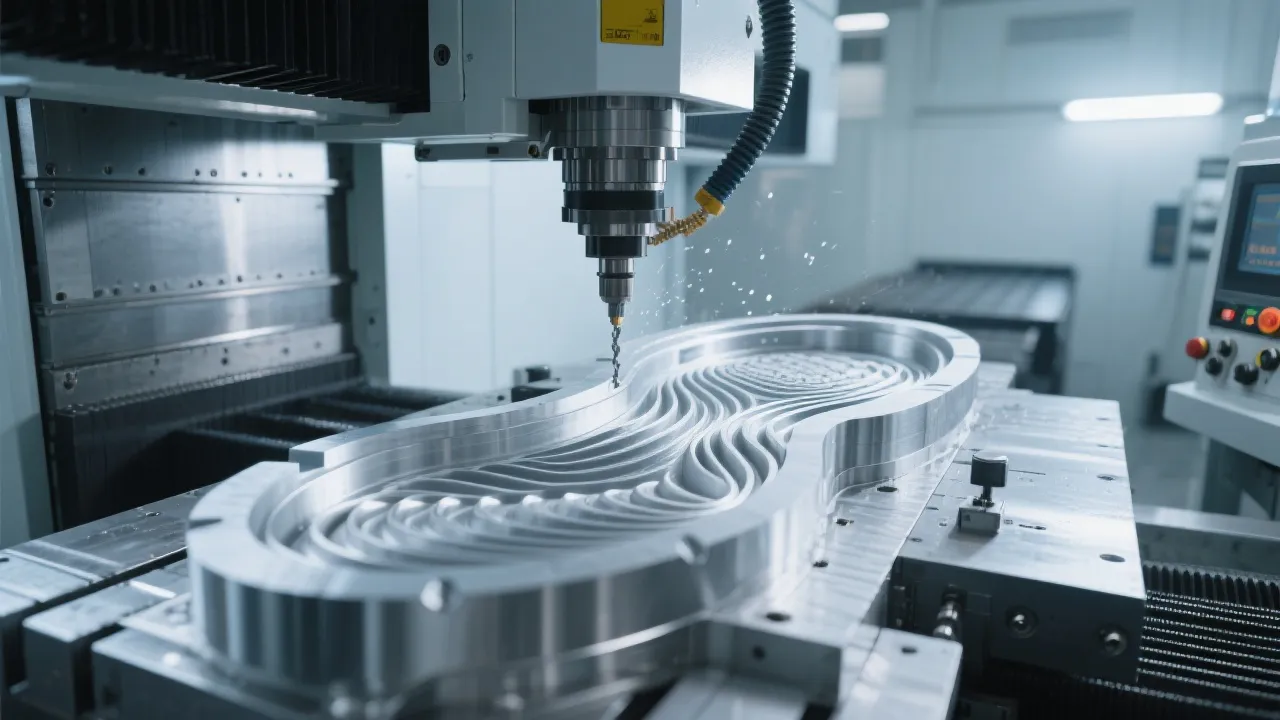
By applying these principles, users have realized remarkable improvements in producing impellers with swirling blades and mold cavities featuring high curvature surfaces. Integration of RTCP and precise offset management led to achieving machining accuracies better than ±0.01 mm, reducing rework time by nearly 15%. Employing trial/prototype machining cycles allowed for process validation before full production.
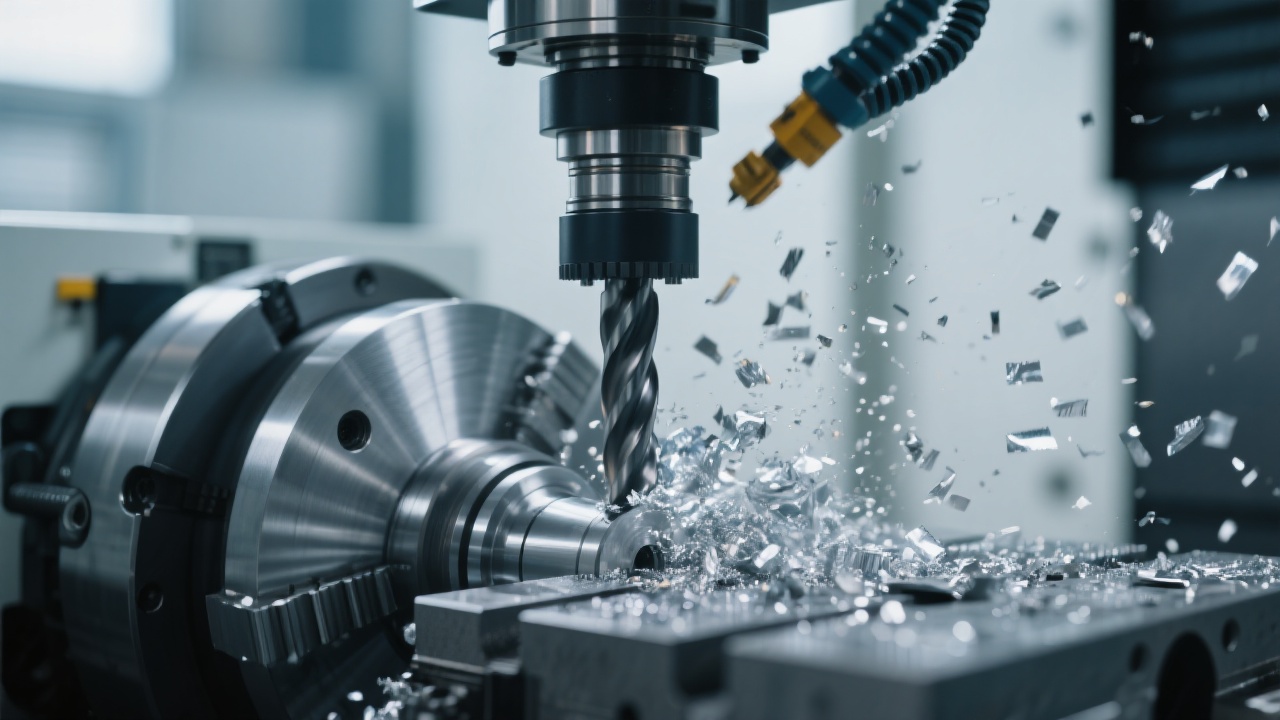
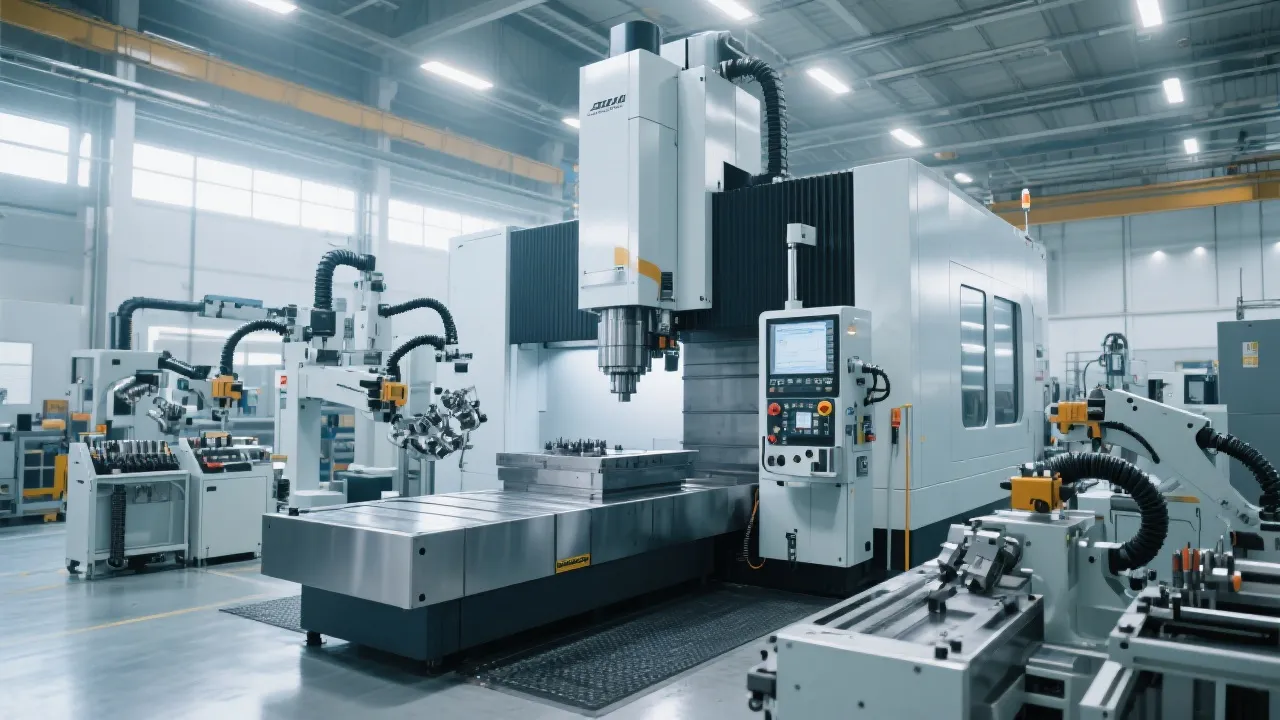
Establishing a robust standardized programming procedure combined with advanced equipment such as the Kaibo FH855L RTCP 5-Axis Vertical Machining Center will empower you to reach higher levels of product quality and repeatability.