
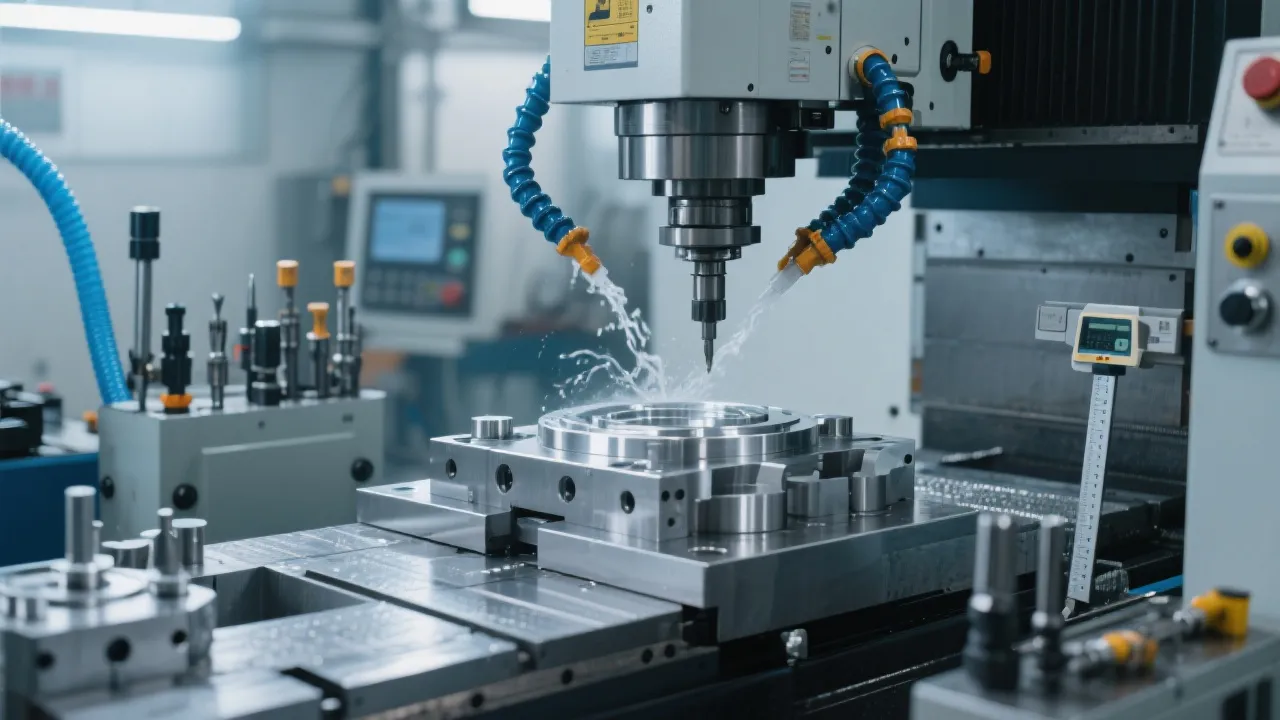
You're likely familiar with the challenge: machining complex graphite components like turbine blades or mold cavities isn’t just about precision—it’s about understanding how material behavior impacts your toolpaths. In fact, studies show that up to 40% of first-time production failures in high-precision graphite machining stem from improper programming logic—not poor machine performance.
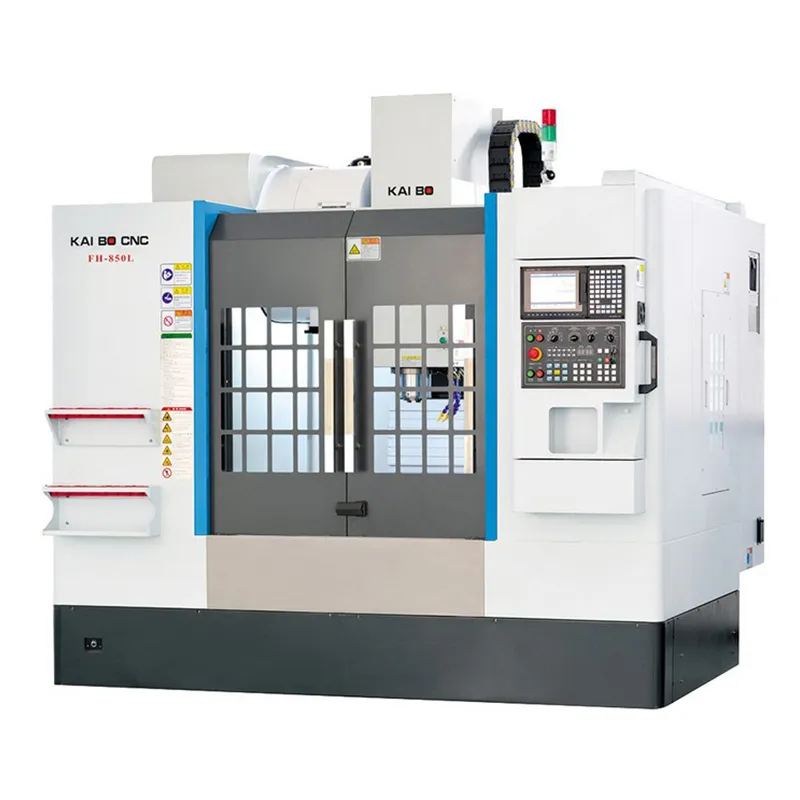
Graphite is brittle, thermally sensitive, and prone to micro-fractures under uneven cutting forces. If you’re using standard CAM settings, you’re probably seeing inconsistent surface finishes—even on parts that look perfect in simulation. That’s where RTCP (Rotary Tool Center Point) control becomes critical. With proper setup on a machine like the Kebao FH855L five-axis vertical machining center, you can reduce thermal deformation by up to 60%, according to real-world trials conducted at European aerospace suppliers.
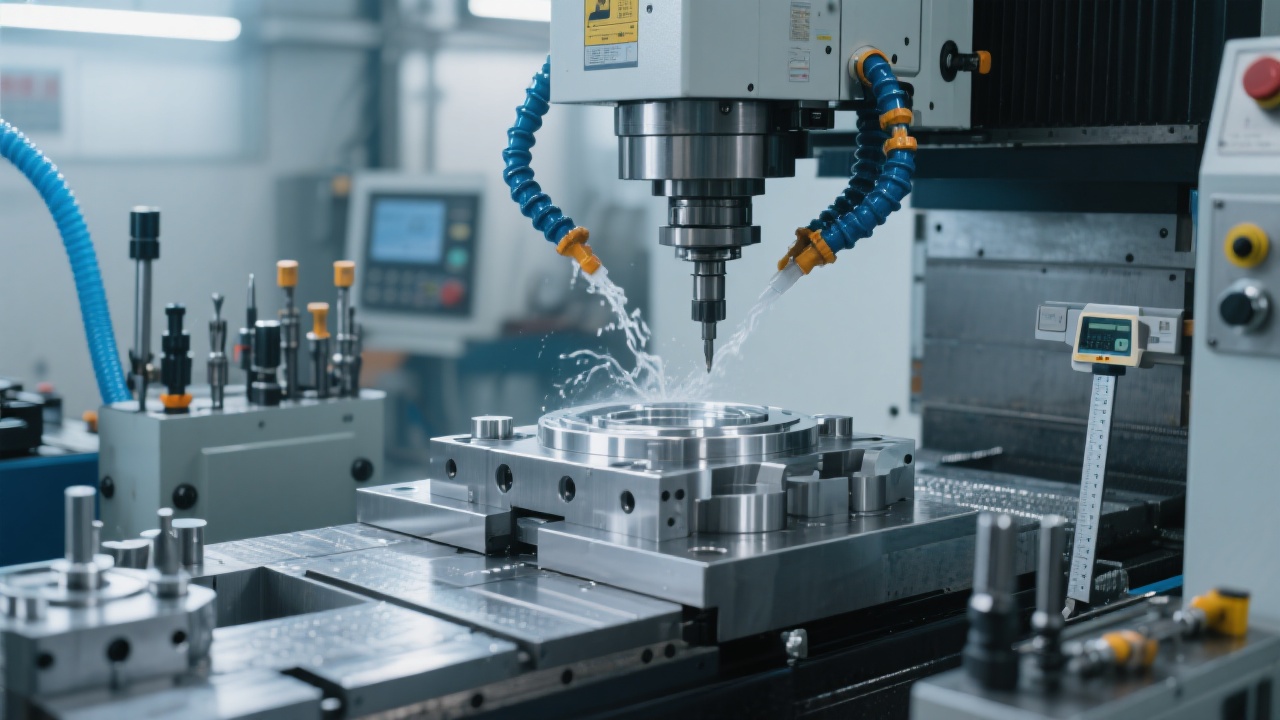
| Error Type | Impact | Fix Strategy |
|---|---|---|
| Incorrect axis offset calibration | Up to 15% dimensional deviation | Use built-in calibration routines in Kebao’s software suite |
| No interference check before cutting | Tool breakage risk increases by 3x | Enable automatic collision detection in CAM workflows |
Pro tip: Always simulate your toolpath in a virtual environment that mirrors actual spindle speed, feed rate, and coolant flow. This step alone can save 3–5 days per project in trial-and-error iterations.
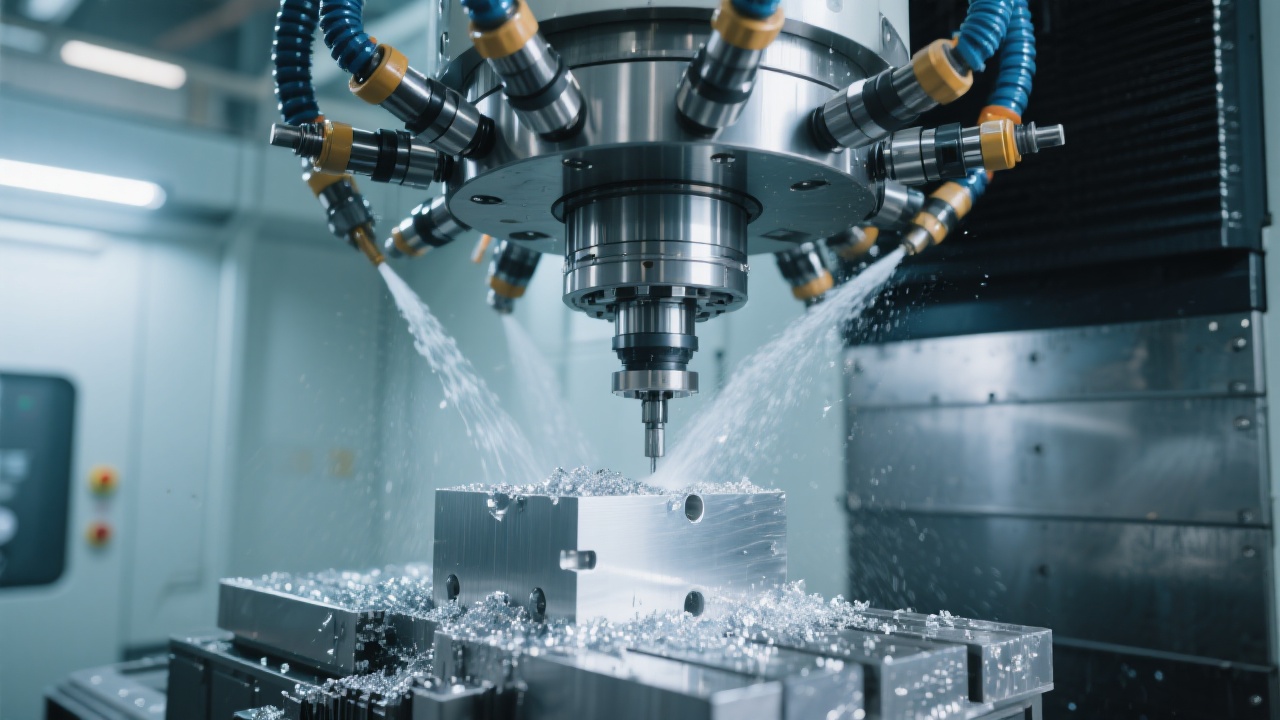
For example, when we helped a German medical device manufacturer transition from manual to automated five-axis programming for graphite electrode machining, their average cycle time dropped from 8 hours to 4.5 hours—and first-pass yield jumped from 68% to 92%. The key? A standardized workflow embedded in their CAM process, not just better hardware.
“Standardization isn’t boring—it’s smart. It turns expert knowledge into repeatable results.” – Dr. Lena Schmidt, Manufacturing Engineer at Fraunhofer Institute
Ready to build your own five-axis programming playbook? Whether you're new to RTCP or optimizing existing processes, the Kebao FH855L five-axis machining center supports high-fidelity programming validation—so you can trust your digital twins before touching real material.
If you’ve tried this approach—or have questions about implementing it—leave a comment below. We read every message and respond within 24 hours.



 <#else>





