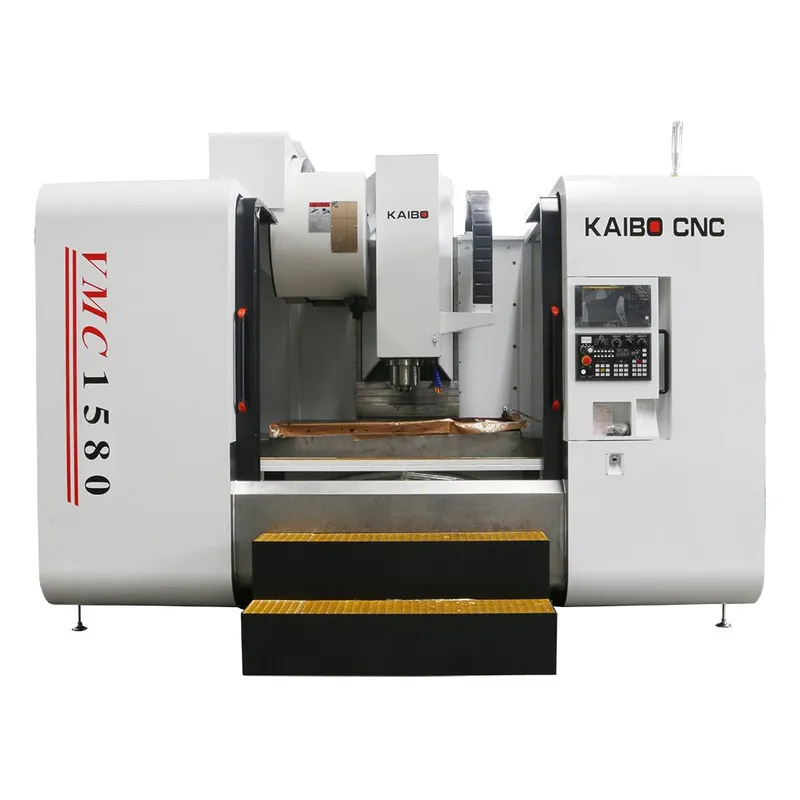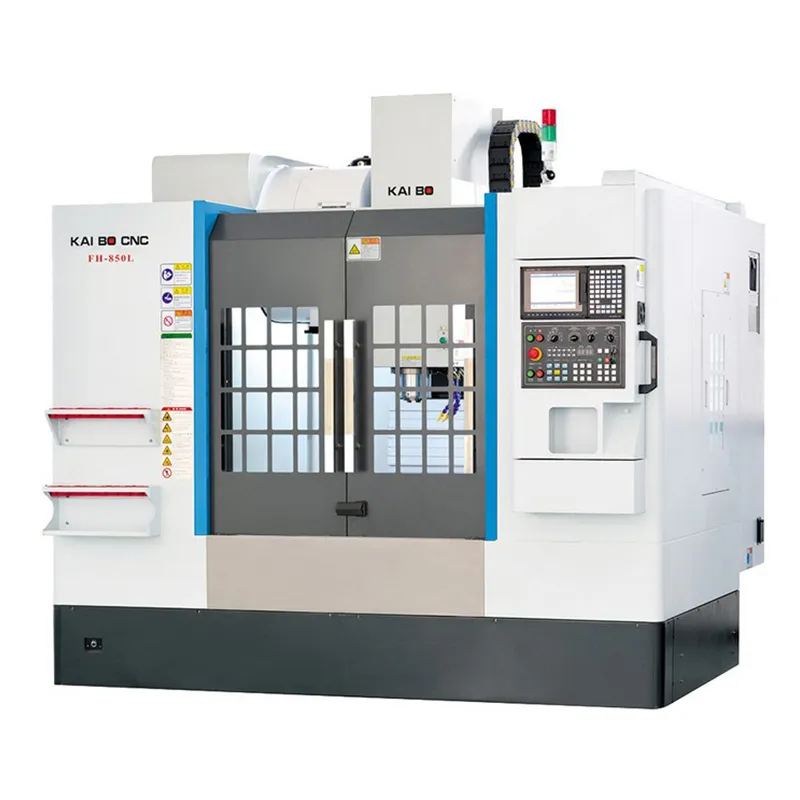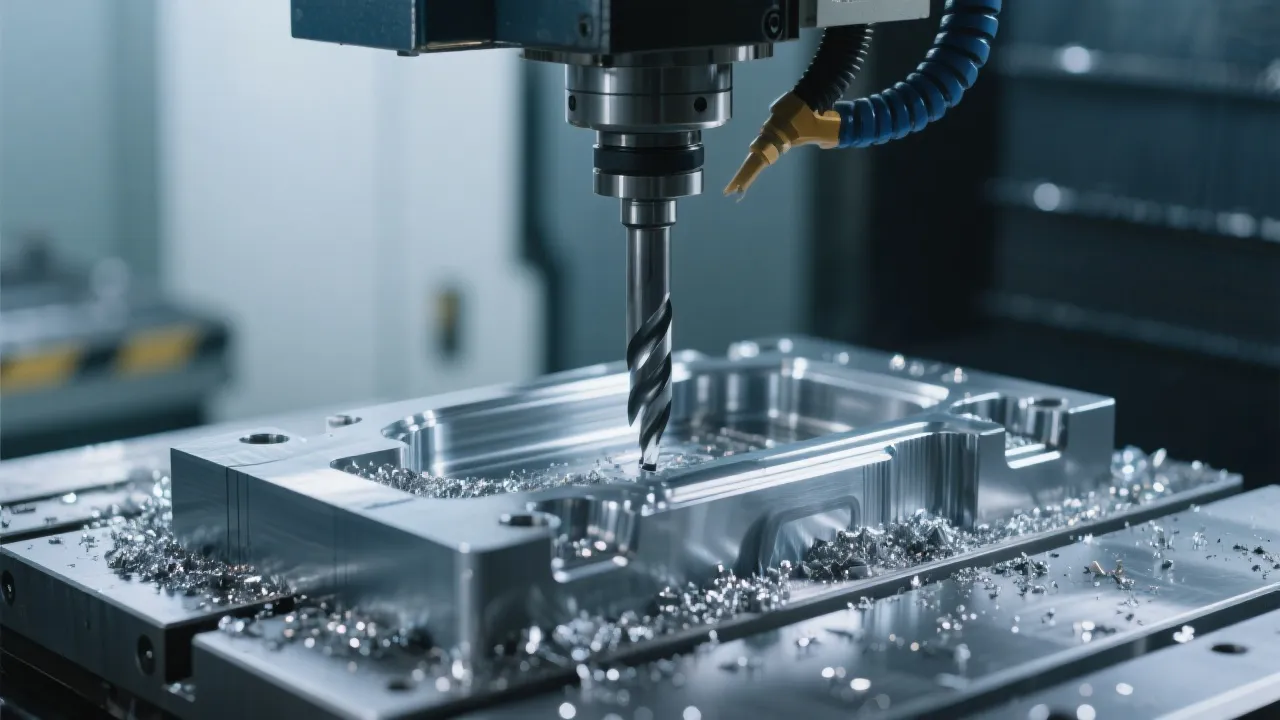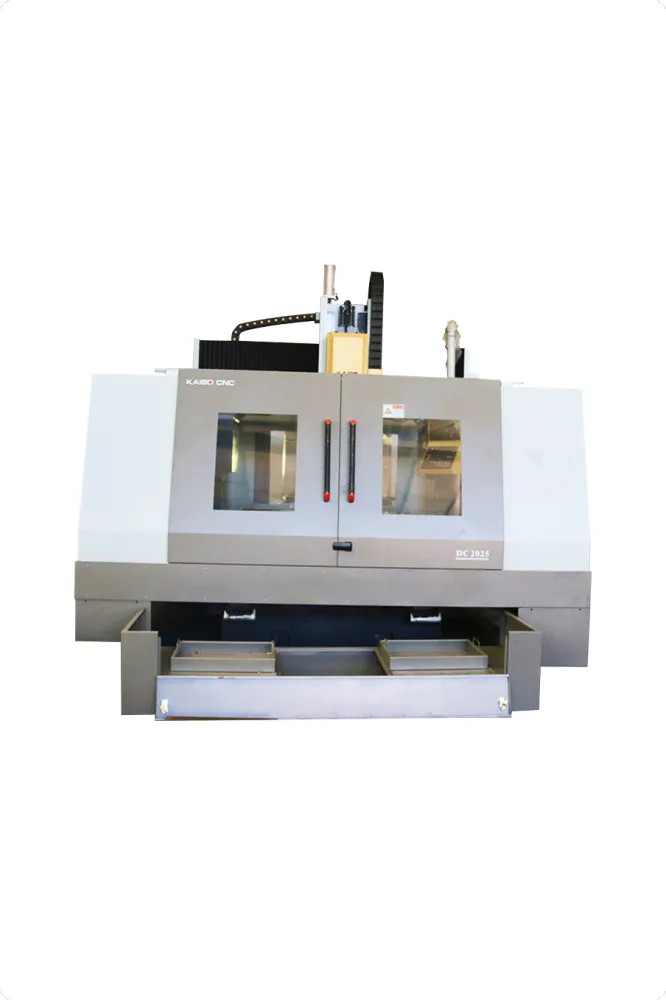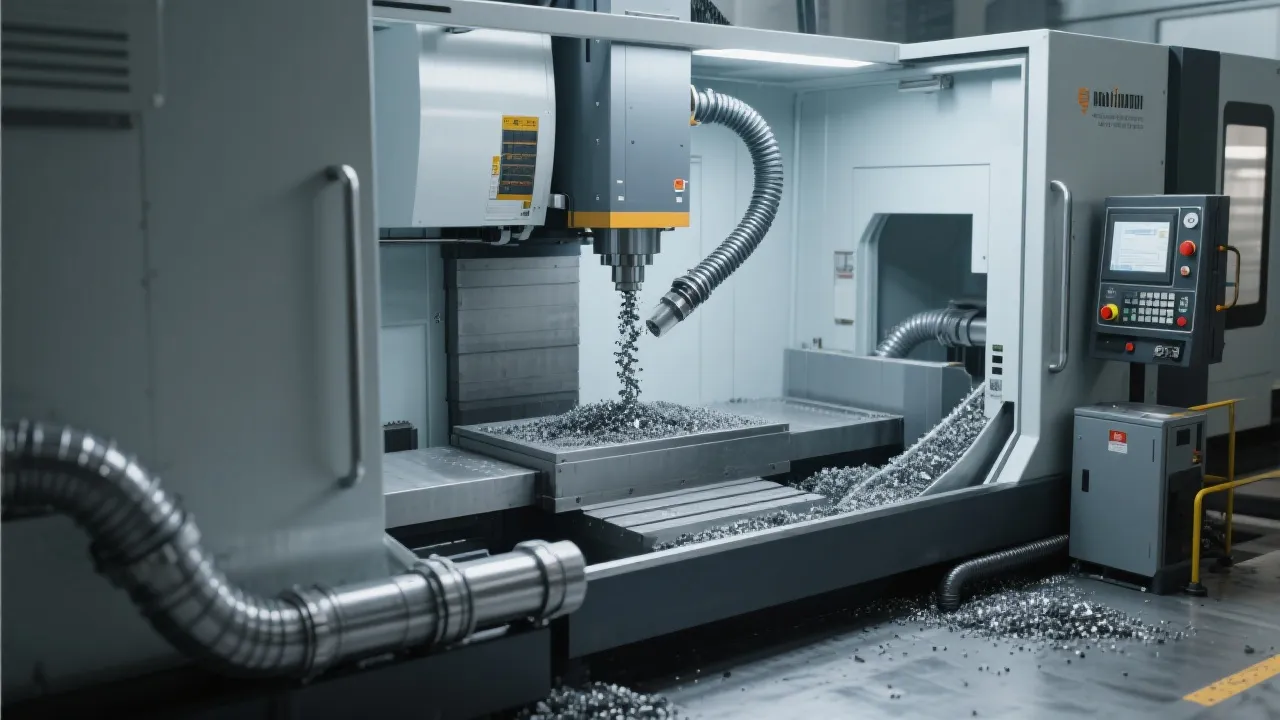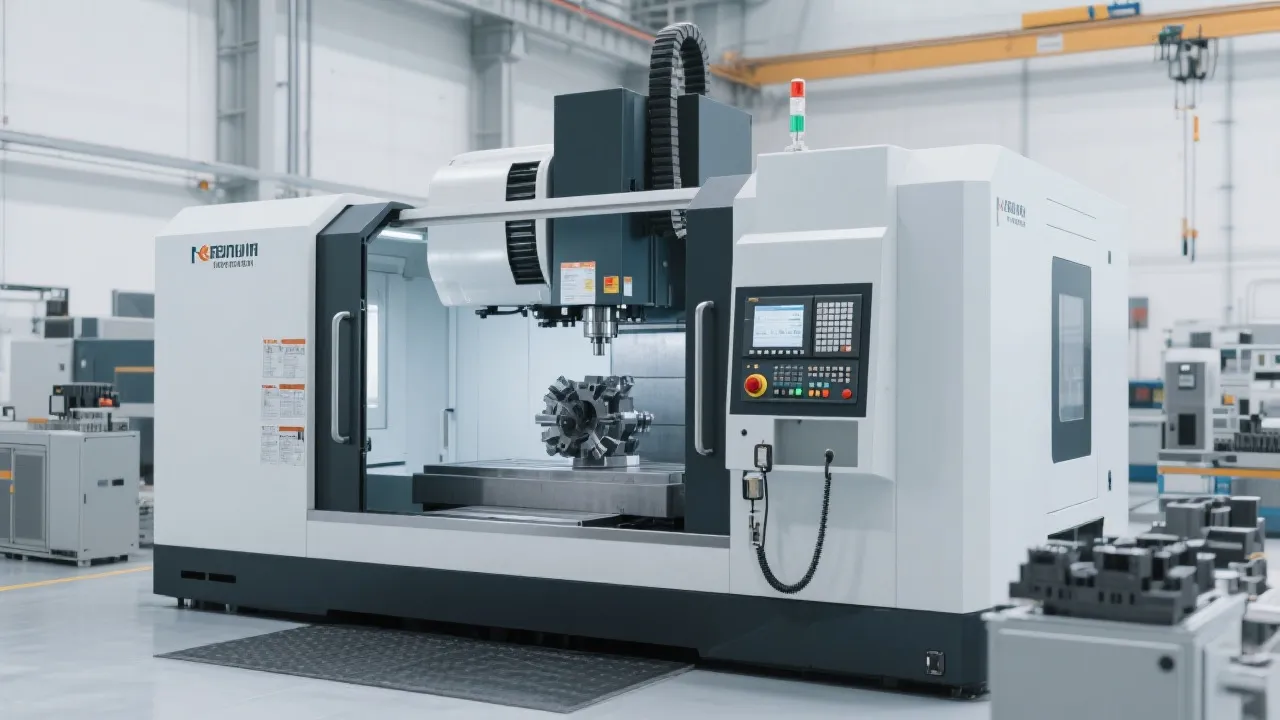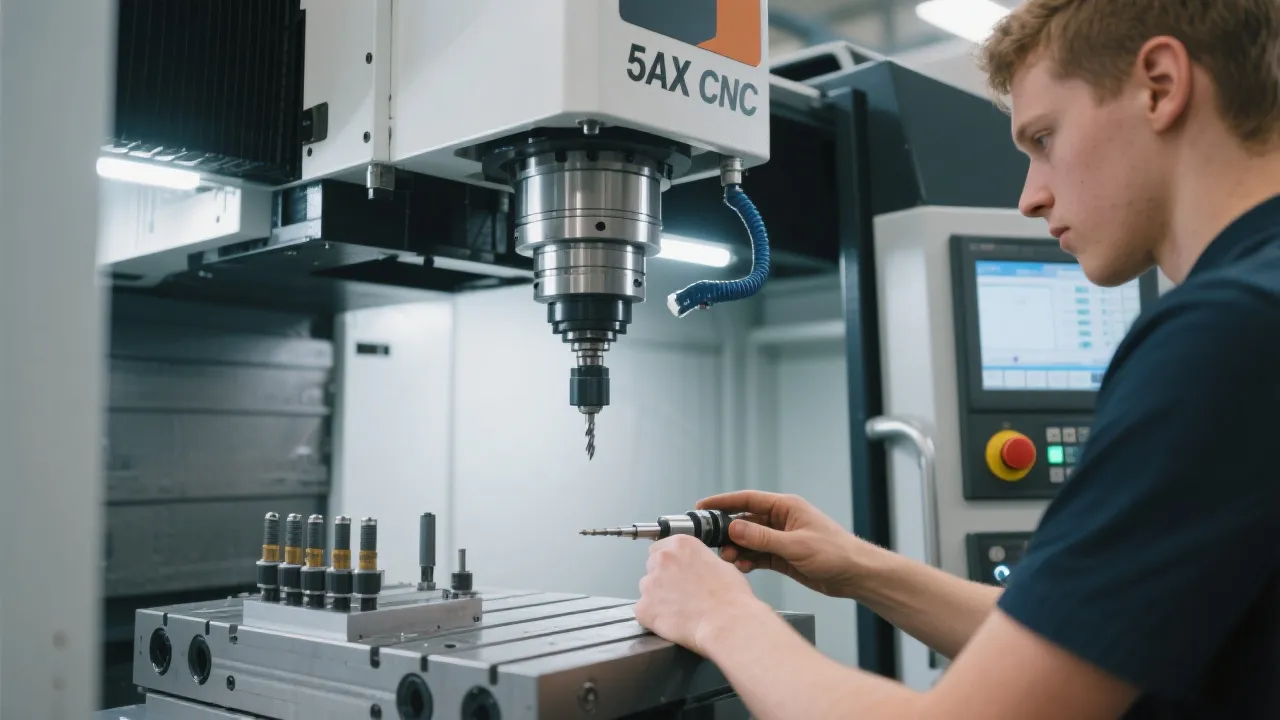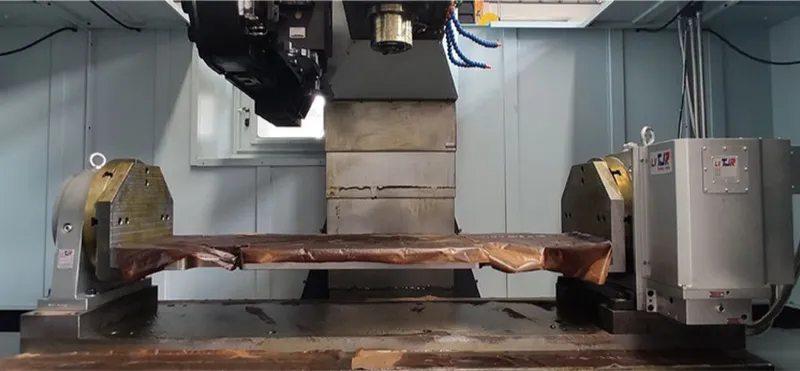
For manufacturers working with complex geometries like impellers, molds, or aerospace components, mastering 5-axis machining isn't just about having the right machine—it’s about understanding how to program it effectively. In our latest technical deep dive, we explore key programming strategies for the FH855L RTCP 5-axis machining center, used by leading OEMs in China and beyond.
According to a 2023 study by SME (Society of Manufacturing Engineers), over 40% of first-time 5-axis programs fail due to improper coordinate system setup or unoptimized toolpaths—not hardware limitations. This is especially true when machining materials like graphite, which are common in mold-making and EV battery production.
Here’s what goes wrong—and how to fix it:
| Error Type | Impact | Fix Strategy |
|---|---|---|
| Incorrect RTCP compensation | Tool tip deviation up to 0.3mm | Use CAM software that supports dynamic RTCP validation (e.g., Mastercam, GibbsCAM) |
| No interference check before simulation | 5–15% scrap rate on high-value parts | Run full collision detection using built-in simulators |
| Ignoring thermal drift in graphite | Surface finish degradation after 2+ hours | Implement adaptive feedrate control + cooling strategy |
We analyzed real-world data from a customer using the FH855L RTCP machine to produce turbine blades for wind energy applications. By standardizing their toolpath generation process—based on consistent workpiece origin alignment and optimized cutter engagement angles—they reduced trial runs from 4 to 1.5 and improved surface quality from Ra 3.2μm to Ra 1.6μm.
This approach also minimizes wear on the spindle and extends tool life by up to 30%, according to internal testing at Ningbo Kebon CNC Machinery Co., Ltd.

Whether you're using Fusion 360, Siemens NX, or SolidCAM, here are three must-know tips:
Want to see these techniques in action? Join our live Q&A session where engineers walk through a complete 5-axis program—from CAD import to G-code output—using the FH855L RTCP platform. No sales pitch. Just pure technical value.